
The 20 Best (and Worst) Protein Sources for Your Health and the Environment

The food you eat doesn’t just impact your body—it impacts the environment where it’s grown and produced as well. So which foods are the most responsible, not just for you, but for the entire world? That’s a big question, and one that the Environmental Working Group has endeavored to answer with a recent roundup of 20 conventionally-grown protein sources. They’re the foods you see in the store every day. Which to choose? Follow this guide.
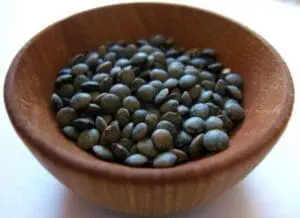
The Best: Lentils
Lentils don’t just deliver protein; they’re also an anti-aging superfood that provides your body with necessary fiber and nutrients like iron and folate. Moreover, they’re the most climate-friendly, causing only a fraction of the carbon emissions throughout their lifecycle that meat does. Most of those emissions are related to the energy required to cook lentils; not so bad, in the scheme of things. Embrace your inner hippie and surprise your dinner partners with legendarily delicious, uber-healthy Lentil Walnut Burgers, and you may never go back to meat.
The Worst: Lamb
If you ever felt squeamish about eating lamb, you were right! The production of lamb produces 39.3 kilograms of carbon emissions per kilo of meat, about 50% more than beef and around 40 times the emissions from lentils. Why the huge impact? Because young sheep have less meat on them. If that doesn’t make you sad, I don’t know what will.
The EWG notes, however, that Americans eat a very small amount of lamb, making beef the #1 offender when it comes to cumulative carbon emissions.
Making Smart Choices
Overall, the EWG found that we simply eat too much meat in America. Meat production accounts for the vast majority of the carbon emissions from our food. If you do eat meat, stick with chicken and turkey when you can. Or try eating eggs, yogurt and milk, which require even less energy to produce. And of course, look for grass-fed, organic and free-range animals; they tend to live healthier and have a lower environmental impact.
Non-animal proteins like lentils, beans, tofu and nuts are always smart choices for you and the environment, but buy organic and non-GMO whenever you can. Soy products in particular will often contain genetically modified plants.
Make sure you read the full list before your next shopping trip: Meat Eater’s Guide: Climate and Environmental Impacts
Follow Jessica Reeder on Facebook and Twitter