
How Many Calories Do You Burn Running a Mile? The Hidden Science Your Fitness Tracker Won’t Tell You



I used to think I burned around 100 calories per mile when running. Turns out, I was completely wrong. According to VeryWell Health, your actual calorie burn can swing 20-50% higher or lower depending on your size, pace, terrain, effort, and how efficiently your body moves. This oversimplified “rule” completely ignores what’s actually happening inside your body every time you lace up your running shoes.
Table of Contents
- The Real Story Behind What Your Body Does During a Mile
- Why Your Body Burns Calories Like a Unique Fingerprint
- Environmental Factors That Secretly Boost Your Burn
- The Hidden Recovery Calorie Investment You Never Knew About
TL;DR
- Your body uses three different energy systems during a mile run, and keeps burning extra calories for up to 24 hours afterward
- Generic calorie calculators can be off by 30-50% because they ignore how efficiently you run and your body’s unique adaptations
- Things like terrain, temperature, and what surface you’re running on can bump up your calorie burn by 20-40%
- Your body’s recovery processes can actually double your total calorie burn over the next 48 hours
- Supporting your body’s recovery with quality nutrients can help you get the most from every training session
The Real Story Behind What Your Body Does During a Mile
Most people think burning calories during a mile run is simple math. Here’s the thing – your body is actually doing way more work than you’d think. We’re talking about three different fuel systems working together, hormones that amp up your burn, and an afterburn effect that keeps your metabolism cranking long after you’ve stopped sweating.
Understanding what’s really going on reveals why that simple “calories per mile” number on your fitness tracker barely scratches the surface. When you ask how many calories do you burn running a mile, the answer depends on way more stuff than most people realize.
You know what’s crazy? Understanding the complexities of calorie burn during exercise requires examining how your mitochondria function as cellular powerhouses to convert nutrients into usable energy for sustained running performance. These little cellular engines work overtime during your run and keep going strong well into your recovery period.
Your Body’s Three-Part Energy System
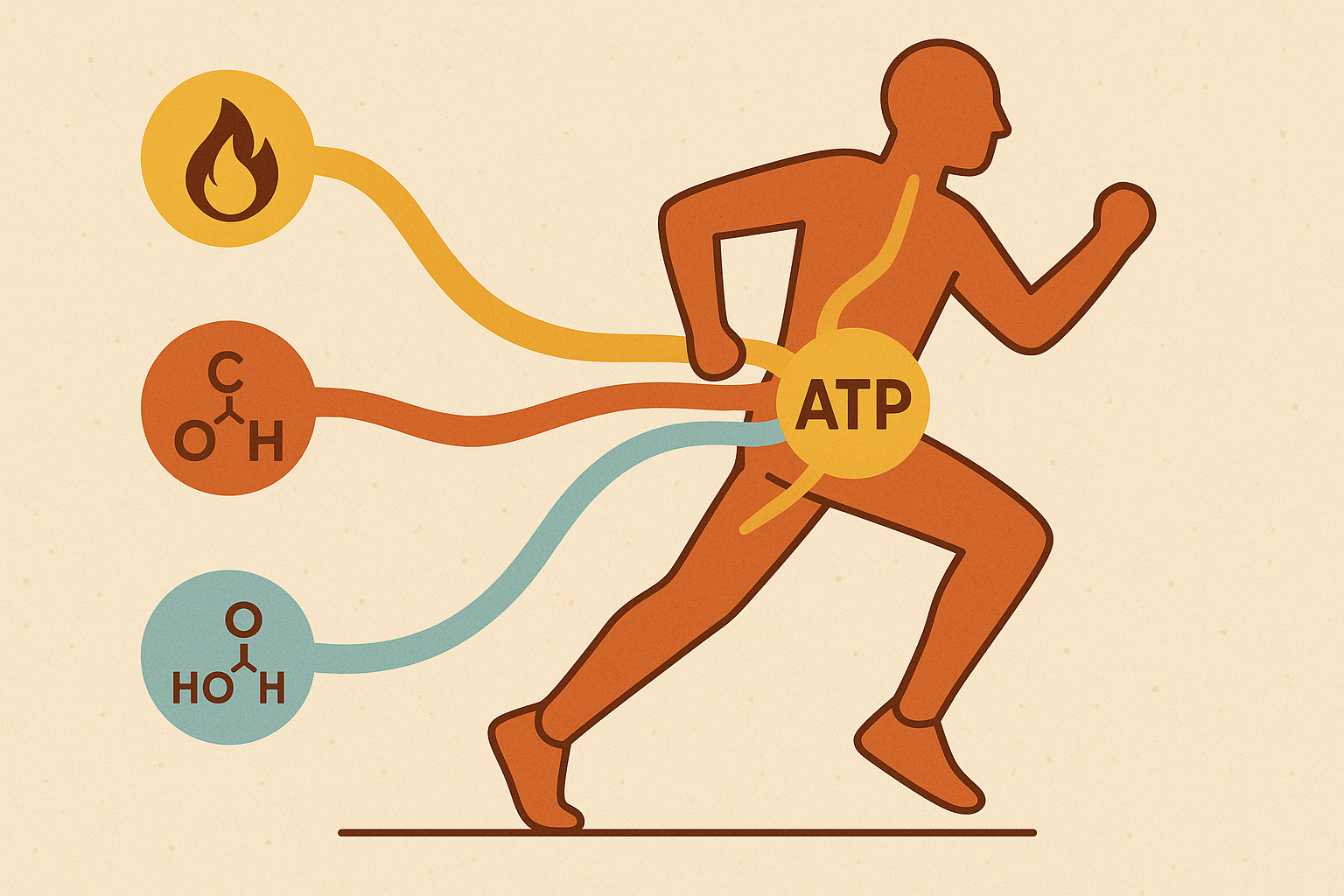
Running a mile isn’t powered by just one fuel source. Your body seamlessly switches between three different energy pathways that each kick in based on how fast you’re moving and how fit you are. This teamwork determines not only how many calories you burn running a mile, but also sets you up for extended energy burn that keeps working in your favor hours later.
The Lightning-Fast First Gear
During your first 10-15 seconds of running, your muscles tap into stored phosphocreatine for immediate explosive energy. This system actually burns 15-20% more calories than steady running, though it only lasts briefly.
Here’s why this matters: this power surge explains why interval training can dramatically boost your total calorie burn compared to keeping the same pace throughout your entire mile. Your body essentially front-loads energy during those first moments when you pick up the pace.
How Your Body Chooses Between Fat and Carbs
Your fuel preference shifts constantly throughout that mile based on how hard you’re pushing yourself. At an easy conversational pace, you might burn 85% fat and only 15% carbs. Crank up the intensity and this ratio completely flips.
This affects both your immediate calorie burn and how much energy your body needs for recovery afterward. Take Sarah, a 150-pound recreational runner. She burns about 100 calories during her easy-paced mile (12-minute pace), with 85 calories coming from fat and 15 from carbs. When she pushes to an 8-minute mile pace, she burns 140 calories total, but now 105 calories come from carbs and only 35 from fat – showing how intensity completely changes what fuel her body uses.
The Afterburn Effect That Keeps Working While You Chill
The calories you burn during your actual mile? That’s only part of the story. Something called Excess Post-Exercise Oxygen Consumption (EPOC) can keep your metabolism elevated for up to 24 hours after you finish running, adding an extra 6-15% to your total calorie burn.
Your body essentially becomes a better calorie-burning machine even when you’re sitting on the couch later. Research shows that the afterburn effect can account for an extra 6 to 15% of the calories you burned during the workout, according to the Cleveland Clinic. This means if you burned 400 calories during your run, you could burn an additional 24-60 calories in the hours following your workout.
When people wonder how many calories does running a mile burn, they’re usually thinking about the immediate energy cost. The reality is way more generous to your metabolism.
Your Cells’ Little Engines Need Recovery Fuel
Your mitochondria (those cellular energy factories) need significant extra energy to restore themselves after working hard during your run. This recovery process demands serious caloric investment, especially for building proteins and repairing cells that happens behind the scenes while you’re going about your day.
Cleaning Up the Metabolic Mess Takes Energy Too
If you pushed the pace during your mile, your body has to invest energy to clear out built-up lactate and restore proper balance in your muscles. This cleanup process can burn an additional 20-40 calories in the hours following your run – calories that never show up on your fitness tracker but definitely count toward your daily burn.
Your Heart Doesn’t Hit the Brakes Right Away
Your cardiovascular system doesn’t instantly return to baseline after you stop running. The gradual return to your resting heart rate requires sustained energy, contributing to that extended calorie burn that makes your mile investment pay off throughout the day.
The Hormone Boost You Can’t See
Running triggers a complex hormonal response that influences calorie burn both during and after exercise. These chemical messengers can either boost or reduce how efficiently you burn calories depending on things like how trained you are, your stress levels, and even your genetics.
The intensity and duration of this response varies big time between people, which explains why two people can have totally different calorie burns from the same mile.
When Adrenaline Becomes Your Fat-Burning Friend
The adrenaline and noradrenaline released during your run don’t just fuel your performance – they actually turn on fat-burning enzymes and crank up your metabolic rate. How intense and long this response lasts varies dramatically between people based on training and genetic factors, creating another layer of personalization in your calorie burn equation.
Why Your Body Burns Calories Like a Unique Fingerprint
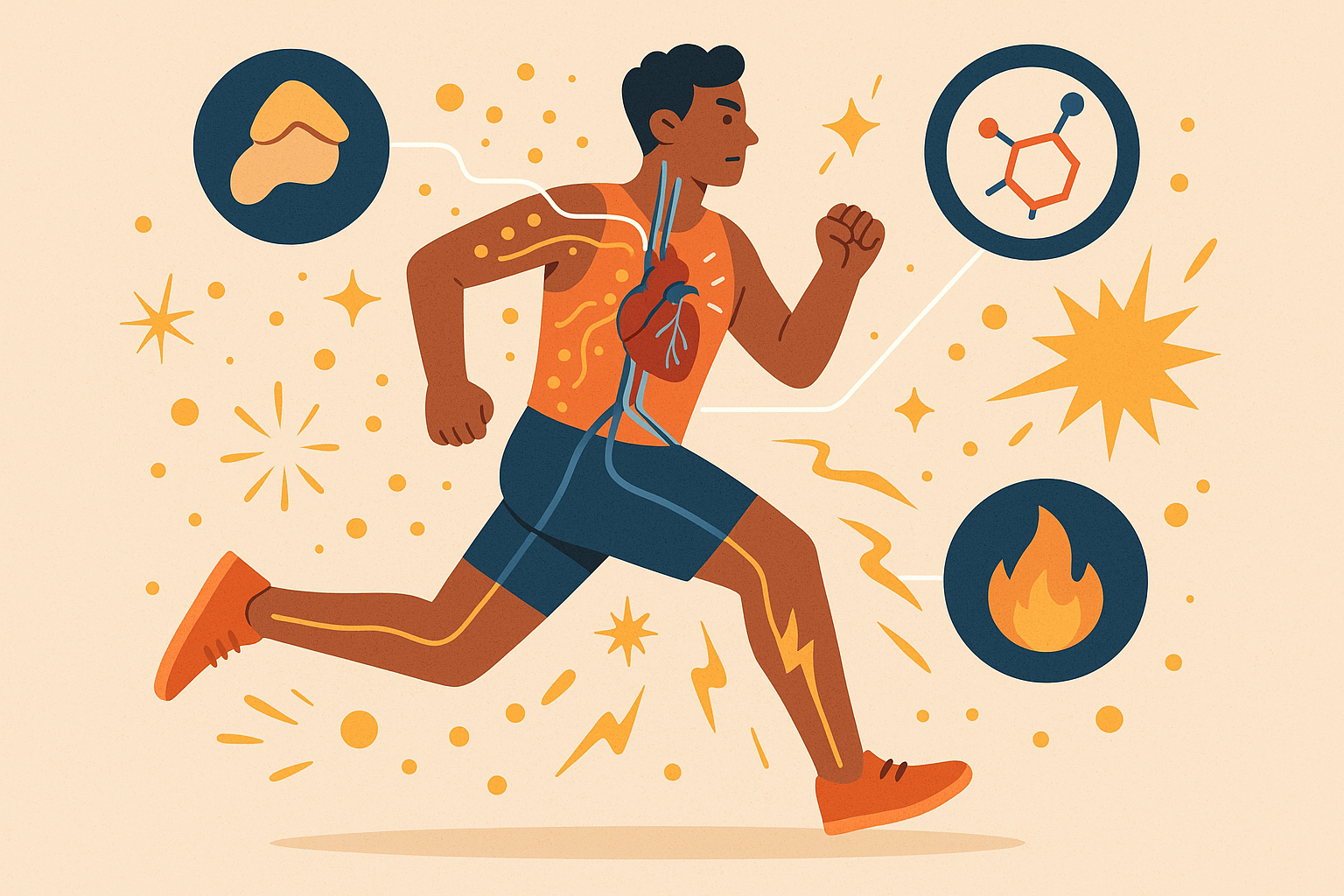
Standard calorie calculators rely on oversimplified equations that completely ignore the huge individual differences in how efficiently you run, how your body has adapted to training, and the biomechanical factors that can create 30-50% differences in actual calorie burn between people of similar size running at the same pace.
Your body has developed its own unique metabolic signature that no generic formula can capture. When you’re trying to figure out how many calories do you burn running a mile, you need to account for these personal variables that make your energy burn distinctly yours.
Just like proper nutrition supports optimal energy production, learning how to boost your immune system helps your body recover more efficiently from the stress of running, potentially affecting your overall calorie burn patterns.
Your Personal Running Efficiency Code
Running economy – basically how efficiently you convert energy into forward motion – varies dramatically between people and can actually be improved through targeted training. This single factor alone can account for significant differences in calorie burn that generic calculators completely miss.
Some people are naturally more efficient runners, while others have to work harder (and burn more calories) to maintain the same pace. According to American Sport and Fitness, lighter people (120–140 lbs) burn approximately 80–100 calories per mile, moderate weight people (150–180 lbs) burn approximately 100–130 calories per mile, and heavier people (190–220+ lbs) burn approximately 130–160 calories per mile.
| Weight Range | Easy Pace Calories/Mile | Moderate Pace Calories/Mile | Fast Pace Calories/Mile |
|---|---|---|---|
| 120-140 lbs | 90 calories | 110 calories | 130 calories |
| 150-180 lbs | 100-110 calories | 125 calories | 150 calories |
| 190-220+ lbs | 140 calories | 175 calories | 200 calories |
Why How You Move Affects Your Calorie Burn
Your stride length, how many steps you take per minute, how long your feet touch the ground, and how much you bounce up and down all influence energy burn in ways most people never think about. Runners with inefficient form can burn 15-25% more calories covering the same distance at the same pace as smooth, efficient runners.
This means improving your form doesn’t just make you faster – it can actually change how many calories did i burn running for any given workout. Picture two runners who both weigh 160 pounds running the same 8-minute mile pace. Runner A has smooth form with good cadence and minimal bouncing, burning 115 calories. Runner B has choppy form with overstriding and lots of bouncing, burning 140 calories for the same mile – a 22% difference just because of how they move.
How Training Changes Your Metabolic Game
Your body’s ability to efficiently switch between fuel sources and the adaptations you’ve gained from training create a personalized metabolic profile that standard formulas simply can’t account for. These adaptations can actually reduce your calorie burn by up to 20% as you become more efficient – which explains why that same mile might feel easier and burn fewer calories as you get fitter.
More Cell Engines Mean Better Efficiency (And Fewer Calories Burned)
Trained runners develop more mitochondria per muscle fiber, making energy production way more efficient. This adaptation is fantastic for performance, but it actually reduces how many calories you need to run the same pace over time. Your body becomes more fuel-efficient – it can go the same distance using less energy.
Your Personal Fat-Burning Efficiency
How well you burn fat, influenced by genetics, diet, and training history, determines how many calories you actually need to produce the same amount of energy. Some people are naturally better fat burners, requiring fewer total calories for the same work output. This metabolic flexibility is highly individual and changes based on your training and what you eat.
Environmental Factors That Secretly Boost Your Burn
The conditions where you run your mile can dramatically change calorie burn through mechanisms that go way beyond simple temperature adjustments. These environmental factors interact with your body in complex ways that can increase energy demands by 20-40%, yet most calorie calculators treat a mile as a mile regardless of where or how you run it.
Recent research highlighted by BoxRox shows that running on an incline can increase calorie burn by up to 10% or more compared to flat surfaces, as the increased muscle activation required for stability and propulsion on inclined surfaces demands significantly more energy.
Environmental stressors like temperature extremes can impact your body’s recovery needs, which is why understanding cold shower health benefits can help you optimize post-run recovery and potentially influence your metabolic response to training.
When you’re calculating how many calories do you burn running a mile, you need to factor in these environmental variables that can significantly bump up your total energy burn.
Why the Ground Beneath Your Feet Matters Way More Than You Think
The surface you run on and the terrain create different demands on your stabilizing muscles, balance systems, and energy transfer that all influence total calorie burn in ways that distance-based calculations completely miss. Your body works much harder on some surfaces than others, even when covering the exact same distance.
When Unstable Surfaces Become Calorie-Burning Allies
Running on trails, sand, or uneven surfaces activates additional stabilizing muscles throughout your core and legs that normally chill out on smooth pavement. This increased muscle recruitment can bump up calorie burn by 10-15% compared to running on a track, as your body works overtime to maintain balance and stability with every step.
| Running Surface | Calorie Burn Multiplier | Additional Muscles Engaged |
|---|---|---|
| Flat Pavement | 1.0x (baseline) | Primary running muscles |
| Treadmill | 0.95x | Reduced stabilization needed |
| Trails/Uneven | 1.10-1.15x | Core, stabilizers, balance |
| Sand | 1.15-1.30x | Calves, stabilizers, increased effort |
| Hills/Incline | 1.20-1.40x | Glutes, quads, increased cardio demand |
Your Body’s Climate Control System Burns Serious Calories
Your body’s temperature control system requires significant energy investment, particularly in challenging environmental conditions. This temperature regulation can substantially increase total calorie burn beyond what’s needed just for moving forward. Your internal climate control system is working hard whether you realize it or not.

The Hidden Energy Cost of Staying Cool
In hot conditions, your body diverts considerable energy to cooling mechanisms including increased blood flow to your skin, sweat production, and faster breathing. These processes can increase total energy burn by 12-18% even at the same running pace. Your body is essentially running two systems simultaneously – moving you forward and keeping you cool.
The Hidden Recovery Calorie Investment You Never Knew About
The calories burned during your actual mile represent just the immediate energy cost of the activity. Your body’s investment in recovery, adaptation, and preparation for future performance demands ongoing energy that can double the total metabolic impact of that single mile over the following 24-48 hours.
This hidden calorie burn happens while you’re sleeping, working, and going about your normal day. According to recent fitness research covered by Hone Health, muscle is key for fat loss because muscle burns more calories than fat tissue. The more muscle you maintain through activities like running, the easier it becomes to maintain a healthy weight and body composition long-term.
Proper recovery nutrition plays a crucial role in maximizing the metabolic benefits of running, which is why understanding marine collagen peptides and their beauty benefits can help support the protein building your body needs after intense training sessions.
When people ask how many calories do you burn running a mile, they’re missing this huge piece of the puzzle.
Your Body’s Reconstruction Project Requires Serious Energy
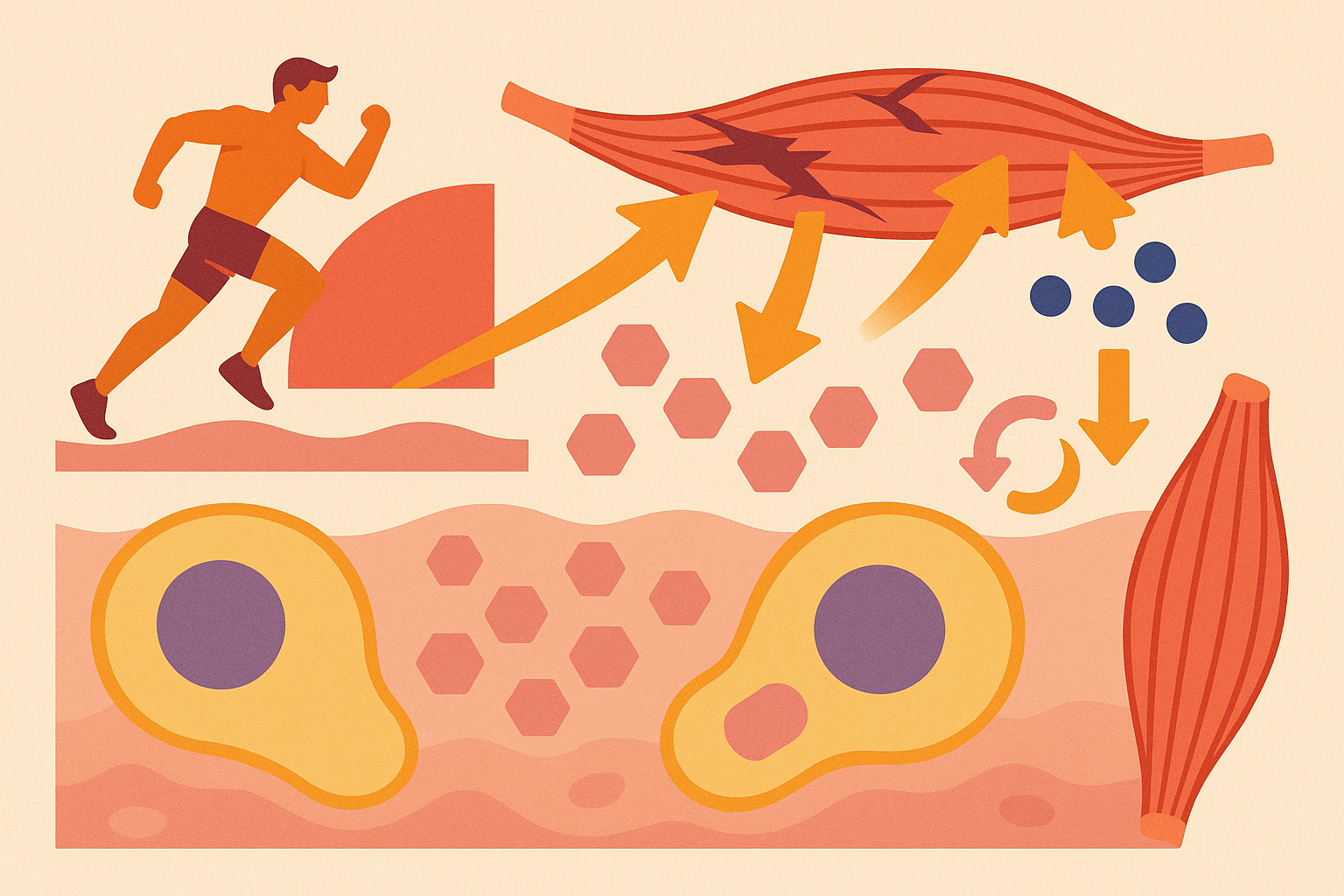
Running creates tiny muscle damage that triggers extensive repair and rebuilding processes requiring substantial energy investment that continues for days after your run. This protein building represents a hidden but significant calorie burn that’s working in your favor long after you’ve forgotten about that mile. Your body is essentially running a 24/7 construction project to make you stronger.
When Your Immune System Joins the Recovery Party
Your immune system’s response to exercise stress requires energy to mobilize repair cells, produce anti-inflammatory compounds, and clear cellular debris. This process burns additional calories while supporting recovery and adaptation. Your body treats exercise as a controlled stress that requires a coordinated immune response to get the most benefits.
The Energy Investment in Future Performance
After using up energy stores during your run, your body doesn’t just replace what was used – it often overcompensates by storing additional fuel for future demands. This supercompensation process requires extra energy for enhanced glucose uptake and storage conversion, essentially investing calories now to be better prepared for your next workout.
After completing a challenging 6-mile tempo run, Mark’s body doesn’t just replenish the 600 calories he burned during the workout. Over the next 48 hours, his body invests an additional 180-300 calories in muscle protein building, glycogen supercompensation, immune system activation, and cellular repair – nearly doubling his total metabolic investment from that single training session.
Your Enhanced Nutrient Uptake Windows
Running creates temporary windows of enhanced insulin sensitivity that allow for more efficient nutrient uptake and utilization. While this improves recovery, the cellular machinery required to maintain this enhanced state requires ongoing energy investment. Your body becomes temporarily more efficient at processing nutrients, but this efficiency comes with its own metabolic cost.
Supporting your body’s enhanced nutrient processing with quality foods becomes even more important after running, which is why learning about simple ways to beat bloat and improve digestion can help optimize your post-run recovery nutrition.
Research indicates that net calorie burn per mile can be calculated by multiplying your weight by 0.63 according to People One Health, providing a more accurate baseline than generic 100-calorie estimates, though this still doesn’t account for individual efficiency variations and recovery costs.
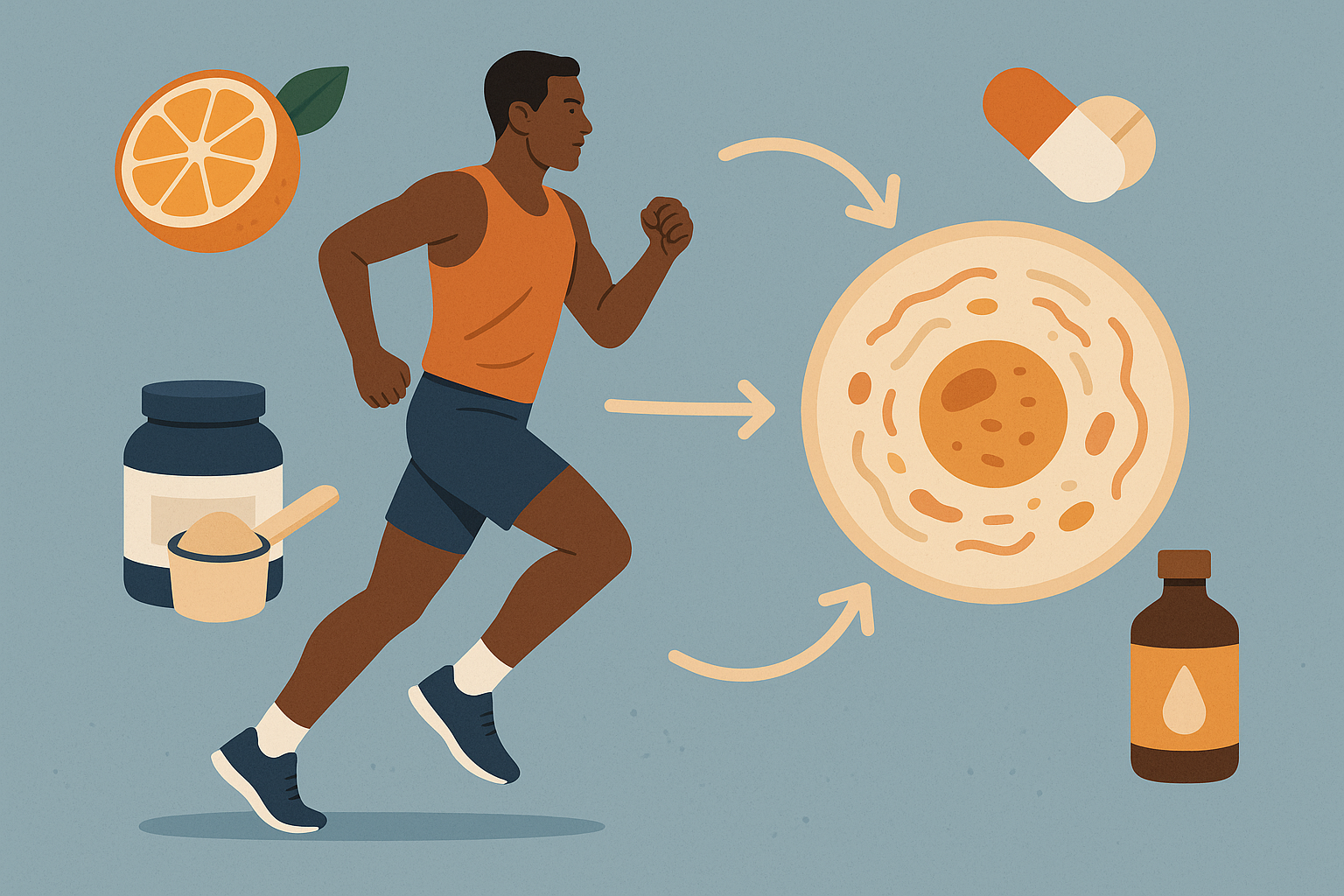
Ever wonder why you feel hungrier the day after a good run? This enhanced nutrient processing might be part of the answer. Supporting this recovery process with high-quality, bioavailable nutrients can help maximize the benefits from every training session. Organic Authority’s marine collagen provides the building blocks your body needs for optimal protein building and cellular repair, helping you get the most from every mile while supporting the skin, hair, and nail health that active women value.
The importance of proper recovery extends beyond just nutrition, as understanding why you need an Epsom salt bath can help reduce muscle tension and support the recovery processes that continue burning calories long after your run ends.
Recovery Optimization Checklist:
- Grab a protein shake within 30 minutes post-run
- Hydrate with electrolytes to support cellular function
- Get 7-9 hours of quality sleep – your body does its best work while you’re dreaming
- Include anti-inflammatory foods in your diet
- Consider high-quality collagen supplementation
- Give yourself adequate rest between intense training sessions
- Keep an eye on recovery metrics like resting heart rate

Final Thoughts
Look, understanding how many calories you actually burn running a mile goes way beyond the simple numbers your fitness tracker shows you. Your body does an incredibly complex dance involving multiple energy systems, individual efficiency factors, environmental variables, and extended recovery processes that can double or even triple the total energy investment from that single mile.
Here’s the thing – generic calorie calculators miss most of this story. How efficiently you move when you run, your training adaptations, how well your body switches between burning fat and carbs, and the conditions where you run all contribute to a highly personalized calorie burn that can vary by 30-50% from standard estimates. More importantly, the hidden recovery and adaptation processes continue burning calories for days after you finish running, representing a significant portion of your total energy burn that never gets counted.
This deeper understanding empowers you to make better decisions about your training, nutrition, and recovery strategies. Don’t stress if you can’t measure every variable – just knowing these factors exist helps you make better choices. You don’t need to become an exercise scientist – just understand that your body is way more complex than any app.
Instead of getting hung up on exact numbers, focus on how you feel, how you’re recovering, and whether you’re enjoying your runs. Supporting your body’s complex recovery processes with proper nutrition and high-quality supplements can help maximize the benefits from every training session while optimizing your overall metabolic health. The calories will take care of themselves.