
Your Breakfast Meal Plan Is Sabotaging Your Body’s Natural Clock (Here’s How I Fixed Mine)



Table of Contents
- The Science Behind Why Your Morning Routine Isn’t Working
- Building Your Personal Metabolic Flexibility System
- Why Your Friend’s Perfect Breakfast Might Be Terrible for You
- Creating Morning Rituals That Actually Stick
- A Simple Week-by-Week Plan That Actually Works
- Final Thoughts
TL;DR
- Your body has a natural 90-minute window after waking when it processes carbs most efficiently
- Rotating between different breakfast types (high-fat, balanced, carb-focused) teaches your body to run on different types of fuel
- Your genes determine how well you handle caffeine, fats, and certain vitamins – generic breakfast advice doesn’t work for everyone
- That natural wake-up hormone surge affects how your body uses different nutrients, so timing matters as much as what you eat
- Seasonal changes should influence your breakfast choices to support your body’s internal clock
- Your gut bacteria have their own daily schedule that impacts your mood and energy all day
- A structured 5-day rotation system makes healthy breakfast planning automatic and sustainable
The Science Behind Why Your Morning Routine Isn’t Working
I spent years following the same breakfast advice everyone else gets – eat within an hour of waking, include protein, add some healthy fats. My energy still crashed by 10 AM. Turns out, I was completely ignoring the most important factor: my body’s internal clock.
Basically, your body has an internal clock that affects when you feel hungry, tired, or alert. Fighting against it is like swimming upstream. When I started working with these natural rhythms instead of against them, things started improving. My energy became more predictable, my focus got better, and those brutal afternoon crashes happened way less often.
Recent data shows that breakfast transactions have risen notably, with Saturdays experiencing a 6% year-over-year increase from 2023 to 2024, which means more people are realizing breakfast actually matters. The problem? Most of us still don’t understand the timing part that makes or breaks whether your breakfast helps or hurts.
Understanding the connection between morning nutrition and brain function becomes even more important when you consider how functional medicine experts approach breakfast optimization – it’s not just about individual foods, but how they work with your body’s natural rhythms.
Working With That Natural Wake-Up Hormone Surge
Here’s the thing – your morning cortisol spike isn’t the enemy. I learned to use this natural hormone surge to my advantage for how my body processes nutrients. This hormone-nutrient relationship determines whether the protein, fats, and carbs in your breakfast will actually give you sustained energy or leave you crashing later.
The same healthy breakfast can make you feel energized one day and sluggish the next. The difference? How well you time your nutrients with that natural wake-up hormone surge. When I started paying attention to this relationship, my breakfast became predictably energizing instead of a daily gamble.
The 90-Minute Sweet Spot
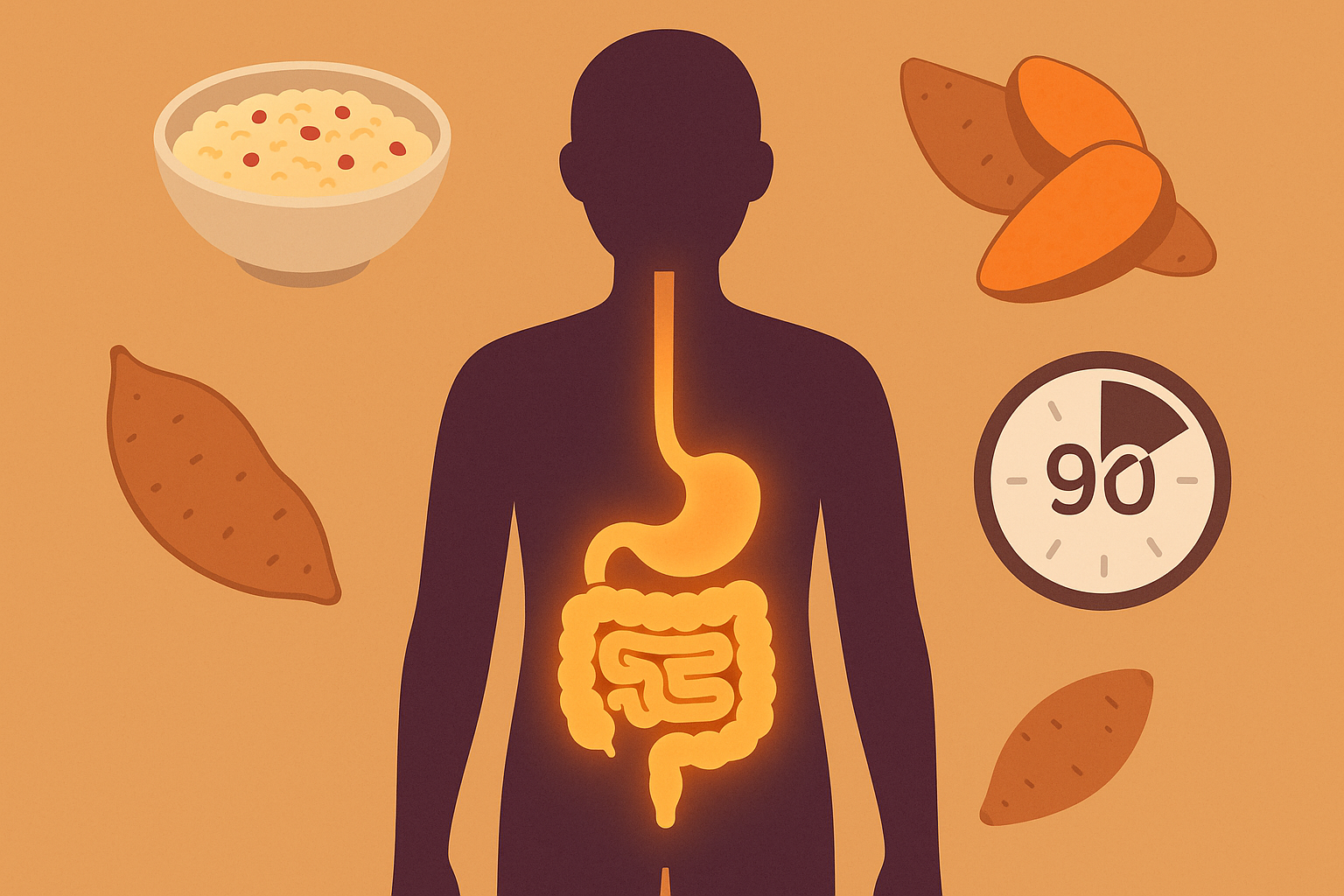
Here’s what most nutrition advice gets wrong: there’s a critical 90-minute window after you wake up when your body handles complex carbohydrates way better than it will later in the day. During this time, your body can actually deal with carbs that would normally spike your blood sugar if you ate them at lunch.
I learned this through trial and error. Eating oatmeal at 7 AM affects me completely differently than eating the same breakfast at 10 AM. That 90-minute window is like having a metabolic superpower – but only if you know how to use it.
The timing of your morning meal becomes even more important when you understand how properly prepared oatmeal can maximize nutrient absorption during this critical window.
Strategic Protein for All-Day Focus
The amino acids you eat during that morning hormone peak directly influence your brain’s production of dopamine and norepinephrine – basically, the chemicals responsible for focus and motivation. When I eat 25-30 grams of quality protein within two hours of waking, my concentration stays sharp for 6-8 hours without that mid-afternoon brain fog.
This isn’t about building muscle. You’re literally programming your brain chemistry for the entire day. When I switched from eating a bagel with cream cheese (8g protein) to having a three-egg omelet with Greek yogurt (30g protein), I could actually pay attention during morning meetings. I could focus for 3-4 hour stretches without feeling mentally drained, whereas before I’d need a coffee break every 90 minutes just to think straight.
Making Your Body Actually Use the Vitamins You Eat
Your liver produces more bile acids in the morning, creating the perfect setup for absorbing vitamins A, D, E, and K. Here’s the catch – you need healthy fats present to make this work.
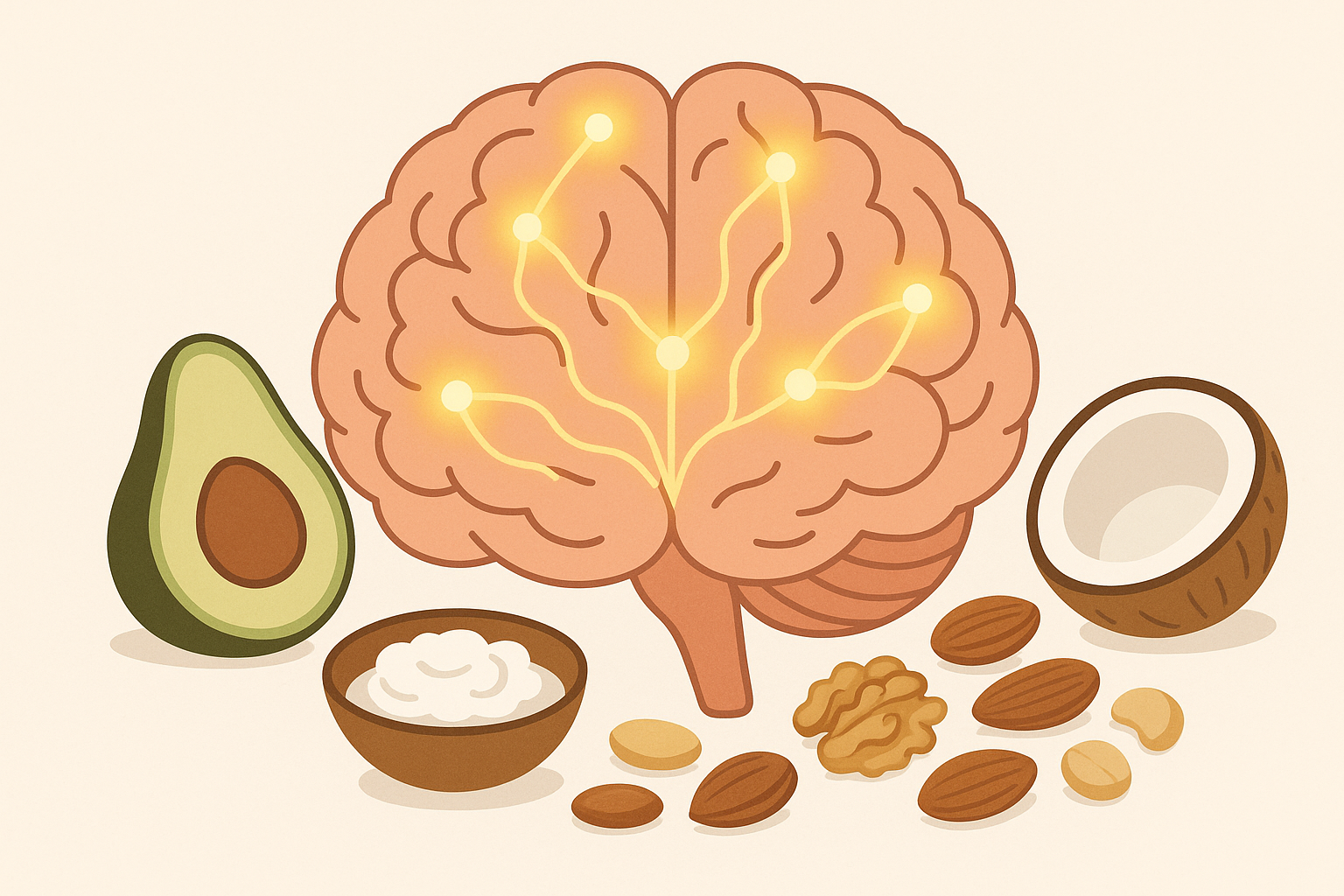
I started adding avocado or nuts to my morning routine because it helps my body actually use the nutrients from everything else I eat throughout the day. Without this morning fat intake, you’re basically wasting the vitamins in your other meals. Your breakfast becomes the key that unlocks vitamin absorption for the entire day.
Eating With the Seasons (Yes, It Actually Matters)
Ever notice how a cold smoothie sounds terrible in January? There’s actually a reason for that. Your body’s light exposure, temperature regulation, and immune function shift throughout the year. Your morning meal should support these natural changes instead of fighting them.
I’ve started adjusting my breakfast based on seasonal patterns, and the difference in energy and mood has been noticeable. This isn’t about following food trends – it’s about working with your biology instead of against it. My winter breakfast looks completely different from my summer approach, and my body responds way better.
Combining Food With Light Therapy
If you’re using light therapy for seasonal depression or sleep issues, your breakfast choices can either boost or undermine these benefits. Certain nutrients help your body respond to light signals, while others can interfere with this process.
I found that combining my morning light exposure with specific foods amplifies the mood and energy benefits of both practices. This becomes particularly helpful during winter months when red light therapy for seasonal depression can be enhanced by smart breakfast timing and nutrient choices.
Temperature Regulation Through Smart Food Choices
Your breakfast should help your body maintain optimal core temperature throughout the day. In winter, warming foods and preparation methods support your metabolism and immune function. Summer calls for cooling foods that prevent overheating and support hydration.
This isn’t about comfort – it’s about reducing the stress your body experiences when fighting environmental temperature extremes. When I eat cooling breakfast foods during hot summer months, I need less air conditioning and feel more energized throughout the day.
| Season | What Works Better | Temperature Effect | Key Nutrients |
|---|---|---|---|
| Winter | Warm oatmeal, cooked eggs, herbal teas | Supports your body’s heating system | B-vitamins, iron, zinc |
| Spring | Light smoothies, fresh berries, sprouted grains | Gentle detox support | Vitamin C, folate, fiber |
| Summer | Cold yogurt parfaits, fresh fruits, iced teas | Cooling and hydrating | Electrolytes, water-rich vitamins |
| Fall | Roasted vegetables, warming spices, nuts | Prep for winter | Vitamin D, healthy fats |
Your Gut Bacteria Have Their Own Schedule
Your gut bacteria operate on their own daily rhythm that directly influences your metabolism, mood, and immune function. These bacteria are most active at certain times of day. Feeding them the right nutrients at the right time can make a real difference in your digestive health and overall well-being.
What I wish someone had told me is that my morning meal essentially sets the tone for my gut bacteria’s entire day. This affects everything from inflammation levels to the production of mood-regulating chemicals. When I started thinking about breakfast as feeding my gut bacteria rather than just feeding myself, my digestion improved and my mood became more stable throughout the day.
This connection between gut health and morning nutrition is why many people find success with drinking vinegars as part of their breakfast routine – these fermented foods support beneficial bacterial populations during their most active morning hours.
The Order of Fiber Intake Actually Matters
Different types of fiber feed different bacterial populations. The sequence in which you eat them determines which bacteria get fed first, creating a domino effect that influences your digestive health for the entire day.
I started paying attention to whether I eat my berries before or after my oats. This simple change actually affected how my stomach feels and how stable my energy remains throughout the morning. Who knew the order mattered more than I ever imagined?

Morning Plant Compounds as Daily Insurance
Eating specific plant compounds in the morning can prep your inflammatory response for the day, providing protection against environmental stressors and processed foods you might encounter later. I think of my morning berries, green tea, or dark chocolate as insurance against the inevitable dietary and environmental challenges that come up during busy days.
These compounds don’t just provide antioxidants – they actually train your cells to handle stress better throughout the day. When I skip my morning plant foods, I notice I’m more sensitive to stress and my energy is less predictable.
Building Your Personal Metabolic Flexibility System
Instead of eating the same breakfast every day, I rotate between different types to teach my body to run on different types of fuel. This trains your body to become metabolically flexible – meaning you can efficiently switch between burning glucose and fat for energy.
The result? More stable energy, fewer cravings, and better long-term metabolic health. It’s like cross-training for your metabolism, and it’s completely changed how I think about breakfast planning. My body no longer panics when I miss a meal or eat something different from my usual routine.
The Fuel-Switching Approach That Made a Real Difference
Rather than sticking to one breakfast formula, I cycle through different macronutrient patterns throughout the week. Some mornings I go high-fat and low-carb, other days I focus on complex carbohydrates, and sometimes I emphasize protein.
This isn’t random – it’s strategic training that teaches your body to efficiently use whatever fuel source is available. The flexibility this creates has eliminated my dependence on frequent meals and constant snacking. I can go hours without thinking about food because my body knows how to access stored energy efficiently.
The growing interest in metabolic flexibility aligns with current food trends, as plant-based meal delivery services like “Sakara are experiencing increased demand” from consumers seeking structured approaches to varied nutrition that support different metabolic states throughout the week.
This approach to metabolic flexibility pairs well with understanding how women can optimize intermittent fasting to work with their natural hormone cycles rather than against them.
High-Fat Days (2-3 Times Per Week)
Some mornings I eat more fat and fewer carbs, and here’s why that helps: it trains your body to efficiently produce and use ketones for sustained mental clarity and appetite control. I typically do this on days when I need deep focus or when I know I’ll have irregular meal timing.
The mental clarity from ketone production is noticeable within a few hours. The appetite suppression means I’m not thinking about food every two hours. My brain feels sharper, and I can tackle complex projects without the usual mid-morning energy dip.
Carb-Loading Recovery Days
After intense training sessions or high-stress periods, glucose-focused breakfasts help replenish energy stores while supporting thyroid function and hormone balance. I time these higher-carb mornings strategically – usually after tough workouts or during particularly demanding work weeks.
Your body actually needs these carbohydrate pulses to maintain healthy hormone levels. When I tried to stay low-carb all the time, my sleep quality suffered and my workout performance tanked. Strategic carb loading through breakfast brought both back.
Protein-Heavy Days
When I time high-protein breakfasts with resistance training, it creates optimal conditions for muscle building while boosting metabolic rate through the extra energy required to digest protein. These breakfasts require more energy to digest and process, which means you’re burning more calories just by eating.
I schedule these on strength training days to maximize the muscle-building benefits. The increased protein also helps with recovery and reduces muscle soreness from previous workouts.
Why Your Friend’s Perfect Breakfast Might Be Terrible for You
Generic healthy eating advice fails because it ignores your unique genetic makeup. Your genes determine how well you metabolize caffeine, process different types of fats, and absorb specific nutrients. Understanding these genetic variations allows for precision breakfast planning that works with your biology instead of against it.
This isn’t about expensive genetic testing – it’s about recognizing patterns in how your body responds to different breakfast options and adjusting accordingly. I started paying attention to how different foods made me feel and perform, then researched the genetic factors that might explain these responses.
This personalized approach has been far more effective than following generic nutrition guidelines. What works for your friend or your favorite health influencer might be completely wrong for your genetic makeup.
Custom Meal Design Based on Your Biology
Understanding how your genes interact with specific nutrients allows for precision breakfast planning that works with your body’s unique biochemical needs. I starte
This personalized approach has been way more effective than following generic nutrition guidelines. Your genes are essentially the instruction manual for how your body processes food – ignoring them is working against your own biology.
Gene Variations and B-Vitamin Requirements
If you’ve ever felt tired despite eating “healthy” breakfasts, you might have a common gene variation that affects how you process B vitamins. Don’t worry – it’s not as scary as it sounds. If you have MTHFR gene mutations (which affect about 40% of people), you need specific forms of folate and B12 in your morning meals to support critical detoxification and brain chemical production.
I learned this after years of feeling tired despite eating what I thought were healthy breakfasts. Adding the right forms of B-vitamins through specific foods made a dramatic difference in my morning energy and mental clarity. Research indicates that people who eat breakfast are more likely to meet their recommended daily intakes of vitamins and minerals than people who don’t, making genetic-based breakfast planning even more important for those with specific nutrient absorption challenges.
Your Fat Processing Blueprint
Your genes determine how well you process saturated fats, requiring personalized approaches to morning fat intake for optimal cardiovascular and brain health. Some people thrive on high-fat breakfasts while others do better with moderate fat intake.
I had to experiment to find my sweet spot, but understanding this genetic factor helped explain why certain breakfast recommendations worked for my friends but not for me. Your genetic blueprint determines whether that butter coffee trend is helping or harming your health.
Programming Your Genes Through Breakfast
Your breakfast choices don’t just affect you today – they influence gene expression patterns that can impact your health for weeks and potentially affect future generations. This concept has completely changed how I view my morning meal.
Your breakfast isn’t just fuel for the day; it’s information that tells your genes how to behave. The nutrients you consume in the morning can turn beneficial genes on and harmful genes off, creating lasting health effects that extend far beyond immediate energy levels.
Stress Response Gene Control
Specific nutrients consumed in the morning can turn stress response genes up or down, providing resilience against daily stressors through nutritional programming. I’ve found that including certain anti-inflammatory foods in my breakfast helps me handle work stress and unexpected challenges much better throughout the day.
Longevity Gene Activation
Morning intermittent fasting combined with targeted nutrient timing can activate longevity pathways, potentially extending healthspan through strategic breakfast timing. This isn’t about extreme restriction – it’s about timing your first meal to activate beneficial genetic pathways that support cellular repair and longevity.
Creating Morning Rituals That Actually Stick
Successful breakfast planning isn’t just about nutrition – it’s about psychology and habit formation. The morning brain state is uniquely primed for creating lasting behavioral change, making breakfast routine design a powerful tool for transforming your entire day.
I’ve found that the habits you build around your morning meal become the foundation for better decision-making in all areas of life. When you start the day with intentional choices, that momentum carries forward into work, relationships, and health decisions throughout the day.
Brain Chemistry and Habit Formation
Your brain produces elevated levels of a growth factor called BDNF in the morning, making this the optimal time for habit formation. I’ve used this biological advantage to create breakfast routines that reinforce healthy choices throughout the day.
The habits you build around your morning meal become automatic responses that require less willpower over time. When healthy breakfast preparation becomes as routine as brushing your teeth, you’ve eliminated the daily decision fatigue that derails most people’s nutrition goals.
Training Your Brain to Want Healthy Choices
Structuring your breakfast preparation and eating to create small reward loops trains your brain to crave healthy choices while building momentum for positive decisions throughout the day. I’ve learned to find genuine pleasure in the process – the smell of coffee brewing, the colors of fresh berries, the satisfaction of a well-prepared meal.
These small rewards program your brain to want to repeat the behavior. I transformed my morning routine by creating what I call “preparation rituals” – grinding coffee beans while my eggs cook, arranging colorful berries in a pattern on my yogurt, or taking a moment to appreciate the steam rising from my oatmeal. These small acts trigger feel-good brain chemicals and make healthy breakfast feel rewarding rather than obligatory.
Mindful Eating Integration
Taking just five minutes to eat without distractions has improved my digestion and helped me recognize true hunger and fullness cues throughout the day. Incorporating mindfulness practices into breakfast consumption enhances satisfaction signals, improves digestion, and creates a positive relationship with food that extends beyond the morning meal.
When I eat breakfast while scrolling my phone or rushing out the door, I feel less satisfied and tend to overeat later. The simple act of paying attention to my food makes the same healthy breakfast more satisfying and nutritionally effective.

Social and Cultural Breakfast Planning
Your breakfast should honor your cultural heritage and social connections while adapting traditional foods to meet modern nutritional needs and lifestyle demands. I’ve found ways to modernize the breakfast foods from my cultural background using current nutritional knowledge, preserving the emotional connection to food while optimizing health outcomes.
The challenge of balancing tradition with health is evident in institutional settings, where “Trinity University students are demanding quality dinners rather than breakfast foods” served at inappropriate times, highlighting the importance of contextually appropriate meal planning that respects both nutrition science and cultural eating patterns.
This cultural approach to morning nutrition aligns with understanding how different preparation methods can improve digestion while maintaining the comfort and familiarity of traditional foods.
Family Meal Planning Strategies
Creating breakfast plans that work for different family members while maintaining social connection requires smart menu design that balances individual needs with shared experience. I’ve developed modular breakfast approaches where everyone can customize their meal from the same base ingredients, making mornings more efficient while respecting individual preferences and needs.
Cultural Food Adaptation Techniques
I’ve learned to adapt family recipes by adjusting preparation methods, adding nutrient-dense ingredients, or modifying ratios while keeping the essential flavors and cultural significance intact. Modernizing traditional breakfast foods from your cultural background preserves emotional connection to food while optimizing health outcomes.
A Simple Week-by-Week Plan That Actually Works
Moving from theory to daily practice requires a systematic approach that makes optimized breakfast planning accessible and efficient. I’ve developed a structured weekly framework that rotates through different metabolic states while maintaining nutritional adequacy and preventing adaptation.
This system requires minimal daily decision-making while maximizing health benefits, making it sustainable for busy lifestyles. The 5-day rotation eliminates the guesswork while ensuring you get the benefits of metabolic flexibility without the complexity of daily meal planning.
The 5-Day Rotation That Actually Works
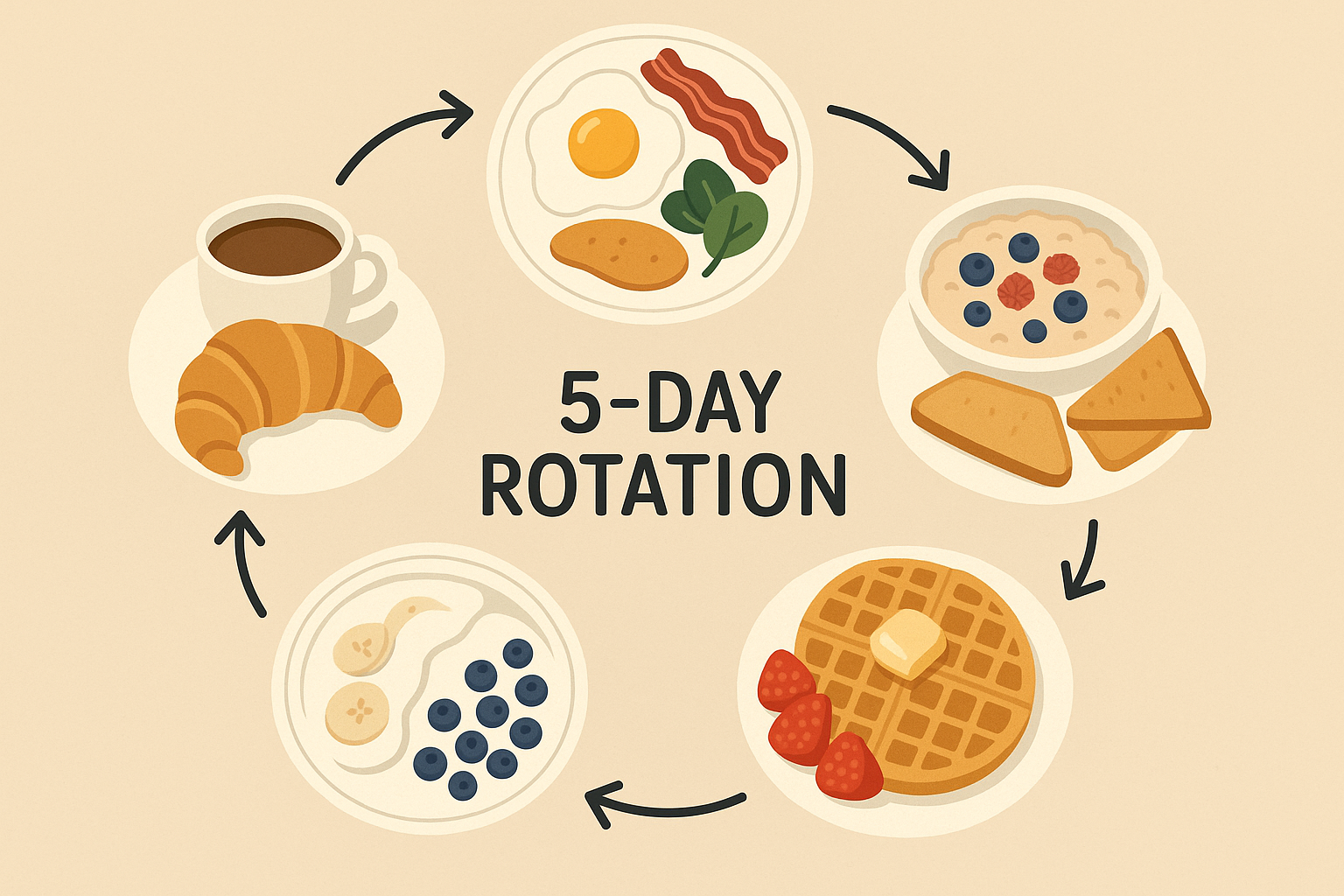
This structured weekly approach rotates through different metabolic states while maintaining nutritional adequacy and preventing metabolic adaptation. Each day serves a specific purpose in supporting your body’s natural rhythms and recovery needs.
I’ve found this 5-day plan eliminates decision fatigue while ensuring I get the benefits of metabolic flexibility without the complexity of daily meal planning. The predictable rotation makes grocery shopping easier and meal prep more efficient.
The 5-day rotation sounds fancy, but honestly? Some weeks I mess it up completely. The point isn’t perfection – it’s having a framework that works most of the time.
Monday: Reset Day
I start each week with a high-fat, moderate-protein breakfast focusing on MCT oils, avocado, and pastured eggs to shift into fat-burning mode after weekend indulgences. This Monday reset helps clear my head for weekly planning while supporting mental clarity.
The transition also helps reset appetite signals that might have gotten disrupted over the weekend. My go-to includes scrambled eggs cooked in coconut oil, half an avocado, and a handful of macadamia nuts. This provides sustained energy without the carb crash that would derail my Monday productivity.
Tuesday-Wednesday: Steady Energy Days
Mid-week stability comes through balanced protein, complex carbohydrates, and healthy fats that support sustained energy and brain chemical production during peak work demands. These days are about consistency and reliability – I need steady energy for meetings, deadlines, and decision-making.
The balanced approach prevents energy crashes while supporting brain function. My go-to options for these days include Greek yogurt with berries and nuts, or steel-cut oats with protein powder and almond butter. These provide steady glucose release while maintaining adequate protein for brain chemical production.
Thursday: Carb Day
Strategic carb loading with nutrient-dense sources helps replenish energy stores and support thyroid function before weekend activities. I time this higher-carb day to prepare for more intense weekend workouts or social activities.
The carbohydrate pulse also supports mood and energy levels heading into the weekend. My Thursday options include sweet potato hash with eggs, or overnight oats with banana and maple syrup. This approach ensures I have adequate energy for weekend physical activities.
Friday: Extended Fasting
An extended fasting window with a nutrient-dense breaking meal activates cellular cleanup processes and prepares the body for more flexible weekend eating patterns. I typically push my first meal later on Fridays, which gives my digestive system a break and creates metabolic flexibility for weekend social eating.
The delayed breakfast also helps me appreciate food more and prevents weekend overconsumption. When I do break my fast, I focus on simple options that are nutrient-dense but easy to prepare. My favorite for breaking a fast includes a protein smoothie with spinach, berries, and collagen powder.
Studies show that people who regularly eat breakfast are less likely to be overweight or obese, making the strategic timing and composition of breaking your fast even more important for long-term metabolic health.
Recipe Templates for Easy Customization
I’ve developed modular breakfast recipes that can be customized based on individual genetic variants, seasonal availability, and daily energy requirements while maintaining consistent preparation methods. This system allows for personalization without requiring completely different cooking skills or ingredient lists for each variation.
The beauty of this approach is that you learn one set of basic techniques but can create dozens of different breakfast combinations. Each recipe template serves as a foundation that you can modify based on your specific needs and preferences.
Base Template Method
Creating foundational recipes with interchangeable components allows for genetic customization without requiring entirely different meal preparation skills or ingredients. I have three basic templates – a protein bowl, a smoothie base, and a grain bowl – that I can modify based on my daily needs and genetic requirements.
This approach simplifies shopping and prep while maintaining variety. Each template takes the same amount of time to prepare, so your morning routine stays consistent even when your breakfast changes.
| Template Type | Base Components | Modifications | Prep Time |
|---|---|---|---|
| Protein Bowl | Eggs, vegetables, healthy fats | Reduce saturated fat, add leafy greens | 8-12 minutes |
| Smoothie Base | Protein powder, liquid, fruits | Plant milk, avoid citrus if sensitive | 3-5 minutes |
| Grain Bowl | Oats/quinoa, nuts, seeds | Quinoa only if gluten sensitive | 10-15 minutes |
Weekend Prep Systems
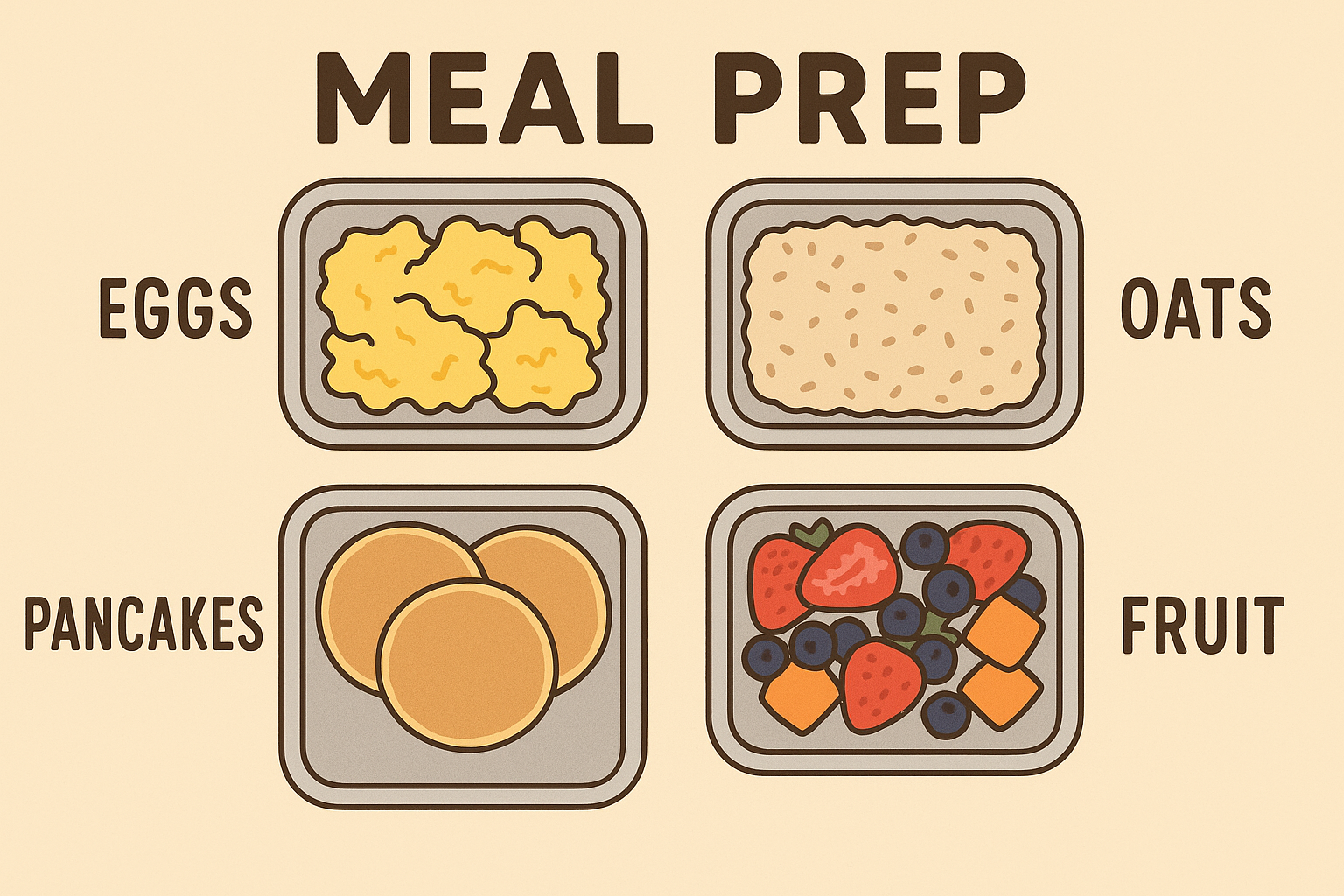
Weekend prep strategies accommodate timing requirements while reducing daily preparation time to under 10 minutes through smart component preparation. I spend about an hour on Sunday preparing proteins, chopping vegetables, and portioning ingredients so my weekday mornings are streamlined.
The key is preparing components that can be mixed and matched rather than complete meals. This approach maintains freshness and customization options while eliminating the time pressure of morning meal prep.
Adaptation for Dietary Restrictions
I’ve developed systematic approaches for modifying core recipes to accommodate common restrictions without compromising nutritional targets. Each base recipe has built-in substitution options, so dietary restrictions don’t require completely different meal planning systems.
When I needed to accommodate a friend’s autoimmune protocol requirements, I adapted my standard egg scramble by replacing nightshade vegetables (tomatoes, peppers) with compliant options (zucchini and spinach), swapping regular salt for sea salt, and using coconut oil instead of butter. The meal maintained the same protein and fat ratios while meeting her specific needs.
Emergency Backup Systems
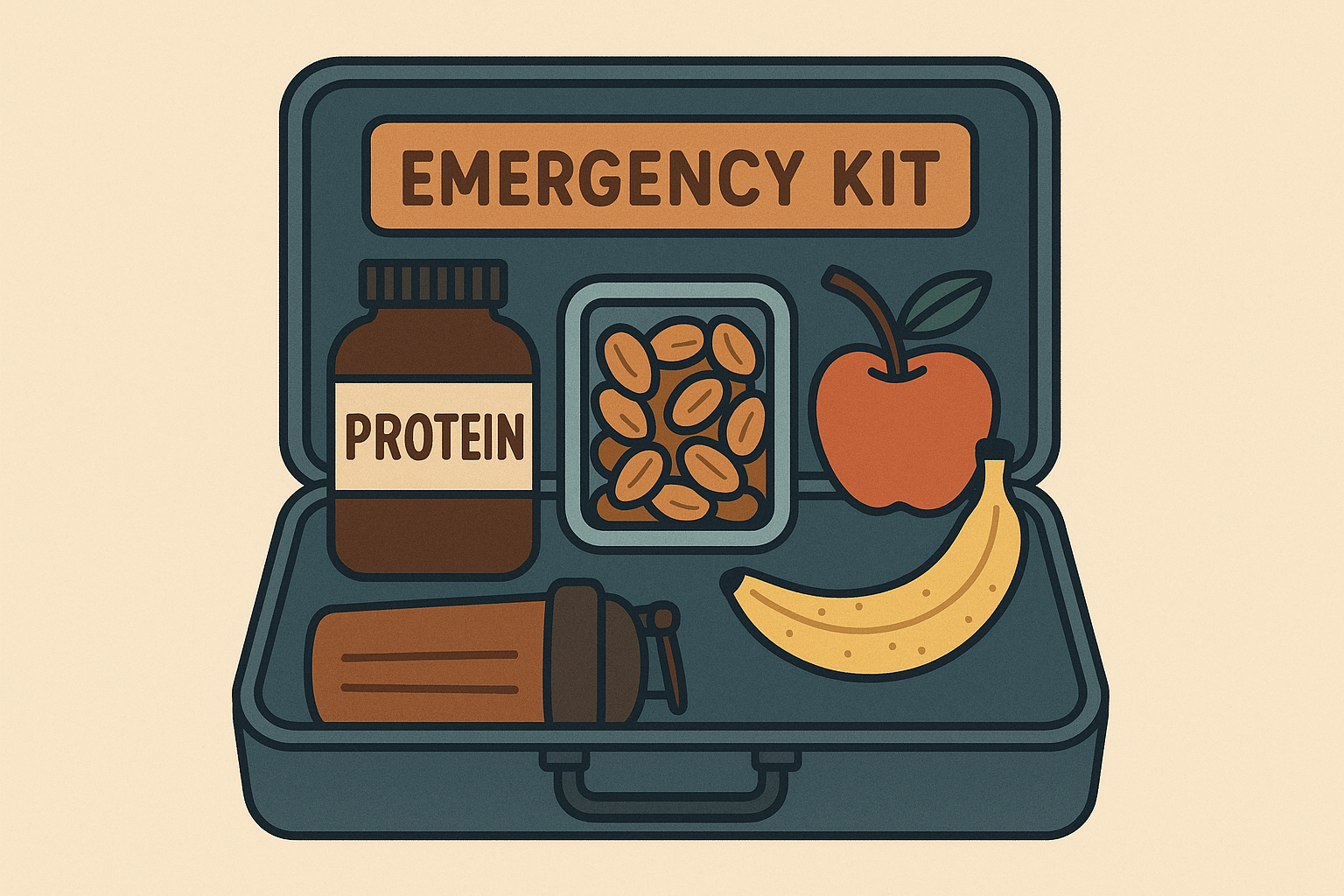
Real talk: some mornings you’re running late. Life happens, and having backup plans prevents you from abandoning your healthy breakfast routine when things get chaotic. Realistic contingency planning for when ideal breakfast preparation isn’t possible maintains metabolic benefits through simplified approaches that require minimal preparation time or equipment.
Travel-Friendly Options
Portable breakfast strategies maintain alignment with your body’s natural rhythms using shelf-stable ingredients and minimal preparation requirements. I’ve identified specific combinations of nuts, seeds, and protein powders that travel well and can be prepared in hotel rooms or offices.
These aren’t perfect solutions, but they’re good enough to maintain momentum. Having a travel breakfast protocol means I don’t have to start over every time I’m away from my kitchen.
Time-Crunch Solutions
Five-minute breakfast options preserve the core principles while using strategic ingredient selection and preparation shortcuts. When I’m running late, I have specific combinations that take less than five minutes but still provide the macronutrient balance and timing my body needs.
These quick options prevent me from skipping breakfast or grabbing something that will derail my energy. Keep these on hand:
- Protein bars that don’t taste like cardboard
- Individual nut butter packets
- A banana
- Whatever gets you fed without stopping at a drive-through
At Organic Authority, we understand that implementing these breakfast strategies requires access to high-quality, organic ingredients that support your body’s natural rhythms. Our carefully curated selection of organic proteins, healthy fats, and nutrient-dense whole foods makes it easier to build your personalized breakfast plan without compromising on quality or effectiveness. Whether you’re looking for organic MCT oil for your high-fat days or sprouted grains for your balanced mornings, we’ve done the research to ensure every product meets our strict standards for purity and pot
At Organic Authority, we understand that implementing these breakfast strategies requires access to high-quality, organic ingredients that support your body’s natural rhythms. Our carefully curated selection of organic proteins, healthy fats, and nutrient-dense whole foods makes it easier to build your personalized breakfast plan without compromising on quality or effectiveness. Whether you’re looking for organic MCT oil for your high-fat days or sprouted grains for your balanced mornings, we’ve done the research to ensure every product meets our strict standards for purity and potency.
Final Thoughts
Look, breakfast doesn’t have to be complicated. Start with one small change and see how you feel. Maybe that’s eating an actual breakfast instead of just coffee, or adding some protein to what you’re already eating. Small changes add up.
Transforming your breakfast from a rushed afterthought into something that actually supports your health takes time and experimentation, but the payoff in energy, focus, and long-term health is worth the effort. I’ve learned that there’s no perfect breakfast that works for everyone – your genetics, lifestyle, and individual biology all play crucial roles in determining what will work best for you.
The most important thing is to start paying attention to how different foods and timing patterns affect your energy, mood, and performance throughout the day. Keep a simple food and energy journal for a week or two, noting what you eat for breakfast and how you feel at different points during the day. These patterns will guide you toward your optimal breakfast strategy better than any generic nutrition advice.
Remember that teaching your body to run on different types of fuel takes time to develop. Don’t expect to feel amazing immediately when you start cycling between different breakfast types – your body needs time to adapt and become efficient at switching between fuel sources. Be patient with the process and focus on consistency rather than perfection.
Some weeks I nail this routine. Other weeks I eat cereal for dinner and call it breakfast the next morning. The goal isn’t to be perfect – it’s to have more good days than bad ones.
Your breakfast plan should evolve with your life circumstances, seasonal changes, and health goals. What works during a stressful work period might need adjustment during vacation or training for a marathon. Stay flexible and keep experimenting to find what serves your body best in each season of life.