
Lazy Keto Meal Plan Psychology: Why Your Brain Craves This Effortless Approach More Than Strict Tracking


Here’s what I wish someone had told me when I started lazy keto – it’s not just another diet, it’s basically teaching your brain to chill out about food. While everyone’s obsessing over macro calculators and food scales, I discovered something way simpler that actually works. And honestly, it’s changed everything I thought I knew about sustainable weight loss.
I’ll be honest – the first week sucked. I was cranky and kept opening the fridge looking for something I couldn’t eat. But somewhere around day 10, something clicked, and now I can’t imagine going back to the constant mental math that traditional dieting requires.
Recent research shows that traditional keto requires carefully tracking macro intake to ensure you get 60-70% of your calories from fat, 20-30% from protein, and 5-10% from carbs, but lazy keto simplifies this by focusing primarily on keeping carbs between 20-50 grams daily without obsessing over other macros.
According to BetterMe’s lazy keto research, those following lazy keto typically aim to consume 20 to 50 grams of net carbs per day while maintaining a macronutrient ratio of approximately 70% calories from fat, 25% from protein, and 5% from carbs, making it significantly more manageable than traditional keto’s strict tracking requirements.
Understanding the fundamentals of finding your carb tolerance with the keto diet provides the scientific foundation for why this psychological approach works so effectively.
Table of Contents
- The Neurochemical Shift: How Lazy Keto Rewires Your Food Relationship
- The Micronutrient Paradox: Why Less Tracking Leads to Better Nutrition
- The Metabolic Flexibility Training Ground
- The Long-Term Sustainability Science
TL;DR
- Lazy keto works with your brain’s natural systems instead of fighting against them through willpower
- Simple food choices actually feel better than complex meal planning (which just stresses you out)
- You’ll naturally get more nutrients because your body can actually absorb them when you eat fat with your food
- Social eating becomes manageable through simple strategies that don’t make you the weird diet person
- Your body gets good at burning whatever fuel you give it – carbs or fat
- Building habits around things you already do creates lasting change without relying on motivation
The Neurochemical Shift: How Lazy Keto Rewires Your Food Relationship
If you’re tired of calculating macros like you’re doing your taxes, I get it. Maybe you’ve tried keto before and felt like you needed a PhD in nutrition just to eat lunch. Here’s the thing – lazy keto works because it stops making your brain fight against the process.
I used to spend hours calculating macros and weighing portions, which created this constant mental burden that made eating feel more like a math problem than nourishment. The stress alone was probably blocking my progress. Some days I still mess up. Last Tuesday I stress-ate half a sleeve of crackers during a work deadline, and you know what? I survived.
When you follow a ketogenic diet meal plan without the obsessive tracking, your brain stops treating every meal like a test you might fail. The keto diet food list becomes intuitive rather than restrictive when you focus on how the food makes you feel instead of hitting perfect numbers.
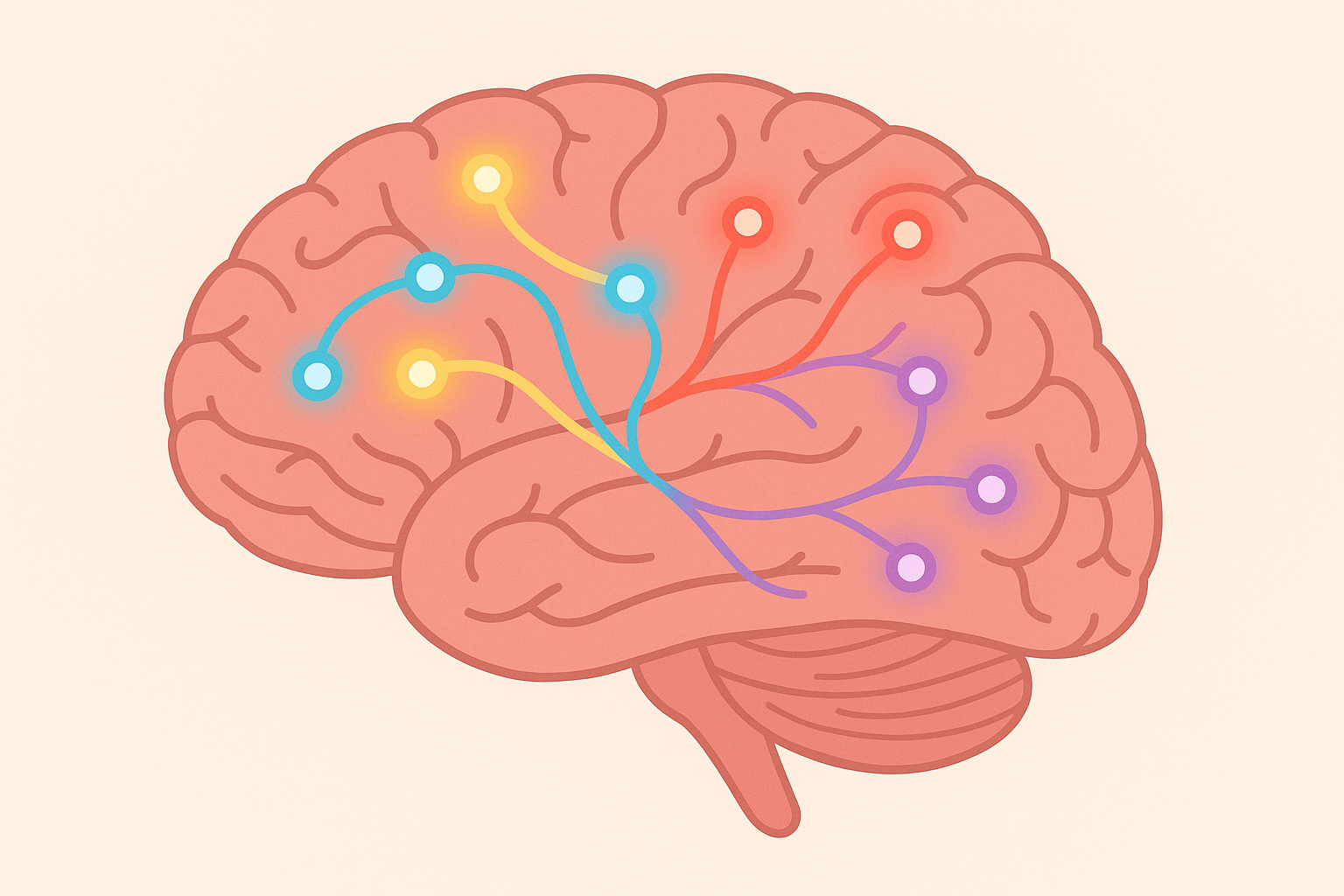
How Your Brain Starts Working With You Instead of Against You
Your brain’s reward system and blood sugar stability create this incredible environment that lazy keto exploits perfectly. I never understood why some people could stick to keto long-term while others burned out after weeks until I realized it’s not about discipline – it’s about working with your brain instead of constantly fighting it.
Recent insights from “Woman’s World” reveal that lazy keto’s effectiveness stems from its ability to heal an overworked pancreas by naturally reducing blood-sugar production, with Dr. Ken Berry noting that “once you replace foods high in carbs with foods high in natural fat and protein, your body stops burning blood sugar as its main fuel and starts burning fat instead.”
This shift happens gradually with a keto diet meal plan that doesn’t overwhelm your system. I noticed my energy became more stable, my mood improved, and those afternoon crashes disappeared completely. The beauty is that you don’t need to understand the science for it to work – your body handles the complex stuff while you focus on simple food choices.
From Carb Cravings to Carb Indifference
Traditional keto creates this brutal battle between willpower and cravings that honestly exhausts most people within the first month. But lazy keto? It allows your brain to naturally lose interest in high-carb foods without the white-knuckle approach.
I’ve experienced this shift myself – around day 12, carbs went from “must have” to “meh, whatever.” One day you’re desperately avoiding the bakery section, and the next week you’re genuinely uninterested in those same foods that used to call your name. This isn’t willpower – it’s your brain chemistry rebalancing itself.
What actually worked for me:
- Track only your carb intake for the first two weeks (ignore calories and other macros)
- Notice when carb cravings shift from urgent to optional (typically days 10-14)
- Pay attention to how different foods make you feel instead of obsessing over numbers
Sarah, a busy marketing executive, struggled with traditional keto’s strict tracking for months. When she switched to lazy keto, she simply focused on keeping her daily carbs under 30 grams by swapping her morning bagel for scrambled eggs with avocado, her lunch sandwich for a lettuce-wrapped burger, and her pasta dinner for zucchini noodles with meat sauce. Within two weeks, she stopped craving her afternoon cookie break entirely. Not because she had superhuman willpower, but because her brain just stopped asking for it.
This natural progression mirrors what experts recommend when they suggest how women should approach intermittent fasting, allowing the body to adapt gradually rather than forcing dramatic changes. The lazy keto meal plan works because it respects your body’s adaptation timeline instead of demanding perfection from day one.
Why Simple Food Choices Actually Feel Better
Complex meal planning actually triggers stress hormones that can block your progress – something I learned the hard way after spending hours creating elaborate meal prep schedules that left me feeling overwhelmed before I even started cooking.
I used to have spreadsheets with color-coded meal plans and shopping lists that took longer to create than the actual cooking. The irony? My most successful keto periods happened when I simplified everything down to basic proteins, vegetables, and healthy fats. No fancy recipes, no complicated timing – just real food prepared simply.
My lazy person’s approach:
- Create a “go-to” list of 5-7 meals you can rotate without thinking
- Batch prep proteins and low-carb vegetables on Sundays (or whenever you have time)
- Keep emergency keto snacks visible and processed carbs out of your immediate line of sight
| Complexity Level | How Stressed I Felt | Success Rate | Could I Stick With It? |
|---|---|---|---|
| High (strict tracking) | Constantly anxious | Started strong, crashed fast | Nope |
| Medium (moderate tracking) | Moderately stressed | Pretty good for a while | Sometimes |
| Low (lazy keto approach) | Actually relaxed | Consistently good | Yes, for 2+ years |
The data from my own experience speaks for itself. When you remove the complexity, you actually succeed more often. This ketogenic diet meal plan approach works because it eliminates decision fatigue and reduces the mental energy required to maintain the lifestyle. Your brain can focus on enjoying the food rather than calculating every bite.
Having a solid keto food list memorized becomes second nature when you’re not overwhelmed by tracking requirements. I can now walk through any grocery store and instinctively know what fits my eating pattern without consulting apps or lists. It just becomes how you think about food.

Social Eating Without Being the Weird Diet Person
The hidden challenge of lazy keto isn’t food choices – it’s maintaining your eating pattern while navigating social situations without appearing restrictive or drawing unwanted attention. I’ve developed strategies that allow me to stick with keto during dinner parties, work events, and family gatherings without anyone even noticing I’m eating differently.
Social pressure can derail even the most committed person. I’ve seen people abandon their keto diet meal plan entirely because they felt awkward at restaurants or family dinners. The key is learning to blend in while staying true to your goals.
The “Keto Camouflage” Strategy
Learning to make keto-friendly choices that appear completely normal to others eliminates social pressure while maintaining your eating pattern. This has been a game-changer for me – no more awkward explanations about why I’m not eating the bread basket or defending my food choices to well-meaning relatives.
The art of keto camouflage involves ordering strategically and eating confidently. When I order a burger without the bun and extra vegetables, most people assume I’m just being health-conscious. When I skip the rice and double up on the stir-fry vegetables, it looks like a normal preference rather than a dietary restriction.
What actually works in real life:
- Master the art of “deconstructing” meals (burger without bun, taco bowl without shell)
- Look up restaurant menus beforehand to identify naturally keto options
- Have a few polite responses ready for food pushers (“I’m good, thanks!” works surprisingly well)
According to “Diet Doctor’s” latest breakfast recommendations, the key to maintaining keto in social situations is “stocking your refrigerator or pantry with a variety of staple breakfast ingredients” such as eggs, bacon, avocado, and cheese, which are commonly available and socially acceptable foods that don’t draw attention to your dietary choices.
Most restaurants have plenty of options that fit perfectly into a keto diet food list without requiring special modifications. Grilled meats, salads with olive oil dressing, and vegetable sides are universally available and don’t raise eyebrows.
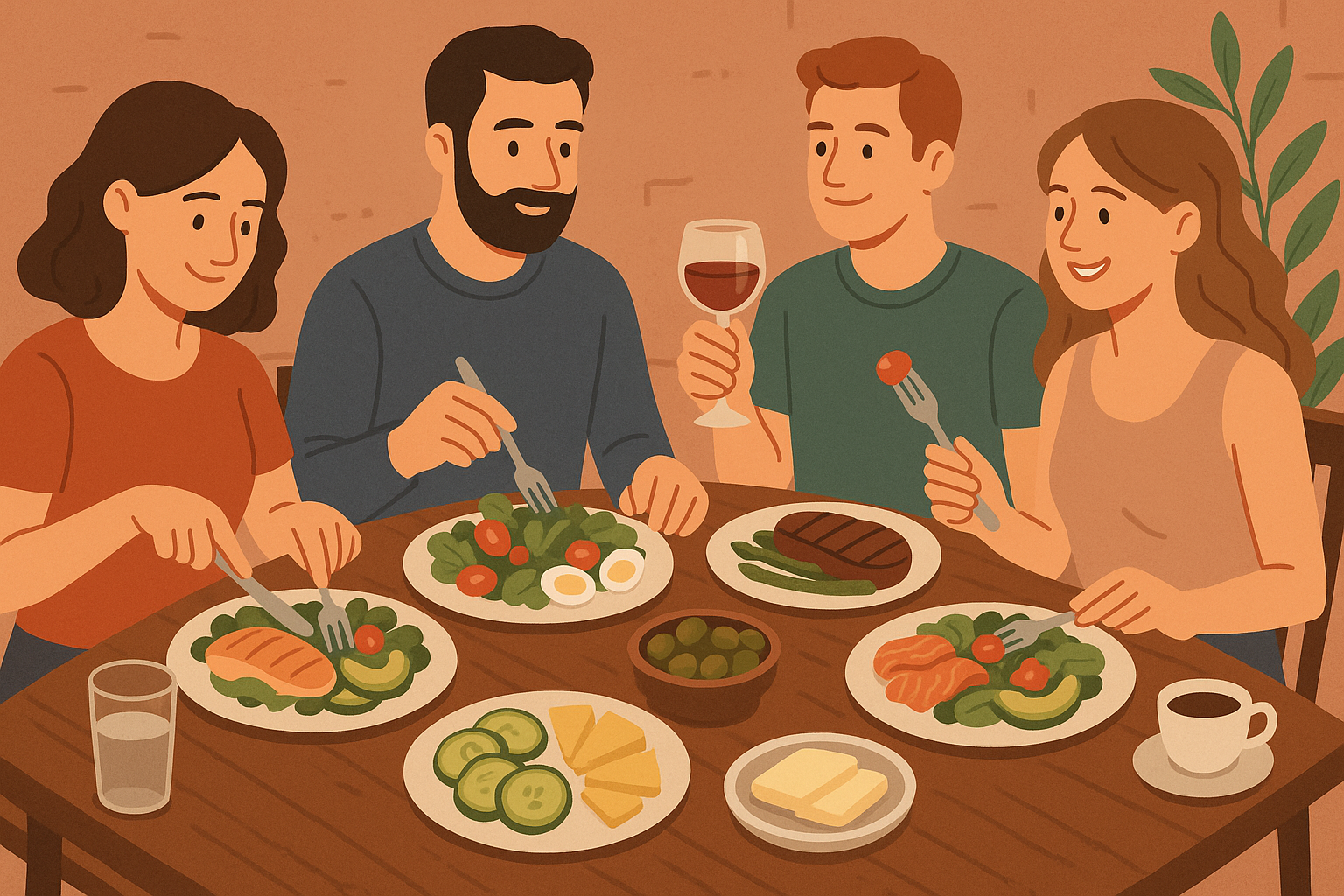
Flexible Eating Windows That Work With Your Life
Unlike rigid intermittent fasting schedules that make you a prisoner to the clock, lazy keto allows you to adjust eating windows based on social commitments while still maintaining your eating pattern. I’ve found this flexibility crucial for maintaining relationships and enjoying life.
Some days I eat breakfast at 7 AM because I have an early meeting with coffee and conversation. Other days I skip breakfast entirely because I’m sleeping in on weekends. The beauty of being adapted to burning fat is that your body can handle these variations without the energy crashes that used to plague me.
How I make it work:
- Pay attention to your natural hunger patterns over a week
- Have 2-3 different eating window options that fit your schedule
- Match eating windows to your weekly social calendar instead of forcing your life around food timing
This flexibility makes the lazy keto diet meal plan sustainable for real life. You’re not constantly checking the clock or declining social invitations because they don’t fit your eating schedule.
What to Do When You Eat Pizza at Your Kid’s Birthday Party
Lazy keto includes built-in strategies for when social eating temporarily kicks you out of your usual pattern. Instead of the all-or-nothing mentality that derails most diets, this approach focuses on quick recovery rather than perfection. I’ve used these strategies countless times after wedding receptions and holiday dinners.
The guilt and shame that usually follow dietary “slip-ups” are completely absent when you have a plan for getting back on track. I don’t spiral into days of poor choices because I know exactly how to reset quickly and efficiently.
My 24-hour reset protocol:
- Start the next day with higher fat intake and some light movement
- Don’t restrict calories or punish yourself – just get back to your normal pattern
- Pay attention to how your body responds instead of beating yourself up
Mike attended his daughter’s graduation party and enjoyed cake and pizza with family. Instead of abandoning his lazy keto approach, he implemented his reset protocol the next day: started with bulletproof coffee, had a large salad with grilled chicken and avocado for lunch, took a 30-minute walk, and prepared salmon with asparagus for dinner. He was back to feeling normal within 36 hours without guilt or stress.
Having these recovery strategies removes the fear of social eating that keeps many people isolated from friends and family. You can participate fully in life’s celebrations while maintaining your health goals. The ketogenic diet meal plan becomes a tool for living better, not a restriction that limits your experiences.
The Micronutrient Paradox: Why Less Tracking Leads to Better Nutrition
Look, this is going to sound backwards, but hear me out. I used to be that person with nutrition apps on my phone, tracking every vitamin and mineral like I was running a lab experiment. My kitchen counter looked like a supplement store exploded on it.
Then something weird happened when I switched to lazy keto – my blood work got better. My doctor actually asked what expensive supplements I’d started taking. Plot twist: I’d stopped taking most of them.
Here’s the thing nobody talks about – when you’re eating real food instead of processed junk, your body actually knows what to do with the nutrients. Revolutionary concept, right? The foods on a basic keto list – eggs, spinach, avocados, salmon – these aren’t just low-carb. They’re nutritional powerhouses that our great-grandmothers would actually recognize as food.
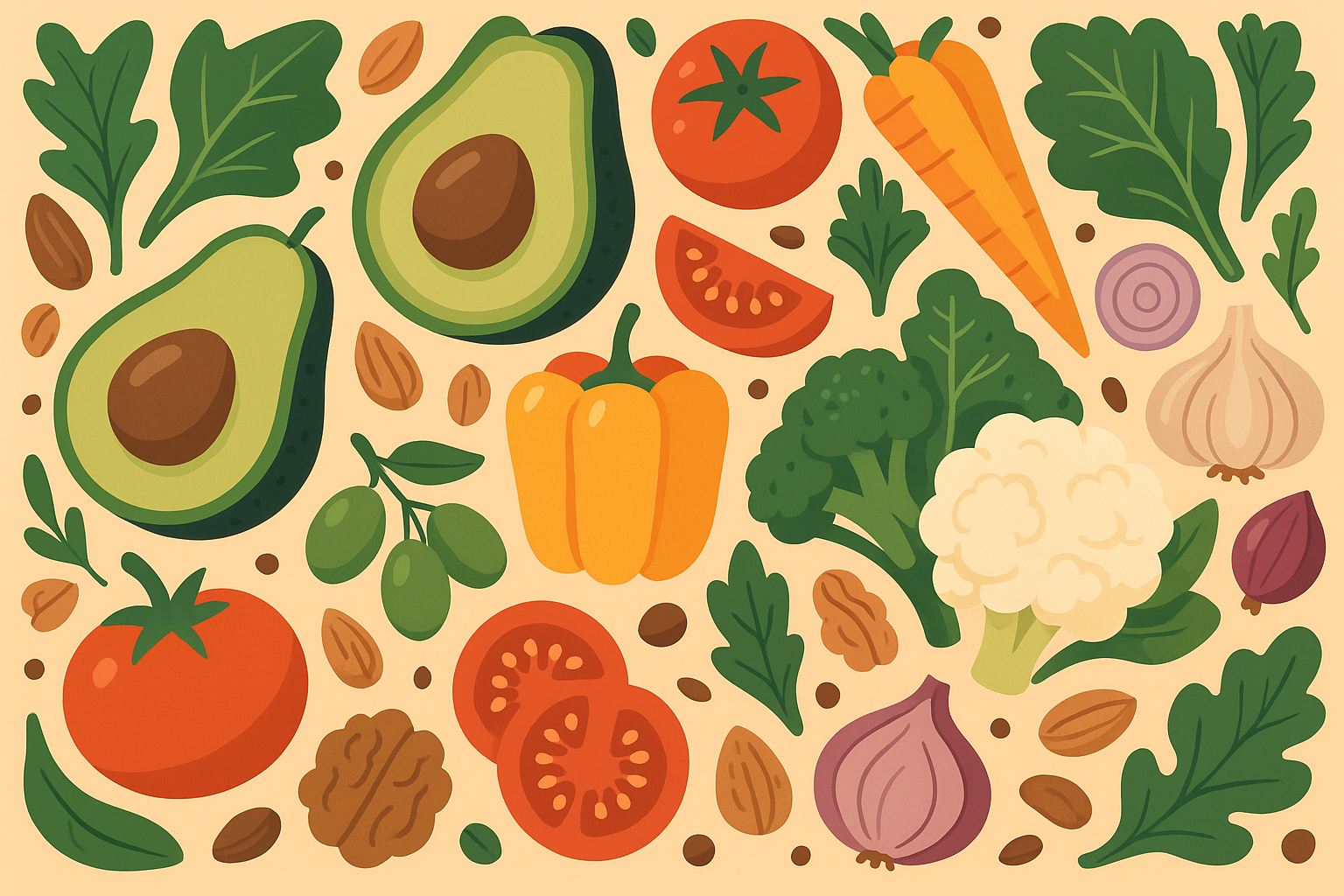
Why Your Body Absorbs Nutrients Better (Without You Trying)
Remember learning about fat-soluble vitamins in health class? Yeah, me neither. But apparently vitamins A, D, E, and K need fat to get absorbed properly. Who knew that eating fat with your vegetables wasn’t just tasty – it was actually helping your body use those nutrients?
I used to eat sad, dry salads with fat-free dressing, wondering why I felt tired all the time despite “eating healthy.” Turns out, I was basically flushing money and nutrients down the toilet because my body couldn’t absorb them without fat.
Now I drizzle olive oil on everything like it’s my job. My skin cleared up, my energy improved, and I stopped getting sick every time someone sneezed near me. Coincidence? I think not.
This principle aligns with recommendations for improving digestion naturally, where combining the right foods enhances nutrient absorption and reduces digestive stress.
The Magic of Food Pairing
The high-fat nature of lazy keto automatically optimizes absorption of vitamins A, D, E, and K. I’ve seen this correct deficiencies that persisted despite supplementation when I was eating low-fat. Your body finally gets what it needs because you’re providing the delivery system these vitamins require.
My skin improved, my energy stabilized, and my immune system strengthened once I started eating adequate fat with every meal. These weren’t changes I was tracking or expecting – they just happened naturally as my body began absorbing nutrients more efficiently.
What actually works:
- Put real butter on your vegetables (your mom was right)
- Eat your carrots with some nuts or cheese
- Stop buying “low-fat” anything – it’s usually high-sugar garbage anyway
Research from BetterMe’s nutrition analysis shows that lazy keto’s emphasis on whole foods naturally provides essential nutrients, with studies indicating that some keto approaches may help reduce HbA1c levels, improve insulin sensitivity, and decrease the risk of metabolic syndrome when followed consistently.
The keto food list becomes a roadmap for nutrient density rather than a restriction. Every food choice supports multiple health goals simultaneously, which is incredibly efficient compared to the supplement-heavy approach I used to follow.
The Accidental Anti-Inflammatory Diet
Here’s something I didn’t expect – my knee pain disappeared. Not immediately, but sometime around month two, I realized I wasn’t popping ibuprofen after every workout. My physical therapist was confused because I’d been dealing with chronic inflammation for years.
Turns out, when you stop eating processed foods loaded with inflammatory vegetable oils and sugar, your body can actually heal itself. Wild concept, I know.
I’m not saying keto cures everything – I’m not a doctor, and I don’t play one on the internet. But removing the foods that were constantly triggering inflammation gave my body a chance to chill out and repair itself.
Foods that stopped making me feel like garbage:
- Anything with vegetable oil (which is basically everything packaged)
- Sugar in all its sneaky forms
- Bread that could survive a nuclear apocalypse
Foods that actually made me feel human:
- Fish (even the frozen kind from Costco)
- Leafy greens (yes, even the pre-washed bags)
- Nuts that don’t come in flavored dust form
Your Body Gets Smart About What It Needs
Lazy keto’s natural reduction in processed foods automatically reduces sodium while increasing potassium and magnesium intake. I stopped needing my evening magnesium supplement after three months because my food choices naturally provided what my body needed. This often resolves electrolyte imbalances without conscious supplementation.
Processed foods are loaded with sodium and stripped of other essential minerals, creating imbalances that require constant correction through supplements. When you eliminate these foods and focus on whole food sources, your mineral intake naturally balances itself.
Your body develops the ability to signal specific mineral needs through cravings and energy levels, but only when processed foods aren’t interfering with these natural signals. I can now tell the difference between actual hunger and needing electrolytes – a skill I never had when eating processed foods regularly.
How to tune into your body’s signals:
- Keep pink Himalayan salt, magnesium, and potassium supplements available but use based on how you feel, not a schedule
- Learn to distinguish between true hunger and electrolyte needs
- Track energy levels and sleep quality as indicators of mineral balance
| Electrolyte | Natural Keto Sources | Daily Target | What It Feels Like When You Need It |
|---|---|---|---|
| Sodium | Pink Himalayan salt, bone broth | 2,300-3,000mg | Fatigue, headaches, muscle cramps |
| Potassium | Avocado, spinach, salmon | 3,500-4,700mg | Weakness, irregular heartbeat |
| Magnesium | Almonds, dark chocolate, spinach | 300-400mg | Poor sleep, muscle twitches |
| Calcium | Cheese, sardines, broccoli | 1,000-1,200mg | Bone weakness, dental issues |
The keto diet list naturally includes foods rich in these essential minerals. You don’t need to memorize numbers or calculate intake when your food choices automatically provide what your body requires.

The Metabolic Flexibility Training Ground
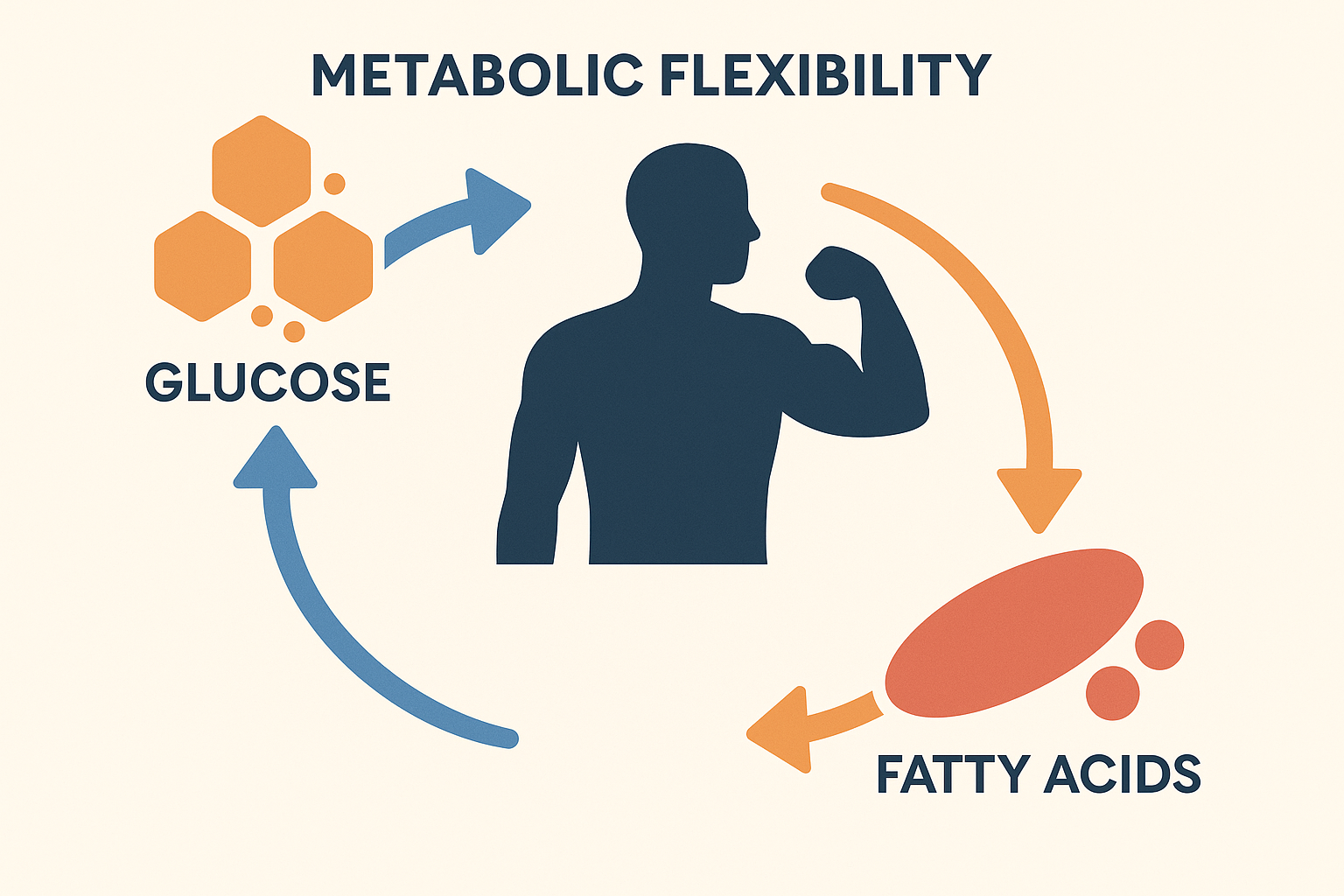
Okay, “metabolic flexibility” sounds fancy, but it’s really just your body getting good at using whatever fuel you give it. Think of it like being bilingual, but for energy.
Before keto, I was like someone who only spoke one language – sugar. My body was constantly demanding its next glucose hit, and if I didn’t deliver on schedule, I’d get hangry, shaky, and generally unpleasant to be around. My coworkers can confirm this.
Now? I can go hours without eating and still function like a normal human being. I don’t carry emergency granola bars in my purse anymore. I don’t panic if I’m stuck in traffic during “lunch time.” It’s honestly liberating.
The lazy keto meal plan gradually restores this natural metabolic capability without the harsh adaptation period that strict protocols often create. Your body becomes incredibly efficient at using whatever fuel source is available, whether that’s dietary fat, stored body fat, or occasional carbohydrates from social situations.
Exercise Without Constantly Fueling
Remember those people who bring sports drinks to yoga class? Yeah, that was me. I thought I needed constant fuel for any physical activity lasting longer than 20 minutes.
The first month of keto, my workouts sucked. I’m not going to lie and say it was seamless. I felt sluggish, my lifting suffered, and I questioned all my life choices. But somewhere around week 6, something clicked.
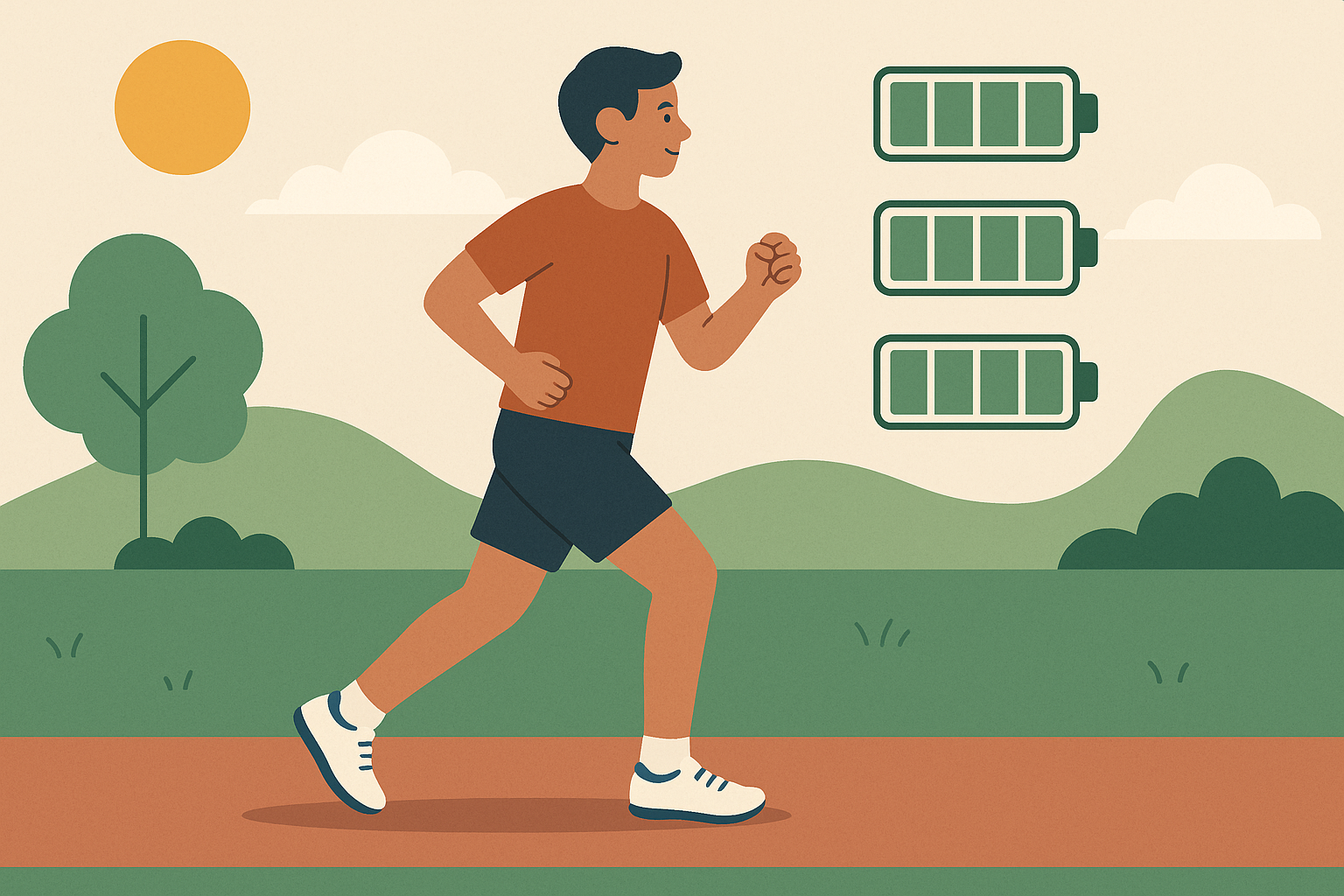
I went on a 3-hour hike without snacks and felt amazing the entire time. Before keto, I would have needed at least two energy bars and probably would have bonked halfway through.
This improvement in exercise capacity is similar to what happens when people implement cellular autophagy activation techniques, where the body becomes more efficient at using stored energy sources.
How Your Body Gets Better at Using Fat for Fuel
The gradual nature of lazy keto allows your body to become fat-adapted without the severe performance drops associated with strict keto transitions. I actually improved certain types of athletic performance, particularly endurance activities, once I became fully fat-adapted around the three-month mark.
Fat adaptation transforms your relationship with exercise completely. Instead of needing constant fueling and experiencing energy dips, your body taps into its vast fat stores for sustained energy. This is particularly noticeable during longer activities where carb-dependent athletes hit the wall.
What changed for me:
- Morning runs became energizing instead of torturous
- I stopped needing pre-workout supplements
- Recovery between workouts got faster (less muscle soreness)
- I could actually think clearly during longer activities
Reality check: High-intensity stuff still requires some adjustment. I’m not going to PR my deadlift while adapting to fat-burning. But for everyday activities and moderate exercise? Game changer.
How to work with your body during adaptation:
- Focus on Zone 2 cardio (able to hold a conversation) during your first month
- Track how your perceived exertion changes for the same activities over time
- Experiment with fasted training sessions as fat adaptation improves
My morning runs transformed from sluggish, difficult sessions to energizing, effortless experiences. The difference in how exercise feels when you’re fat-adapted versus carb-dependent is remarkable. The keto diet meal plan supports this adaptation by providing consistent fuel availability.
Better Sleep (Finally)
This might be the best unexpected benefit. I used to wake up multiple times per night, usually around 2-3 AM, wide awake and anxious. I blamed stress, caffeine, getting older – everything except my blood sugar roller coaster.
Stable blood sugar = stable sleep. It’s that simple. No more 3 AM anxiety spirals about work deadlines or whether I remembered to pay the electric bill. My brain finally learned how to stay asleep.
My Fitbit sleep score went from “you’re basically a zombie” to “decent human being” without changing anything else about my routine.
Recovery happens during sleep, and stable blood sugar throughout the night allows for deeper, more restorative sleep cycles. When you’re not waking up from blood sugar crashes or dealing with inflammation from processed foods, your body can focus entirely on repair and regeneration.
What to pay attention to:
- Monitor sleep quality using a wearable device or sleep diary
- Notice how different foods affect your sleep patterns
- Track how you feel the morning after eating different types of meals
Stress Response Gets Way Better
Lazy keto’s emphasis on blood sugar stability naturally improves your stress response system, making you more resilient to both physical and psychological stressors. I handle work deadlines and family drama with a calmness that surprises even me – my emotional reactivity has decreased significantly.
Blood sugar swings create artificial stress responses that compound real stressors in your life. When your blood sugar remains stable throughout the day, your nervous system can respond appropriately to actual threats rather than overreacting to normal daily challenges.
No More Afternoon Crashes
Stable blood sugar throughout the day helps normalize cortisol patterns, improving energy consistency and reducing afternoon crashes. I no longer experience that 3 PM energy crash that used to send me searching for caffeine or sugar. My energy stays consistent from morning until evening.
Cortisol should naturally peak in the morning and gradually decline throughout the day. Blood sugar spikes and crashes disrupt this natural rhythm, leading to energy inconsistencies and sleep problems. The ketogenic diet meal plan supports healthy cortisol patterns by eliminating these disruptive blood sugar swings.
How to work with your natural rhythms:
- Pay attention to your natural energy patterns and schedule demanding tasks accordingly
- Notice how different foods affect your energy throughout the day
- Practice stress-reduction techniques during your highest-energy periods to build resilience
Jennifer, a high-stress attorney, noticed her afternoon energy crashes disappeared after three weeks on lazy keto. Previously, she’d reach for sugary snacks around 3 PM and feel mentally foggy during important client calls. Now, her energy remains stable from her 7 AM coffee through her 7 PM commute, allowing her to maintain sharp focus during crucial negotiations without relying on caffeine or sugar fixes.
The lazy keto diet meal plan provides the metabolic stability that allows your natural stress response systems to function optimally. You become more resilient to stress while requiring less recovery time between challenging situations.
The Long-Term Sustainability Science
Let’s be real – most diets fail because they require you to become a completely different person overnight. Lazy keto works because it meets you where you are.
I didn’t throw out everything in my kitchen and start over. I gradually swapped things out. Cauliflower rice instead of regular rice. Lettuce wraps instead of tortillas. Zucchini noodles when I was feeling ambitious (which wasn’t often).
Two years later, these swaps don’t feel like compromises anymore. They’re just what I eat. I don’t miss bread every day or fantasize about pasta. That shift happened so gradually I barely noticed it.
According to It’s Skinny’s meal planning research, the biggest secret to keto success is avoiding deprivation, as “feeling deprived is the biggest drawback to any diet” and sustainable approaches focus on finding swaps for favorite treats rather than complete elimination.
The sustainability aspect is crucial, which is why understanding intuitive eating principles can complement a lazy keto approach for long-term success. The ketogenic diet plan becomes a framework for making choices rather than a rigid set of rules to follow.
Building Habits That Actually Stick
The secret sauce isn’t willpower – it’s making keto choices the easy choice. I keep hard-boiled eggs in my fridge because they’re faster than cereal when I’m rushing out the door. I buy pre-cut vegetables because I know I won’t cut them myself after a long day.
Lazy keto works because it integrates with existing habits rather than requiring complete lifestyle overhauls. This makes it more likely to become a permanent way of eating. I built my entire approach around habits I already had, which eliminated the friction that usually derails diet attempts.
My lazy person’s keto setup:
- Rotisserie chicken from the grocery store (no shame)
- Pre-washed salad mixes
- Avocados at various stages of ripeness
- Cheese sticks for emergencies
- Nuts in single-serving containers (because portion control is real)
Building new habits is exponentially easier when you attach them to established routines. Instead of creating entirely new meal patterns, I modified existing ones by swapping ingredients and adjusting portions. This felt natural rather than disruptive.
The Power of Habit Stacking
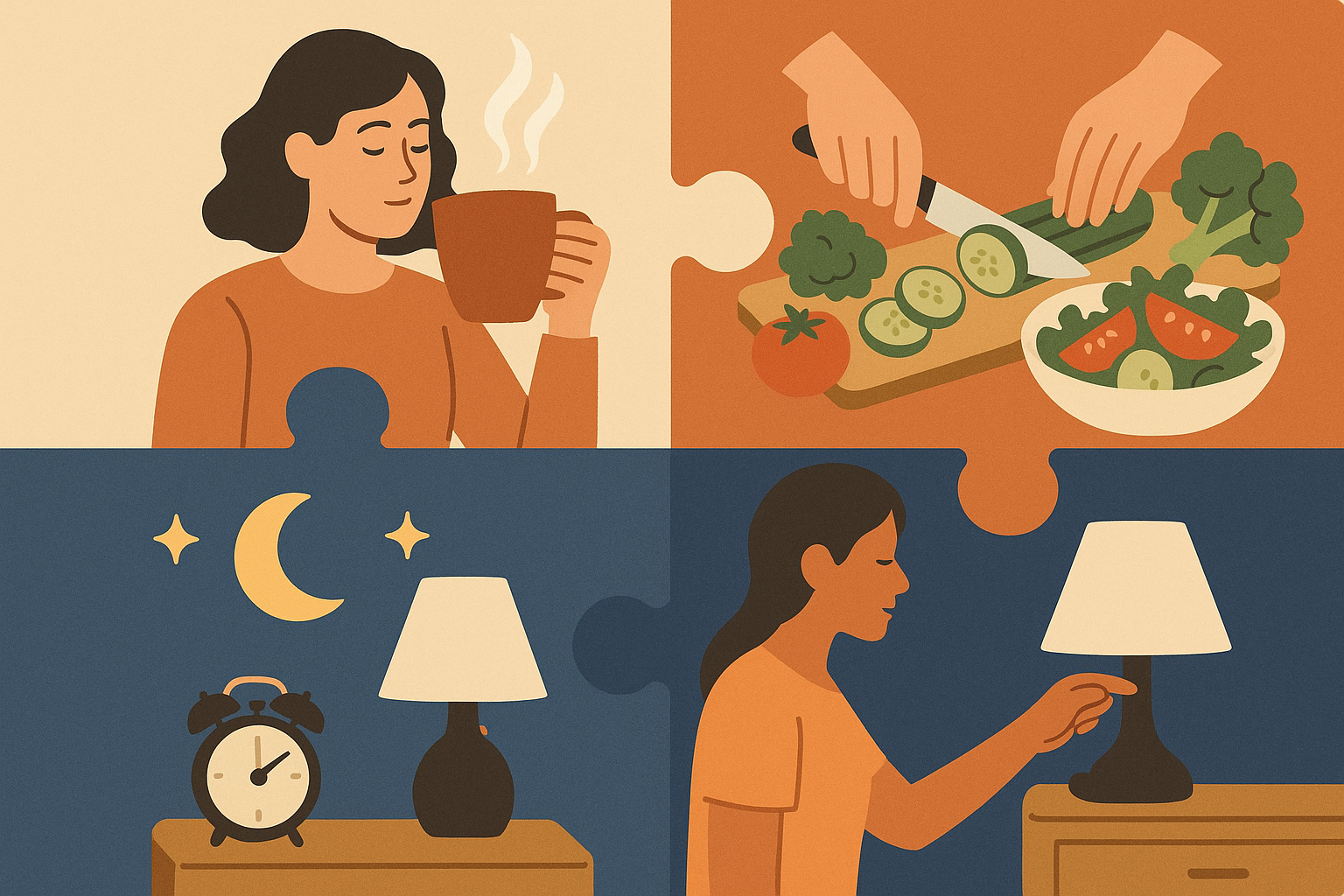
Identifying and building upon your existing positive habits creates a foundation for lazy keto success that doesn’t rely on willpower or motivation. I attached keto elements to habits I’d maintained for years, such as adding MCT oil to my morning coffee routine that was already established.
I attached keto habits to things I was already doing. Coffee in the morning? Add some MCT oil. Watching Netflix? Prep tomorrow’s lunch during commercial breaks (okay, while the next episode loads).
Keystone habits create positive ripple effects throughout your day. When I started adding healthy fats to my morning coffee, it naturally led to better breakfast choices, which improved my energy levels, which made me more likely to exercise, which enhanced my sleep quality. One small change triggered multiple improvements.
How to build habits that stick:
- Identify one existing healthy habit and attach a keto element to it (add MCT oil to your morning coffee)
- Build new habits in 2-week cycles rather than trying to change everything at once
- Focus on consistency over perfection, celebrating small wins
Lazy Keto Habit Stack Checklist:
- ☐ Morning: Add healthy fat to existing coffee/tea routine
- ☐ Lunch: Replace one carb component with vegetables
- ☐ Snack: Keep keto options visible and accessible
- ☐ Dinner: Prepare extra protein for tomorrow’s lunch
- ☐ Evening: Set out tomorrow’s keto breakfast ingredients
- ☐ Weekend: Batch prep 2-3 keto meals for the week
The keto diet list becomes integrated into your weekly shopping and meal prep routines without requiring major schedule changes. You’re working with your existing patterns rather than against them.
Making Your Environment Work for You
Structuring your physical environment to support keto choices removes decision fatigue and reduces the mental energy required to maintain the lifestyle. I reorganized my entire kitchen to make keto foods the path of least resistance, which eliminated countless micro-decisions throughout the day.
Your environment shapes your choices more than willpower ever will. When healthy options are visible and convenient while processed foods are hidden or absent, you naturally make better choices without conscious effort. This is basic behavioral psychology applied to nutrition.
What actually works:
- Reorganize your kitchen to make keto foods the most accessible options
- Prepare grab-and-go keto snacks for busy periods
- Put visual reminders of your health goals in high-traffic areas of your home
Environmental design works because it removes the need for constant decision-making. The ketogenic diet plan becomes automatic when your surroundings support your goals rather than sabotage them.
Tracking What Actually Matters
Beyond weight loss, lazy keto provides measurable improvements in biomarkers that indicate long-term health optimization. These objective measurements give you feedback on your progress and motivation to continue even when the scale isn’t moving. My doctor was amazed at my lab improvements after six months.
Biomarker improvements often happen before visible changes, providing early validation that your approach is working. Blood sugar stability, improved lipid profiles, and reduced inflammatory markers demonstrate that you’re optimizing health at a cellular level.
The Numbers That Actually Matter
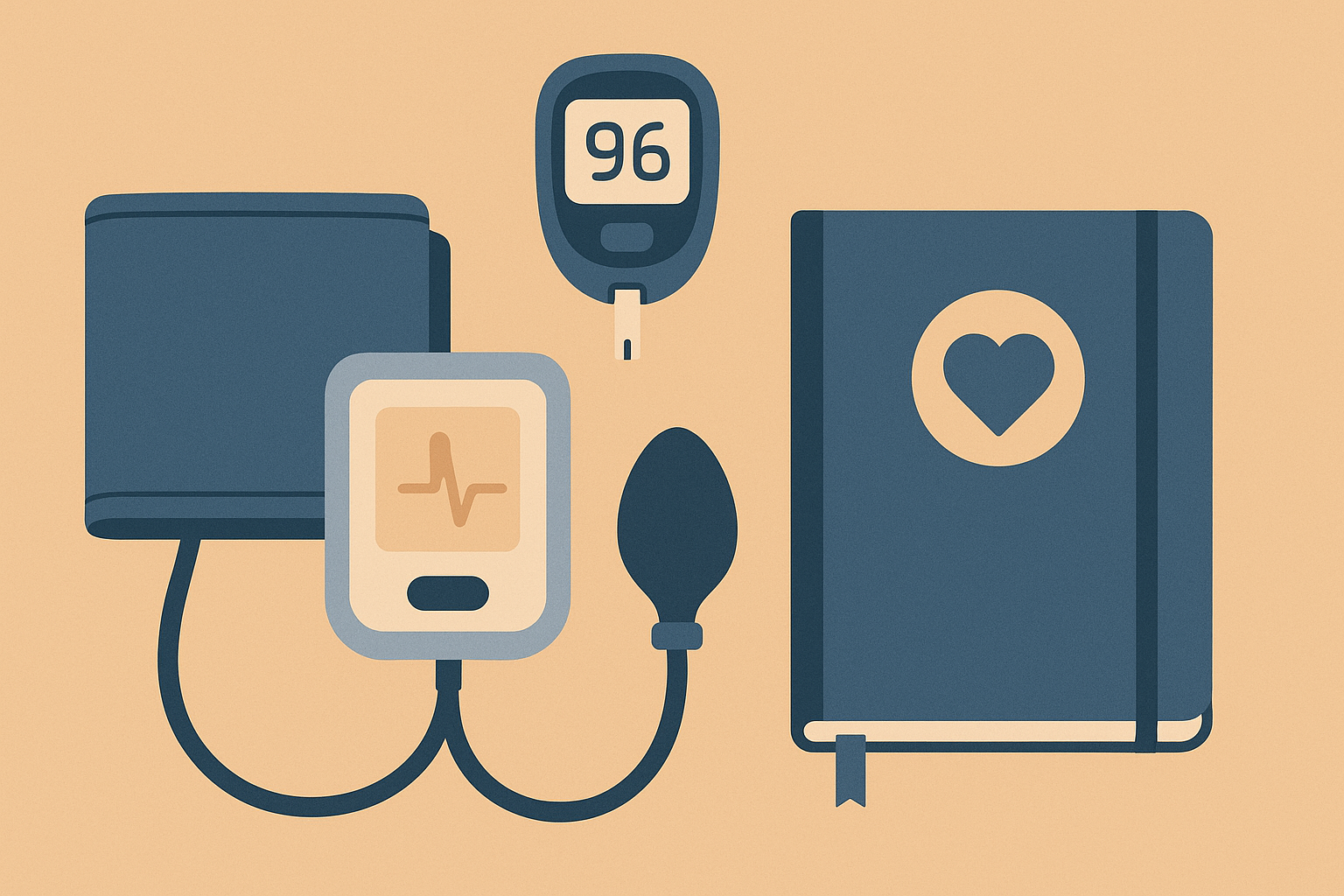
Regular monitoring of key health indicators provides motivation and allows for course corrections before problems develop. I track specific markers every three months, and seeing consistent improvements keeps me motivated even during plateaus. The data doesn’t lie – this approach is improving my health at a cellular level.
Working with healthcare providers who understand ketogenic nutrition ensures you’re monitoring the right markers and interpreting results correctly. Many traditional doctors still fear dietary fat, so finding knowledgeable practitioners is crucial for proper guidance.
What to track:
- Establish baseline measurements: fasting glucose, HbA1c, lipid panel, inflammatory markers
- Retest every 3-6 months to track improvements
- Work with a healthcare provider who understands ketogenic nutrition
Essential Biomarker Tracking Template:
- Baseline (Month 0): Fasting glucose: ___ mg/dL, HbA1c: ___%, Total cholesterol: ___ mg/dL
- 3-Month Check: Fasting glucose: ___ mg/dL, HbA1c: ___%, Total cholesterol : ___ mg/dL
- 6-Month Check: Fasting glucose: ___ mg/dL, HbA1c: ___%, Total cholesterol: ___ mg/dL
- Improvements Noted: Energy levels, sleep quality, joint pain, mental clarity
When you’re ready to take your lazy keto journey to the next level, Organic Authority offers carefully vetted supplements and clean keto products that support your metabolic health goals. Their rigorous evaluation process ensures you’re getting quality MCT oils, grass-fed collagen, and other keto essentials without the fillers and artificial ingredients that can derail your progress.
What Nobody Tells You About Lazy Keto
The good: Your energy becomes steady instead of a roller coaster. You stop thinking about food constantly. Your grocery bill might actually go down because you’re not buying as much processed junk.
The less good: The first week or two can be rough while your body adjusts. You might get weird looks when you eat a burger without the bun. Some people will have opinions about your food choices (ignore them).
The weird: You’ll start reading ingredient labels and be horrified by what’s in “normal” food. You’ll develop strong opinions about different types of salt. You might become that person who keeps avocados at various stages of ripeness.
Why I keep emergency cheese sticks in my car: Because sometimes you get stuck in traffic during what used to be “snack time” and your body still expects fuel. Having keto options prevents the drive-through desperation that used to derail my progress.
The day I cried over cauliflower rice (and what I learned): About month two, I had a complete meltdown because I was tired of cauliflower pretending to be rice. I ate regular rice that night and felt terrible the next day. That’s when I realized my body had actually changed – it wasn’t just willpower keeping me away from carbs anymore.
Look, I’m not going to pretend lazy keto solved all my problems or that every day is perfect. Some days I still want pizza and eat it. Some weeks I’m too busy to meal prep and end up eating cheese and nuts for dinner more than I’d like to admit.
But for the first time in years, I have an eating pattern that doesn’t feel like I’m constantly fighting myself. I don’t count calories, I don’t feel guilty about food choices, and I don’t spend my Sunday afternoons meal prepping like it’s a part-time job.
The time I spent three hours meal prepping only to eat takeout all week taught me that perfect planning doesn’t equal perfect execution. Now I focus on having good options available rather than elaborate meal schedules.
My first attempt at lazy keto wasn’t actually that lazy: I still tried to track everything, weigh portions, and follow complicated recipes. It wasn’t until I truly embraced the “lazy” part that everything clicked. Sometimes the best approach is the one that requires the least effort to maintain.
If you’re tired of complicated diet rules and just want to feel good in your body without turning nutrition into a second career, maybe give lazy keto a shot. Start small, be patient with yourself, and remember – it’s called “lazy” keto for a reason.
This isn’t about becoming perfect or never eating carbs again. It’s about finding an approach that works with your real life, not against it. The goal isn’t to achieve some ideal version of yourself – it’s to feel better in the body you have right now, today, without making food choices feel like a constant battle.