The US Army’s new pocket sandwiches evade moisture and bacteria with high-tech preservation techniques that stifle bacteria and mold growth. Packaging and ingredients reduce waste and offer more portability and flavor for soldiers in intense combat situations.
Read More:Army’s New Sandwich Fights Decay, Stays Fresh for Two Years
Army’s New Sandwich Fights Decay, Stays Fresh for Two YearsDecember 21st, 2011 - Erin ShawPrince Charles Says Grow An Organic GardenMarch 3rd, 2011 - Gerald "Gerry" Pugliese
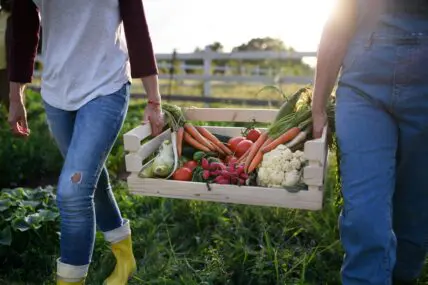
Prince Charles, who once admitted to talking to his plants, is now encouraging everyone to grow an organic garden; even a tiny garden can yield fruits and vegetables, reduce carbon and feed local birds and insects. In 1980, Prince Charles purchased his country home, Highgrove House in Gloucestershire, England, with the intention of turning it into an organic farm and garden. Today, its acres grow fruits and vegetables, such as strawberries, leeks, carrots and Brussels sprouts. Also grown are native and endangered plants like jasmine, crane’s bill, yellow rattle, lilies and honeysuckle. Read More:Prince Charles Says Grow An Organic GardenIowa School Children Meet a FarmerDecember 3rd, 2010 - Gerald "Gerry" Pugliese
Where does your food come from? If you say “the supermarket,” then stop reading and go sit in the corner. But the truth is a lot of people don’t know where their food is grown, raised, cooked, whatever. That’s why the Iowa City School District is taking time to introduce kids to farmers. “We’re looking to introduce the kids to their local farmers,” a spokesperson from the Johnson County Local Food Alliance told the Iowa City Press-Citizen. “We want to make it fun because eating local is delicious and healthy.” Read More:Iowa School Children Meet a FarmerAussie City Dwellers Using “Urban Food Maps”November 29th, 2010 - Gerald "Gerry" Pugliese
If you live in a city, fresh fruits and vegetables can be hard to come by. Sure, most major metropolises have farmers markets and the stuff is trucked in from nearby farms, but, it’s just not the same as a backyard garden. Well, that’s changing. More and more city folk are getting together and starting community gardens, take Sydney, Australia for example. Read More:Aussie City Dwellers Using “Urban Food Maps”4 Ways to Boost Your Immunity Before Cold & Flu SeasonSeptember 28th, 2010 - Barbara Feiner
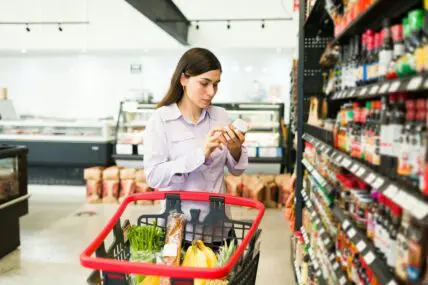
I can’t go anywhere without seeing signs for flu shots—a reminder that it’s time to start boosting our immunity. “Filling your grocery cart with nutritious foods and beverages from all the food groups will provide your body with essential vitamins and nutrients to help support a healthy immune system,” says registered dietitian Kim Galeaz, coauthor of 4 Weeks to Maximum Immunity. Galeaz offers the following tips for maximizing nutrients when visiting your local natural and organic food store: Read More:4 Ways to Boost Your Immunity Before Cold & Flu SeasonWe’re Not Eating Our Fruits and VeggiesSeptember 27th, 2010 - Barbara Feiner
Americans have earned an “F” on their fruit and vegetable report card, according to a study released by the Centers for Disease Control and Prevention (CDC). Researchers found we’re eating less fruit than we did in 2000, while vegetable consumption really hasn’t changed. The CDC’s goals have been modest: 2+ servings of fruit and 3+ servings of vegetables per day. But only 33% of us were found to eat enough fruit, and only 25% of us consumed enough vegetables. Read More:We’re Not Eating Our Fruits and VeggiesDo-It-Yourself Organic FertilizerJune 19th, 2010 - Barbara Feiner
Ever feel guilty about throwing away vegetable and fruit peels, rinds or scraps? Your intuition may tell you there’s a better way to handle these leftovers. Composting is a great way to make use of organic matter that you would otherwise trash. Building a compost heap is relatively easy, and it will continually give back to your garden and the environment. According to California’s CalRecycle program, the four necessary composting ingredients are:
Once your compost is at the ideal level of decomposition (uniformly dark brown and crumbly), spread it on your garden to give plants a nutrient boost. For Your Organic Bookshelf: Let It Rot! The Gardener’s Guide to Composting Photo courtesy of ARA Read More:Do-It-Yourself Organic FertilizerMother’s Day Gift Idea: Start an Organic GardenMay 3rd, 2010 - Barbara Feiner
If your mom loves to garden—or if you’d like to help her get started—pick up a container or two of Ecosource’s Organic Grow Your Own Seedling Starter Kits for Mother’s Day. Nine USDA-certified organic varieties are available for last-minute shoppers (ground, 2-day or overnight shipping): A Strawberry Kit is also available, but the seedlings are not organic. Each kit ($15.99) contains instructions, an eco-friendly tray, high-quality soil, a reusable “greenhouse bag” and biodegradable seedling starter shells, all housed in a decorative container. Users can start up to 10 seedlings and then transplant them into their gardens. Ecosource founders Chad Callihan and Chuck Rose quit the corporate world and started the Decatur, GA-based company in 2006 to develop stylish, affordable and eco-friendly products. “We’re not trying to be perfect, but we’re learning every day about how to make better choices for ourselves and the future of our children’s planet,” they state. “We hope that by sharing our experience, you’ll want to do the same.” Read More:Mother’s Day Gift Idea: Start an Organic GardenOrganic Heirloom Seeds Produce Themed GardensApril 20th, 2010 - Barbara Feiner
Jim and Kristen Mitchell, a Scottsdale, AZ-based husband-and-wife team, have just launched Humble Seed, a company that offers premium organic seed kits that produce an array of edible plants. Four themed garden kits are available:
Each kit contains at least 10 premium heirloom, non-GMO, non-hybrid and organic seed packets for environmentally conscious growers. “My whole life, I’ve been trying to find one calling—one passion that would help people,” Jim says. “I really connected to growing my own food. There are so many health, financial and environmental benefits, and creating a stable, healthy food supply reduces our reliance on other economies.” “We are extremely excited that we’re helping empower people in a down economy,” adds Kristen. “Families can now get fresh food at a fraction of the cost found at your local produce section.” Kits start at $21.95. The website also features books, recipes and seed-growing tips. Humble Seed’s launch party is Thursday (Earth Day), with proceeds benefiting Waste Not, a local nonprofit organization that delivers food to more than 80 agencies that feed the hungry. Read More:Organic Heirloom Seeds Produce Themed GardensGet Involved in Produce SafetyFebruary 24th, 2010 - Barbara Feiner
If you have strong opinions about food safety, let the U.S. Department of Agriculture (USDA) and Food and Drug Administration (FDA) know what you think of their proposed preventive controls for fresh produce, as published in yesterday’s edition of the Federal Register. In a public statement, the agencies state they are “working together to achieve the goals of enhancing the safety and quality of fresh produce in ways that take into account the wide diversity of farming operations. We are committed to leveraging the expertise of our partner agencies and working together to ensure that our current produce safety and quality activities are complementary and consistent.” Growers, produce-safety stakeholders and the public may comment on the production and packing of fresh produce, as well as practical approaches to improving produce safety. The FDA encourages anyone interested to submit information relevant to developing safety standards for fresh produce at farms and packing houses, as well as strategies to ensure compliance with those standards. For Your Organic Bookshelf: Tomorrow’s Table: Organic Farming, Genetics, and the Future of Food Read More:Get Involved in Produce Safety |