
How Antibiotic Resistance Is Growing Due to the Animal Agriculture Industry
Could efforts to keep livestock healthy be a deadly threat to human health?
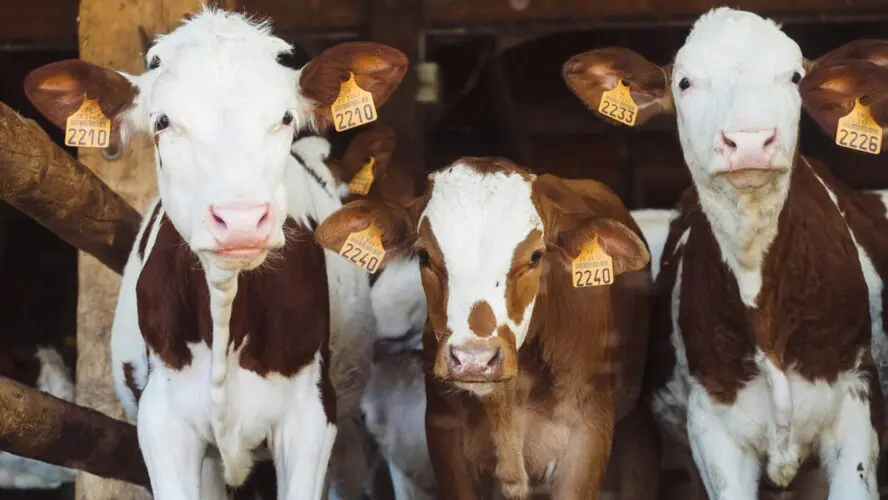
Our health and the animal agriculture industry are closely tied — and not just because of our consumption of meat and dairy — but because of antibiotics. Antibiotics are often used to treat and prevent illness in livestock. The issue arises from the fact that many of the antibiotics used on animals have also been deemed “medically important” for use in humans. That’s when things get a bit tricky.
Between 2023 and 2024, sales of these medically important antibiotics for use on farm animals grew 16 percent, reaching a total of 6.2 million kilograms1. Of the antimicrobials sold for use in animals, 43 percent were destined for hogs; 41 percent were destined for cattle. The bad news? According to experts, the use of these antimicrobials in animals is likely contributing to the rise in antibiotic-resistant infections in humans.
The Threat of Antimicrobial Resistance
The World Health Organization describes antimicrobial resistance as “one of the greatest global health challenges of our time, becoming a leading cause of death globally2.” But what is antibiotic resistance, exactly?

By using antimicrobials on livestock, we give infectious diseases the chance to evolve and adapt in response to antibiotics. And when infections are antibiotic-resistant, they become much more deadly. Antibiotic-resistant infections lead to 35,000 deaths each year in the United States alone3.
A Growing Reliance on Antibiotics in Animal Agriculture
Unfortunately, the use of antibiotics for farm animals is rising. In 2022, a study in Current Environmental Health Reports found that more antibiotics were being sold for use in livestock than in humans — and more than half of the antibiotics used in animal agriculture were medically important for humans4.
“Numerous scientific bodies have expressed concern that widespread, non-human uses of these antimicrobials may contribute to significant declines in effectiveness of these or related medicines in human patients by selecting for resistant bacteria,” wrote the report authors.
Experts told Sentient that the reason for this uptick is unclear, considering fewer cattle were raised in 2024 as compared to 2023, and the number of pigs increased by less than 1%5.
Why Is Antibiotic Use Growing in Animal Agriculture?
While antibiotics are sometimes used to treat sick animals, they aren’t always used as a reactive measure. They’re also often proactively given to healthy animals in intensive factory farming systems with poor hygiene and welfare conditions in order to prevent disease.
“It’s easier to give antibiotics than it is to provide healthy conditions for animals in the huge facilities where most food animals are raised,” Steve Roach, safe and healthy food program director at Food Animal Concerns Trust, told the Guardian6. “And with public awareness waning and lack of significant government action, the meat industry will make the easier choice.”
How Can We Change the Tides?
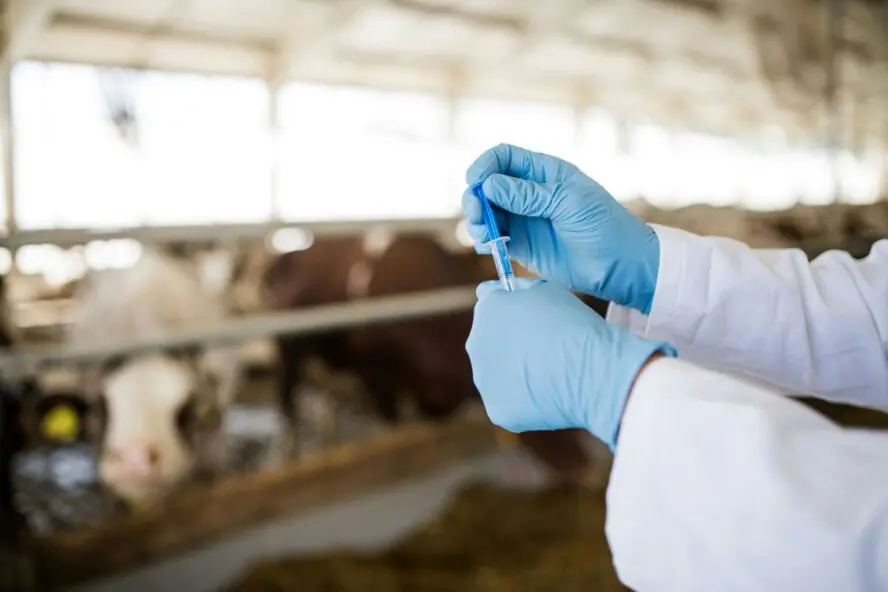
Experts speaking to Sentient suggest that the FDA investigate what is driving the rise and implement targets for cutting antibiotic use. They also recommend that improved farming practices could help reduce antibiotic use in farm animals in the U.S., minimizing the need for both disease prevention and treatment. They cite the example of Denmark, which slashed its antibiotic use by improving space allocations and ventilation for hogs.
Historically, antibiotics have also been used in the food system to boost animal growth, though the FDA officially banned this practice in 2017. While animal agriculture antibiotic sales peaked in 2015, they have steadily risen since 2017, leading some to suggest that this practice may be continuing illicitly.
If this is difficult to confirm, it’s in part due to the fact that the FDA releases only sales numbers of antimicrobials — and not how these drugs were actually used in animals7. More transparency in the industry can only benefit us, especially when our health is at stake.
Sources:
- https://www.fda.gov/animal-veterinary/cvm-updates/fda-releases-annual-summary-sales-and-distribution-antimicrobials-2024-use-food-producing-animals
- https://www.woah.org/en/what-we-do/global-initiatives/antimicrobial-resistance
- https://www.cdc.gov/antimicrobial-resistance/about/index.html
- https://link.springer.com/article/10.1007/s40572-022-00351-x
- https://sentientmedia.org/sales-of-antibiotics-for-farm-animals-jumped/
- https://www.theguardian.com/us-news/2026/jan/27/antibiotic-meat-production
- https://civileats.com/2023/11/08/fda-still-not-tracking-how-farms-use-antibiotics/