
Could You Be Hurting Your Nutrient Absorption by Eating Anti-Nutrients?
What are anti-nutrients, and should you build your diet around avoiding them?

Have you ever heard advice that tells you to pair black pepper and turmeric to get the most out of your curcumin? If so, you already have some awareness that certain nutrients work better together. There are a lot of food combos that improve nutrient absorption — but the opposite is true as well.
Alongside beneficial phytochemicals and polyphenols, many plant-based foods contain compounds like phytic acid, tannins, and oxalates, all of which have been dubbed “anti-nutrients” by certain health and wellness experts. They earned this name because they hinder our ability to absorb certain essential nutrients. And according to Kathleen Benson, CSSD, CPT, RDN at VNutrition, the term isn’t just a scare tactic.
“From an academic standpoint, yes, the term is real,” she says. But from Benson’s point of view, that’s not a reason to avoid them — or the healthy foods in which they’re found.
“It’s easy to get caught up in diet culture [and] fear-mongering, but remember that most of these claims take valid evidence out of context,” she says. She notes that in nutritionist circles, the very concept of anti-nutrients “is taught with a level of nuance that often gets lost on social media.” And that’s the very nuance we hope to provide.
What Are Anti-Nutrients?
“Anti-nutrient” is a blanket term assigned to certain compounds frequently found in plant-based foods. Some examples include:
| Anti-Nutrients | Foods They’re Found In |
| Lectins | Legumes, seeds, and cereal grains |
| Oxalates | Many leafy greens like spinach, Swiss chard, beet greens, as well as sweet potatoes and potatoes |
| Phytate or phytic acid | Cereal grains and pseudocereals, as well as legumes |
| Goitrogens | Members of the Brassica family |
| Phytoestrogens | Soy and soy products, as well as flaxseeds |
| Tannins | Tea, wine, and coffee, as well as grapes and berries |
Experts believe that anti-nutrient compounds developed as a protection mechanism for plants. Certain plants or seeds were able to develop a bitter flavor, or even produce compounds that made them indigestible — which helped keep them safe from certain insects, parasites, and infections. Unfortunately, it’s these characteristics that contribute to their status as anti-nutrients from a human health perspective.
Should You Limit Your Consumption of Anti-Nutrients?
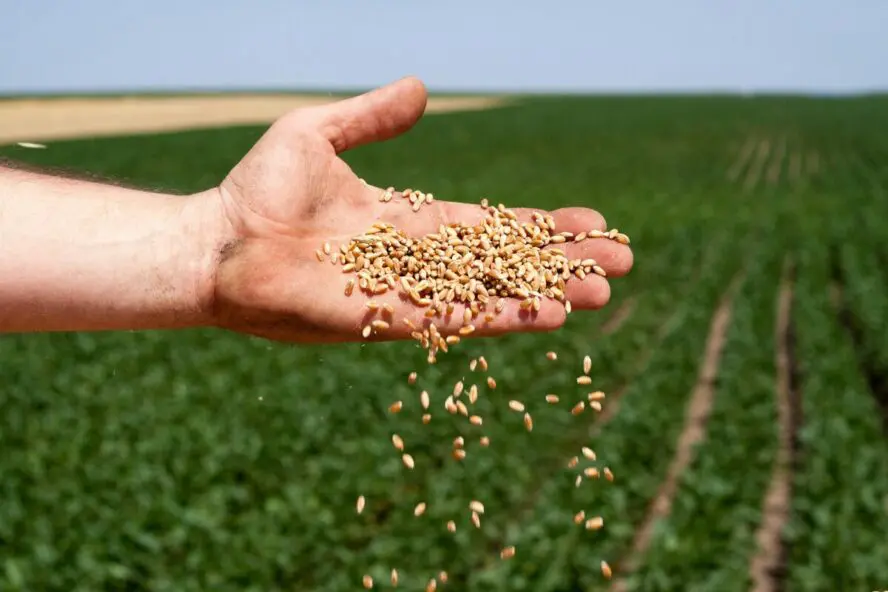
When you learn about anti-nutrients, it’s tempting to try to cut them out of your diet entirely. But for Benson, the best approach is far more moderate.
“While these compounds can reduce nutrient absorption, they don’t automatically cause deficiencies, and they don’t ‘cancel out’ the nutritional value of the food,” she says. “It’s important to remember that the foods containing them are also great sources of fiber, vitamins, and minerals.”
That said, it’s good to be aware of anti-nutrients — especially because not all anti-nutrients work the same way. For example, according to a research review published in 2020 in the journal Nutrients, lectins have been linked to altered gut function and inflammation, while oxalates and phytate have been found to inhibit calcium absorption1. Oxalates may increase kidney stone formation, while phytate and tannins could inhibit absorption of iron. Goitrogens have been linked to hypothyroidism and inhibited uptake of iodine, while some studies link phytoestrogens to endocrine disruption and increased risk of estrogen-sensitive cancers.
“For most people with a varied diet,” Benson says, “the body manages these interactions well.” But if you have specific needs, an awareness of the specific anti-nutrient properties of different foods can help highlight the ones you’re better off eating sparingly.
Anti-Nutrient Properties to Consider
If you’re someone who deals with deficiencies, there are likely certain anti-nutrients you’ll want to steer clear of. For example, those with a history of kidney stones may want to avoid consuming large quantities of high-oxalate foods, like leafy greens. If you’re someone who deals with gut health issues, you might want to avoid foods with lectins, like legumes.

It’s not always about elimination, though. Benson says those who are iodine-deficient shouldn’t cut out goitrogen-rich Brassicas — rather, they should ensure the remainder of their diet is iodine-supportive by consuming iodine-rich seaweed, seafood, and dairy.
And if iron is a concern, it may just be a matter of being conscious about timing. A 2023 study suggested that taking an iron supplement with coffee could reduce iron absorption by 66% — but simply taking the supplement later in the day led to no ill effects2. In other words, the effects of tannins in wine, tea, or coffee can be mitigated by just keeping your intake separate from iron-rich foods.
In some cases, you can even reduce the anti-nutrient properties of certain foods, as is the case with the phytic acid found in nuts, seeds, and legumes. Soaking, sprouting, fermenting, and cooking these foods can reduce their phytic acid content — sometimes by as much as 80%3.
“My biggest recommendation: Don’t worry too much,” says Benson. “Aim for a balanced intake and get regular lab work if you are concerned about deficiencies. If your energy is good and you feel healthy, you’re likely doing just fine.”
Sources:
- https://pmc.ncbi.nlm.nih.gov/articles/PMC7600777/
- https://onlinelibrary.wiley.com/doi/full/10.1002/ajh.26987
- https://pmc.ncbi.nlm.nih.gov/articles/PMC9855079/