
1500 Calorie Meal Plan: Why Yours Isn’t Working (And How to Fix It)

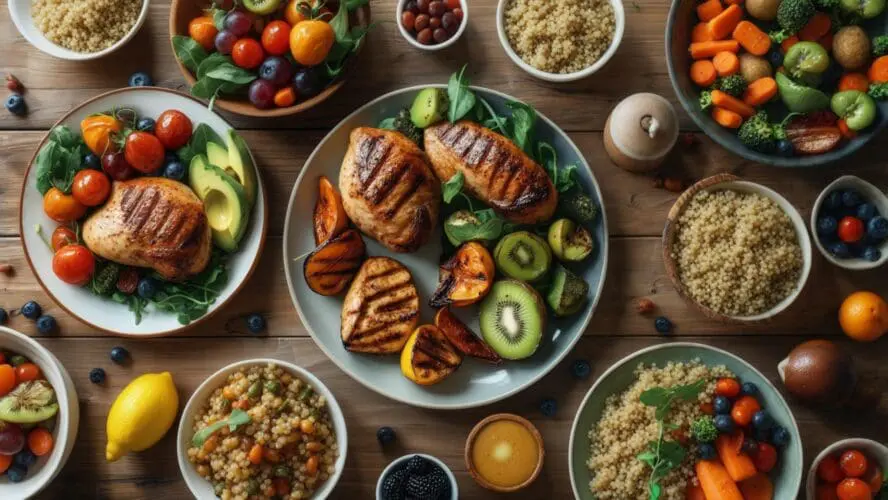
Look, I get it. You’ve probably tried a dozen meal plans already and you’re tired of feeling like you’re failing when really, the plan just wasn’t right for YOUR body. The average woman needs about 2,000 calories per day to maintain weight, while the average man needs 2,400 calories per day, which makes 1500 calories sound like it should work for everyone. But here’s the thing – it’s not just about the numbers.
Table of Contents
- Why Your Body Clock Determines When Those 1500 Calories Actually Work
- The Micronutrient Game-Changer Most People Completely Miss
- How Your Protein Timing Can Make or Break Your Results
- The Gut-Brain Connection That Controls Your Hunger (And How to Hack It)
- High-Protein 1500 Calorie Plans: What Actually Happens Inside Your Body
- Creating the Perfect Caloric Deficit Without Destroying Your Metabolism
TL;DR
- Whether you’re a morning person or night owl determines when your body best uses carbs and protein
- Certain vitamin and mineral combinations can boost your metabolism naturally
- Eating enough protein (about a palm-sized portion) at the right times keeps you from losing muscle
- Your gut bacteria literally decide whether you feel hungry or satisfied after meals
- High-protein 1500 calorie plans can feel like eating even less because protein burns calories just being digested
- Taking planned higher-calorie days prevents your metabolism from slowing down
Why Your Body Clock Determines When Those 1500 Calories Actually Work
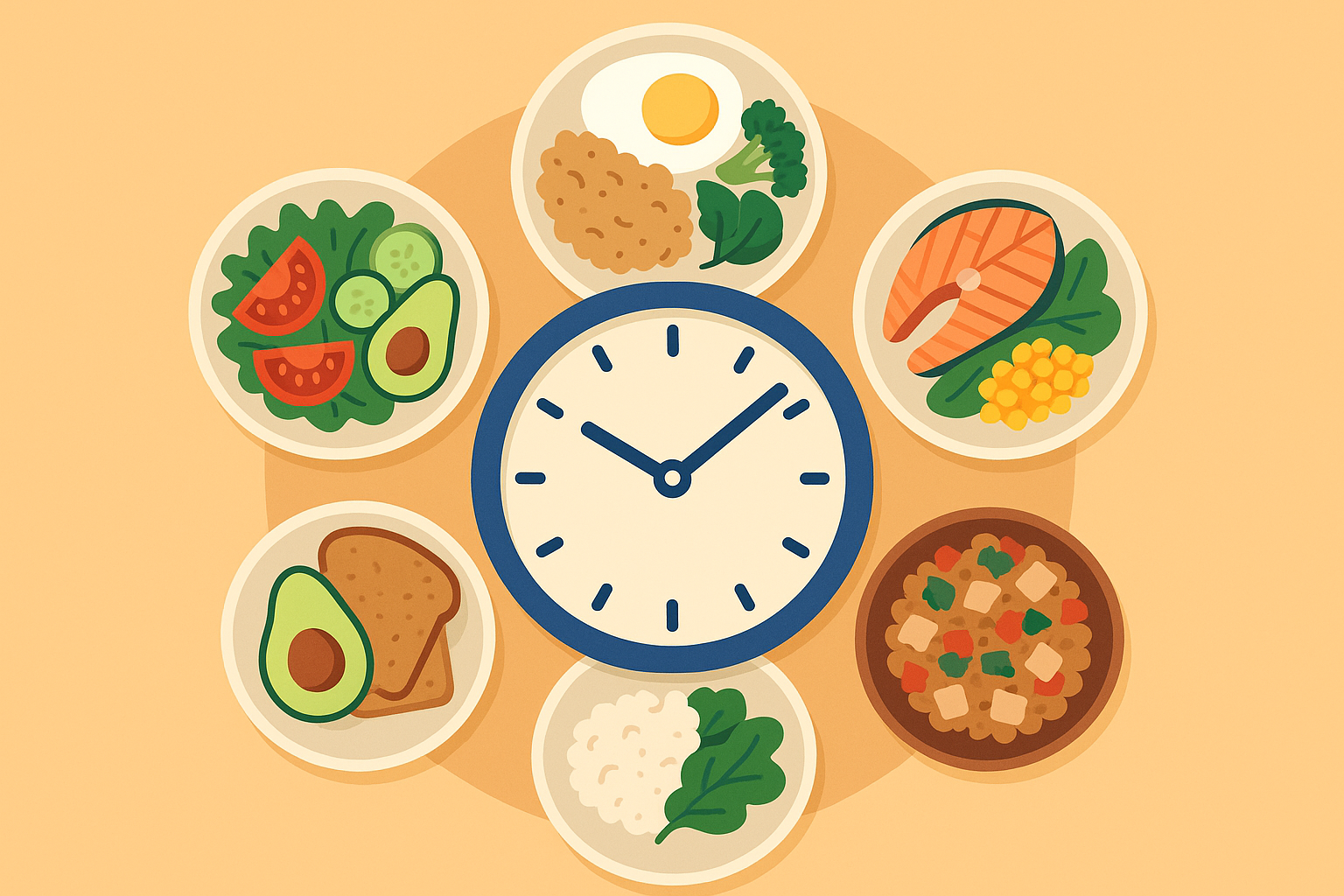
I used to think calories were just calories – eat less, lose weight, right? Wrong. I discovered that when you eat those 1500 calories matters just as much as what you eat. Your body has natural rhythms that completely change how it processes food, and working with these rhythms instead of against them can make or break your results.
Ever notice how some people can eat a big breakfast and feel energized all morning, while others feel sluggish? Or how your friend can eat pasta for dinner without gaining weight, but you look at carbs after 6 PM and feel bloated? That’s your chronotype – whether you’re naturally a morning person or night owl – and it determines when your body actually wants different types of fuel.
Understanding how to find your carb tolerance becomes even more important when you’re working with a smaller calorie budget. Your 1500 calorie meal plan needs to work with your natural rhythm, not against it.
Morning People Have a Secret Advantage
If you’re someone who naturally bounces out of bed and feels great in the morning, your body has a built-in advantage for handling carbohydrates early in the day. Between 6-8 AM, your body is practically begging for fuel and will use carbs for energy instead of storing them as fat.
Think about it – you’ve been fasting all night, your muscles are empty, and your body wants to get moving. This is when you can eat about 40% of your daily carbs (around 150 calories worth) and actually benefit from them. We’re talking oatmeal, sweet potato, whole grain toast – foods that would sit heavy later in the day but give you sustained energy when timed right.
| Your Type | Best Carb Time | How Much | Best Protein Time | Fat Focus |
|---|---|---|---|---|
| Morning Person | 6-8 AM | 40% of daily carbs | 11 AM-2 PM | Evening meals |
| Night Owl | 7-9 PM | 35% of daily carbs | 11 AM-2 PM | Morning meals |
| Flexible | Split between meals | 37% of daily carbs | 11 AM-2 PM | Spread evenly |
Your Morning Carb Window Changes Everything
Here’s what happened to Sarah, a marketing executive who naturally wakes up at 5:30 AM. She was following a 1500 calorie plan but constantly crashed around 3 PM, reaching for whatever sugary snack was nearby. She’d tried everything – more coffee, energy drinks, even those expensive afternoon supplements.
Turns out, she just needed to eat her carbs earlier. Sarah shifted 150 calories of her daily carbs to breakfast – half a cup of oatmeal with berries at 6:45 AM when her body could actually use them for energy. Within two weeks, her afternoon energy crashes disappeared and she lost 3 pounds without changing her total calories. Her body finally had the right fuel at the right time.
For perfect morning fuel, check out how to cook delicious oatmeal every time to make the most of your early carb window.
Night Owls Get Their Own Advantages
Just because you’re not a morning person doesn’t mean you’re metabolically doomed. If you naturally stay up late and feel more energized in the evening, your body maintains better blood sugar control later in the day. This means you can actually eat moderate carbs around 7-9 PM without the same fat storage risk that morning people would have.
I know this goes against everything you’ve probably heard about avoiding carbs at night, but for true night owls, your body’s natural rhythm supports this later fuel intake. Your metabolism doesn’t shut off at 6 PM just because some diet book said it does.
Evening Carbs Won’t Sabotage Your Progress (If You’re a Night Owl)
This completely flips conventional wisdom, but science backs it up. If you’re a natural night owl – someone who genuinely feels more alert and energized in the evening – your body maintains insulin sensitivity much later than morning types. This means moderate carbohydrates in your evening meal won’t automatically get stored as fat.
The key is being honest about your natural patterns rather than forcing yourself into a morning-heavy eating schedule that fights your biology. Many people try to eat like morning people when they’re naturally night owls, then wonder why their 1500 calorie plan isn’t working.
Night Owl Carb Strategy:
- Figure out your natural bedtime (usually after 11 PM for true night owls)
- Plan 130-140 calories of complex carbs between 7-9 PM
- Choose slower-digesting options like quinoa, sweet potato, or brown rice
- Pair with 20-25g protein to help your body use the carbs properly
- Pay attention to how you feel the next morning for a week
- Adjust timing by 30 minutes if needed
The One Timing Rule That Works for Everyone
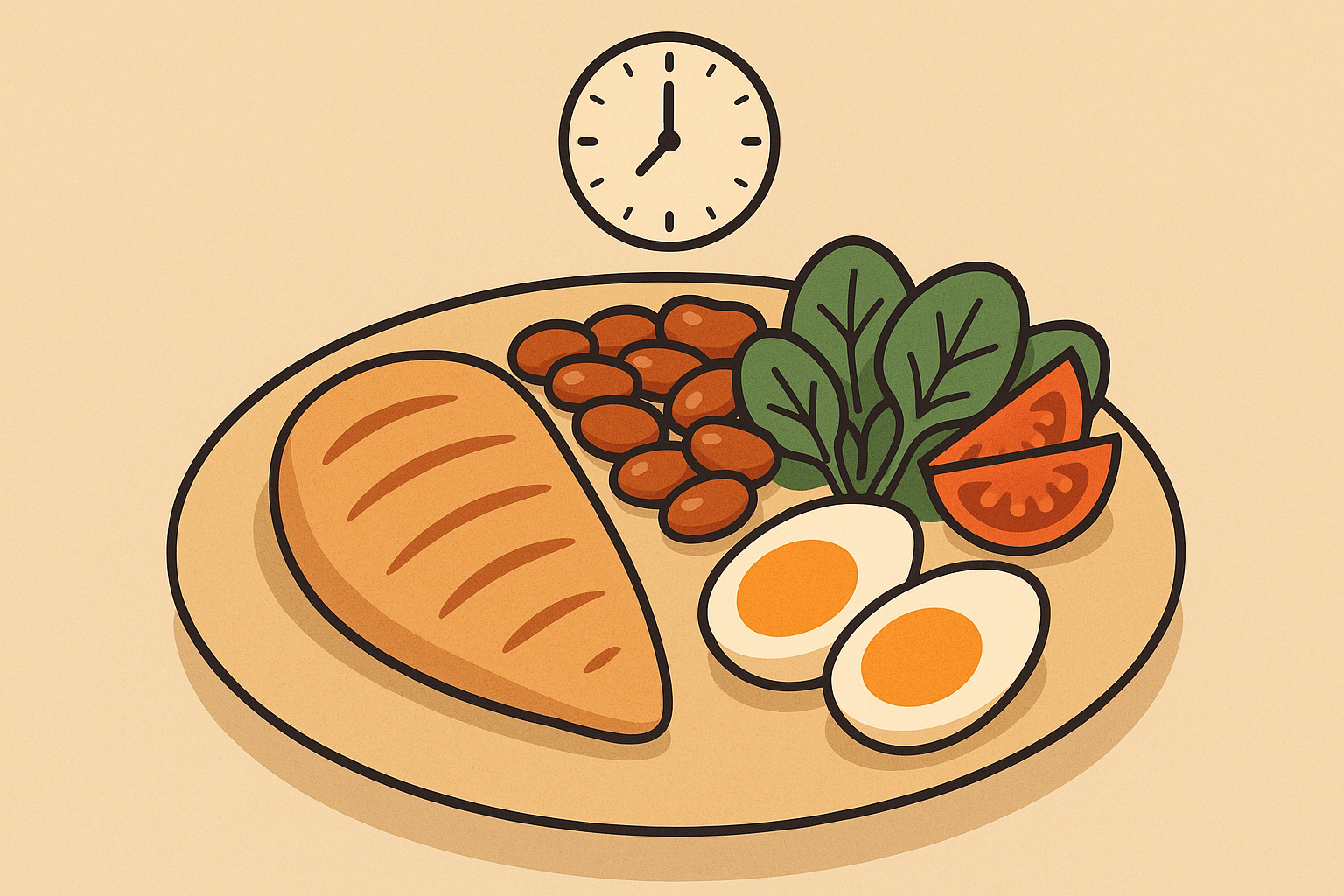
Regardless of whether you’re a morning person or night owl, there’s one timing window that works for everyone: midday protein. Between 11 AM and 2 PM, your body is primed to actually use the protein you eat – about 25-30g worth, or roughly 200-250 calories.
This isn’t just about building muscle (though that’s part of it). It’s about keeping your metabolism running higher all afternoon and feeling satisfied instead of constantly thinking about your next meal. Miss this window and you’re not getting the full benefit from your protein intake.
Why Your Lunch Protein Matters Most
Your body’s ability to actually use protein peaks during these midday hours. This isn’t just nutrition nerd stuff – this is why you can eat the same amount of protein at different times and get completely different results. Research shows that participants reduced calories by an average of 441 calories per day just by doubling their daily protein intake, and timing plays a huge role in these satiety effects.
When you nail this midday protein timing, you naturally feel less hungry later in the day. Your body gets what it needs when it can best use it, so it stops sending you those constant “feed me” signals.
Keep Your Metabolism Guessing
Here’s where things get really interesting – you can train your metabolism to be more flexible by mixing up your approach within your 1500-calorie budget. Instead of eating the exact same thing every day, alternating between higher-carb days (100g) and lower-carb days (50g) keeps your body from adapting and slowing down.
Think of your metabolism like a campfire – if you feed it the same thing every day, it gets lazy. But mix things up and it stays active and responsive. This prevents that dreaded plateau where you’re eating the same calories but suddenly stop losing weight.
The Simple Carb Cycling Approach
This doesn’t have to be complicated. Two days a week, eat around 100g of carbs. The other five days, stick closer to 50g. Keep your total calories at 1500 either way by adjusting fat intake. Your body learns to efficiently use whatever fuel you give it, which prevents it from getting too comfortable with one pattern.
Fat Adaptation Days Speed Things Up
Including 2-3 days weekly where about 70% of your calories come from healthy fats (around 117g) teaches your body to burn fat more efficiently. These aren’t cheat days – they’re strategic days that make your body better at using its own fat stores for energy.
The beauty is you’re still hitting your 1500-calorie target while giving your metabolism different challenges to work with. It’s like cross-training for your metabolism.
The Micronutrient Game-Changer Most People Completely Miss
I used to think that as long as I hit my 1500 calories with reasonably healthy foods, I was good to go. But the quality and specific combinations of vitamins and minerals within those calories can literally act like switches that turn your metabolism up or down, regardless of how many calories you’re eating.
This isn’t about taking a bunch of expensive supplements. It’s about understanding that your body needs certain nutrients in the right ratios to function properly. When these ratios are off, your metabolism runs like a car with dirty spark plugs – it works, but not well.
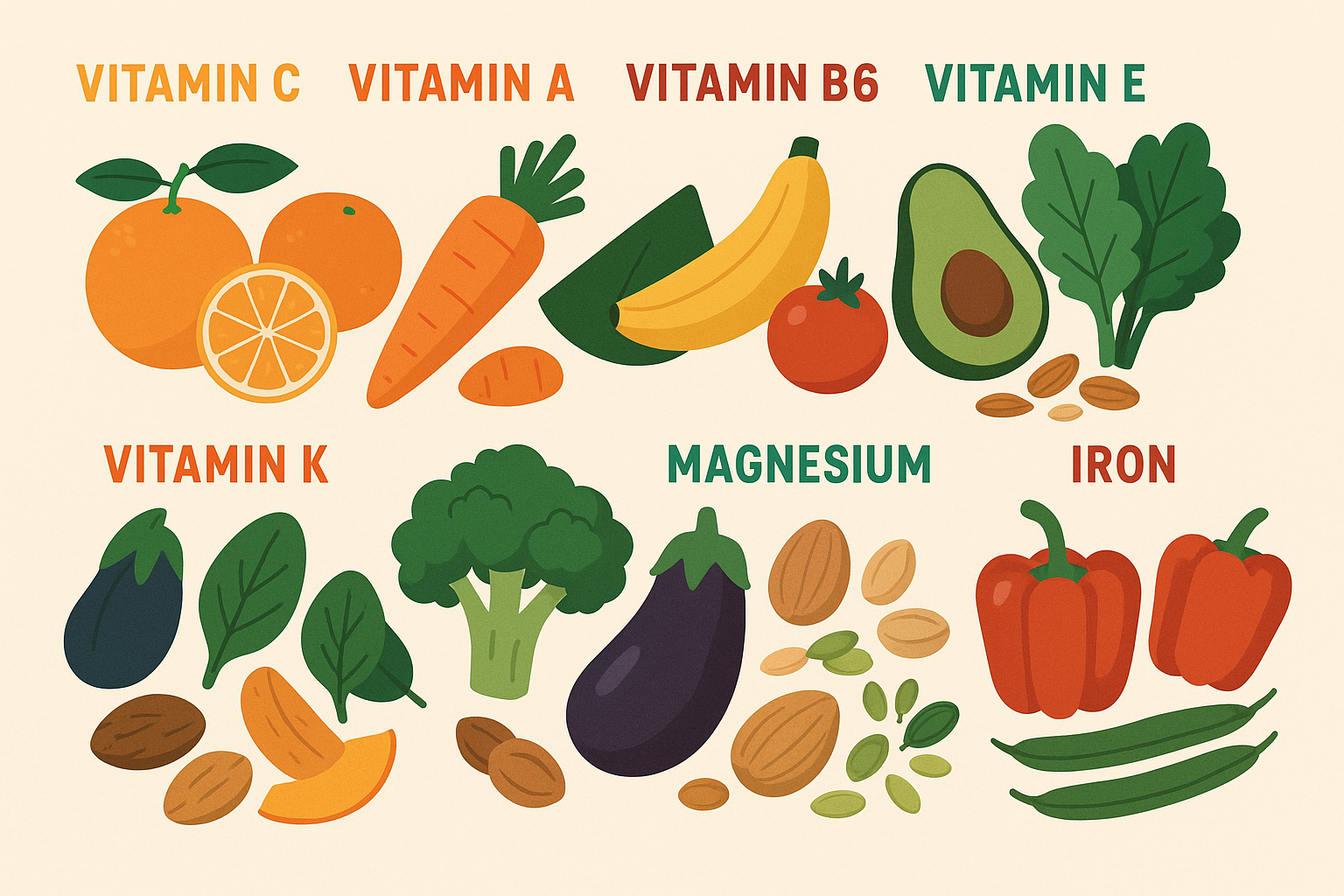
Minerals Are Your Metabolism’s Control Panel
Think of minerals like the settings on your metabolism’s control panel. Get the right combinations and everything runs smoothly. Get them wrong and you’re fighting an uphill battle, no matter how perfectly you count calories.
Certain mineral combinations can help your thyroid work better, improve how your body handles sugar, and optimize fat burning. It’s not just about getting enough of each mineral – it’s about getting them in ratios that actually work together.
The Zinc-Copper Balance That Helps Your Thyroid
Getting enough zinc (think beef and pumpkin seeds) while not overdoing copper-rich foods (like too much dark chocolate or shellfish) can help your thyroid work better. When your thyroid’s happy, your metabolism runs smoother and every calorie you eat is more likely to be used for energy instead of stored as fat.
Mike discovered this the hard way. After months of restrictive dieting, his metabolism had slowed to a crawl. By adding 3 oz of grass-fed beef and 1 oz of pumpkin seeds to his daily routine while cutting back on high-copper foods, he got his zinc-to-copper ratio back in balance. Within 4 weeks, his morning body temperature went from 97.2°F to 98.4°F – a sign his thyroid was working better – and his weight loss resumed.
Magnesium and Potassium: The Energy Duo
Pairing magnesium-rich foods (dark chocolate, avocados) with high-potassium options (white beans, spinach) helps your cells produce energy more efficiently and reduces water retention. This combination literally helps your cells make better use of the calories you eat.
Studies show that men should aim for 31-38 grams of fiber per day, while women need 20-25 grams per day, and these mineral-rich foods naturally provide much of this essential fiber. Your body works better when it has what it needs to function properly.
Plant Compounds That Boost Your Metabolism Naturally
Certain compounds in colorful fruits and vegetables can help boost your metabolism at the cellular level, making your body burn more calories throughout the day. This is where food quality becomes absolutely crucial – not all calories are created equal.
These natural compounds work like tiny metabolic boosters, turning on genes that help with fat burning and turning off ones that promote fat storage. Your food choices become instructions for your body about what to do with the calories you eat.
The Blueberry Hack for Better Blood Sugar
Eating about 1 cup of blueberries or ½ cup of tart cherries 30 minutes before your biggest meal can reduce how much sugar your body absorbs by up to 15%. This means less of those carbs get stored as fat, even within your calorie budget.
This simple timing trick can make your 1500-calorie plan more forgiving when you do eat carbs. The natural compounds in these berries create a buffer that helps prevent carbs from being stored as fat.
How Your Protein Timing Can Make or Break Your Results
Your body has a protein target that it wants to hit every day, and when you meet that target efficiently, hunger naturally decreases and your metabolism stays higher. This is why high-protein diets work so well – they satisfy your body’s primary need while creating conditions that favor fat loss.
Understanding this protein leverage can completely change how you structure your meals. When you hit your body’s protein target with the right timing, everything else falls into place more naturally. Your 1500-calorie plan becomes self-regulating because your appetite aligns with your goals.
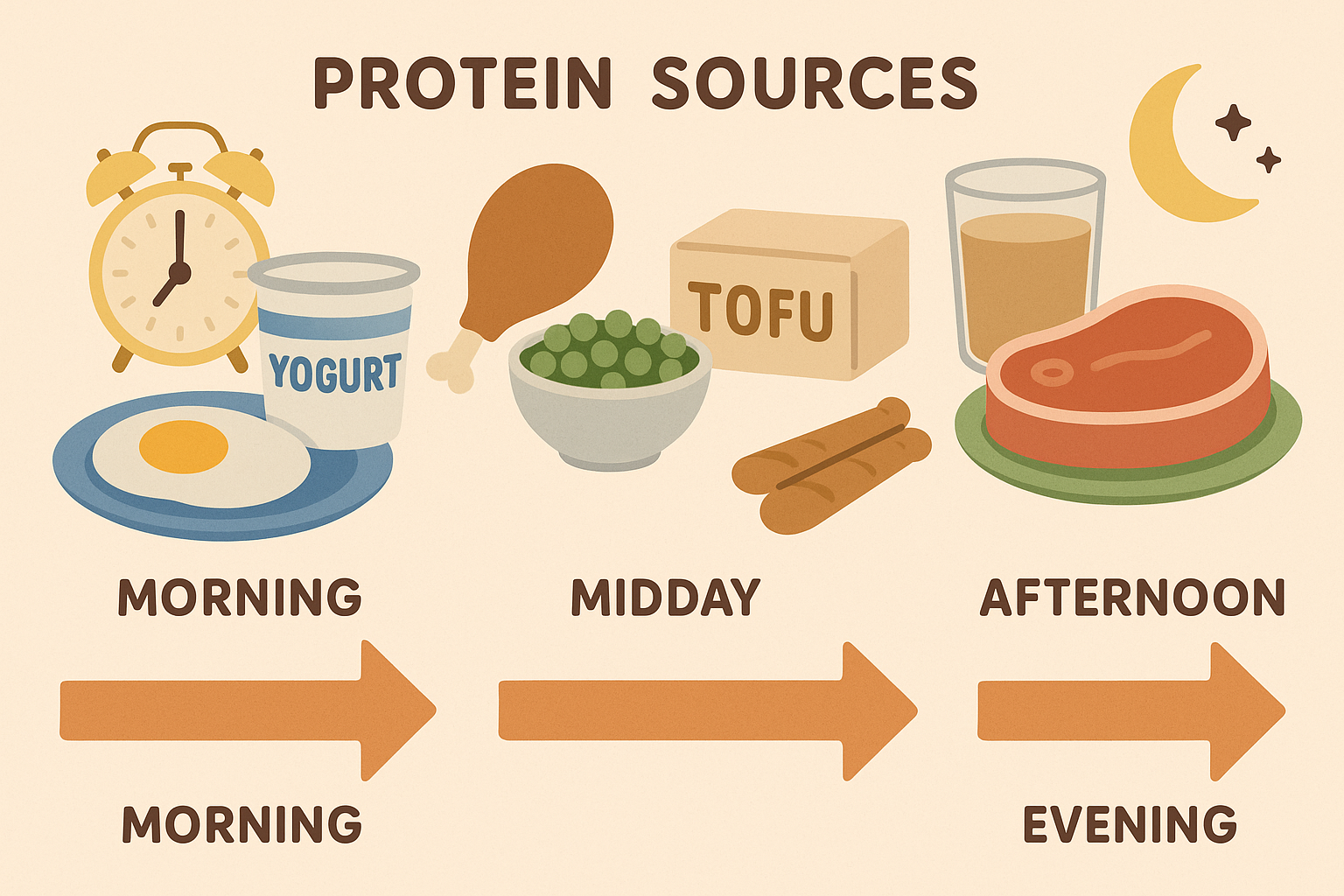
The Order of Your Amino Acids Matters
The Order of Your Amino Acids Matters
Ever wonder why you’re starving two hours after a big salad but satisfied all afternoon after eggs and toast? It’s partly because different proteins contain different amino acids, and the combination affects your brain chemistry and how satisfied you feel.
The amino acids in your protein compete to get into your brain, where they influence neurotransmitters that control mood and appetite. Getting this right can make the difference between feeling energized and satisfied versus constantly fighting cravings.
Leucine: Your Muscle-Saving Signal
Getting about 2.5g of leucine per meal (found in 25g whey protein or 4oz chicken breast) sends a strong signal to your muscles to stick around even when you’re eating fewer calories. Without hitting this threshold consistently, you risk losing muscle along with fat, which ultimately slows your metabolism.
This leucine threshold is like a minimum password your muscles need to hear at each meal. Most people never reach it consistently, which is why they lose muscle during weight loss and then struggle to keep the weight off.
| Protein Source | Serving Size | Leucine Content | Calories | Complete Protein |
|---|---|---|---|---|
| Whey Protein | 25g | 2.5g | 100 | Yes |
| Chicken Breast | 4oz | 2.4g | 185 | Yes |
| Greek Yogurt | 1 cup | 1.8g | 130 | Yes |
| Eggs | 3 large | 1.5g | 210 | Yes |
| Lentils | 1 cup cooked | 1.3g | 230 | No* |
| Quinoa | 1 cup cooked | 0.8g | 222 | Yes |
*Combine with grains within 4 hours for complete profile
Evening Protein for Better Fat Burning Overnight
Eating protein rich in tryptophan (turkey, pumpkin seeds) in the evening while avoiding other competing amino acids helps you sleep better and burn more fat overnight. Better sleep means better hormone balance, which directly impacts how your body processes those 1500 calories.
Tryptophan is the amino acid that eventually becomes melatonin in your brain, but it has to compete with other amino acids to get there. When you time tryptophan-rich foods in the evening without a lot of competing proteins, more of it gets through and helps with sleep quality and overnight recovery.
Mixing Animal and Plant Proteins Strategically
Alternating between complete animal proteins and well-combined plant proteins supports both your muscle needs and your gut health. Plant proteins feed different beneficial bacteria than animal proteins, creating a more diverse gut environment that enhances overall metabolism.
You don’t need to be all-or-nothing with protein sources. Your body benefits from variety, and your gut bacteria definitely do too.
The 4-Hour Plant Protein Rule
You can combine rice and beans within a 4-hour window to get all the amino acids your body needs, even if you don’t eat them in the same meal. This makes plant-based eating much more practical while still meeting your protein requirements.
This flexibility means you can have oatmeal for breakfast and lentil soup for lunch, and your body will still get the complete amino acid profile it needs.
Plant Protein Day Example:
- Morning (7 AM): ½ cup oatmeal + 2 tbsp almond butter = 320 calories
- Lunch (12 PM): 1 cup lentil soup + 1 slice whole grain bread = 290 calories
- Snack (3 PM): ¼ cup hummus + vegetables = 120 calories
- Dinner (7 PM): ¾ cup quinoa + ½ cup black beans = 280 calories
- Total: 1,010 calories with complete amino acids covered
The Gut-Brain Connection That Controls Your Hunger (And How to Hack It)
Your gut bacteria are like tiny roommates living in your digestive system – feed them the right stuff and they’ll help you out, feed them junk and they’ll make your life miserable. These microorganisms literally vote on whether you feel hungry or satisfied after meals, and they have way more influence over your cravings than you might think.
Most people focus on calories and macros while completely ignoring the trillions of bacteria that determine how those nutrients actually get processed. Understanding drinking vinegars for gut health can be one way to optimize your digestive function. Getting these bacterial allies on your side can make your 1500-calorie plan feel effortless instead of like a constant battle.
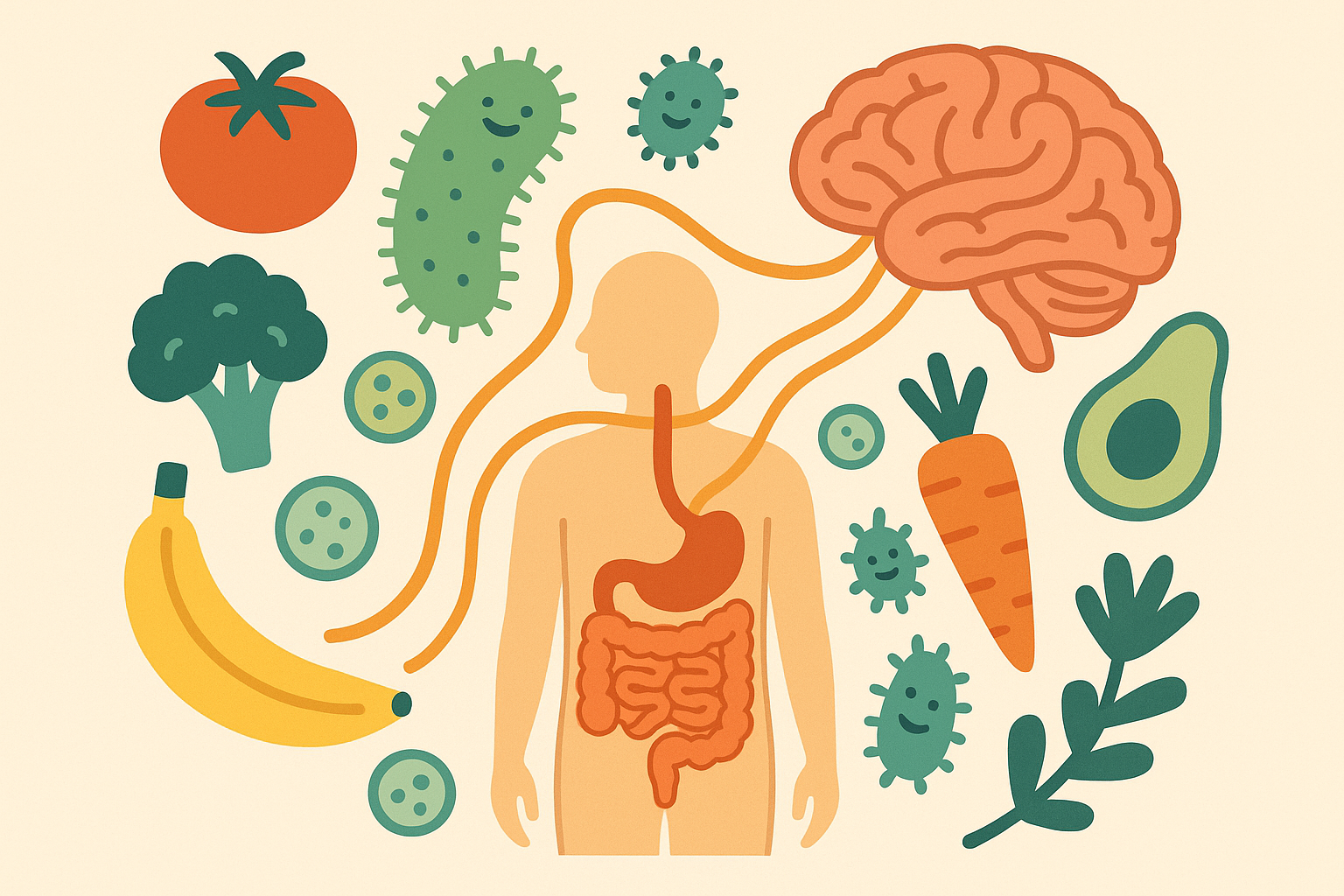
Building Your Beneficial Bacteria Army
When your gut bacteria are happy and thriving, they actually help you extract more nutrition from fewer calories and send “satisfied” signals to your brain. They produce compounds that improve blood sugar control and reduce inflammation throughout your body.
Different bacterial strains have different food preferences, and feeding the right ones can dramatically improve how you feel and how your body responds to food. Think of it as recruiting the right team members for your metabolic success.
Resistant Starch: Your Gut Bacteria’s Favorite Fuel
Including 15-20g of resistant starch daily (cooled potatoes, green bananas, oats) feeds the bacteria that help your body handle carbs more efficiently. These bacteria produce compounds that literally improve your insulin sensitivity and reduce inflammation.
Jennifer struggled with intense sugar cravings every afternoon until she started adding one medium cooled potato (15g resistant starch, 110 calories) to her lunch routine. The resistant starch fed her beneficial gut bacteria, which started producing more of the compounds that help control blood sugar. Within 10 days, her afternoon sugar cravings disappeared and her energy levels stabilized. She kept her 1500-calorie target but felt way more satisfied because her gut bacteria were finally working with her instead of against her.
Fermented Foods as Digestive Primers
Having a small serving of fermented foods (kimchi, kefir, sauerkraut) at the beginning of meals helps your digestive system break down and absorb nutrients more effectively. Think of them as primers that help you get more nutritional value from every bite.
The live cultures in fermented foods temporarily boost your digestive capacity, meaning you actually get more vitamins and minerals from the same foods. Your 1500 calories become more nutrient-dense when you include these digestive helpers.
Simple Fermented Food Strategy:
- Choose 1-2 tbsp fermented vegetables or ¼ cup kefir
- Eat 10-15 minutes before your main meal
- Start small if you’re new to fermented foods
- Rotate between kimchi, sauerkraut, and cultured vegetables
- Aim for 15-30 calories from fermented foods per meal
For more digestive support, check out 5 simple ways to beat bloat and improve digestion to get the most from your meal plan.
Strengthening the Gut-Brain Communication Highway
The connection between your gut and brain – called the vagus nerve – is like your body’s information superhighway. When this connection is strong, you get clear hunger and fullness signals. When it’s weak, you get mixed messages that lead to overeating or never feeling satisfied.
Certain foods and eating practices can strengthen this connection, leading to better appetite control and more efficient metabolism without any conscious effort on your part.
Cold Foods for Extra Calorie Burn
Adding cold foods and drinks strategically can activate brown fat – the good kind that burns calories to generate heat. This gives you an extra 50-100 calories of daily burn without any additional effort.
Simple strategies like adding ice to your water, eating frozen berries, or drinking cold green tea can provide this metabolic boost. Your 1500 calories can effectively function like 1400-1450 calories when you include these cold strategies.
The Power of Actually Tasting Your Food
Chewing each bite 30-40 times while actually paying attention to flavors activates your body’s “rest and digest” mode, improving nutrient absorption and helping you feel satisfied with less food. Most people eat so fast they miss their body’s subtle “I’m getting full” signals.
This isn’t about being obsessive – it’s about slowing down enough to let your brain catch up with your stomach. Your 1500-calorie plan becomes more satisfying when you actually taste and enjoy your food instead of mindlessly consuming it.
High-Protein 1500 Calorie Plans: What Actually Happens Inside Your Body
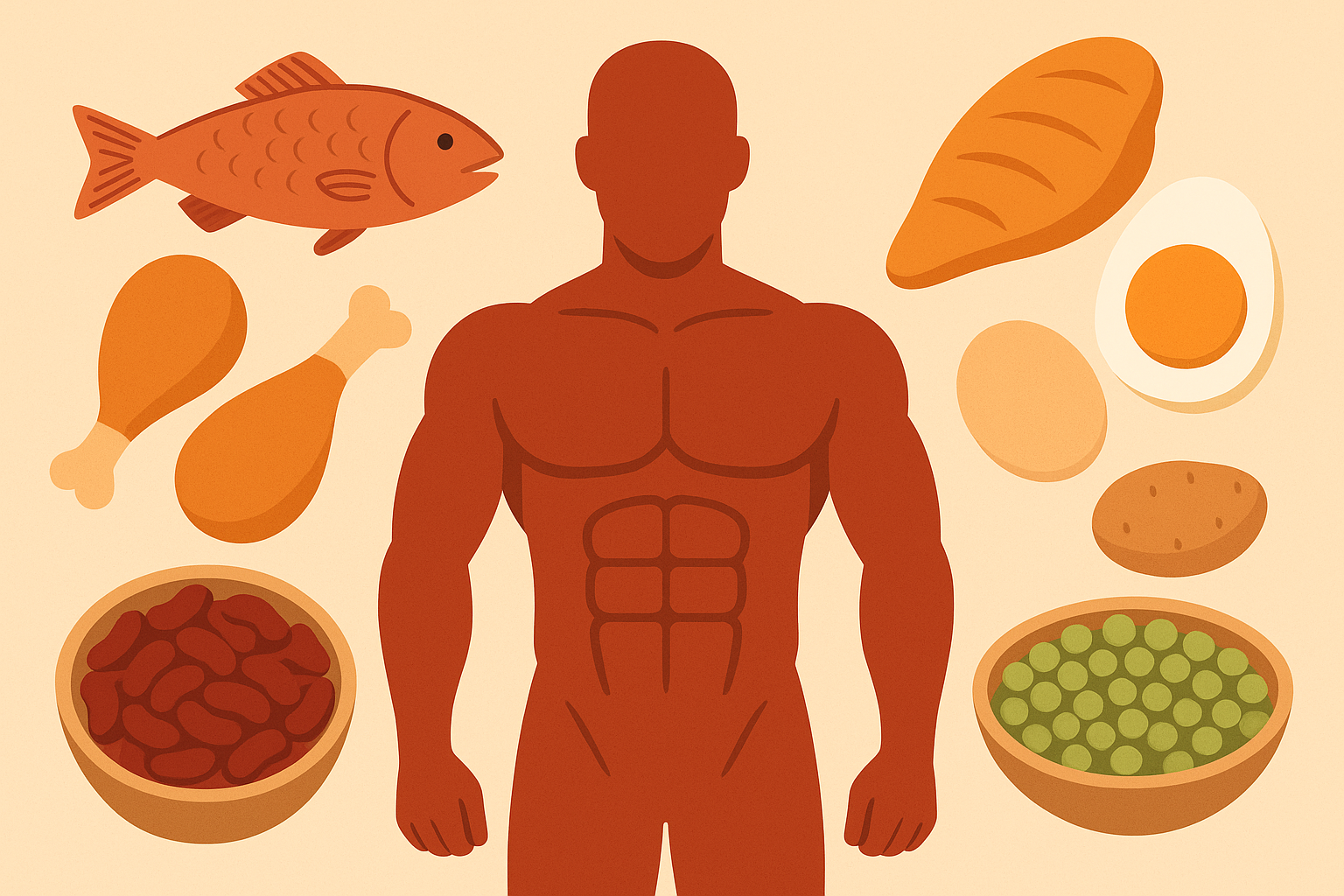
When you significantly increase protein within your 1500-calorie budget, your body undergoes some pretty amazing changes that can make those calories work much harder for you. High-protein plans don’t just help with muscle building – they create hormonal and metabolic conditions that favor fat loss while keeping you satisfied.
The math behind protein is more interesting than most people realize. Your body burns calories just digesting protein – way more than it burns digesting carbs or fats. Research shows that participants reported significantly greater satisfaction when their protein intake was doubled, even when they consumed fewer calories, highlighting why protein timing and amounts matter so much for sustainable weight loss.
The Math Behind Protein Distribution
Your muscle-building signals operate on a threshold system rather than just adding up throughout the day. You need to hit specific protein amounts at regular intervals to keep those muscle-preserving signals active, which is why eating all your protein in one meal doesn’t work as well.
Getting this timing right means your 1500 calories can metabolically function like fewer calories from other sources because protein requires so much energy to process.
Hitting Your Protein Thresholds Throughout the Day
Consuming 2.5-3g of leucine every 3-4 hours (roughly 30-35g of complete protein) maintains elevated muscle-building signals throughout the day. This isn’t just about your total daily protein – it’s about consistent signaling to your muscles that they’re needed and should stick around.
Missing these thresholds means your muscle-preservation signals drop to baseline, regardless of how much total protein you eat in a day. It’s better to spread your protein evenly than to have one huge protein meal and tiny amounts the rest of the day.
The Calorie-Burning Advantage of Protein
High-protein meals can increase your metabolism by 20-30% for 3-4 hours after eating, effectively making your 1500-calorie high-protein plan work like 1300-1350 calories from other sources. This is like getting a metabolic discount on your calories – your body burns extra energy just processing the protein.
This happens because protein requires significant energy to break down, absorb, and use. Your body literally burns calories just handling the protein you eat, which doesn’t happen nearly as much with carbs or fats.
Supporting Your Digestive System on Higher Protein
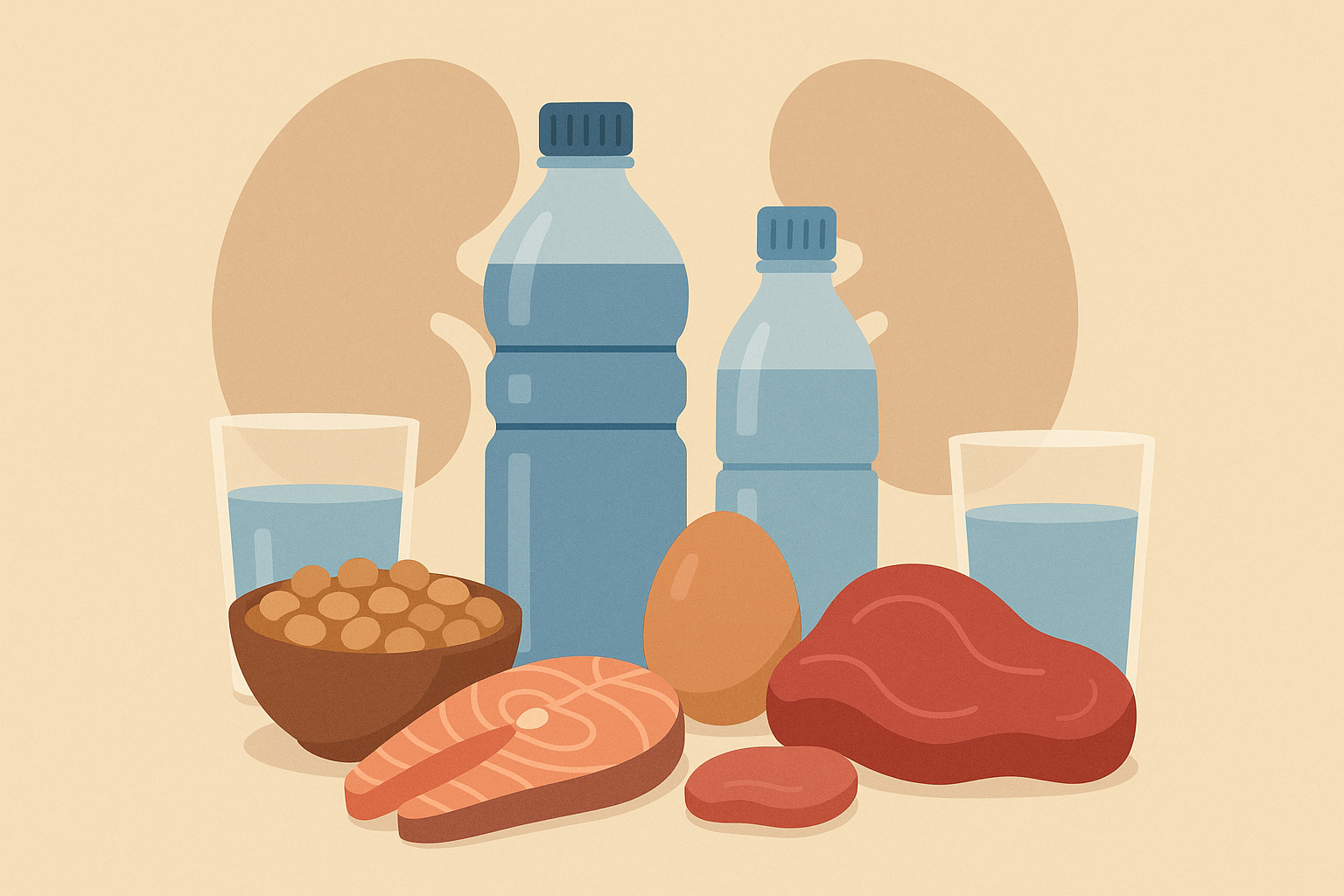
When you increase protein intake, your digestive system works harder, so it needs extra support to handle the load effectively. This might mean taking digestive enzymes with meals or making sure you’re drinking enough water to help your kidneys process everything.
Many people experience digestive discomfort when they increase protein too quickly because their system hasn’t adapted yet. Supporting your digestion ensures you can actually use the protein you’re eating instead of just stressing your system.
Protecting Your Kidneys on High-Protein Plans
Your kidneys work harder when processing protein, so they need extra support to stay healthy long-term. This doesn’t mean high-protein diets are dangerous for healthy people – it just means being smart about supporting your body’s natural processes.
Healthy kidneys can handle higher protein intake without problems, but providing additional support helps them work optimally and prevents unnecessary stress.
The Water Multiplication Rule
High-protein diets require about 35-40ml of water per gram of protein you eat. So if you’re eating 150g of protein daily, you need about 5.25-6 liters of total fluid (including water from food sources like fruits and vegetables).
This isn’t optional – it’s essential for kidney health and making sure your body can actually use all that protein effectively. Inadequate hydration on high-protein diets can lead to kidney stress and reduced results.
High-Protein Hydration Checklist:
- Figure out your daily protein intake in grams (aim for 120-150g on 1500 calories)
- Multiply by 35-40ml for your total fluid needs
- Include water from food sources (fruits, vegetables, soups)
- Spread your water intake throughout the day
- Check your urine color – it should be pale yellow
- Add electrolytes if you’re drinking more than 4 liters daily
Creating the Perfect Caloric Deficit Without Destroying Your Metabolism
Here’s the truth nobody talks about: not everyone should be eating 1500 calories. Your metabolic rate, stress levels, sleep quality, and activity level all determine whether 1500 calories represents a healthy deficit for your body or a recipe for metabolic slowdown.
Some people need to eat more to lose weight effectively, while others may need less. The key is finding your personal sweet spot and understanding how to maintain it long-term. For women specifically, learning about how to approach intermittent fasting can be another tool in your toolkit.
Cookie-cutter approaches fail because everyone’s metabolism is different, and what works for your friend might be completely wrong for your body.
Finding Your Personal Metabolic Sweet Spot
Your metabolic signature includes things like your natural metabolic rate, hormone levels, stress response, and how flexible your metabolism is. These factors determine how your body responds to calorie restriction and whether 1500 calories will actually give you the results you want.
Understanding your individual factors helps you create a plan that works with your body instead of against it. This prevents the frustrating cycle of initial success followed by plateaus and eventual regain.
The Reverse Diet Approach
If you’ve been eating very low calories for months (think 1200 or fewer), your metabolism may have slowed down to match. Jumping straight to 1500 calories might cause temporary weight gain as your metabolism recovers, which is why some people need to gradually increase their intake over 6-8 weeks.
Sometimes you literally need to eat more to lose weight effectively. This sounds counterintuitive, but a slowed metabolism from prolonged restriction often needs to be restored before effective fat loss can happen again.
Preventing the Dreaded Plateau
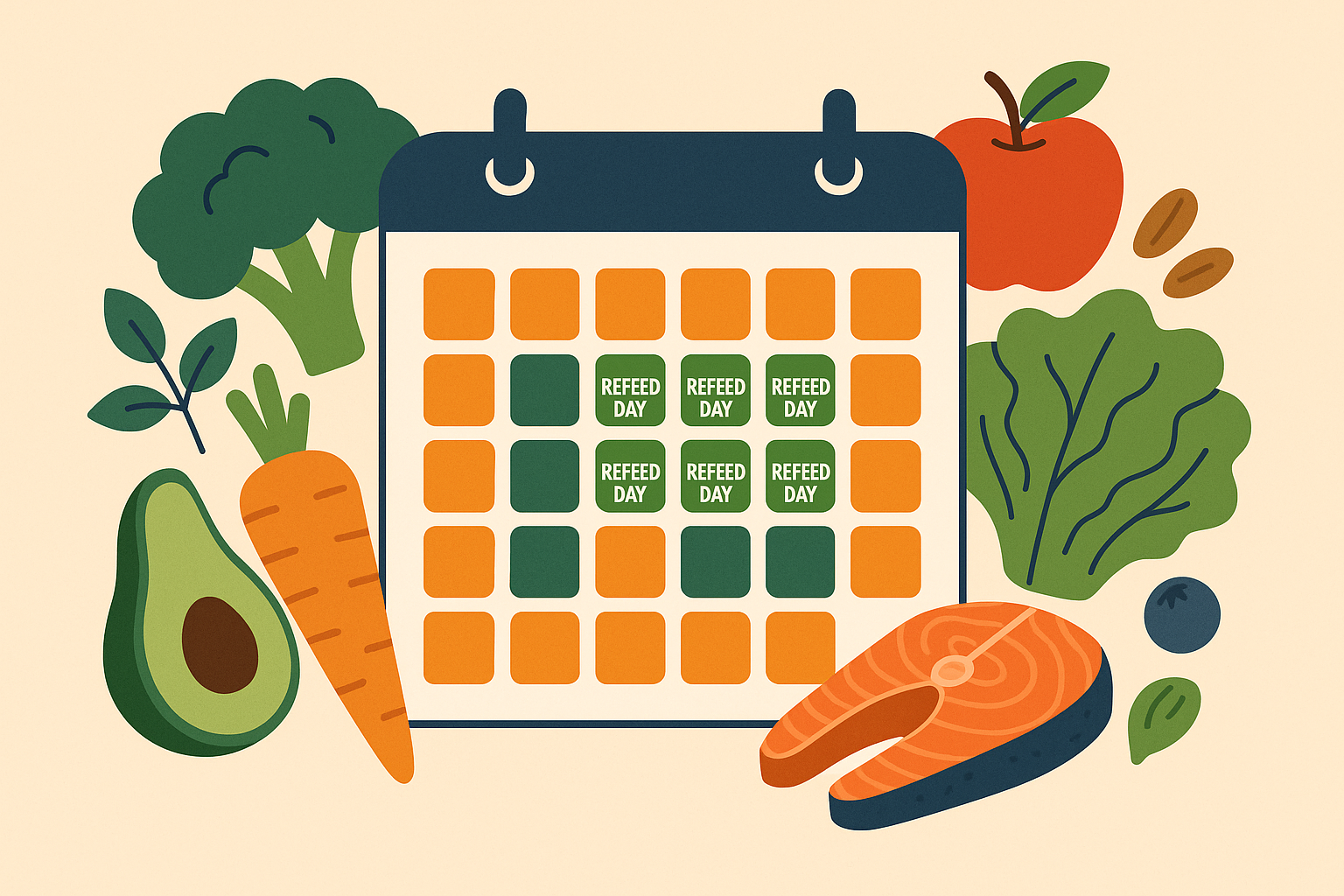
Having strategic higher-calorie days at maintenance level (typically 1800-2200 calories) every 7-14 days prevents your metabolism from adapting and slowing down. These aren’t cheat days – they’re metabolic maintenance days that keep your system running optimally.
Your body produces leptin, a hormone that controls metabolism and hunger. During calorie restriction, leptin drops significantly, which slows your metabolism and increases hunger. Regular higher-calorie days restore leptin levels and prevent your body from thinking it’s in starvation mode.
Making It Actually Sustainable for Real Life
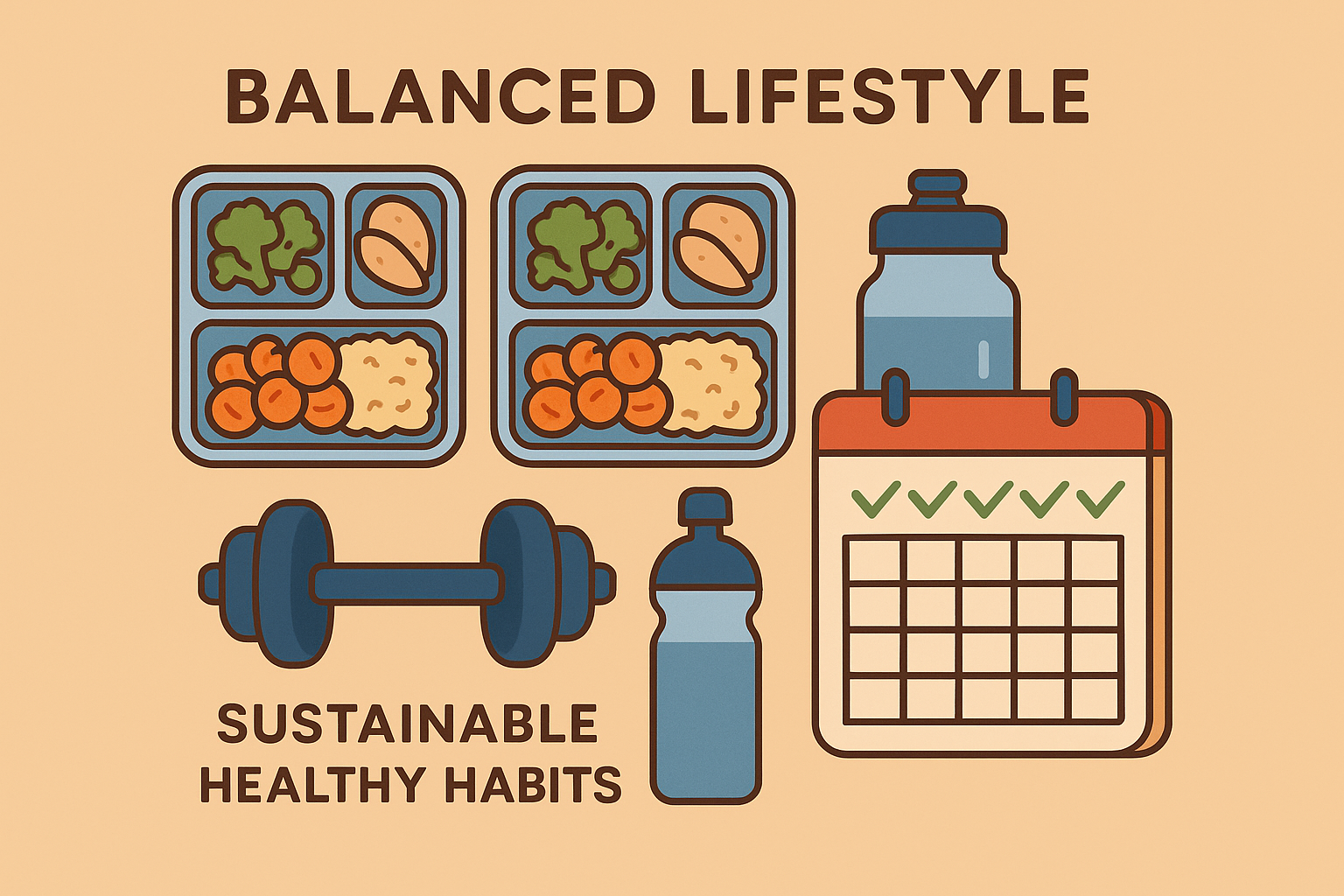
The best meal plan is the one you can actually follow for months, not just weeks. Willpower is limited and gets depleted throughout the day, so your 1500-calorie plan needs to minimize decision fatigue and psychological stress to be sustainable long-term.
The most scientifically perfect plan is worthless if you can’t stick to it consistently. Real life happens, and your plan should work with that reality rather than requiring perfect conditions.
Reducing Daily Food Decisions
Batch cooking 3-4 base proteins and rotating vegetables reduces the mental load of constantly deciding what to eat while still providing enough variety to prevent boredom. Having pre-prepared options removes the daily “what should I eat” stress that derails so many people.
When you’re hungry and tired, you make different food choices than when you’re calm and prepared. Having healthy options ready eliminates the need to make good decisions when you’re least capable of making them.
Planning for Real Life Situations
Building 200-300 “flex calories” into your daily budget for social situations prevents the all-or-nothing thinking that destroys long-term success. Life includes work dinners, social events, and unexpected situations – your plan should accommodate that reality.
Social events and unexpected situations are part of normal life, not failures to plan around. Building flexibility into your calorie budget prevents these situations from derailing your entire approach.
Flex Calorie Strategy:
- Daily Base: 1200-1300 structured calories from planned meals
- Flex Reserve: 200-300 calories for social or unexpected situations
- Weekly Budget: 1400-2100 flex calories to distribute as needed
- Recovery Protocol: If you go over one day, reduce the next day by 100-200 calories
- Social Events: Look at menus ahead of time and estimate portions
- Travel Days: Focus on protein and vegetables, be flexible with timing
When you’re ready to implement these strategies and want high-quality support for your protein goals, consider marine collagen peptides to enhance the muscle-preserving effects we discussed.
Final Thoughts
The science behind effective 1500-calorie meal planning goes way deeper than just counting calories. Your body is incredibly smart and responds to timing, food quality, and strategic changes in ways that can either accelerate your results or completely sabotage them.
What I find most exciting about this approach is how it lets you work with your body’s natural rhythms instead of fighting against them. Whether you’re a morning person who should eat most of your carbs at breakfast or a night owl who can handle them at dinner, understanding your personal patterns makes all the difference.
The micronutrient combinations, protein timing strategies, and gut health optimization aren’t just fancy science concepts – they’re practical tools that can transform how your body responds to every single meal. When you start thinking about food as information for your body rather than just fuel, everything changes.
Look, I know this sounds like a lot. You’re probably thinking “Great, another expert telling me I’m doing everything wrong.” But here’s the thing – you don’t need to do all of this at once. Your body isn’t broken, and you’re not failing. You just need the right approach for YOU.
Start with one or two strategies that sound doable and try them for a week. Maybe it’s eating your biggest protein portion at lunch, or adding some fermented vegetables before meals, or simply eating your carbs at the time that matches your natural energy patterns. Master those, then gradually add others.
Some days you’ll nail the timing perfectly. Other days you’ll eat leftover pizza at 11 PM. That’s called being human, and it doesn’t ruin everything. Don’t stress if you can’t measure out exactly 2.5g of leucine – just aim for a palm-sized portion of protein at each meal and you’ll be close enough.
Your metabolism is adaptable and resilient when you give it consistent signals over time. The goal isn’t perfection – it’s progress and finding an approach you can actually stick with for months, not just weeks. Small changes really do add up to big results when you’re patient with yourself and trust the process.