3000 Calorie Meal Plan: Why Your Body’s Internal Clock Determines Success (And Most People Get This Wrong)


According to FitMenCook, studies show it’s safe to gain about 0.5-2 pounds per week on a high-calorie plan, with severely undernourished individuals potentially gaining up to 4 pounds weekly. But here’s the thing – most people attempting 3000-calorie meal plans fail because they ignore their body’s natural eating schedule and try to force massive amounts of food down overnight.
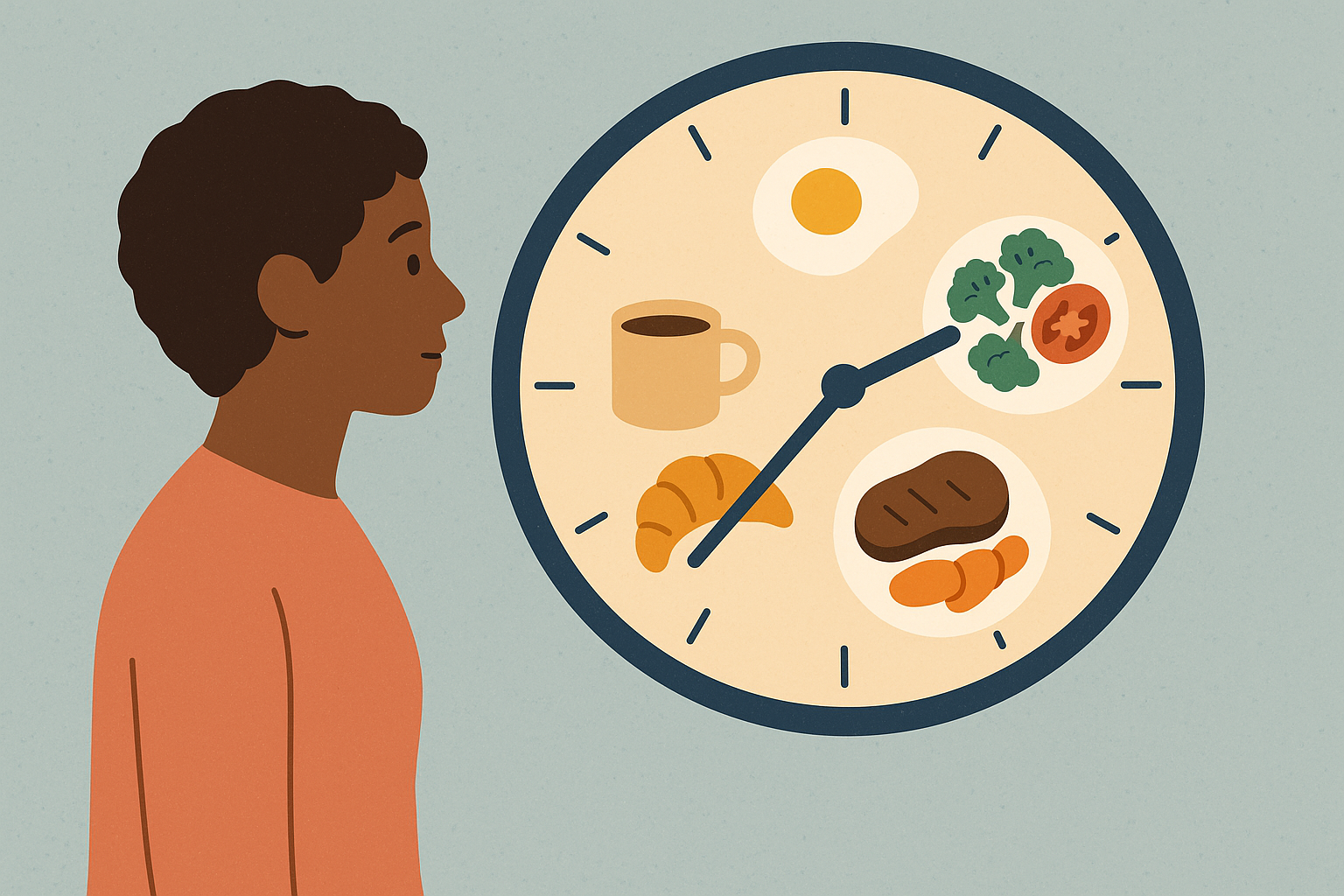
Table of Contents
- Understanding Your Body’s Natural Eating Windows
- The Hidden Challenge of Eating More Without Feeling Terrible
- Why Your Brain Fights Against High-Calorie Goals
- Smart Food Engineering for Maximum Results
- How Your Hormones Change Everything
- Advanced Timing Strategies That Actually Work
- Getting Support for Your High-Calorie Journey
TL;DR
- Your body has specific windows where it actually wants bigger meals – morning and early afternoon are your golden hours
- Successfully eating 3000 calories isn’t about forcing food down, it’s about training your digestive system gradually over 4-6 weeks
- 80% of your calories should come from nutrient-dense whole foods to avoid feeling like crap despite eating more
- Your brain will fight against eating this much due to diet culture programming – you need specific mental strategies to get over this
- Liquid calories and strategic meal timing can help you hit targets without feeling constantly stuffed
- Your hormones will change from eating this much – you need to manage this actively to prevent problems
Understanding Your Body’s Natural Eating Windows
Your body operates on a pretty predictable eating schedule that dramatically affects how well you handle 3000 calories. Let me share what I’ve learned about when your body actually wants bigger meals and how to work with these natural patterns instead of fighting against them. This isn’t about eating whenever you feel like it – there’s actual science behind when your body is primed for food that most people completely ignore.

Your Morning Sweet Spot
Between 6-10 AM, your body is basically saying “hey, I’m ready for fuel!” You haven’t eaten all night, so your body handles carbs better during these hours and you have elevated energy hormones that create perfect conditions for processing 800-1000 calories efficiently.
Your body handles carbs better in the morning – this isn’t just some abstract concept, it’s your body literally being better at using food during these hours. I’ve seen people struggle with their 3000 calorie meal plan because they’re eating tiny breakfasts and massive dinners, which is completely backwards from how your body actually works.
During this window, your energy hormones are naturally elevated (which sounds scary but is actually beneficial here). This creates the perfect environment for your body to use glucose and store energy properly. Your body is essentially saying “give me fuel now” rather than “store this for later.”
Just as Dr. Mark Hyman’s 5 rules for a truly healthy breakfast emphasize the importance of starting your day with proper nutrition, timing your largest caloric intake during morning hours maximizes how well your body uses food.
Take professional bodybuilder Regan Grimes’ approach: his first meal after morning cardio includes 100g cream of rice, 100g blueberries, 1.5 cans of tuna, and 10g coconut oil – delivering approximately 800 calories with optimal macro timing. As Grimes notes, “Super simple but right now, everything is delicious. I just got back from my morning routine.”
The Afternoon Powerhouse Period
Your body’s muscle-building rates peak during midday hours (12-3 PM), which coincides with when your digestive system is firing on all cylinders. This 5-hour window should be your biggest meal of the day, focusing on high-quality proteins and healthy fats while your body is in rest-and-digest mode.
This is where you can really take advantage of your body’s natural rhythms. Your digestive system is working at its best during these hours – your body is producing the most digestive enzymes, you’re in rest-and-digest mode (which helps nutrient absorption), and your muscle-building rates are elevated.
I recommend making this your biggest meal of the day – we’re talking 1000-1200 calories. Your body can handle it during this window in ways it simply can’t later in the evening. Being in rest-and-digest mode during this period also reduces stress on your system, meaning you’ll feel energized rather than sluggish after eating.
Training Your Body to Switch Fuel Sources Efficiently
Here’s something most people don’t realize – your body’s ability to seamlessly switch between burning carbs and fats becomes crucial when you’re eating 3000 calories daily. Without this flexibility, those extra calories are more likely to get stored as fat rather than used for energy or muscle building. Let me show you specific ways to enhance this.
Most people’s metabolisms are stuck in one gear. They’re either sugar burners or fat burners, but not both efficiently. When you’re eating 3000 calories, this becomes a real problem because your body doesn’t know what to do with all that incoming energy.
The 3-Day Rotation That Changes Everything
Here’s what actually works: cycling between high-carb days, moderate days, and higher-fat days with specific ratios that keep your metabolism guessing. This prevents your body from getting lazy and adapting to all those calories.
Here’s the breakdown: high-carb days (55% carbs, 25% protein, 20% fat), moderate days (40% carbs, 30% protein, 30% fat), and higher-fat days (25% carbs, 25% protein, 50% fat). This keeps your metabolism from adapting and getting sluggish.
Understanding how to find your carb tolerance becomes essential when cycling between different macronutrient ratios throughout the week.
| Day Type | Carbs | Protein | Fat | Total Calories | Primary Focus |
|---|---|---|---|---|---|
| High-Carb | 55% (413g) | 25% (188g) | 20% (67g) | 3000 | Refilling energy stores |
| Moderate | 40% (300g) | 30% (225g) | 30% (100g) | 3000 | Balanced recovery |
| Higher-Fat | 25% (188g) | 25% (188g) | 50% (167g) | 3000 | Fat adaptation |
Here’s how to actually implement this:
- Track how your body responds to different ratios for 2 weeks
- Start with consistent ratios to establish your baseline
- Introduce the 3-day cycling, paying attention to energy levels and how you feel
- Adjust based on your training schedule and recovery
Timing Nutrients for Maximum Absorption
Different nutrients get absorbed better at different times of day – and this doesn’t align with traditional meal timing. Understanding when your body best absorbs specific nutrients can significantly improve how well your 3000-calorie plan works.
This is where most people mess up – they think all nutrients are absorbed equally at any time of day. That’s completely wrong. Your body absorbs magnesium better in the evening when stomach acid production is lower, while iron absorption is highest in the morning when certain blocking hormones are reduced.
You can eat the same exact foods and get dramatically different results just by timing them correctly. It’s like having a cheat code for your digestive system.
The Hidden Challenge of Eating More Without Feeling Terrible
When you scale up to 3000 calories, the biggest challenge isn’t hitting your calorie targets – it’s maintaining good nutrition and not feeling like garbage. Most people focus solely on hitting their macros, but at higher caloric intakes, you can actually become malnourished despite eating more food overall.
The 80/20 Rule That Actually Matters
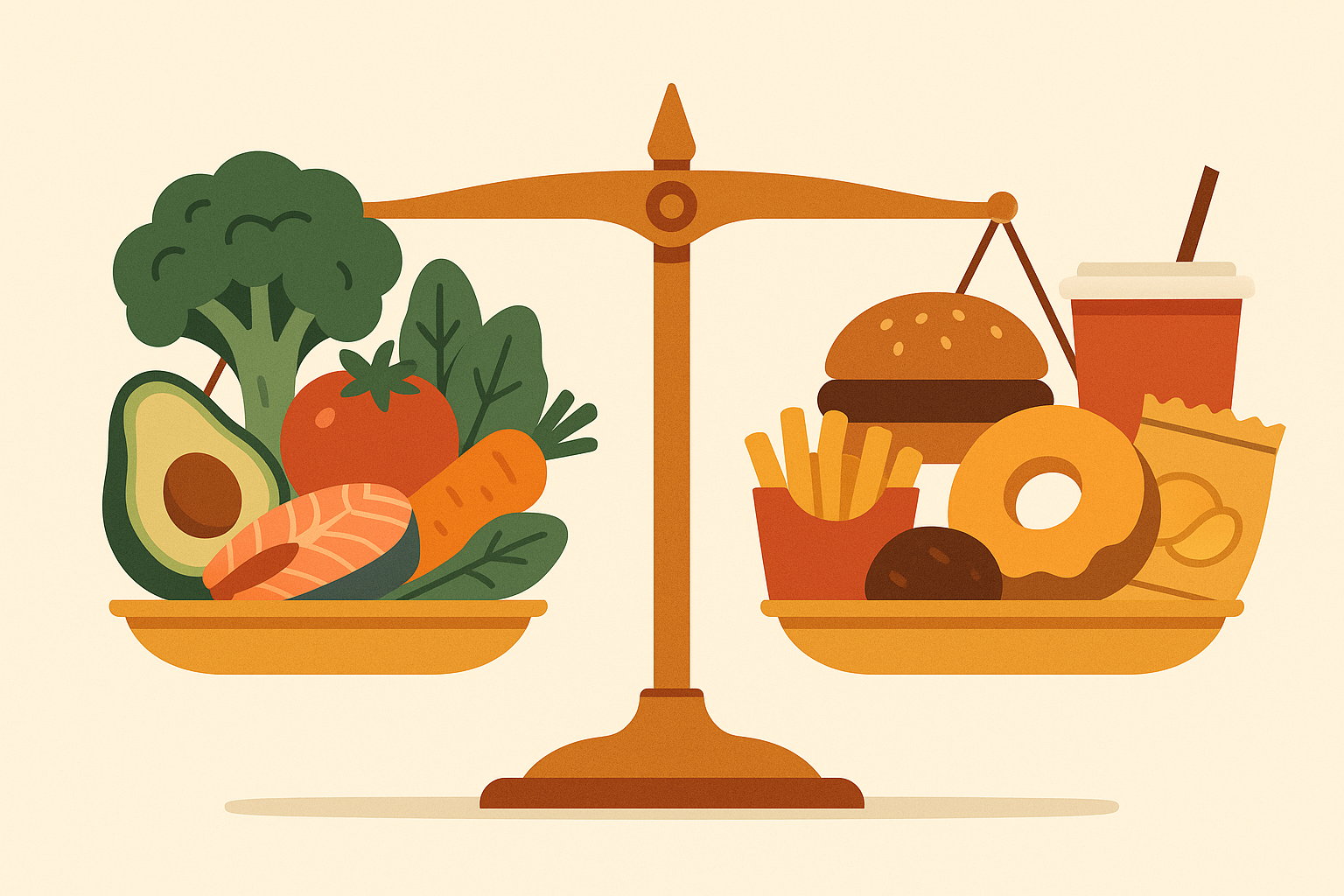
Making sure 80% of your calories come from nutrient-dense whole foods means 2400 of your 3000 calories provide maximum nutrition value, while the remaining 600 calories give you flexibility for less nutritious foods that keep you sane and help you stick with the plan.
Research from BetterMe shows that consuming 3000 calories through processed junk foods leads to nutritional deficiencies, obesity, cardiovascular diseases, type 2 diabetes, and hypertension, making nutrient density crucial for avoiding these health risks.
I can’t stress this enough – you can’t just eat 3000 calories of whatever and expect to feel good. The 80/20 rule ensures that 2400 of your calories come from foods that are actually nutritious. The remaining 600 calories? That’s your flexibility buffer for foods that keep you mentally satisfied and help you stick with this long-term.
Here’s how to make this work practically:
- Learn which foods give you the most nutrition per calorie
- Focus on foods that score high on nutrition density scales
- Build your meal framework around these high-scoring foods first
- Fill remaining calories with foods that support your training and mental sanity
Making Your Food Work Harder
Just counting calories ignores that how much nutrition you actually get varies dramatically based on how you prepare and combine foods. Strategic food combining and preparation can increase nutrient absorption by hundreds of percent.
Raw calorie counting is amateur hour. How much nutrition you actually get changes dramatically based on how you prepare and combine foods. Cooking tomatoes increases a key antioxidant by 300%. Eating vitamin C with iron increases iron absorption by up to 400%. These aren’t small differences – they’re game-changers.
You could be eating the “perfect” 3000-calorie meal plan on paper but getting terrible results because you’re ignoring how your body actually uses what you eat. It’s not just what you eat, it’s how your body processes what you eat.
Similar to how these 5 simple ways to beat bloat and improve digestion focus on optimizing nutrient absorption, strategic food preparation becomes crucial for high-calorie success.
Training Your Digestive System
Here’s something nobody talks about – most people attempting 3000-calorie meal plans fail because they don’t account for digestive adaptation. Your stomach capacity, enzyme production, and gut bacteria need time to adjust to increased food volume through gradual increases over 4-6 weeks.
Your digestive system isn’t a garbage disposal – it’s more like a muscle that needs training. Most people try to jump from 2000 to 3000 calories overnight and wonder why they feel terrible. Your stomach needs to physically expand, your digestive enzymes need to step up production, and your gut bacteria need to adapt.
The Week-by-Week Progression That Works
Starting with your current comfortable meal size and increasing by 10-15% weekly allows your stomach to physically expand while giving your digestive system time to adapt. This systematic approach prevents the digestive distress that derails most high-calorie attempts.
Your progression timeline:
- Week 1-2: Increase current portions by 10%
- Week 3-4: Add 15% more volume, focus on liquid calories if needed
- Week 5-6: Reach target portions, fine-tune timing and what you’re eating
- Week 7+: Maintain and optimize based on how your digestion feels
This isn’t just about stomach capacity. Your pancreas produces about 1.5 liters of digestive enzymes daily, but this production can be enhanced through specific nutrients and timing strategies. Bitter foods consumed 15-20 minutes before meals help stimulate digestive enzyme release.
Why Your Brain Fights Against High-Calorie Goals
The biggest barrier to successful 3000-calorie meal plans isn’t physical – it’s mental. Many people have deeply ingrained beliefs about “overeating” or feel guilty consuming large quantities of food, even when it’s medically or athletically necessary. This requires fundamentally changing how you think about food.
Rewiring Your Food Relationship
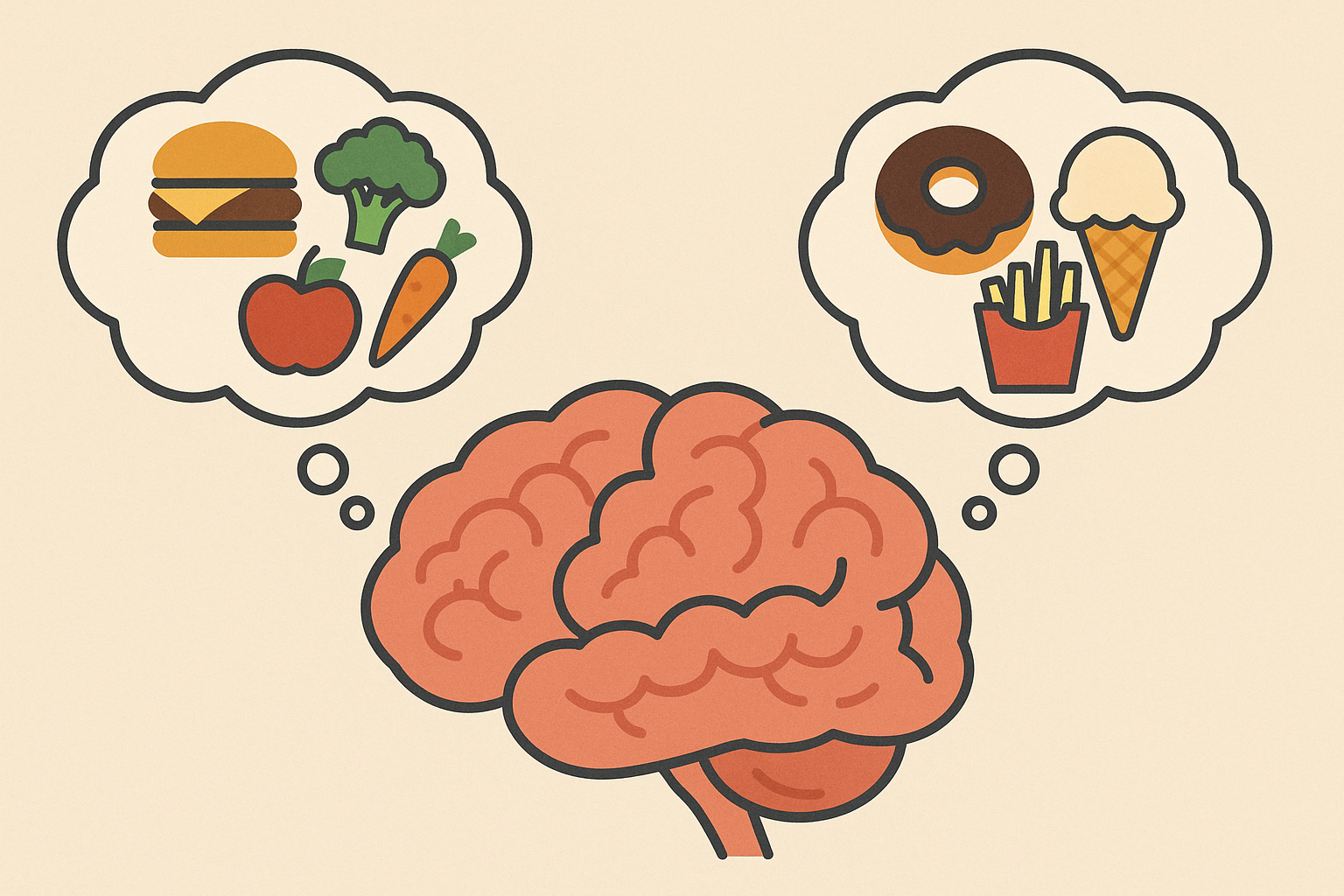
Diet culture has absolutely destroyed most people’s relationship with food quantity. You’ve been programmed to think eating large amounts is inherently bad, regardless of your actual needs. This mental programming will sabotage your 3000-calorie plan faster than any digestive issue.
Mental shifts you need to make:
- Change from “eating too much” to “fueling performance”
- View increased appetite as a sign of good health, not lack of control
- Understand that your caloric needs are unique to your body and goals
- Practice mindful eating to distinguish between physical and emotional fullness
Breaking free from toxic diet culture becomes essential when pursuing higher caloric intake goals, as restrictive mindsets directly conflict with nourishment-focused approaches.
Dealing with Meal Fatigue
Here’s something nobody talks about – meal fatigue is real. When you have to eat large quantities regularly, food can start feeling more like work than enjoyment. This psychological shift can completely derail your progress because eating becomes stressful instead of satisfying.
The solution isn’t to power through it. You need strategies to maintain food enjoyment while meeting your caloric targets. This might mean more variety in how you prepare food, different textures and temperatures, or strategic use of favorite foods as rewards rather than daily staples.
NFL player Arik Armstead shared with GQ how he maintains food enjoyment during high-calorie phases: “I work hard, and it’s OK to treat yourself every now and then. I have my diet and my regimen, but I’m not so rigid in the sense that I won’t enjoy myself or have a great cheat meal from time to time.”
Handling Social Pressure and Comments
People will comment on your eating. It’s inevitable. Friends, family, coworkers – they’ll all have opinions about why you’re eating “so much.” Having ready responses helps you maintain confidence while educating others about your specific needs.
Responses that actually work:
- “I’m following a specific nutrition plan designed for my training/health goals”
- “My caloric needs are higher due to my metabolism/activity level”
- “I’m working with a professional to optimize my nutrition”
These responses are polite but firm, educational without being defensive, and they shut down further questioning without creating conflict.
Smart Food Engineering for Maximum Results
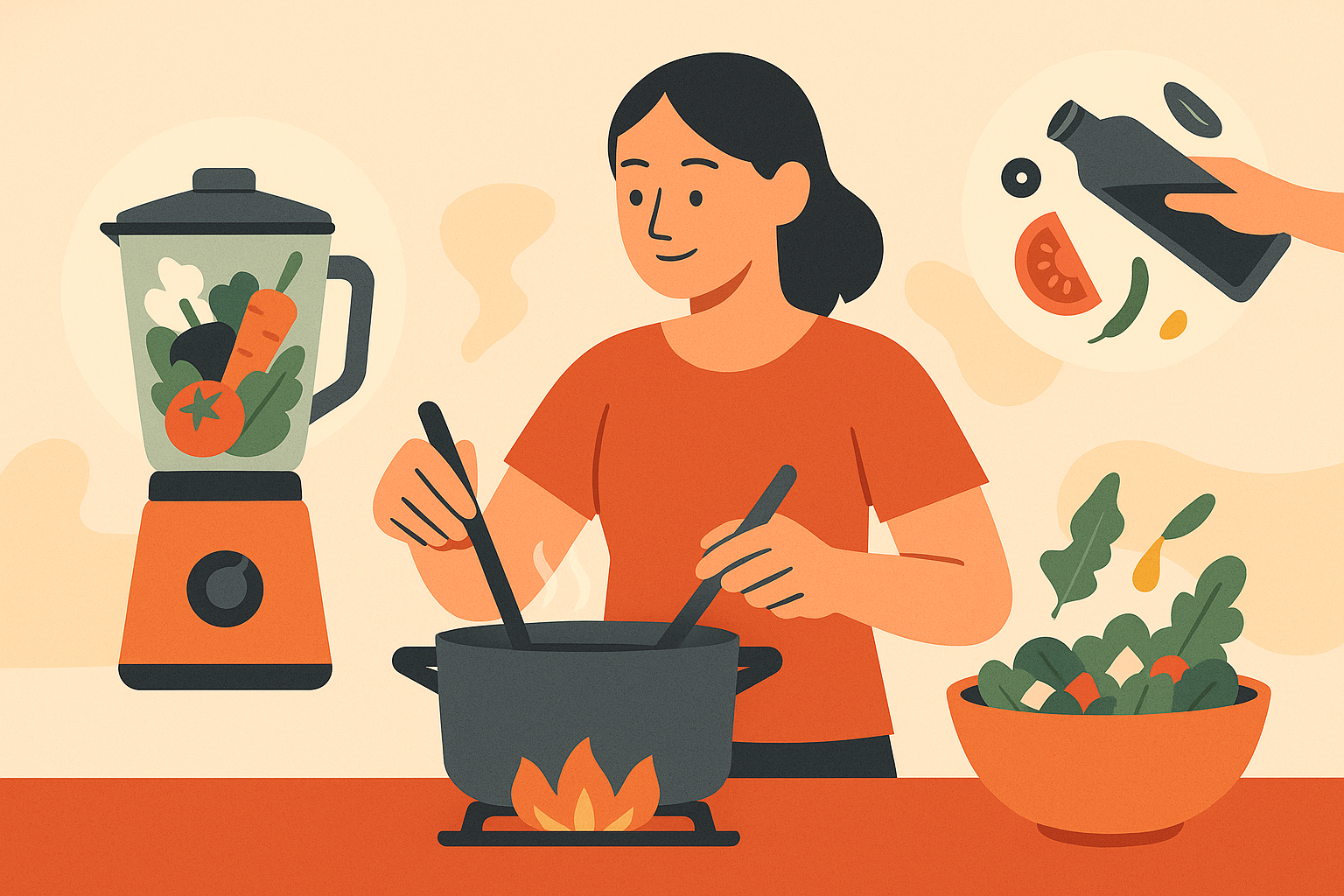
The key to successful 3000-calorie meal plans lies in eating smarter, not just more food. By understanding calorie density and nutrient concentration, you can meet targets without overwhelming your digestive system through strategic liquid calorie integration and texture manipulation.
Using Liquid Calories Strategically
Liquid calories are your secret weapon, but most people use them wrong. They bypass a lot of fullness signals, which means you can get calories in without feeling stuffed. But timing matters more than you think.
Your optimal liquid calorie strategies:
- Post-workout: Fast-absorbing liquid carbs (50-75g) with whey protein (25-40g)
- Between meals: MCT oil in coffee or tea (15-30ml) for sustained energy
- Pre-bed: Casein protein smoothies (30-40g protein, 200-300 calories) for overnight recovery
- Morning: Green smoothies with healthy fats and protein (400-500 calories)
A practical liquid calorie approach includes a whey protein, banana, and peanut butter shake delivering 849 calories with 55g protein, 71g carbs, and 40g fat – providing nearly 30% of your daily caloric target in one easily digestible meal.
Temperature and Texture Tricks
Food temperature and texture significantly impact how fast you digest food, how full you feel, and how well you absorb nutrients. Warm foods generally digest faster and make you feel full quicker, while cold foods can slow digestion and give you a longer eating window.
This is where food science gets interesting. Warm foods digest faster and make you feel full quicker – not always what you want when trying to hit 3000 calories. Cold foods slow digestion, giving you a longer window to eat without feeling overstuffed.
You can literally manipulate your hunger and fullness cues by changing food temperature and texture. It’s like having control switches for your appetite.
Understanding how to cook delicious oatmeal every time demonstrates how preparation methods can dramatically
Finding Your Ideal Meal Frequency
The traditional “three meals plus snacks” approach often fails for 3000-calorie plans because it creates overwhelming meal sizes or constant eating. Neither feels sustainable.
Three meals a day doesn’t work for 3000 calories. You’ll either have massive, uncomfortable meals or you’ll be eating constantly. Neither approach feels doable long-term.
The 5-Meal Protocol That Actually Works
This approach balances meal size with frequency, preventing both extreme hunger and uncomfortable fullness while keeping your blood sugar stable through strategic calorie distribution across five eating windows.
Sample distribution that works:
- Meal 1 (7 AM): 500 calories – Protein + complex carbs
- Meal 2 (10 AM): 400 calories – Liquid nutrition focus
- Meal 3 (1 PM): 800 calories – Largest meal with complete macros
- Meal 4 (4 PM): 600 calories – Pre/post-workout nutrition
- Meal 5 (7 PM): 700 calories – Slower-digesting proteins and fats
Compressed Feeding Windows
Some people do better cramming all their calories into 8-10 hours. Sounds crazy, but it can actually improve how your body handles insulin and makes digestion more efficient. Plus, it simplifies your day – you’re either eating or you’re not.
How to make this work:
- Gradually compress eating window by 1 hour weekly
- Start with 12-hour window, work toward 8-hour target
- Focus first meal on breaking fast properly with easily digestible foods
- End eating window 3-4 hours before bedtime for better sleep
Similar to the principles outlined in how to do intermittent fasting properly, compressed feeding windows require careful planning to ensure adequate nutrient intake within shorter timeframes.
| Meal Timing Strategy | Eating Window | Meals Per Day | Average Meal Size | Best For |
|---|---|---|---|---|
| Traditional | 14-16 hours | 3 + snacks | 600-800 calories | Beginners |
| 5-Meal Protocol | 12 hours | 5 | 600 calories | Most people |
| Compressed Window | 8-10 hours | 3-4 | 750-1000 calories | Advanced |
| Athlete Protocol | 10-12 hours | 6 | 500 calories | High activity |
How Your Hormones Change Everything
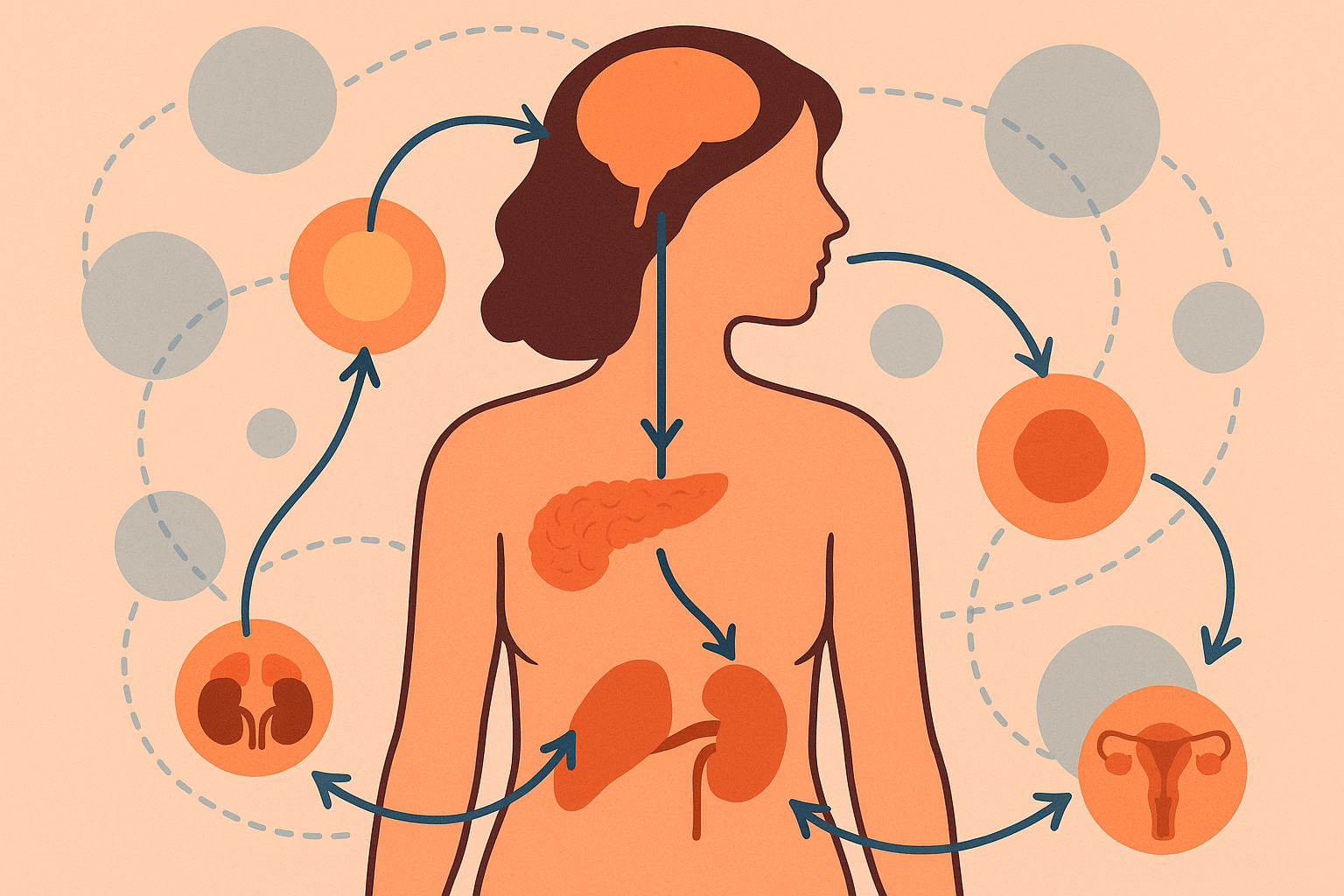
When you consistently consume 3000 calories, your body starts a cascade of hormonal changes that affect everything from sleep quality to brain function. Understanding and managing these changes, particularly your hunger hormones and blood sugar management, is crucial for long-term success.
Managing Your Hunger Hormones Without Losing Your Mind
Higher caloric intake increases leptin production, which should signal satisfaction and increase energy expenditure. However, chronic overconsumption can lead to leptin resistance – basically, your hunger signals get messed up, and you end up needing even more food to feel satisfied, which obviously sucks.
Prevention strategies that work:
- Do weekly 16-hour fasting windows to reset your hunger hormone sensitivity
- Get 2-3g of omega-3 fatty acids daily to reduce brain inflammation
- Keep consistent sleep schedules to support your hunger hormones’ natural rhythm
- Include periodic calorie cycling to prevent your body from adapting
Keeping Your Blood Sugar System Happy
With 3000 calories, you’ll likely consume 300-450g of carbohydrates daily, putting significant stress on your blood sugar system. Without proper management through strategic timing and food choices, this can lead to insulin resistance and difficulty using nutrients effectively.
According to BetterMe research, a 3000-calorie plan typically contains 300-450g of carbohydrates daily, requiring careful insulin management to prevent resistance and metabolic dysfunction.
You’re probably looking at 300-450g of carbs daily with a 3000-calorie meal plan. That’s a lot of work for your blood sugar system. Without proper management, you’re setting yourself up for insulin resistance and a whole host of problems.
The key isn’t avoiding carbs (that’s not realistic at 3000 calories), it’s timing them strategically and supporting your blood sugar system with the right nutrients and lifestyle factors.
Understanding which 6 hormones to keep in balance becomes critical when managing the complex hormonal cascade triggered by sustained high-calorie intake.
Fighting Inflammation Before It Starts
More food means more potential for inflammation, especially if you’re overwhelming your digestive system or eating poor-quality foods. This inflammation impairs nutrient absorption and recovery – exactly what you don’t want when you’re trying to optimize a high-calorie plan.
Anti-Inflammatory Timing That Matters
Rather than randomly adding anti-inflammatory foods, timing their consumption around your largest meals maximizes their protective effects. Strategic placement can reduce post-meal inflammatory markers significantly.
Timing anti-inflammatory compounds around your biggest meals can reduce post-meal inflammatory markers by up to 40%. Curcumin with black pepper consumed 30 minutes before your largest meal is like insurance for your digestive system.
Protecting Your Gut Under Pressure
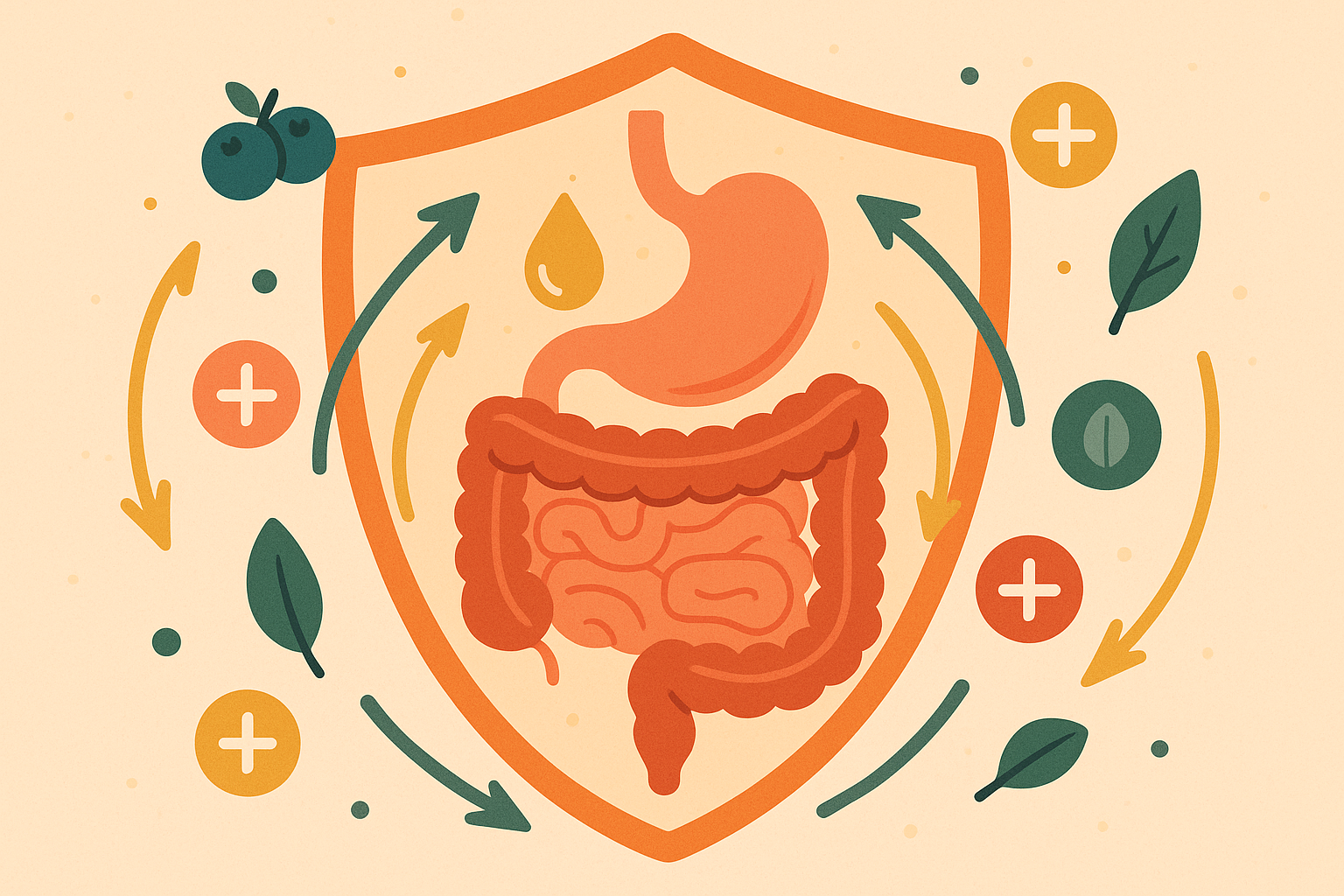
High food volumes can mess with your gut barrier function, leading to increased intestinal permeability that allows toxins to enter circulation. A daily gut protection routine with specific nutrients and timing can maintain intestinal integrity.
Daily gut protection routine:
- Morning: L-glutamine (10g) on empty stomach
- Pre-meals: Digestive enzymes with betaine HCl
- Evening: Zinc carnosine (75mg) for overnight gut repair
- Weekly: 24-hour bone broth fast to reset gut lining
Advanced Timing Strategies That Actually Work
Most people think meal timing is just about convenience, but it’s actually one of the most powerful tools you have for optimizing a 3000-calorie plan. The right timing can make you feel energized instead of sluggish, satisfied instead of stuffed, and help your body actually use all those calories effectively.
Your body has natural rhythms for hormone production, enzyme release, and nutrient uptake. Working with these rhythms instead of against them transforms how you feel and perform on a high-calorie plan.
Professional bodybuilder Regan Grimes demonstrates this principle by strategically timing his carbohydrate intake: “Only have carbs in a couple meals so it has to be timed properly,” consuming his pre-workout meal with 70g banana, 80g cream of rice, and 50g protein shake for optimal performance.
Advanced timing checklist:
- Morning meal within 1 hour of waking
- Pre-workout carbs 1-2 hours before training
- Post-workout protein within 30 minutes
- Largest meal during 12-3 PM window
- Final meal 3-4 hours before bed
- Hydration timed around, not during, meals
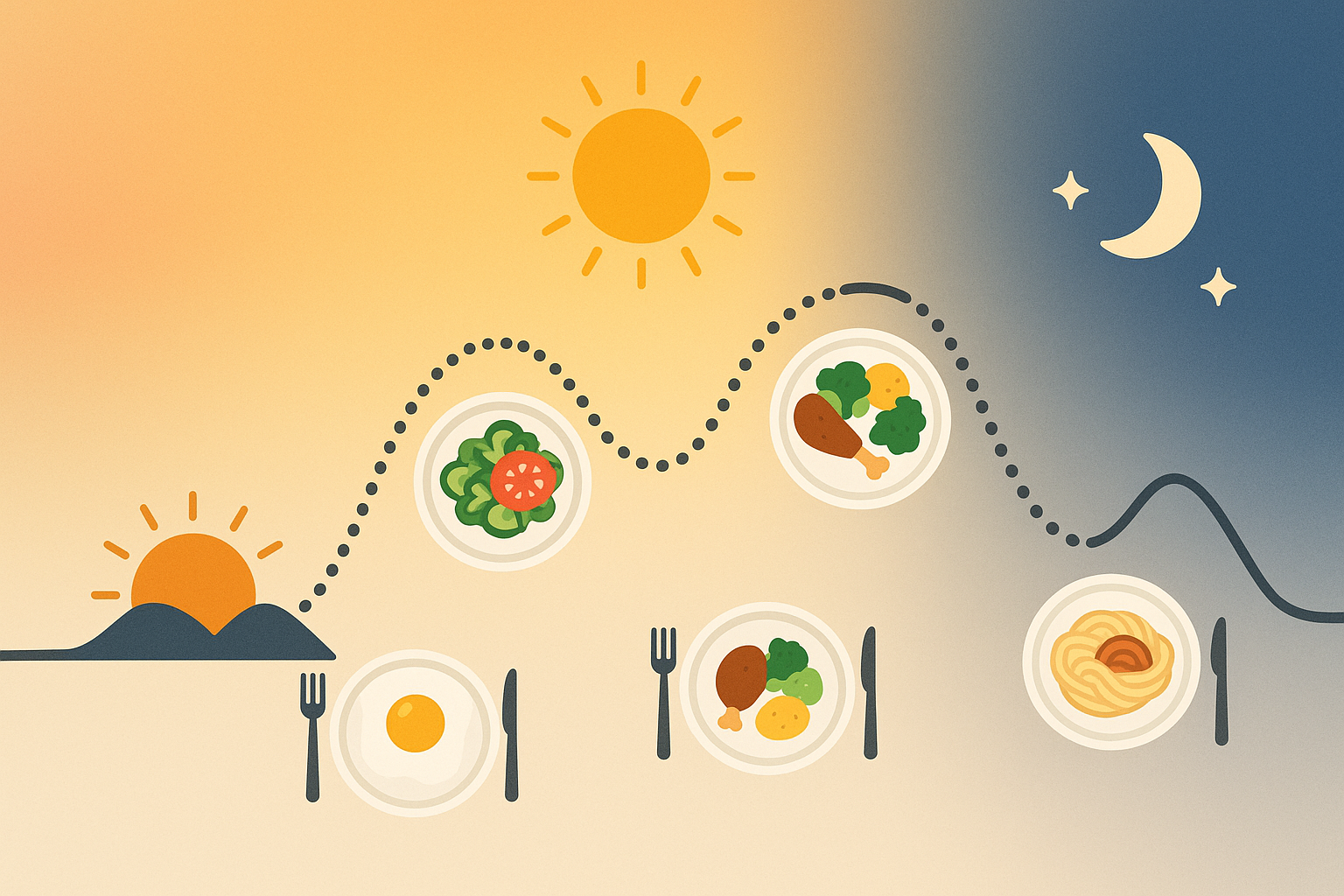
An advanced timing approach might look like: 6 AM – liquid breakfast (500 cal), 10 AM – pre-workout fuel (400 cal), 1 PM – largest solid meal (1000 cal), 4 PM – post-workout recovery (600 cal), 7 PM – dinner with slow proteins (500 cal). This distribution aligns with natural metabolic rhythms while supporting training demands.
Getting Support for Your High-Calorie Journey
Successfully implementing a 3000-calorie meal plan requires more than just nutritional knowledge – it needs high-quality ingredients, proper supplementation, and community support. This is where choosing the right resources and products becomes crucial for long-term success.
The quality of your calories becomes even more critical when you’re eating 3000 of them daily. You can’t afford to waste precious stomach space on nutrient-poor foods or supplements that don’t deliver what they promise.
When you’re scaling up your nutrition, every ingredient needs to work harder. That marine-sourced collagen you choose needs to be bioavailable. Those digestive enzymes need to actually function. The omega-3s need to be pure and potent. There’s no room for mediocre products when you’re asking your body to process this much nutrition.
Community support becomes essential too. High-calorie eating can feel isolating when everyone around you is talking about restriction and cutting calories. Finding others who understand your goals – whether that’s through online communities, local groups, or wellness-focused platforms – can make the difference between giving up and pushing through the challenging adaptation period.
Building a support network is similar to the approach outlined in everything you need to know about intuitive eating, where community understanding becomes crucial for sustainable nutrition changes.
Support system checklist:
- Find an online community of like-minded individuals
- Connect with a qualified nutritionist or dietitian
- Identify high-quality supplement sources
- Establish meal prep and planning systems
- Create accountability partnerships
- Access professional guidance when needed
If you’re looking for rigorously tested supplements that can support your high-calorie journey, Organic Authority’s evaluation standards ensure you’re getting products that actually deliver on their promises. Their focus on bioavailable, clean ingredients aligns perfectly with the quality-over-quantity approach that makes 3000-calorie plans successful.
Ready to transform your relationship with high-calorie eating? Start with their community-driven approach to wellness – because sustainable nutrition changes happen best with support, not in isolation.
Final Thoughts
Successfully eating 3000 calories isn’t about forcing yourself to consume massive amounts of food – it’s about working with your body’s natural systems instead of against them. Your body has specific windows where it handles calories most efficiently, your digestive system needs time to adapt to increased volume, and your hormones require active management to prevent resistance and dysfunction.
The mental component can’t be ignored either. Diet culture has programmed most of us to view large quantities of food as inherently bad, regardless of our actual needs. Overcoming this mental programming is often more challenging than the physical aspects of eating more food.
Remember that this is a gradual process. Your body needs 4-6 weeks to adapt to increased food volume, your digestive enzymes need time to step up production, and your mindset needs consistent work to shift from restriction thinking to nourishment thinking. Be patient with yourself during this adaptation period.
The strategies I’ve shared – from working with your body’s natural eating schedule to progressive volume loading to strategic liquid calories – aren’t just theoretical concepts. They’re practical tools that can transform your experience with high-calorie eating from a daily struggle into a sustainable lifestyle that supports your goals and makes you feel energized rather than sluggish.