
The 7-Day Meal Plan for Intermittent Fasting That Actually Works With Your Body’s Natural Rhythms


Good news – most insurance actually covers seeing a dietitian these days according to Berry Street research, so you don’t have to figure this out alone if you don’t want to. But here’s what I wish someone had told me when I started: your body already knows when it wants to eat and when it doesn’t. The trick is paying attention to those signals instead of forcing yourself into some random schedule you found online.
Let me be honest – my first week was terrible. I was hangry, couldn’t focus at work, and almost gave up three times. I made every mistake in the book, including that time I broke my fast with a huge burrito and felt sick for hours. But once I stopped fighting my body and started working with it, everything changed.
Table of Contents
- Why Your Body Clock Matters More Than Your Meal Clock
- The Psychological Side of Fasting Nobody Talks About
- Training Your Body to Love Burning Fat
- Making Every Bite Count During Your Eating Window
- Creating Your Personal Fasting Blueprint
- Final Thoughts
TL;DR
- Your body has its own schedule for when it wants to be awake, sleepy, and hungry – work with it, not against it
- Most people quit intermittent fasting because of mental stuff, not physical hunger
- Teaching your body to run on stored fat makes fasting feel natural instead of like torture
- Smart food combinations can make your eating window way more nutritious
- Cookie-cutter meal plans don’t work – you need to figure out what works for YOUR life
- When things go wrong (and they will), simple fixes usually work better than starting over
Why Your Body Clock Matters More Than Your Meal Clock
Yes, I was that person who used to eat breakfast at 6 AM because “it’s the most important meal of the day” – even though I wasn’t hungry until noon. Smart, right? Most intermittent fasting advice completely ignores the fact that your body has its own schedule for when it wants to be awake, sleepy, and hungry. Fighting against that schedule is like swimming upstream – possible, but exhausting.
Here’s what nobody tells you: your body already has built-in times when fasting feels easy and times when it feels impossible. We just need to figure out your natural rhythm instead of forcing some arbitrary schedule that works for some blogger but makes you miserable.
When I first started, I tried to follow a generic 16:8 plan that had me eating breakfast at 8 AM every day. The problem? I’m naturally a night owl who doesn’t feel hungry until noon anyway. Once I stopped fighting my natural tendencies and started working with them, intermittent fasting went from a daily struggle to something that felt… well, natural.

Finding Your Metabolic Sweet Spot
Instead of cramming yourself into someone else’s schedule, successful intermittent fasting means figuring out when YOUR body naturally wants to fast versus eat. I learned this the hard way after weeks of white-knuckling through hunger pangs that I later realized were totally unnecessary.
This personalized approach is especially important for women, who need specialized approaches to intermittent fasting that account for hormonal changes throughout the month. Your body isn’t broken if generic advice doesn’t work for you – the advice is just generic.
When you design your eating schedule around your actual energy patterns instead of what you think you should do, something magical happens. That constant mental chatter about food quiets down. The afternoon energy crashes disappear. You actually start looking forward to your fasting periods because they feel restorative instead of restrictive.
When Your Hormones Actually Want You to Fast
Your body naturally produces less hunger hormone in the morning and more fat-burning hormone – but this timing is totally different for night owls versus early birds. Understanding when YOUR body naturally suppresses appetite helps you identify when extending your fast feels natural versus forced.
Here’s how I figured out my optimal fasting window (and you can too):
- For one week, just notice when you naturally feel hungry versus when you eat out of habit
- Pay attention to when you feel most alert and energized without food
- Track whether you wake up naturally energized or need to drag yourself out of bed
- Adjust your eating schedule to match these natural patterns, not some random internet schedule
Sarah, a night owl who works late shifts, discovered her natural fasting window runs from 10 PM to 2 PM the next day. Instead of forcing herself to eat breakfast because someone told her she should, she aligned her eating with her natural energy patterns. Within two weeks, she felt more energized during fasts and those afternoon crashes that used to wreck her day completely disappeared.
Your Body Changes With the Seasons (And Your Meal Plan Should Too)
Here’s something most people don’t realize: your body wants different things in winter versus summer, and your fasting schedule should probably change too. In darker months, I naturally crave warming foods and shorter fasts. In summer, when there’s light until 9 PM, longer fasts feel easy.
This isn’t just in your head – it’s your body responding to the same seasonal cues that helped our ancestors survive. Your 16:8 schedule doesn’t have to be set in stone year-round.
Simple seasonal adjustments:
- Shorten your fasting window by an hour or two during darker months (your body wants to conserve energy)
- Focus on warming foods and healthy fats during winter eating windows
- In summer, you can probably handle longer fasts and prefer lighter, cooling foods
- Let seasonal produce guide your meal planning – your body usually craves what’s in season for good reasons
| Season | What Usually Feels Good | Foods Your Body Probably Wants | Simple Timing Adjustments |
|---|---|---|---|
| Spring | 14-16 hour fasts | Fresh greens, lighter foods | Earlier dinners, more raw foods |
| Summer | 16-18 hour fasts | Raw foods, cooling vegetables | Longer fasts feel easier, focus on hydration |
| Fall | 14-16 hour fasts | Warming spices, heartier foods | Gradually transition to more substantial meals |
| Winter | 12-14 hour fasts | Healthy fats, warming foods | Shorter fasts, more frequent nourishing meals |
The Game-Changing Science of Nutrient Timing
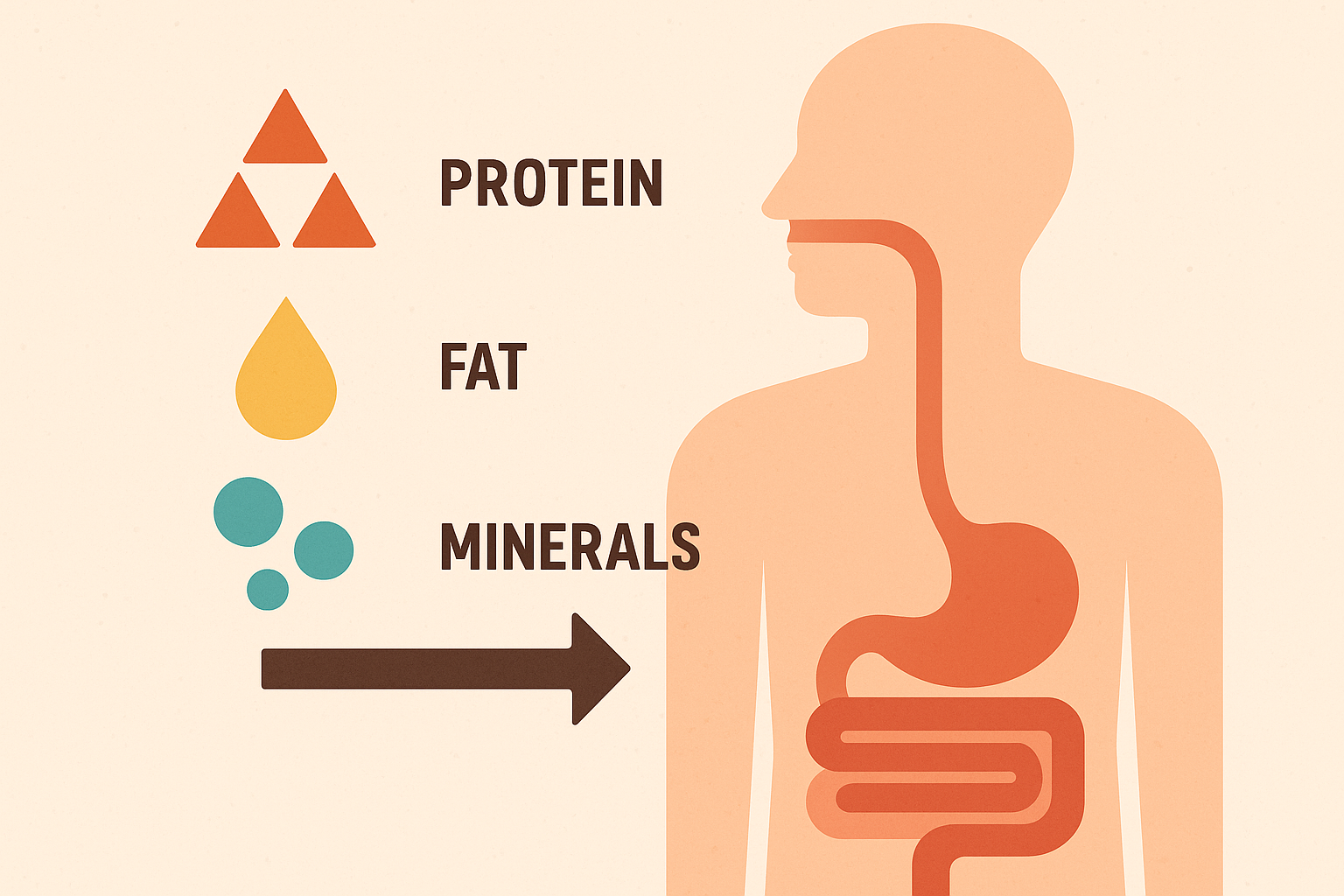
Okay, this sounds fancy, but it’s actually pretty simple: what you eat first after fasting can either make you feel amazing or make you want to take a nap. Most people break their fasts with whatever sounds good in the moment, but your digestive system has been in rest mode for 16+ hours. Shocking it back to life with a heavy meal is like flooring the gas pedal on a cold car engine.
Breaking Your Fast the Right Way
Starting with something gentle instead of diving straight into a big meal prevents that post-eating crash that makes your next fast miserable. I learned this after too many afternoons of feeling like I needed a food coma nap.
The 15-20 minute thing between gentle foods and your main meal isn’t some rigid rule – it’s just giving your digestive system a chance to wake up gradually. Think of it like stretching before a workout.
Here’s what actually works:
- Start with something simple like sea salt in water or bone broth (sounds weird, feels great)
- Wait 15-20 minutes before eating solid foods (use this time to prep your meal)
- Add in some magnesium-rich foods like leafy greens or nuts
- Save heavier proteins and carbs for after your system is awake
Rotating Plant Compounds for Maximum Benefits
This sounds way more complicated than it is. Basically, eating different colored fruits and vegetables throughout the week keeps your body responding well to fasting instead of getting bored with the same nutrients. I spent weeks trying to rotate polyphenols like some kind of supplement scientist, then realized just eating different colored fruits and veggies throughout the week was doing the same thing.
Simple weekly variety:
- Monday-Tuesday: Focus on purple and blue foods (berries, purple cabbage)
- Wednesday-Thursday: Green foods and tea (spinach, green tea, broccoli)
- Friday-Saturday: Red and orange foods (tomatoes, carrots, red wine if that’s your thing)
- Sunday: Mix it all up and eat a rainbow
Don’t stress if you can’t follow this perfectly. Eating good food is way more important than obsessing over whether you had your antioxidants in the right order.
The Psychological Side of Fasting Nobody Talks About
Here’s the truth nobody wants to admit: most people don’t quit intermittent fasting because they’re physically hungry. They quit because of the mental stuff. The social pressure, the habit disruption, the voice in their head that says they’re “doing it wrong” if they’re not following some perfect schedule.
Recent research highlighted in “The Telegraph” shows intermittent fasting has become the fourth most popular diet in the UK, but here’s what they don’t tell you: the physical part gets easier within 2-3 weeks. The mental part? That can take months.
Your brain has decades of conditioning around meal timing, social eating, and emotional food relationships. These patterns don’t disappear just because you’ve decided to skip breakfast. The good news is that once you understand these patterns, you can work with them instead of being sabotaged by them.

Transforming Your Relationship With Hunger
Most of us have never actually experienced true hunger. We eat at the first thought of food, the first twinge of appetite, or simply because the clock says it’s “time to eat.” But hunger has different flavors and meanings that become clear once you start paying attention instead of immediately reaching for food.
This skill becomes especially important if you have digestive issues, since understanding your digestive patterns can help you tell the difference between actual hunger and digestive discomfort during fasting periods.
Learning to distinguish between “I’m bored and food sounds entertaining” versus “my body actually needs fuel” eliminates most of the struggle people associate with fasting. Once you develop this skill, fasting becomes much more manageable.
Decoding What Your Hunger Really Means
Different types of hunger mean different things – and many have nothing to do with actually needing food. Some hunger comes from stress, boredom, habit, or just seeing something that looks good. Learning to tell the difference means you can respond appropriately instead of eating every time you feel any sensation.
Simple hunger check:
- Rate your hunger from 1-10 and notice what it feels like (sharp, dull, anxious, calm)
- Ask yourself: Am I stressed, bored, or actually low on energy?
- Try the “hunger pause” – wait 10 minutes before responding to any hunger signal
- Keep notes about what triggers false hunger versus real hunger for you
Quick Hunger Reality Check:
- ☐ How hungry am I really (1-10)?
- ☐ What does this hunger feel like (sharp, dull, anxious, calm)?
- ☐ When did I last eat?
- ☐ What’s my emotional state right now?
- ☐ Am I actually thirsty instead?
- ☐ Did I sleep well last night?
- ☐ What triggered this hunger feeling?
Navigating Social Situations Without Sabotaging Your Progress
Pro tip: Don’t announce your fasting schedule to everyone at the office unless you want to become the unofficial diet police. Social pressure is the main reason people abandon intermittent fasting, yet most advice completely ignores this reality.
The challenge isn’t just declining food – it’s managing people who take your food choices personally, interpret your fasting as judgment of their eating habits, or worry you’re developing some kind of eating disorder.
Creating Flexibility Without Losing Results
Rigid adherence to a 16:8 schedule often creates more problems than it solves in real life. Your metabolism doesn’t care if you fast from 8 PM to 12 PM instead of 6 PM to 10 AM – it cares about having regular periods without food.
Having 2-3 backup schedules prevents social situations from derailing your entire week. The key is maintaining some form of time restriction while being flexible about the exact timing.
Flexible fasting options:
- Your standard schedule for regular weekdays
- A shifted window for social events (eat 2 PM-12 AM instead of 12 PM-8 PM)
- A shorter fast for special occasions (12:12 instead of 16:8)
- Remember: one off day won’t ruin everything
Mark, a sales guy with frequent client dinners, uses three different fasting schedules: his standard 16:8 for regular weekdays, a shifted 14:10 for client dinner days, and a 12:12 for weekend social events. This flexibility lets him keep the benefits of fasting while never missing important business or social stuff.
Building Your Fasting Support Network
You don’t need everyone in your life to understand your eating schedule – you just need a few people who get it and won’t make you feel weird about it. Sharing your goals with 2-3 supportive people provides accountability without the drama of trying to explain your choices to everyone.
Simple support strategy:
- Find 2-3 people to share your meal plan goals with (they don’t have to be doing intermittent fasting too)
- Have weekly check-ins focused on what’s going well rather than what went wrong
- Maybe find one person to meal prep with for accountability and efficiency
- Share recipes and timing strategies with people who are actually interested
When someone asks why you’re not eating, just say “I’m not hungry right now” or “I ate earlier.” You don’t owe anyone a dissertation on your eating schedule. Most people will forget about it in five minutes.
Training Your Body to Love Burning Fat
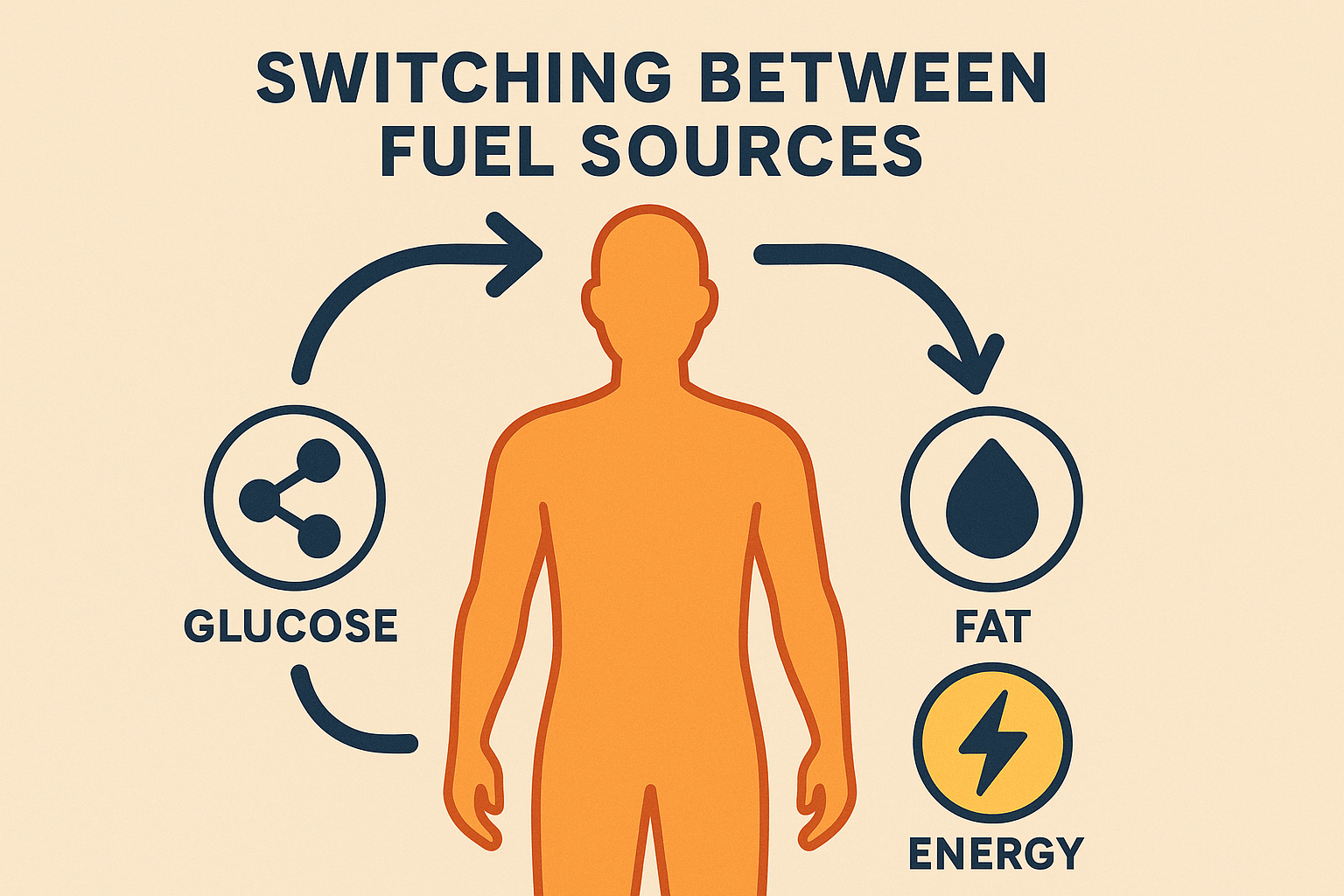
Most people think of intermittent fasting as a weight loss tool, but the real magic happens when you teach your body to efficiently switch between running on food versus running on stored fat. This makes fasting periods feel effortless instead of like a constant battle with hunger.
When you first start 16:8 fasting, your body kind of panics. It’s used to getting food every few hours, and suddenly you’re asking it to go 16 hours without external fuel. Initially, this feels uncomfortable because your fat-burning systems are rusty from not being used much.
The good news? Your body is incredibly adaptable. Teaching it to efficiently use stored fat takes some time and patience, but once it gets the hang of it, fasting becomes a source of steady energy instead of a struggle.
Mastering the Art of Fuel Switching
Your body can run on recently eaten food or stored fat, but most of us have spent decades relying almost exclusively on recently eaten food. Teaching your system to smoothly switch between fuel sources eliminates the energy crashes and intense cravings that make people quit intermittent fasting.
This skill becomes especially important if you follow plant-based eating, where intuitive eating principles can help you understand what your body actually wants during different phases of adapting to fasting.
Building this flexibility eliminates most of the suffering people associate with intermittent fasting. Your body just needs time to dust off those fat-burning pathways and get them running smoothly again.
Building Your Fat-Burning Engine
Instead of jumping straight into long fasts, gradually training your body to use stored fuel creates lasting results without the misery. This progressive approach lets your system adapt without the metabolic stress that often leads to giving up entirely.
I learned patience during this phase pays off big time later. Your cells need time to build up the machinery responsible for burning fat efficiently. Rushing this process just creates unnecessary suffering.
Simple training progression:
- Week 1-2: Start with 12-hour fasts (8 PM to 8 AM – most people already do this without realizing it)
- Week 3-4: Extend to 14 hours, maybe add some gentle walking during fasting periods
- Week 5-6: Try full 16:8 fasting with some easy carb cycling
- Week 7+: Occasionally try 24-hour fasts to really boost your metabolic flexibility
Simple Fat-Burning Training Checklist:
- ☐ Start with 12-hour windows (you’re probably already doing this)
- ☐ Notice your energy levels throughout the day
- ☐ Track how well you sleep and how you feel in the morning
- ☐ Add 30 minutes to your fasting window each week (no rush)
- ☐ Try some light walking during fasting periods
- ☐ Pay attention to what you actually want to eat, not what you think you should eat
- ☐ Keep notes on hunger patterns and cravings
- ☐ Celebrate small wins – this stuff takes time
Strategic Fat Selection for Faster Adaptation
Different types of fats during your eating window can speed up your body’s ability to use stored fat during fasting periods. This isn’t about obsessing over every gram – it’s about understanding that some fats convert to energy faster while others provide sustained fuel.
I learned that mixing up my fat sources throughout the week keeps my metabolism responsive. MCT oil and coconut oil turn into quick energy, while omega-3s from fish reduce inflammation and support all the cellular changes happening as you adapt to fasting.
Simple fat strategy:
- Include some quick-converting fats (coconut oil, MCT oil) for fast energy
- Add omega-3 fatty acids to reduce inflammation (fish, walnuts, chia seeds)
- Include monounsaturated fats for sustained energy (avocados, olive oil)
- Don’t stress about perfect ratios – just rotate different sources throughout your week
Timing Exercise for Maximum Fasting Benefits
Working out during your fasting window can either make everything easier or completely wreck your day – it all depends on how you approach it. Smart exercise timing amplifies the benefits of fasting, while poorly timed workouts can create unsustainable hunger and energy crashes.
I discovered that gentle progression with fasted training builds incredible metabolic resilience when done right. Your body learns to perform while running on stored fuel, which makes regular fasting periods feel effortless.
The Power of Fasted Training (Done Right)
Exercising while fasted can accelerate fat adaptation and improve how your body handles blood sugar, but you need to start gently to avoid overwhelming your system. I learned this the hard way after a few overly ambitious morning workouts left me feeling terrible for the rest of the day.
Your sleep quality, morning energy, and mood during fasting periods tell you whether your exercise timing is helping or hurting. If you’re sleeping worse or feeling cranky during fasts, dial back the intensity.
Progressive fasted training approach:
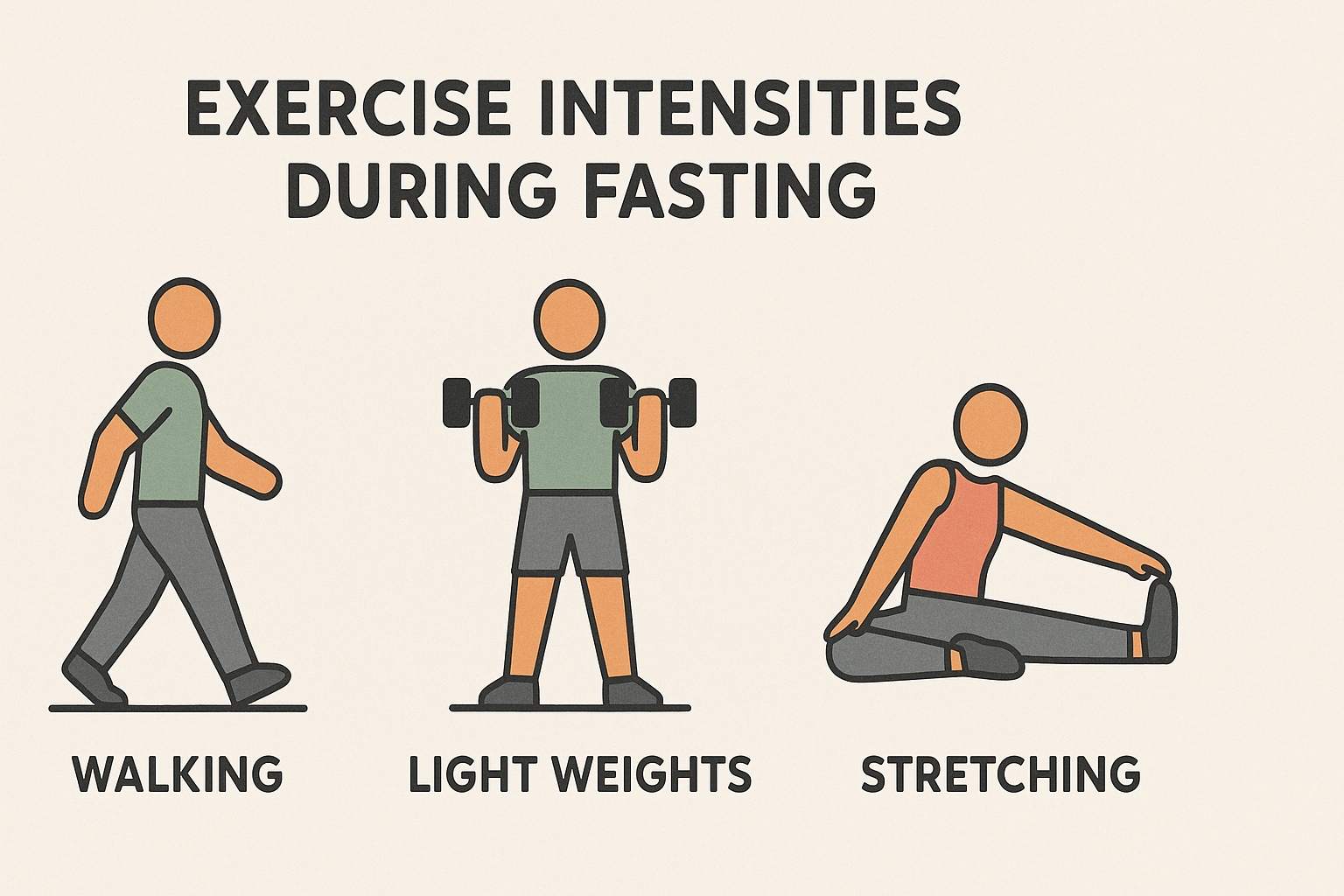
- Start with gentle walking during fasting hours (this almost always feels good)
- Try some light resistance training in the final 2 hours of your fast
- Only add high-intensity stuff after 4-6 weeks of adaptation
- If you feel terrible, you’re probably doing too much too soon
Making Every Bite Count During Your Eating Window
When you’re eating less frequently, every bite needs to deliver real nutritional value. But here’s the thing – most of us absorb only a fraction of the nutrients we eat anyway due to poor food combinations and timing. Smart food pairing can dramatically increase how much nutrition you actually get from your meals.
This approach ensures you thrive on intermittent fasting instead of just surviving. Many people worry about nutrient deficiencies when eating less frequently, but the reality is that strategic food combinations can make your compressed eating window more nutritious than three random meals spread throughout the day.
Multiplying Your Nutrient Absorption
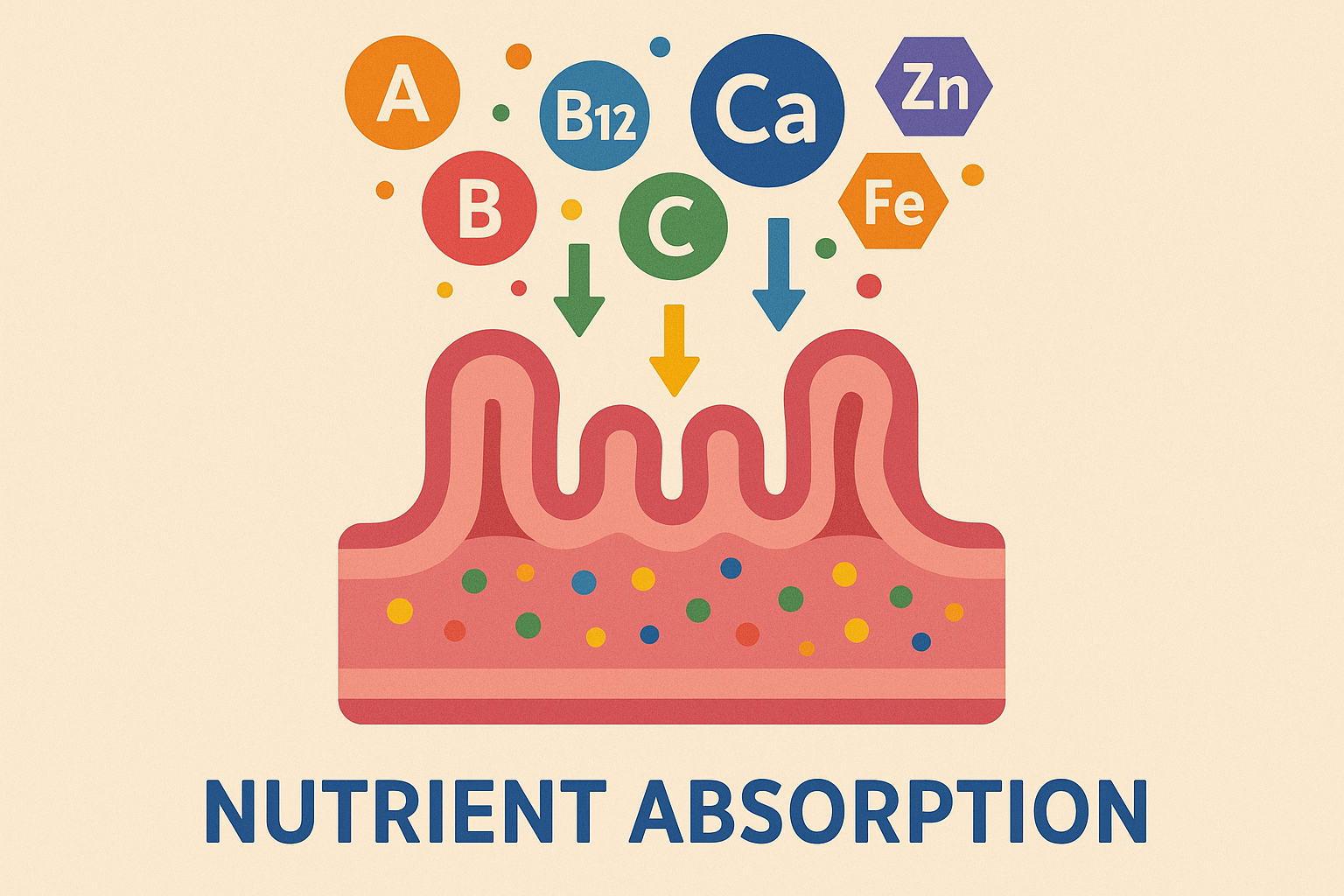
Certain food combinations dramatically boost how much nutrition your body actually absorbs, making your eating window way more effective for meeting your nutritional needs. Understanding these combinations eliminates the nutrient deficiencies that often derail intermittent fasting attempts.
This becomes especially important when considering daily supplement needs during compressed eating windows, since proper timing can enhance both supplement and whole food absorption.
Food Combinations That Supercharge Absorption
Smart food pairings work with your body’s natural absorption pathways instead of leaving nutrient uptake to chance. These aren’t complicated – they’re simple combinations that can dramatically increase how much nutrition you get from the same foods.
Key combinations that actually work:
- Iron-rich foods + vitamin C (spinach with lemon, beef with bell peppers)
- Healthy fats + fat-soluble vitamins (avocado with leafy greens, olive oil with tomatoes)
- Fermented foods + fiber-rich vegetables (sauerkraut with salads, yogurt with berries)
- Keep mineral-rich foods away from coffee and tea (they block absorption)
| Food Combination | Why It Works | Simple Examples | Absorption Boost |
|---|---|---|---|
| Iron + Vitamin C | Converts iron to usable form | Spinach salad with strawberries | 3-4x more iron absorbed |
| Fat + Fat-soluble vitamins | Vitamins need fat to be absorbed | Avocado with leafy greens | 5x more vitamin absorption |
| Protein + B6 | Helps your body use amino acids | Salmon with sweet potato | 2x better protein utilization |
| Calcium + Magnesium | Work together for bone health | Yogurt with almonds | 2.5x better bone support |
Lisa redesigned her lunch by adding strawberries and lemon to her usual spinach salad (iron + vitamin C), including avocado slices (fats for vitamin absorption), and sprinkling hemp seeds on top. This simple change increased her iron absorption by nearly 400% compared to eating the same foods separately, eliminating the afternoon fatigue she used to get during fasting periods.
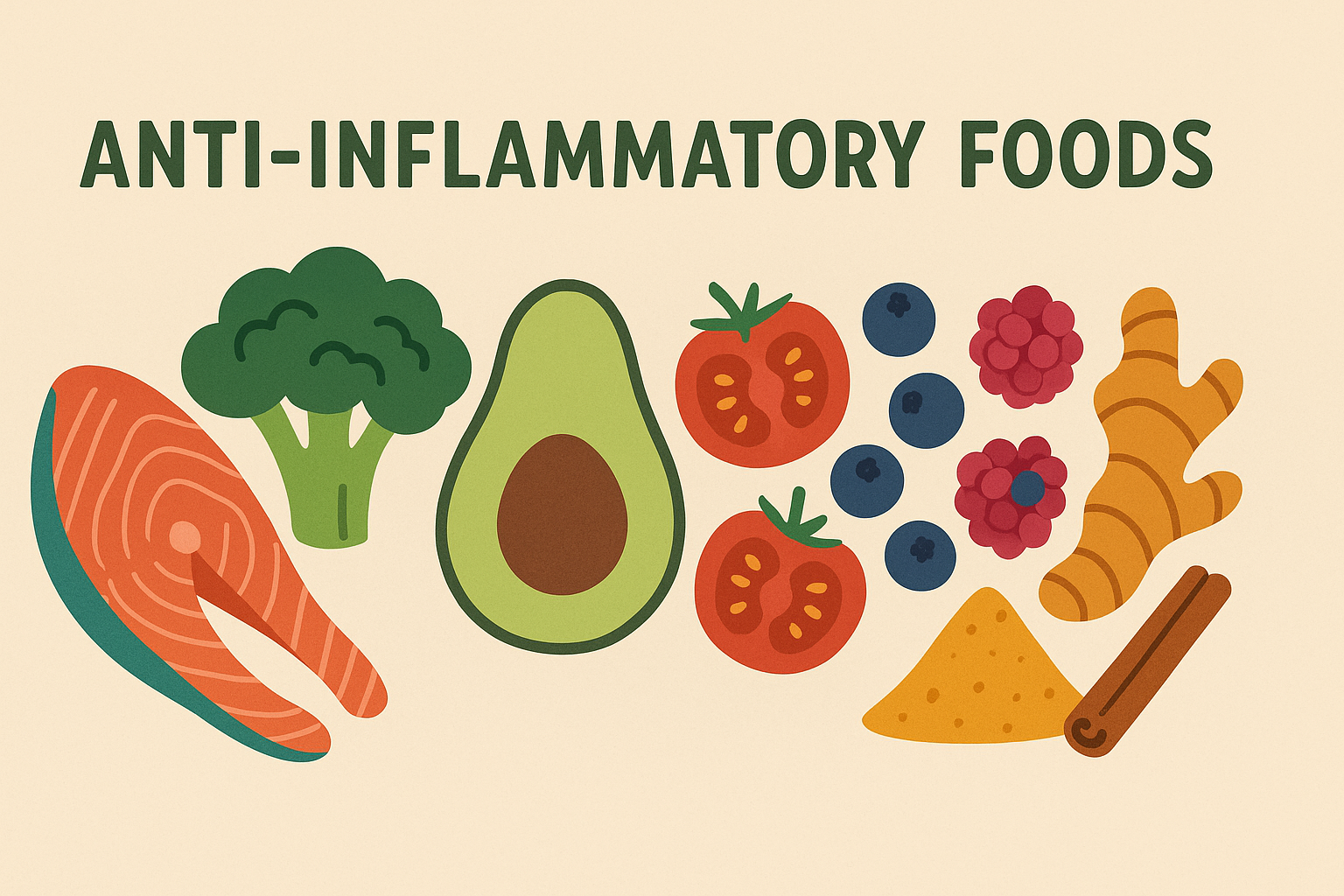
Designing Your Anti-Inflammatory Food Sequence
Intermittent fasting naturally reduces inflammation, but the order you eat foods in can amplify this effect and speed up healing processes. Instead of just avoiding inflammatory foods, actively including inflammation-fighting nutrients in the right sequence optimizes your body’s repair mechanisms.
This approach works great with cellular autophagy activation, since proper food sequencing can enhance your body’s natural repair processes during eating windows.
The Inflammation Resolution Protocol
This systematic approach to meal order maximizes your body’s natural healing while supporting the metabolic benefits of intermittent fasting. Each phase serves a specific purpose in optimizing inflammation resolution and cellular repair.
Following this protocol consistently enhances how you feel during fasting periods and improves overall recovery between meals. Your body produces specialized compounds that actively resolve inflammation rather than just suppressing it – strategic nutrient timing supports this natural process.
Simple anti-inflammatory sequence:
- Start eating windows with omega-3 rich foods (salmon, walnuts, chia seeds)
- Include sulfur-rich vegetables mid-meal (broccoli, garlic, onions)
- End with antioxidant-rich foods (berries, dark chocolate, green tea)
- Rotate anti-inflammatory spices throughout the week (turmeric, ginger, cinnamon)
Don’t stress if you can’t follow this perfectly. The goal is progress, not perfection. Your intermittent fasting plan becomes therapeutic when you generally sequence nutrients to support your body’s natural healing, but it doesn’t have to be exact every single time.
Creating Your Personal Fasting Blueprint
Cookie-cutter meal plans fail because they ignore the reality that everyone responds differently to food, has different schedules, and faces different challenges. Real success requires creating a personalized system that adapts to your unique life circumstances instead of forcing you into someone else’s mold.
Research from Zero Longevity shows that people can lose 1 to 2 lbs per week safely with 16:8 intermittent fasting, but individual results depend heavily on personalizing the approach to your unique situation, not following generic advice.
Your intermittent fasting success depends on stuff no generic plan can account for: your stress levels, sleep patterns, work schedule, family obligations, food preferences, and metabolic history. One-size-fits-all approaches ignore these crucial variables and set you up for frustration.
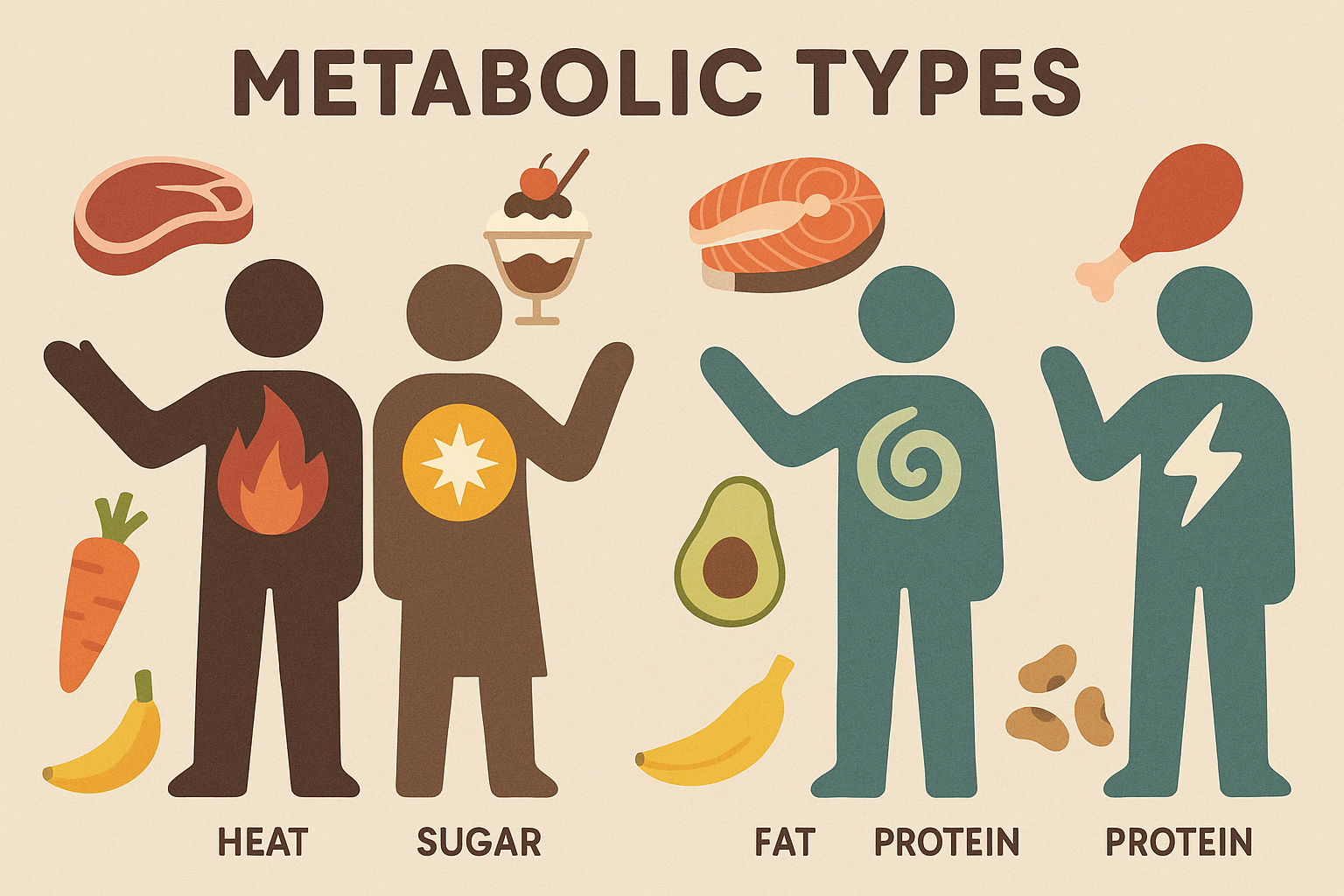
Understanding Your Unique Metabolic Profile
Figuring out whether you’re someone who processes carbs well or poorly, handles stress easily or gets overwhelmed, and responds quickly or slowly to dietary changes allows you to customize your approach for your specific biology. This eliminates the guesswork and trial-and-error that frustrates most people.
Working with your metabolic type instead of against it creates sustainable, enjoyable results. Understanding your body’s responses becomes even more important when considering carb tolerance levels, which directly impact how your body responds to different eating window compositions.
Mapping Your Blood Sugar Responses
Your individual response to different foods during eating windows determines which meal combinations maintain stable energy and prevent cravings during fasting periods. This personalized data lets you design meals around foods that support rather than sabotage your fasting goals.
This testing phase provides insights that generic meal plans simply cannot offer. Your blood sugar response to the same food can be totally different from someone else’s based on your gut bacteria, stress levels, sleep quality, and metabolic history.
Simple assessment approach:
- Notice your energy levels 90 minutes after different meal combinations
- Pay attention to which foods leave you satisfied vs. craving more
- Identify which foods give you sustained energy vs. energy crashes
- Design your eating windows around your most stable response foods
Simple Response Tracking:
- ☐ What did I eat and when: _____________
- ☐ Energy level 90 minutes later (1-10): _____
- ☐ How’s my mood: _____________
- ☐ Hunger level 3 hours later (1-10): _____
- ☐ Sleep quality that night (1-10): _____
- ☐ How comfortable was my next fast (1-10): _____
Adapting to Your Stress Patterns
High-stress people often need modified fasting approaches since chronic stress can interfere with the benefits of intermittent fasting. Understanding how stress affects your hunger patterns, sleep quality, and energy levels lets you adjust your approach during challenging periods instead of abandoning it entirely.
Flexibility during stressful times actually strengthens long-term success. Your body’s stress response and metabolic flexibility systems share pathways – when one is overwhelmed, the other suffers.
Stress adaptation strategies:
- Shorten fasting windows by 1-2 hours during high-stress periods (work deadlines, family stuff)
- Focus on stress-supporting foods during eating windows (adaptogens like ashwagandha if you’re into that)
- Consider more frequent, smaller meals during particularly stressful weeks
- Use sleep quality as your guide for fasting window adjustments
Troubleshooting When Things Aren’t Working
When intermittent fasting isn’t giving you the results you want, systematic troubleshooting can identify what’s actually wrong and provide targeted solutions. Most plateaus and problems have specific, fixable causes that don’t require starting over from scratch.
Methodical problem-solving often reveals simple adjustments that restore progress and momentum. Your intermittent fasting approach is a system with multiple variables – changing one element can dramatically impact your results.
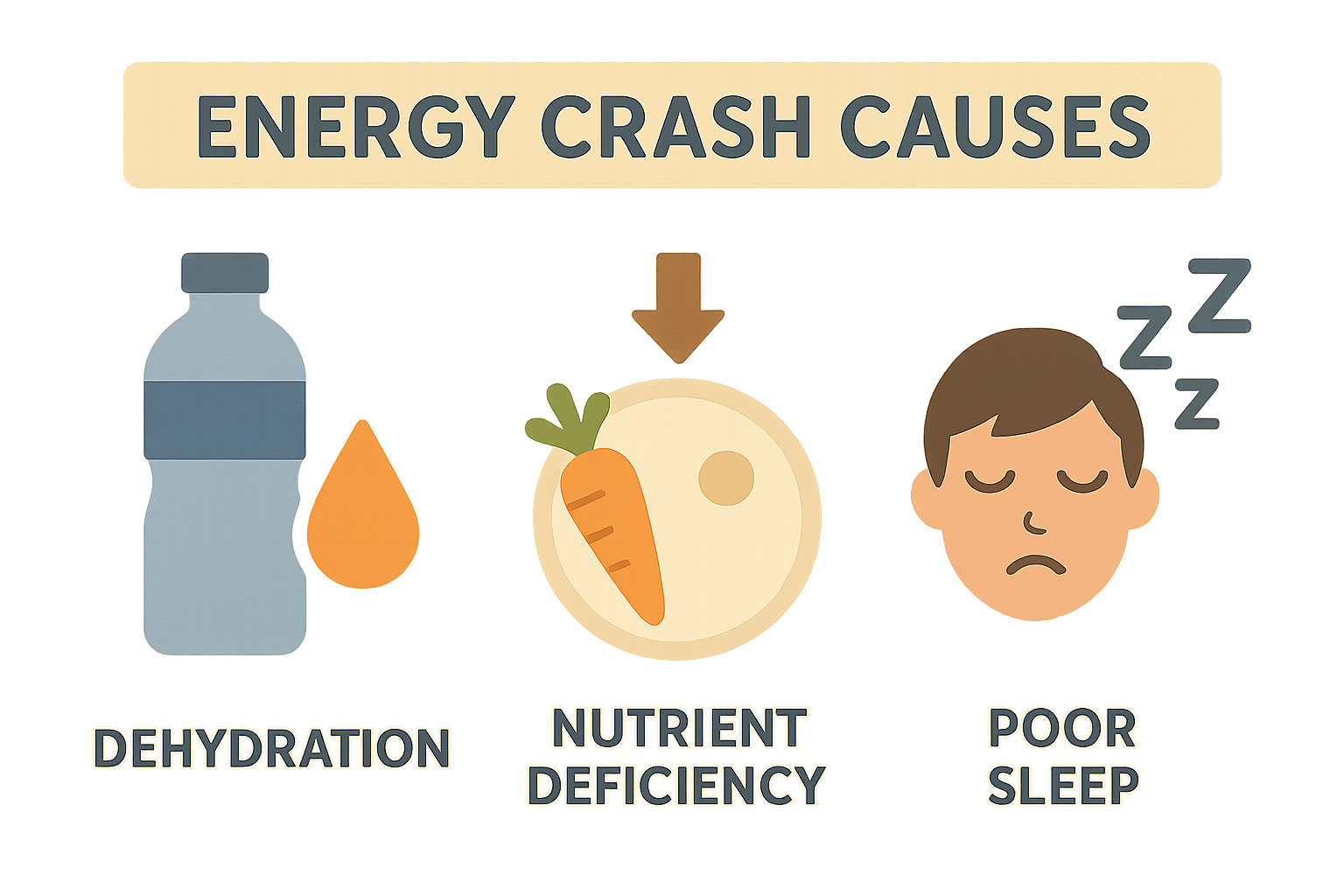
Solving the Energy Crash Mystery
Persistent fatigue during fasting periods usually indicates specific issues like nutrient deficiencies, poor sleep, or misaligned meal timing rather than fasting being wrong for your body. These energy crashes have identifiable causes that can be systematically addressed.
Feeling tired all the time? Before you blame intermittent fasting, ask yourself: Are you drinking enough water? Getting enough sleep? Eating actual meals instead of just snacks during your window? Sometimes the fix is simpler than you think.
Simple diagnostic steps:
- Check your electrolyte intake (sodium, potassium, magnesium) – most people are deficient
- Evaluate protein intake during eating windows (aim for at least 0.8g per kg of body weight)
- Consider getting iron and B12 checked if fatigue persists
- Review your sleep habits and consider earlier eating windows if sleep is disrupted
Breaking Through Stubborn Plateaus
When results stagnate after initial success, strategic changes to your fasting schedule and meal approach can reignite progress without abandoning your established routine. Plateaus often signal that your body has adapted to your current approach and needs new challenges to continue improving.
Planned variation prevents stagnation while maintaining the foundation of your successful habits. Sometimes plateaus require examining your overall nutrition approach, which is where understanding healthy breakfast principles can help you optimize your first meal when breaking your fast.
Simple plateau-breaking strategies:
- Try one 24-hour fast per week for 2-3 weeks
- Shift your eating window start time by 2-3 hours a couple times per week
- Cycle between different fasting ratios (16:8, 18:6, 14:10) monthly
- Have periodic “refeeding” days with more carbohydrates
After three months of successful weight loss, Jennifer hit a plateau despite maintaining her 16:8 schedule perfectly. By adding a weekly 24-hour fast on Sundays and shifting her eating window by 2 hours twice per week, she broke through her plateau within two weeks. The metabolic variation reignited her fat-burning while maintaining her successful routine foundation.
Simple Plateau-Breaking Plan:
- ☐ Document your current schedule and results
- ☐ Note how long the plateau has lasted
- ☐ Pick ONE change to try for 2 weeks
- ☐ Track energy and hunger during changes
- ☐ Focus on how you feel, not just the scale
- ☐ Monitor sleep quality during changes
- ☐ Consider any life stress or changes
- ☐ Plan to return to your baseline after testing
Final Thoughts
Look, you don’t need to be perfect at this. Some days you’ll nail it, some days you’ll eat cookies at 10 PM. The goal isn’t perfection – it’s finding something that works for your actual life, not your ideal life.
Creating a successful intermittent fasting approach isn’t about following someone else’s rigid schedule – it’s about understanding your unique body and designing a flexible system that works with your natural rhythms instead of fighting them. The people who succeed long-term are those who take time to understand their patterns, build mental resilience, and create personalized approaches that adapt when life inevitably gets complicated.
The beauty of this approach is its sustainability. When you align your fasting schedule with your natural body clock, develop the ability to efficiently burn stored fat, and optimize your nutrient timing, intermittent fasting stops feeling restrictive and starts feeling like a natural way of living. You’re working with your body’s wisdom instead of constantly battling hunger or forcing yourself through uncomfortable fasting periods.
Remember that this journey requires patience as you discover what works for your unique situation. The troubleshooting strategies and customization approaches I’ve shared aren’t theoretical concepts – they’re practical tools that can help you navigate challenges and maintain progress even when life gets messy. Your intermittent fasting practice should enhance your life, not complicate it.
Success comes from understanding that your body constantly provides feedback through energy levels, sleep quality, mood, and hunger patterns. Learning to interpret these signals and adjust accordingly transforms intermittent fasting from a rigid diet into a dynamic lifestyle that evolves with your changing needs.
Here’s something nobody talks about: intermittent fasting isn’t for everyone, and that’s okay. If you’ve tried it for a few months and feel worse, not better, maybe it’s not your thing. There’s no fasting police coming to arrest you for eating breakfast.