
Low Calorie Meal Plan Secrets: Why When You Eat Matters More Than What You Count

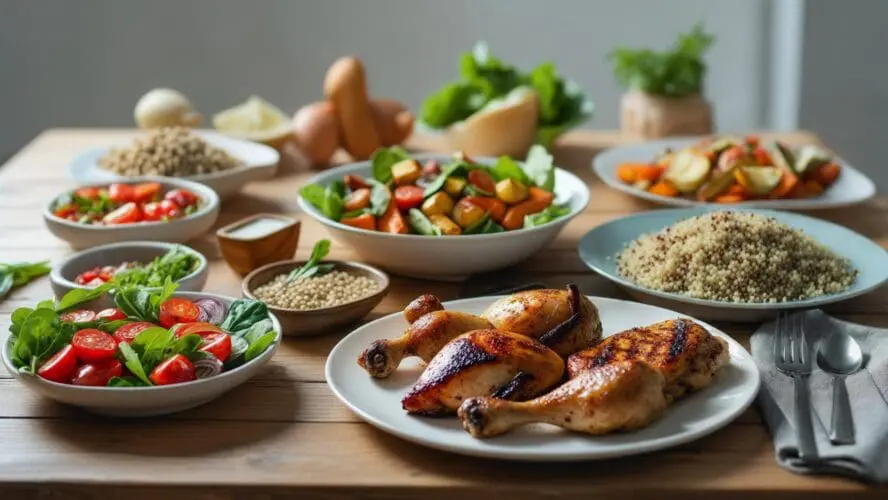
I’ll be honest – I used to eat a sad desk salad at 2 PM, then raid the pantry at 9 PM wondering why I felt terrible. Sound familiar? After about my tenth failed attempt at “eating clean,” I finally figured out it wasn’t about WHAT I was eating as much as WHEN.
Look, I used to think I was broken because I’d be starving by 3 PM every day, no matter what I ate for lunch. Turns out, I was fighting against my body’s natural rhythms instead of working with them. This isn’t another restrictive diet plan where you count every calorie and feel miserable – it’s about understanding when your body actually wants food and giving it what it needs.
The average woman needs approximately 2,000 calories per day to maintain weight, while the average man needs 2,400 calories per day, making eating a bit less essential for weight loss. But here’s what nobody talks about – when you eat those calories matters just as much as how many you have.
I’m going to share the four game-changing strategies that helped me stop fighting food and start working with my body instead. These aren’t things I read about somewhere and decided to preach – I’ve lived through every single struggle and breakthrough I’m about to tell you about.
Table of Contents
- The Real Truth About Meal Timing and Your Metabolism
- Why Your Low Calorie Meals Aren’t Working (The Nutrient Problem)
- The Psychology Behind Why Calorie Restriction Fails
- Building a Support System That Actually Helps
TL;DR
- Your body processes food differently throughout the day – I eat most of my calories in the morning when I actually feel hungry, not when I think I should
- Getting nutrients from fewer calories is tricky – I learned to pair foods strategically instead of just throwing healthy stuff together
- Calorie restriction messes with your brain chemistry – I plan one weekly meal that’s a little over my target so I don’t go crazy
- Your environment matters more than willpower – I rearranged my kitchen so healthy choices are the easy choices
- You need people who get it – find a few friends who understand what you’re trying to do and check in regularly
The Real Truth About Meal Timing and Your Metabolism
You know how you feel more alert in the morning and sleepy at night? Well, your digestive system has its own schedule too. And once I started paying attention to it, everything clicked.
I used to spread my calories evenly throughout the day because that’s what every magazine told me to do. Keep your metabolism steady, they said. Eat small meals every few hours, they said. Meanwhile, I was exhausted by noon and craving everything in sight by dinner time.
Here’s the thing nobody talks about – your body has specific windows when it’s actually good at processing food. Similar to how understanding intermittent fasting can change your eating patterns, meal timing creates a foundation that works with your natural biology instead of against it.
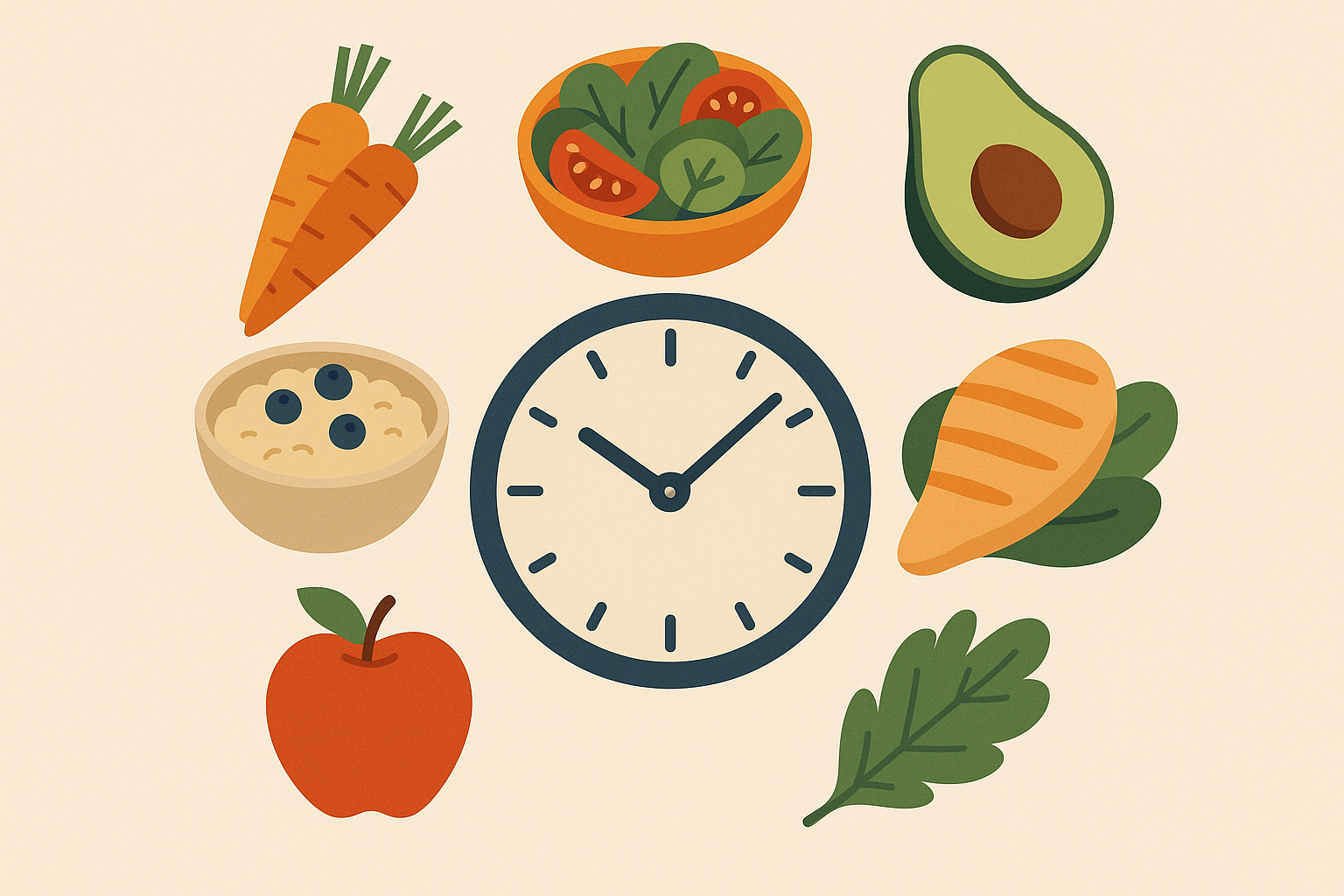
Your Body’s Natural Energy Windows
My biggest “aha” moment came when I realized I was eating my biggest meal when my body was already winding down for sleep – no wonder I felt sluggish! Your body has predictable patterns for when it can handle food efficiently, and working with these patterns instead of against them changes everything.
The first week I tried eating more in the morning, I thought I’d gain weight. Plot twist: I actually had more energy and fewer cravings. Who knew?
Morning: When Your Body Actually Wants Food
Those first 2-3 hours after you wake up? That’s when your body is literally primed to handle calories without storing them as fat. I now eat about half my daily food during this window, focusing on protein that keeps me satisfied all day.
This approach finally stopped those afternoon energy crashes that used to derail everything. I wish someone had told me this years ago – it would have saved me so much frustration with the whole “eat tiny meals all day” thing that never worked.
Here’s what I actually do:
- I eat about half my daily calories within 3 hours of waking up
- I make sure to get 20-30g of protein to kickstart my day
- I include some good carbs so I don’t crash later
- I paid attention to my hunger patterns for a couple weeks to figure out my timing
My typical morning meal is 1/2 cup uncooked oats (170 calories) made with water, 1 cup raspberries (64 calories), and 1/2 cup egg whites (62 calories) for about 296 calories. That’s roughly 20% of my 1,500-calorie daily goal, leaving room for more morning food within my sweet spot.
Just like how to cook delicious oatmeal can transform your breakfast routine, getting your morning timing right sets up your whole day for success.
Evening: Working With Your Wind-Down Mode
Evening eating requires a completely different approach. Your body starts shifting into repair mode rather than energy-burning mode as the day winds down. I used to fight this and wonder why I felt awful after big dinners.
Now I keep my evening food lighter – maybe 20-25% of my daily calories after 7 PM. The difference in how I sleep and feel the next morning is honestly remarkable.
My evening strategy:
- I keep it to about 20-25% of my daily food after 7 PM
- I choose easy-to-digest proteins and anti-inflammatory foods
- I avoid processed stuff that spikes my blood sugar when my body’s winding down
- I try to stick to a 12-hour eating window most days
| Time Window | How Much I Eat | What I Focus On | What’s Happening |
|---|---|---|---|
| 6-9 AM | About half my daily calories | High protein, good carbs | Body’s ready to process food |
| 9 AM-3 PM | About a quarter of daily calories | Balanced mix, lots of fiber | Still actively burning energy |
| 3-7 PM | About 15-25% of daily calories | Lean proteins, vegetables | Energy starting to wind down |
| After 7 PM | Just 5-15% of daily calories | Light, easy stuff | Body switching to repair mode |
Seasonal Eating: Working With the Year-Round Changes
Want to know what really surprised me? Your body doesn’t want the same foods year-round. I discovered that changing my approach with the seasons prevents that plateau thing that used to drive me crazy.
Each season gives you different opportunities to keep your body from getting too comfortable with any one approach. This seasonal awareness has been a game-changer for maintaining my results without constantly fighting my natural instincts.
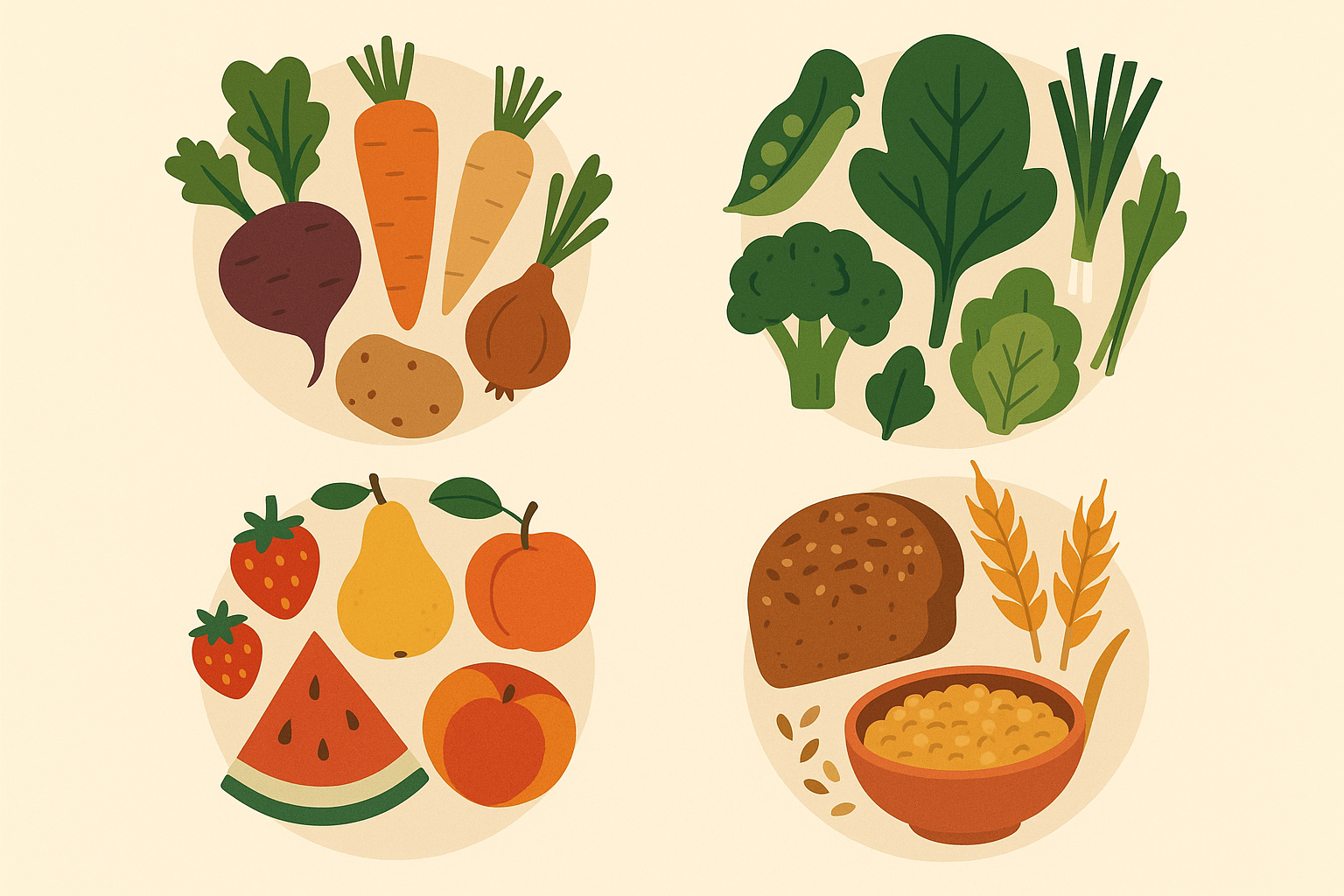
Winter: When Your Body Wants More Food
Winter brings shorter days and honestly, your body just wants more food – it’s trying to keep you alive during what it perceives as a scarce time. Instead of fighting this completely natural response, I learned to work with it.
I actually eat a bit more of my calories in the morning during winter (maybe 50-55% instead of my usual 40-50%) and focus on warming, satisfying foods. This prevents that winter weight gain that used to undo months of progress.
Spring: Your Natural Reset Time
Longer days give you the perfect opportunity to shake things up. I use spring as my natural reset period, trying new foods and eating patterns that take advantage of increased daylight and energy levels.
Spring is when I typically add new vegetables and lighter proteins, gradually moving away from the heartier winter foods my body was craving during the colder months.
Summer: Maximum Flexibility
Peak daylight hours let you be more flexible with when you eat while still maintaining your goals. Summer becomes my most relaxed season, where I can eat a bit later in the evening without the same consequences I experience in winter.
Your body’s natural rhythms actually shift with the seasons, and working with these changes rather than forcing the same approach year-round makes everything so much easier.
Why Your Low Calorie Meals Aren’t Working (The Nutrient Problem)
Here’s what nobody tells you about eating fewer calories – the real challenge isn’t eating less, it’s getting enough good nutrition within those limits. I spent years obsessing over calories while unknowingly creating nutrient gaps that made me feel terrible and crave everything.
Understanding which nutrients work well together and which ones compete changed everything. Now I get more nutrition from fewer calories by being smart about when and how I combine foods. Recent research shows that “low-carb diets often result in rapid weight loss” according to Prevention, but the benefits level out at the 1-year mark, which is exactly why getting the most from every calorie becomes so important.
Understanding how to improve gut health becomes crucial when you’re trying to absorb every bit of nutrition from fewer calories – poor digestion can undermine even the most carefully planned meals.
The Art of Smart Food Pairing
This might sound weird, but not all nutrients play well together, and some actually help each other get absorbed better. Learning these partnerships let me maximize every calorie’s nutritional value without making meal planning complicated.
I used to just throw together whatever healthy foods I had, not realizing that some combinations were actually preventing me from absorbing the nutrients I thought I was getting. Once I figured out these simple interactions, my energy levels improved dramatically even though I was eating the same amount of food.
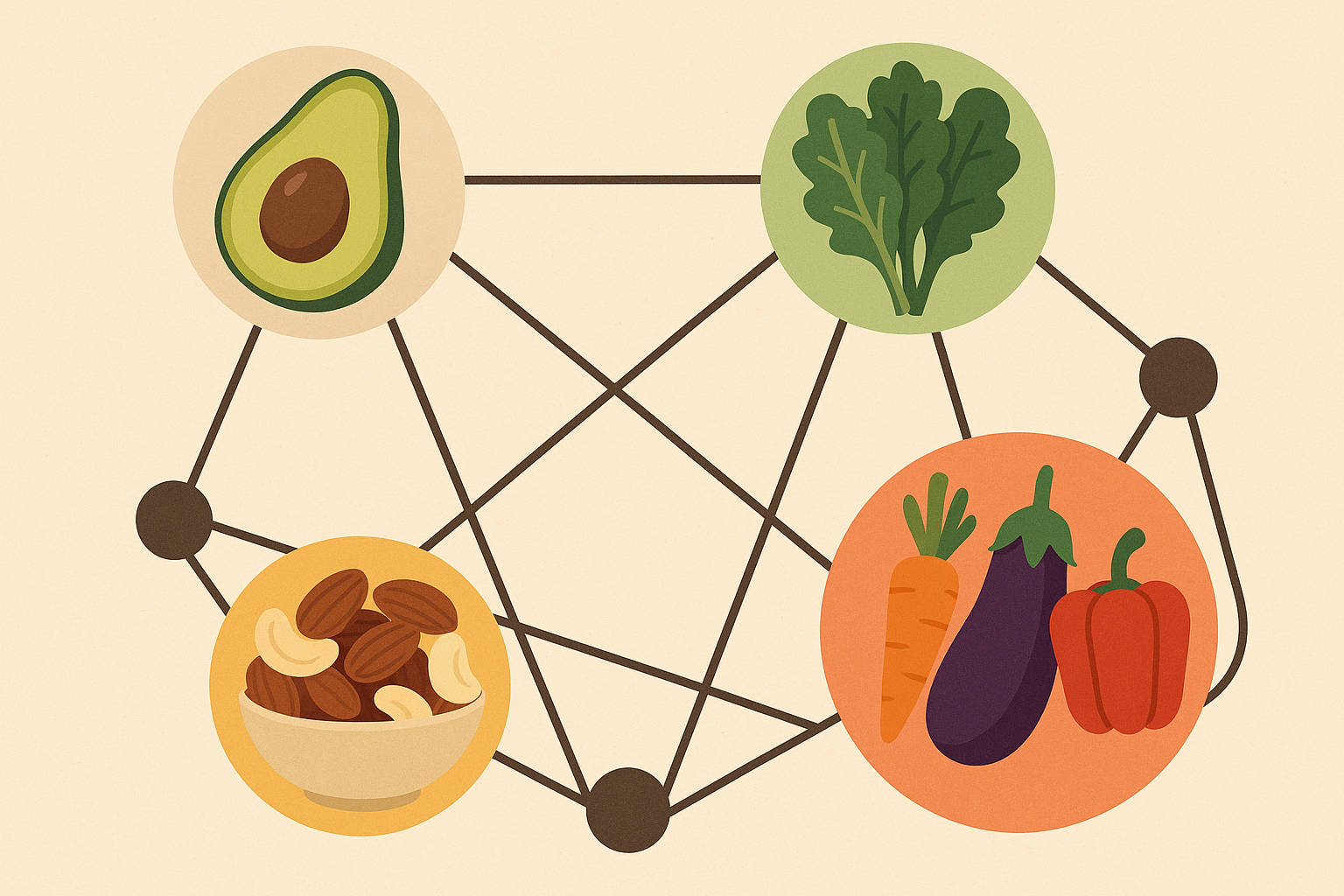
Getting the Most from Your Fat-Soluble Vitamins
Vitamins A, D, E, and K need fat to be absorbed, but when you’re watching calories, every gram of fat counts. I learned to add just 5-10g of healthy fats to meals with these vitamins, usually timing this with my biggest meal for maximum absorption.
What I actually do:
- I pair 5-10g of healthy fats with meals containing these vitamins
- I choose nutrient-dense sources like avocado, nuts, or olive oil
- I time these vitamins with my largest meal when absorption is best
- I get my vitamin D levels checked every few months to make sure I’m on track
Managing Mineral Competition
Here’s something that blew my mind – iron, zinc, and calcium actually compete for absorption in your digestive system. I used to take all my supplements together, not realizing they were basically fighting each other.
Now I space these out throughout the day. I take my iron supplement with vitamin C-rich foods in the morning (like 1 cup strawberries with 49 calories), calcium with dinner, and zinc before bed. Within two weeks of making this change, my energy levels improved noticeably.
Making Every Calorie Work Harder
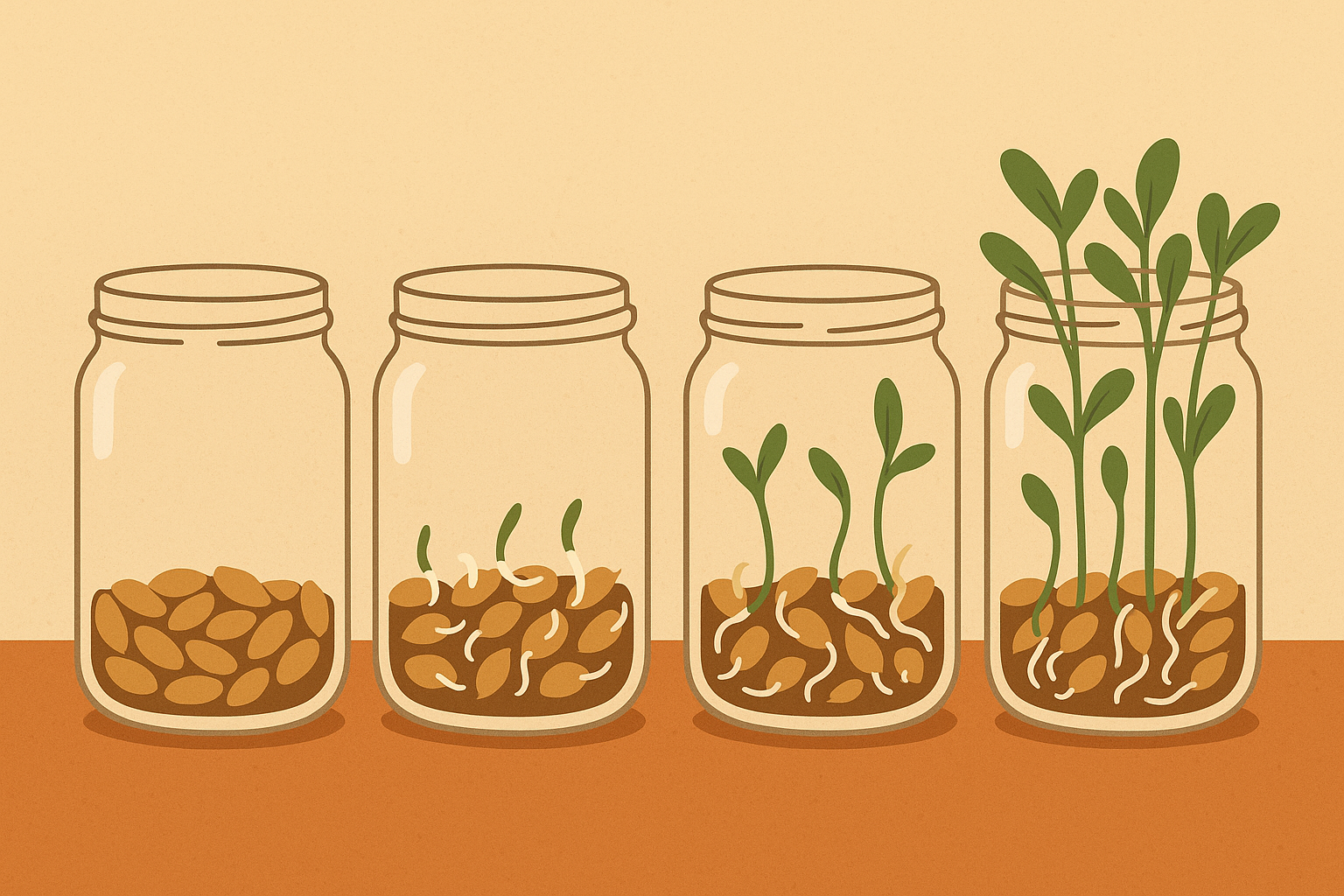
Simple food prep techniques can dramatically increase nutritional value without adding calories. These aren’t trendy methods – fermentation, sprouting, and soaking are scientifically proven ways to make nutrients more available to your body.
Studies have linked calorie counting with better weight control over time, with participants in one study reducing calories by an average of 441 calories per day just by doubling their daily protein intake, showing how strategic nutrient choices really do amplify your results.
Much like how drinking vinegars support gut health, fermented foods in your meal plan provide probiotics that enhance nutrient absorption while adding almost no calories.
Fermentation: Your Secret Weapon
Fermented foods don’t just add probiotics – they increase how well your body can use the nutrients that are already there, and they add almost no calories. I keep fermented vegetables, kefir, and kombucha as regular parts of my routine. They add flavor and nutrition without breaking my calorie budget.
The change in my digestion was noticeable within the first week. My bloating decreased significantly, and I felt like I was getting more energy from the same meals.
Sprouting and Soaking: Old-School Wisdom That Actually Works
These traditional prep methods increase nutrient density and make foods easier to digest. I soak my nuts and grains overnight and sprout seeds regularly. It takes almost no effort but transforms these foods into nutritional powerhouses.
I prep a week’s worth of soaked nuts and sprouted seeds every Sunday. The time investment is maybe 10 minutes of actual work, but the nutritional payoff is huge.
The Psychology Behind Why Calorie Restriction Fails
Your brain is literally wired to fight calorie restriction – it’s an evolutionary thing that kept our ancestors alive during famines. Understanding this programming completely changed my approach. Instead of fighting my brain’s natural responses, I learned to work with them.
This psychological awareness is what finally made my approach sustainable instead of a constant battle of willpower. According to “Diet Doctor”, 86% of people completing their two-week program reported losing weight, and the key insight is that “appetite tends to be somewhat suppressed on low carb diets,” showing how smart food choices can work with your psychology rather than against it.
The moment I stopped viewing
The moment I stopped viewing my cravings as personal failures and started seeing them as predictable biological responses, everything shifted. I could finally create strategies that worked with my brain instead of constantly fighting it.
Managing Your Brain’s Reward System
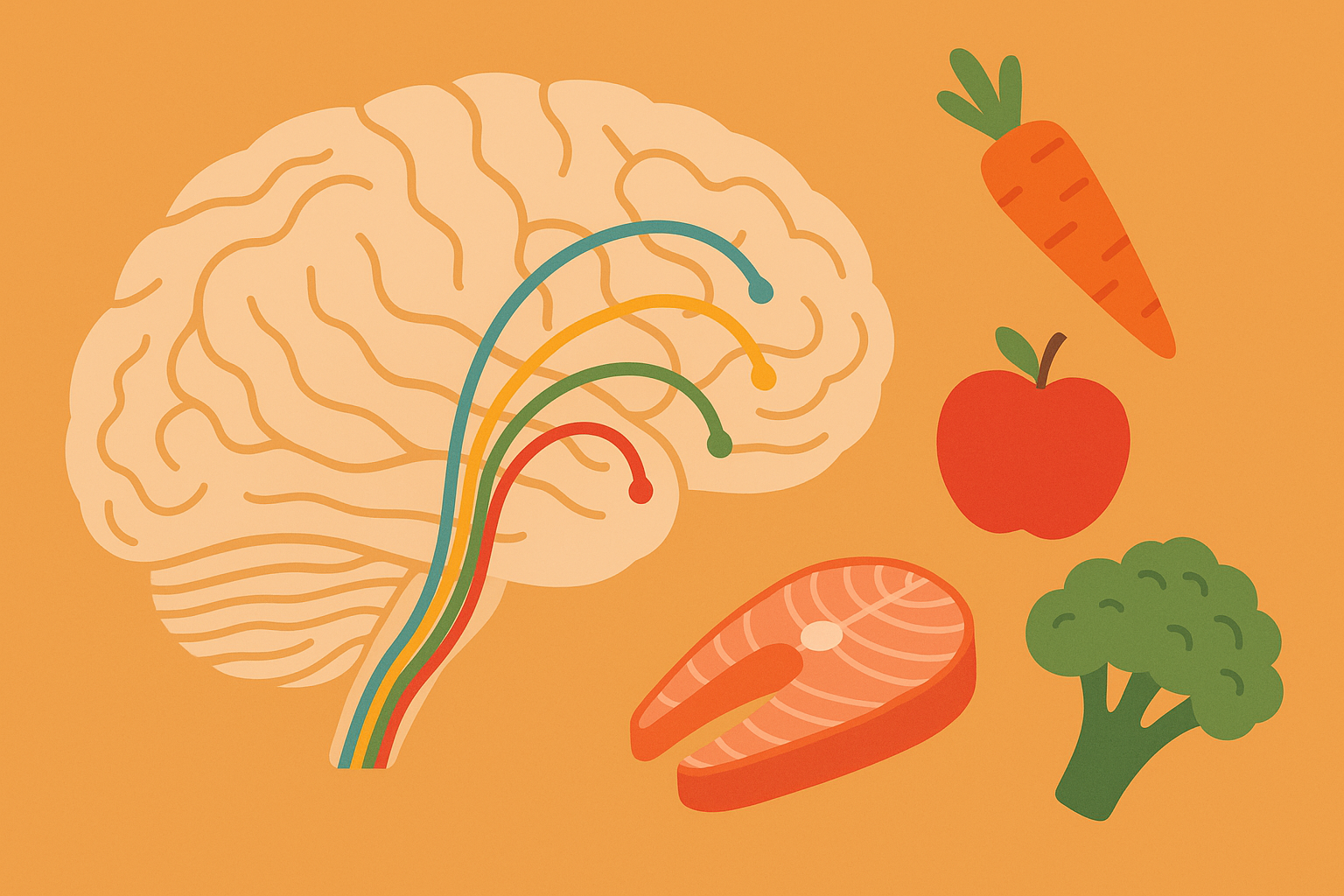
Here’s the thing nobody talks about – eating fewer calories naturally decreases dopamine production, which explains why you feel less motivated and crave more food when dieting. I used to think this was a personal failing, but it’s actually predictable brain chemistry.
Learning to strategically manage this through planned treats and making my regular meals more satisfying keeps my motivation high without derailing my progress. This understanding completely changed how I approach weight loss.
Strategic Reward Timing
Fighting cravings with willpower is exhausting and honestly doesn’t work long-term. Instead, I plan one “reward meal” per week that’s about 20% above my daily calorie target. This isn’t cheating – it’s strategic brain chemistry management.
How I handle reward meals:
- I plan one reward meal per week at about 20% above my daily target
- I schedule it for my highest stress day or when I’m being social
- I pay attention to my mood and cravings for a few days after to optimize timing
- I adjust how often I do this based on how well I’m sticking to my plan overall
My “reward meal” last week was pizza with my kids. No guilt, no drama – just pizza and family time.
Making Regular Meals More Satisfying
Engaging multiple senses during eating increases satisfaction without adding calories. I focus on food presentation, varied textures, and actually paying attention while I eat. These simple changes make my regular meals feel more satisfying and indulgent than they actually are.
The difference this makes is honestly surprising. The same 400-calorie meal feels completely different when I eat it mindfully with proper presentation versus scarfing it down while scrolling my phone.
What actually makes meals more satisfying:
- I use colorful plates and include different textures in each meal
- I eat without distractions (no phone, TV, or computer)
- I chew slowly and pause between bites
- I include at least 3 different flavors per meal
- I set the table properly, even when I’m eating alone
- I use herbs and spices liberally for sensory variety
Rebuilding Your Eating Habits from Scratch
Willpower is finite, but habits run on autopilot. Instead of relying on daily decisions about food, I rebuilt my eating environment and mindset around my new goals. This shift from conscious effort to unconscious habit made my approach feel natural rather than restrictive.
Just as body tension patterns reveal emotional health, your eating habits reflect deeper patterns that need to be addressed.
Designing Your Environment for Success
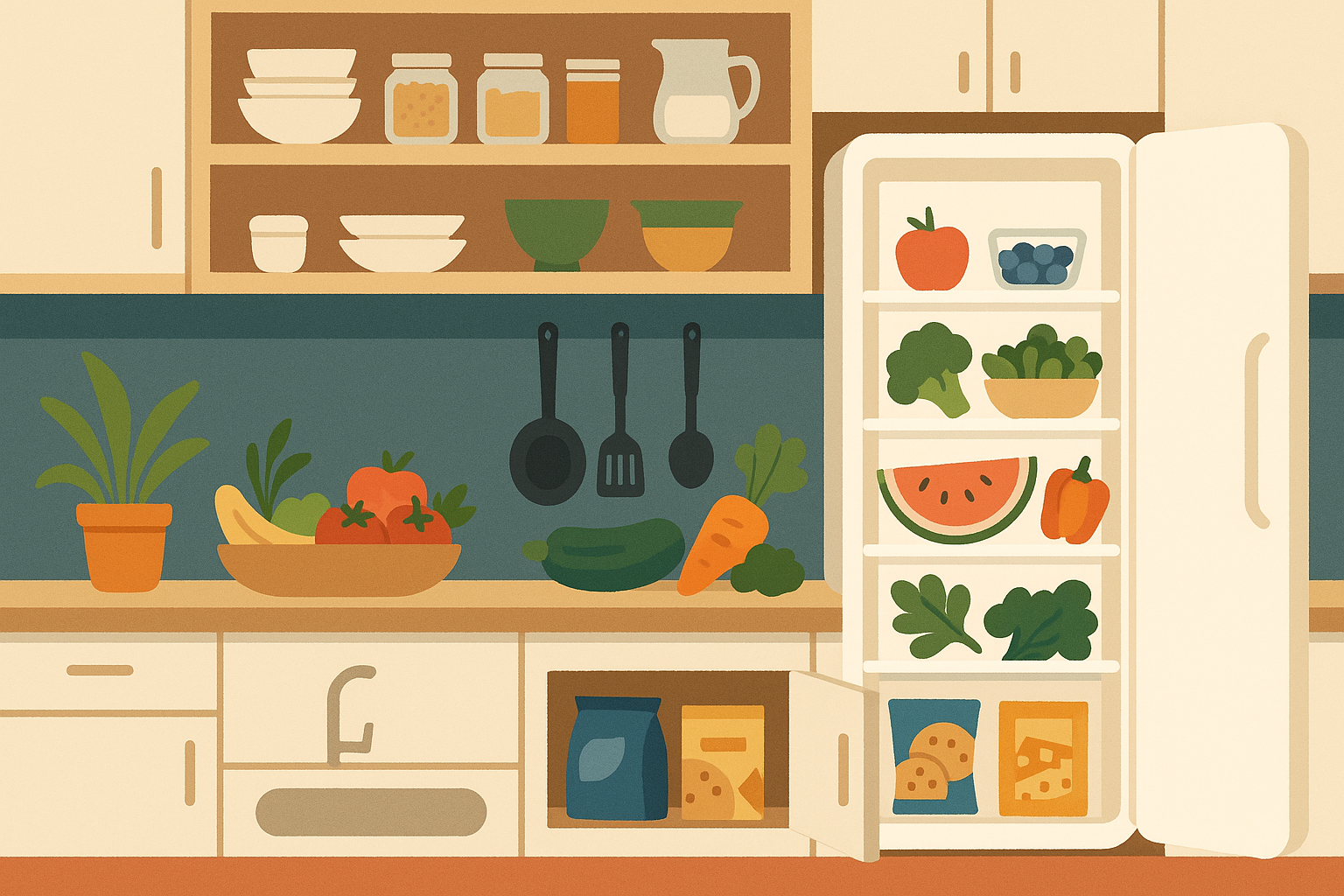
Your environment shapes your choices way more than your willpower does. I strategically rearranged my kitchen, workplace, and social spaces to make healthy choices the path of least resistance. When nutritious options are the easiest options, you don’t need to rely on motivation to make good decisions.
I rearranged my entire kitchen so that healthy foods are at eye level and processed snacks are hidden away. I keep pre-portioned containers of vegetables and proteins ready to grab. My workspace has a mini-fridge stocked with good options so I’m never caught hungry without a plan.
Look, I’m not meal prepping Instagram-worthy containers every Sunday. Sometimes it’s just hard-boiled eggs I made while watching Netflix. But having something ready prevents those desperate moments when you’ll eat anything.
Becoming Someone Who Eats This Way
The most powerful change I made was shifting from “I’m on a diet” to “I’m someone who takes care of my body.” This identity shift creates sustainable change because you’re not fighting against who you are – you’re acting in alignment with who you’ve become.
How I formed this new identity:
- I defined my new eating identity in specific, positive terms
- I create daily evidence of this identity through small actions
- I celebrate identity-consistent choices rather than just focusing on weight loss
- I regularly check in with myself and adjust my identity statement
Instead of saying “I can’t eat that cake because I’m dieting,” I now think “I choose the fruit salad because I’m someone who nourishes my body thoughtfully.” This subtle shift eliminated the feeling of deprivation and made healthy choices feel empowering rather than restrictive.
You don’t need to overhaul your entire identity overnight. Maybe just try thinking of yourself as someone who eats a good breakfast. Small steps, real progress.
Building a Support System That Actually Helps
Going it alone is unnecessarily hard. I learned that having the right people around your meal planning goals provides accountability, shared resources, and social reinforcement that makes eating fewer calories feel less like deprivation and more like a shared journey.
One large study of more than 40,000 French adults linked meal planning with a lower risk of obesity, while those who stick to the same eating strategy seven days a week are more successful with weight loss, highlighting the importance of consistent community support systems.
Building support systems is as crucial as understanding simple ways to beat bloat and improve digestion – both create the foundation for sustainable meal planning success.
Creating Your Meal Planning Community
I found my people in the most random place – a Facebook group for working moms trying to eat better. We share photos of our messy kitchens and celebrate small wins like remembering to eat lunch. Sometimes it’s a beautiful salad, sometimes it’s cereal for dinner. Both are fine.
Building a support network around meal planning goals provides accountability, shared resources, and social reinforcement. The key is finding people with similar goals who understand the specific challenges you’re facing without judgment.
Meal Prep Partnerships
Organizing with others for bulk preparation and recipe sharing reduces the time burden while keeping variety in your meals. I participate in a weekly meal prep session with three friends – we share costs, try new recipes, and keep each other motivated. It’s turned meal prep from a chore into something I actually look forward to.
We rotate hosting duties and each person brings ingredients for one complete meal that serves all four of us. This way, we each go home with four different meals for the week, and the cost per person is way lower than shopping individually.
Accountability That Actually Works
My accountability partner is my neighbor. We text each other pictures of our meals – not to judge, just to check in. Sometimes it’s a beautiful salad, sometimes it’s cereal for dinner. Both are fine.
Structured check-ins with others following similar goals provide motivation and problem-solving support during challenging periods. My accountability group meets weekly (virtually) to share successes, challenges, and strategies.
How we structure our accountability:
- We found 2-3 people with similar health goals for weekly check-ins
- We share meal plans and preparation strategies openly
- We create group challenges around trying new recipes
- We celebrate non-scale victories together to maintain motivation
| Support Type | How Often | Why It Helps | How We Stay Accountable |
|---|---|---|---|
| Meal Prep Partners | Weekly | Cost sharing, variety, motivation | Shared grocery lists, recipe exchanges |
| Virtual Check-ins | Weekly | Progress tracking, problem-solving | Progress photos, honest conversations |
| Recipe Challenges | Monthly | Preventing boredom, skill building | New recipe trials, taste testing |
| Non-Scale Victories | Daily | Motivation maintenance, identity reinforcement | Energy levels, mood tracking, clothing fit |
Honoring Your Cultural Food Connections
I thought I had to give up my grandmother’s recipes to lose weight. Turns out, I just needed to eat smaller portions and maybe add some extra vegetables. Revolutionary, right?
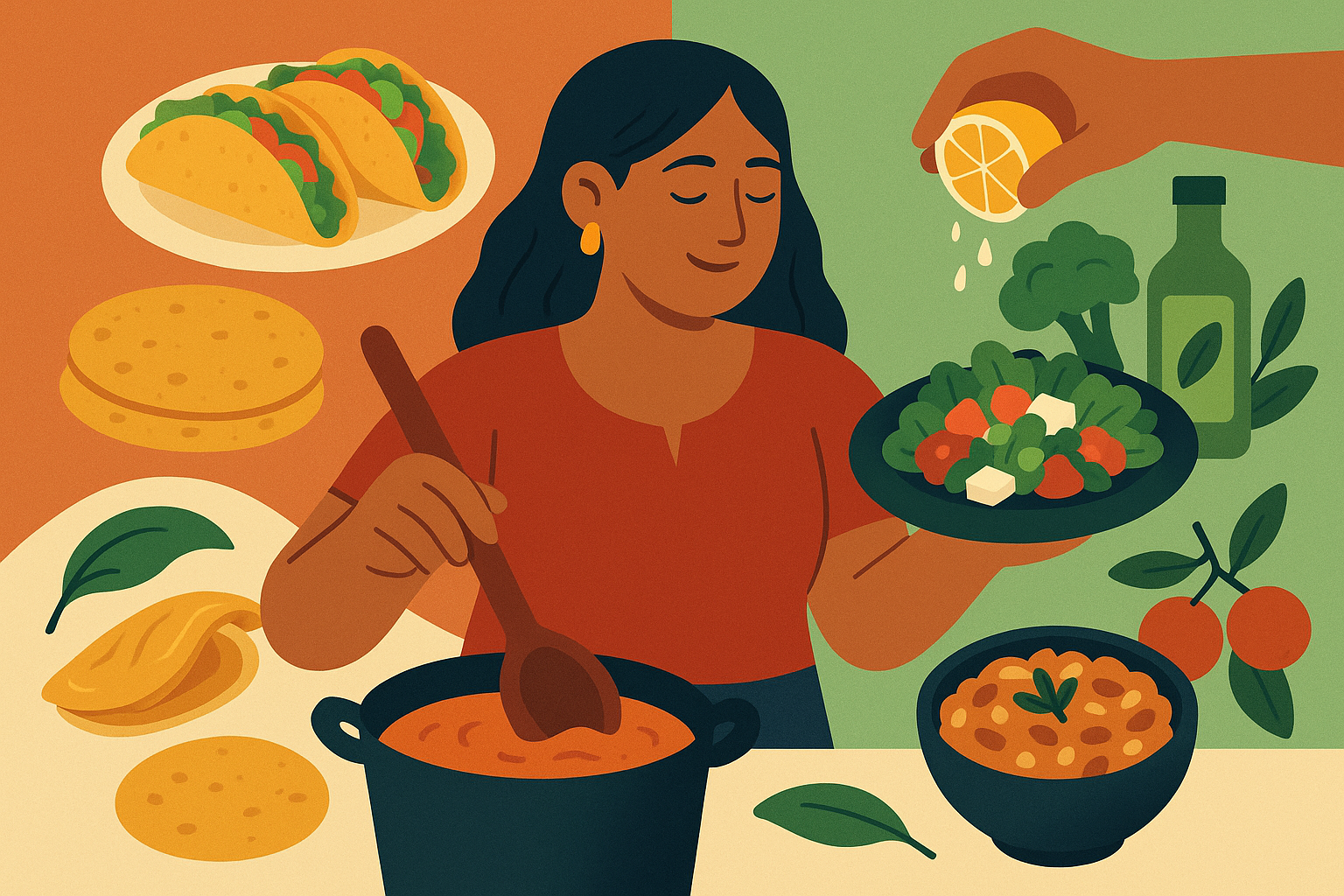
Food is deeply tied to culture and family connections. Learning to thoughtfully adapt traditional foods while maintaining their cultural significance created a sustainable approach that honors both my health goals and my heritage.
Adapting Heritage Recipes
Thoughtful modification of family recipes maintains cultural connections while supporting your goals. I work with traditional recipes, finding ways to reduce calories without losing the essence of what makes them special. This approach feels like evolution rather than abandonment of my food culture.
I’ve learned to substitute ingredients creatively – using Greek yogurt instead of sour cream, cauliflower rice mixed with regular rice, or increasing vegetables while slightly reducing meat portions. The flavors remain authentic, but the calorie density decreases significantly.
Navigating Social Food Situations
Family dinners were stressing me out because I felt like I had to choose between my goals and my relationships. Now I just eat a little less and focus more on the conversation.
Social gatherings don’t have to derail your meal plan if you have strategies in place. I’ve developed approaches for maintaining my eating goals during social events without sacrificing relationships or enjoyment.
Social situation navigation that actually works:
- Review restaurant menus online before arriving
- Eat a small protein-rich snack before social events
- Offer to bring a healthy dish to share at gatherings
- Focus conversations on people rather than food
- Practice polite phrases for declining food offers
- Plan your next day’s meals to stay on track after events
Much like how intuitive eating principles help you reconnect with natural hunger cues, maintaining cultural food connections ensures your meal plan feels authentic rather than restrictive.
Organic Authority understands that sustainable wellness isn’t about perfection – it’s about finding approaches that work with your real life. Their carefully curated selection of clean supplements and wellness products can support your meal planning journey when whole foods alone aren’t enough. Whether you need high-quality protein powders to meet your morning protein goals or digestive support to maximize nutrient absorption, Organic Authority’s vetted products align with the same principles of working with your body rather than against it.
Final Thoughts
Listen, I’m still figuring this out. Some weeks are better than others. But for the first time in years, I’m not obsessing over food or feeling guilty about every bite. That alone feels like winning.
Creating a sustainable approach to eating fewer calories isn’t about finding the perfect system – it’s about understanding your body’s natural patterns and working with them instead of against them. The strategies I’ve shared aren’t theoretical concepts; they’re practical approaches that transformed my relationship with food from a constant struggle into something that feels natural and sustainable.
The most important thing I’ve learned is that your meal plan needs to fit your life, not the other way around. Whether it’s timing your calories with your body’s natural energy windows, building a support community that gets what you’re trying to do, or adapting your cultural food traditions to support your health – success comes from integration, not isolation.
Bad days happen. Last Tuesday I ate cookies for lunch. Wednesday I got back on track. That’s how this works. You’re not broken if this doesn’t work perfectly right away. Neither was I.
Remember that sustainable change happens gradually. Don’t overthink it – just try eating your biggest meal before noon for a week and see how you feel. Once that feels normal, maybe try one other thing. Your future self will thank you for choosing the path of sustainable progress over quick fixes that don’t last.
You don’t need to be perfect at this. Some days you’ll mess up, and that’s totally normal. If this feels overwhelming, just pick one thing to try first. Trust me, if I can figure this out, so can you.