
Rainbow Diet Meal Plan: The Science-Backed Color Strategy That Actually Works for Lasting Health

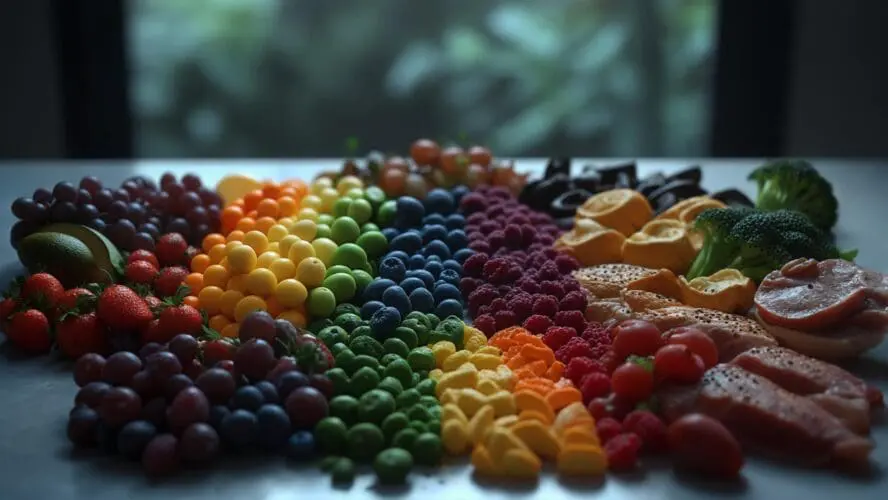
You know how your mom always said “eat your colors”? Turns out she was onto something way bigger than any of us realized. Research suggests that eating a diverse range of colorful produce delivers the greatest health benefits — and can even help you live longer. In a 15-year follow-up study analyzing nearly 20,000 adults age 50 and older, researchers found that “the variety, rather than quantity, in fruit and vegetable intake was associated with a lower risk of mortality.”
Look, I’m not going to pretend this is some revolutionary discovery. But what surprised me was learning that those vibrant colors aren’t just nature’s way of making our Instagram posts look better – they’re actually doing specific things in our bodies that we’re only now starting to understand.
What You Need to Know
- Plant colors aren’t just pretty – they contain compounds that do real work in your body
- Blue and purple foods have stuff in them that’s especially good for your brain
- When you eat certain colors matters more than you’d think
- You don’t need to eat every color every day (thank goodness)
- Combining different colored foods can make them work better together
- Your genetics might mean you need more of certain colors than others
Why Food Colors Actually Matter (And It’s Not What You Think)
When I first heard about the rainbow diet, I’ll be honest – I thought it was just another wellness trend designed to make us feel bad about our beige lunches. But then I started digging into what these colors actually do, and it turns out there’s some pretty solid science behind eating like a box of crayons exploded on your plate.
These plant colors contain compounds that work in specific ways in our bodies. It’s not just about getting “antioxidants” (whatever those really are) – different colors literally do different jobs. Once I understood this, grocery shopping got way more interesting.
Understanding the science behind colorful nutrition can help improve your digestive health and reduce bloating while supporting overall wellness through strategic food choices.
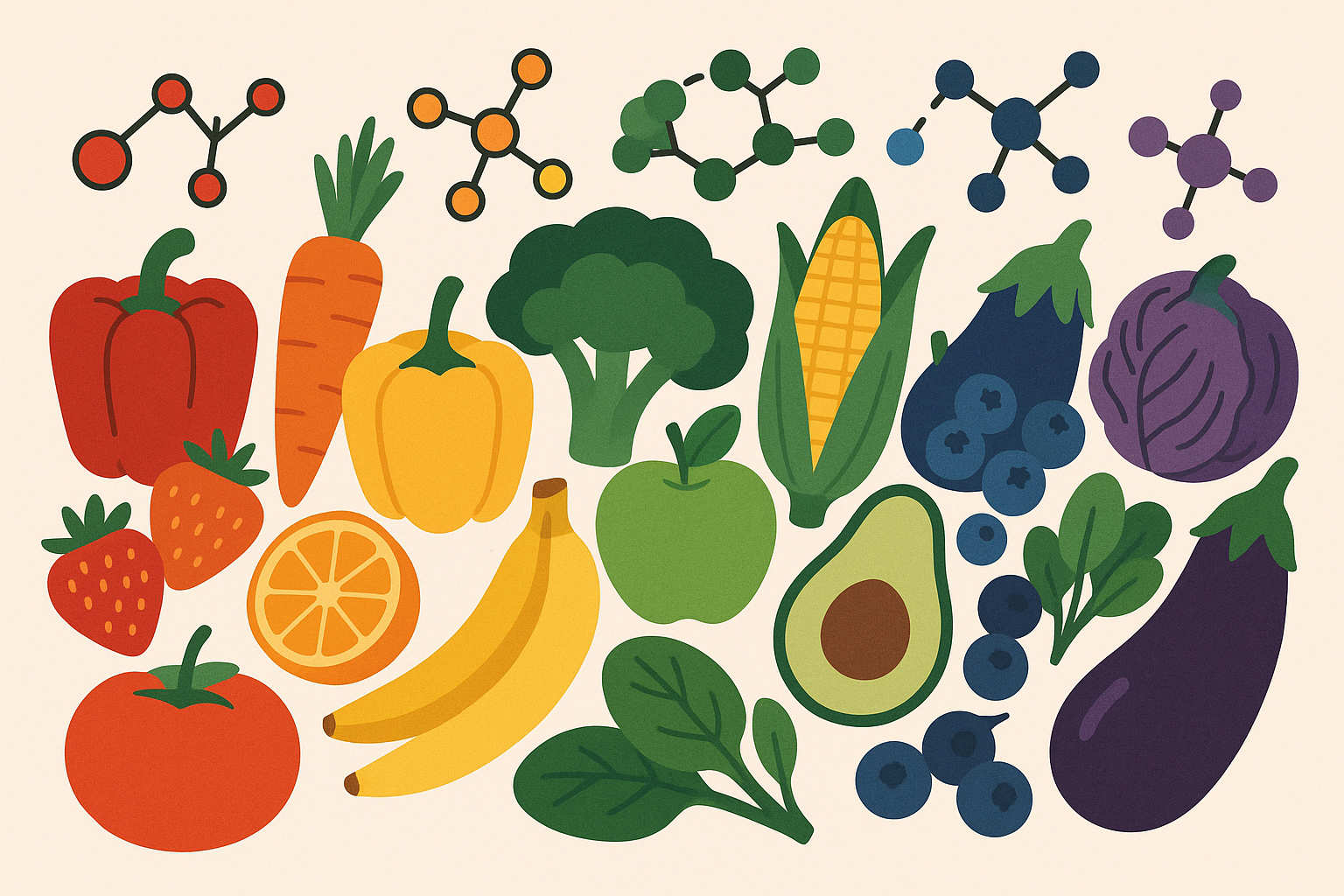
How Plant Colors Actually Work in Your Body
Here’s the thing that blew my mind: specific plant colors create measurable changes in our bodies. This isn’t about eating pretty food to feel virtuous – it’s about understanding that when you eat a blueberry, certain compounds in that blueberry are doing specific work that a carrot can’t do.
By understanding these connections, you can make smarter choices about what to eat when, rather than just hoping that throwing some colorful vegetables in your cart will somehow make you healthier.
Blue and Purple Foods: Your Brain’s Best Friends
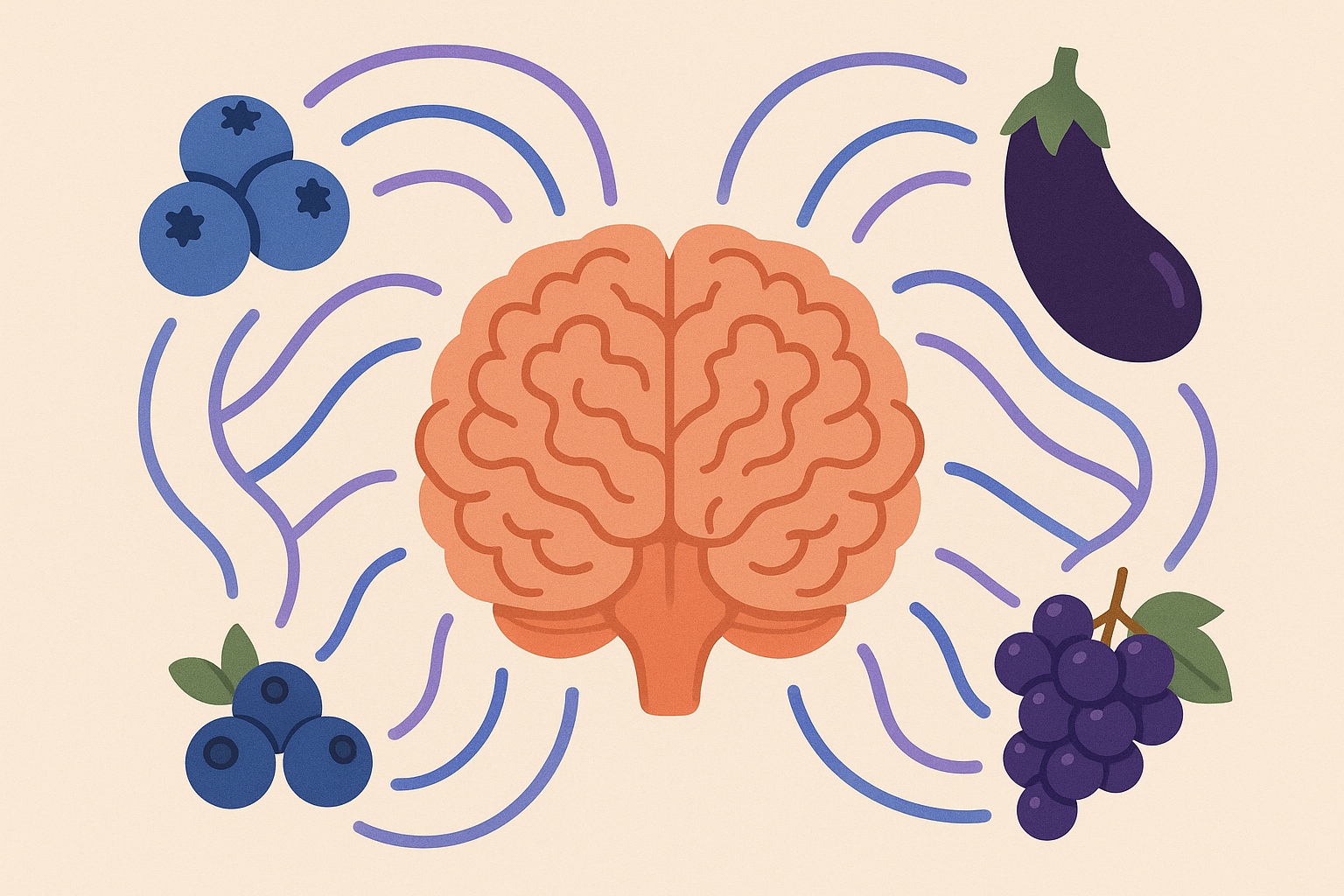
Blueberries, eggplant, purple cabbage – these aren’t just pretty additions to your plate. They contain compounds called anthocyanins that can actually cross the blood-brain barrier. Most nutrients can’t do this, which makes these foods pretty special for brain health.
I find it fascinating that these compounds show better brain-protective effects than other plant nutrients. According to research from the Cleveland Clinic, anthocyanins can lower blood pressure and improve brain function by increasing blood flow to and activating brain areas that control memory, language and attention.
I started eating blueberries with dinner instead of as a morning snack, and honestly? I’ve been sleeping better. Could be coincidence, but I’m not changing it back.
Orange and Red Foods: More Than Just Vitamin A
The orange-red spectrum delivers over 600 different compounds, and most of us only know about beta-carotene. There are lesser-known ones like astaxanthin and zeaxanthin that do specific things for your skin, eyes, and how your cells repair themselves.
Sweet potatoes, carrots, and red bell peppers each have different profiles of these compounds. They’re not interchangeable – they each bring something different to the table. Understanding this made me realize why variety within color families matters so much.
Green Foods: Nature’s Cleanup Crew
Green vegetables provide chlorophyll that works as a natural detoxifier and blood builder, plus folate and other B-vitamins that are essential for some pretty important processes in your body. I used to think of green foods as just “healthy vegetables,” but they’re actively supporting your body’s cleanup systems.
Dark leafy greens, broccoli, and herbs aren’t just nutritious – they’re helping your body deal with all the junk we encounter every day. As nutrition expert Professor Stephanie Petrosky from Nova Southeastern University explains, “Plants are the superpower because they thrive in environments where the sun is constantly beating on them, causing them to produce phytonutrients and other protective factors” – and she recommends eating five to eight half-cup servings of fruits and vegetables daily from a wide array of colors.
Green cruciferous vegetables like broccoli contain immune-supporting sulforaphane that enhances the detoxification benefits of eating colorfully.
Making Your Body Actually Use These Nutrients
Here’s where most rainbow diet advice falls apart: you can eat all the colorful foods in the world, but if your body can’t actually use them, you’re basically throwing money away. How you prepare these foods, what you eat them with, and when you eat them makes a huge difference.
The first time I learned about this, I realized I’d been doing everything wrong. Raw carrots with no fat? Waste of time for getting those beneficial compounds. Tomatoes eaten cold? Missing out on most of the good stuff.
| Food Preparation Method | What It Does | Best For |
|---|---|---|
| Raw | Keeps vitamin C and enzymes intact | Red peppers, berries, leafy greens |
| Lightly steamed | Preserves most nutrients | Broccoli, spinach, asparagus |
| Roasted | Makes lycopene easier to absorb | Tomatoes, carrots, sweet potatoes |
| Sautéed with fat | Helps your body absorb carotenoids | Orange vegetables, dark leafy greens |
Why You Need Fat With Your Colorful Vegetables
This one changed everything for me: combining colorful vegetables with healthy fats increases how much of the beneficial compounds your body can actually use – we’re talking up to 500% more. That’s not a small improvement.
I always pair my orange and red vegetables with avocado, olive oil, or nuts now because without fat, you’re essentially wasting most of the good stuff. Even just a teaspoon or two of olive oil makes a massive difference.
Try roasting carrots and sweet potatoes with a drizzle of olive oil, or add sliced avocado to your red bell pepper salad. Your body will thank you.
When Cooking Actually Makes Things Better
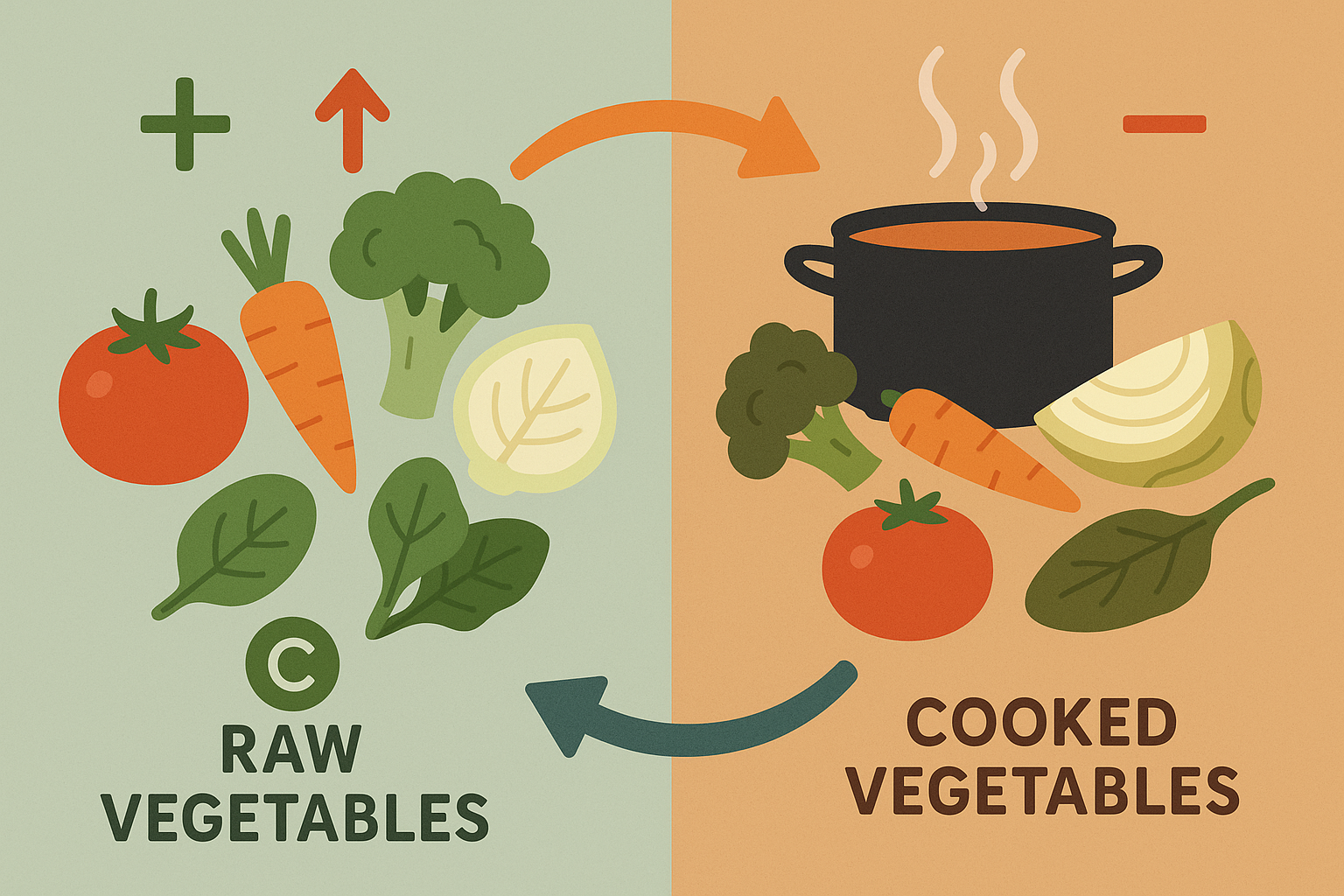
Here’s something that surprised me: certain foods like tomatoes and carrots actually become more beneficial when you cook them lightly, while others lose their good stuff with heat.
Lycopene in tomatoes becomes easier for your body to use when cooked, but vitamin C in red peppers breaks down with heat. Once I learned these preparation differences, I started getting way more benefit from the same foods.
A Week of Colors That Won’t Drive You Crazy
Rather than trying to eat every color every day (which is expensive and exhausting), I’ve found that cycling through color emphasis each day works way better. It’s manageable, ensures you don’t miss important nutrients, and actually makes meal planning easier.
The key is understanding that different colored foods serve different purposes at different times. A study analyzing the link between diet variety and metabolic syndrome found a 24 percent reduction in metabolic syndrome risk among individuals with the highest factor scores of the healthy dietary pattern that included a variety of colorful foods.
This approach eliminates the guesswork while making sure you get comprehensive nutrition coverage without the stress of trying to be perfect every single day.
Timing Your Colors (If You Want to Get Fancy)
Emerging research suggests that eating specific colored foods at certain times of day might enhance their effects. I started paying attention to this, and while I’m not going to claim it’s life-changing, I have noticed some differences.
This isn’t about strict rules – it’s about working with your body’s natural patterns if you want to optimize things a bit more.
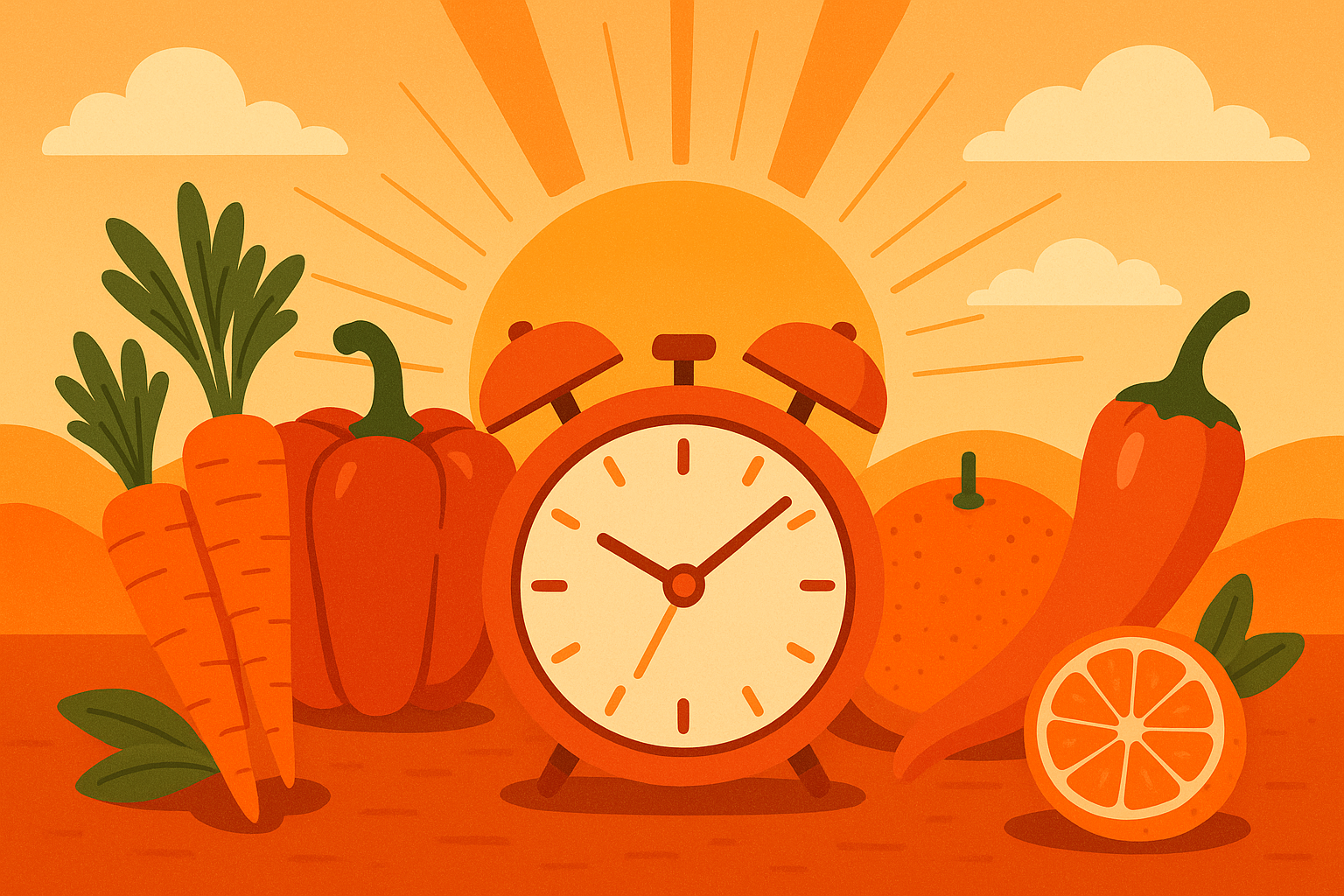
Morning Colors That Actually Wake You Up
Red and orange foods in the morning provide compounds that support your body’s natural wake-up processes and prepare your digestive system for the day. I start my mornings with red bell peppers, carrots, or sweet potato because these foods contain stuff that naturally supports your energy.
It’s not just about getting nutrients – it’s about timing them to work with your natural rhythms instead of against them.
Evening Colors That Help You Wind Down
Blue and purple foods eaten in the evening contain compounds that support your body’s natural wind-down processes and cellular repair during sleep. I’ve noticed better sleep quality when I include blueberries, purple grapes, or eggplant in my dinner.
These foods work with your body’s evening processes rather than against them. It’s like using food to support what your body already wants to do.
Your Loose Weekly Framework
Here’s a 7-day approach that emphasizes different color families each day while keeping things flexible. I’ve found this system much more sustainable than trying to include every color every day, and it ensures I don’t miss any important nutrients.
Each day builds on the previous one, creating a rhythm that becomes natural without being rigid. Food planning expert Nisha Vora from Rainbow Plant Life emphasizes the importance of structured meal planning, stating that “Before I even set foot in the grocery store, my very first step is to make a plan” – a tactic proven by psychologists to increase follow-through on health goals.
Proper meal planning becomes easier when you understand intuitive eating principles that help you listen to your body’s needs while following a flexible color framework.
Days 1-2: Red Foundation
Focus on tomatoes, watermelon, red bell peppers, and strawberries. This could mean throwing cherry tomatoes in your salad, buying red bell peppers instead of green ones, or having watermelon as a snack. Don’t overthink it.
The compounds in these red foods support heart health and provide antioxidant protection. Day 1 breakfast could be as simple as scrambled eggs with diced tomatoes, while Day 2 might be a smoothie with strawberries and spinach.
Days 3-4: Orange and Yellow Power
Emphasize carrots, sweet potatoes, oranges, and yellow squash for immune system support. During this phase, focus on foods that help your immune system and provide the building blocks for vitamin A.
The compounds in citrus fruits work well with those in orange vegetables to create comprehensive immune support. When you eat colors systematically like this, these orange and yellow days become your immune-boosting foundation.
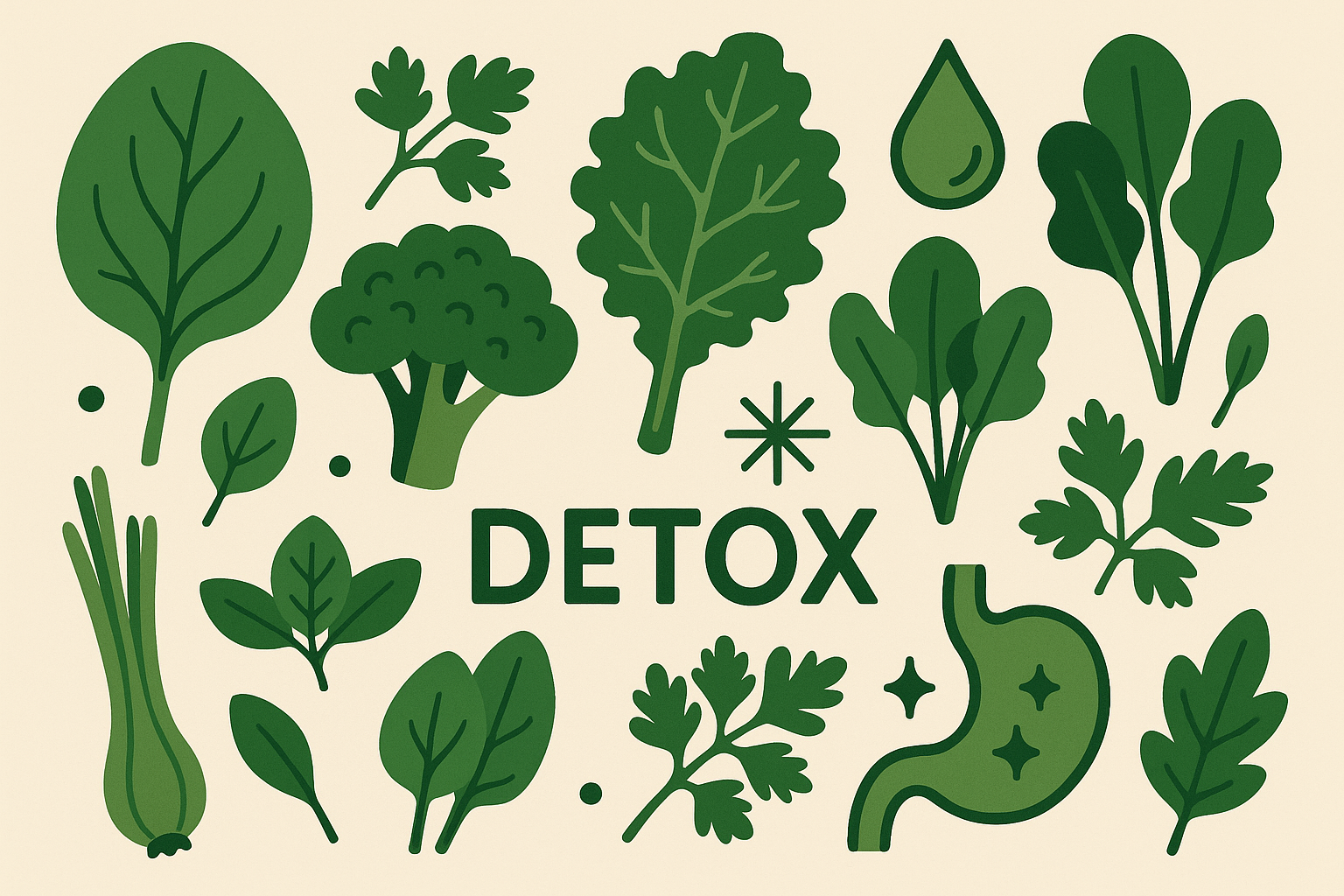
Days 5-6: Green Foundation
Prioritize dark leafy greens, broccoli, and herbs to support your body’s natural detox systems and provide essential minerals. These two days are about supporting your liver and giving your body the mineral foundation that makes other nutrients work better.
I try to get variety within the green spectrum – spinach, kale, broccoli, fresh herbs. The green days create the metabolic foundation for optimal health.
Day 7: Purple and Blue Finale
End the cycle with blueberries, eggplant, and purple cabbage to maximize anti-inflammatory benefits and brain support. This final day brings together the week’s nutrition with foods that specifically support brain health and reduce inflammation.
The compounds in these foods provide the perfect end to a week of strategic colorful eating, supporting brain health and recovery.
How Different Colors Work Together
Here’s where things get really interesting: different colored foods don’t just work individually – they actually enhance each other when combined properly. This is where the real magic happens, and it’s not just about getting variety.
According to research from the Harvard T.H. Chan School of Public Health, a diet rich in vegetables and fruits can “lower blood pressure, reduce the risk of heart disease and stroke, prevent some types of cancer, lower risk of eye and digestive problems, and have a positive effect upon blood sugar.”
Understanding these relationships allows you to strategically combine foods for maximum benefit rather than just hoping that variety alone will improve your health.
The synergistic effects of colorful foods can be enhanced when combined with high-quality greens powders that provide concentrated nutrients to fill gaps in your colorful food intake.
When Colors Team Up for Better Results
Specific combinations of differently colored foods create partnerships that enhance absorption and benefits beyond what single-color meals can achieve. Understanding these combinations allows you to strategically pair foods for maximum benefit.
Have you ever wondered why certain food pairings just make you feel better? The answer often lies in these relationships between different colored compounds.
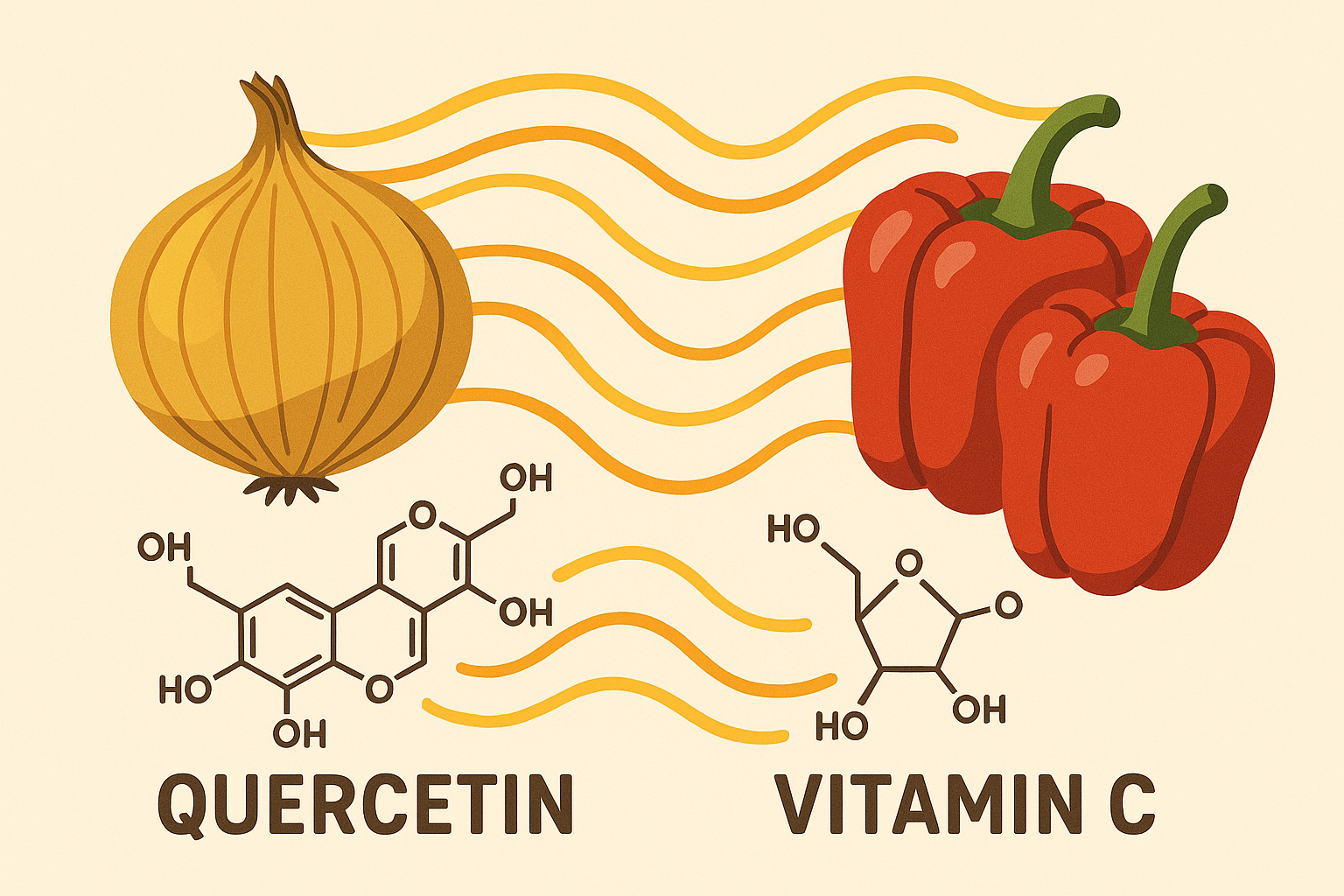
The Onion and Re d Pepper Power Combo
Pairing yellow onions with red peppers creates a powerful anti-inflammatory combination that enhances how well your body can use both compounds. The vitamin C in the red peppers actually helps your body absorb and utilize the beneficial compounds in the onions more effectively.
This isn’t just about getting both nutrients – it’s about creating an effect where each food makes the other work better. I regularly use this combination in stir-fries and salads because the anti-inflammatory effects far exceed what either food provides alone.
How Rainbow Foods Feed Your Gut Bacteria
Different colored foods feed different bacterial populations in your gut, and strategic colorful eating can be used to cultivate beneficial bacterial diversity for better health. Understanding these bacterial preferences helps explain why some people respond better to certain colored foods than others.
Your gut bacteria actually have preferences for specific types of plant compounds. Eating colors systematically ensures you’re feeding all the beneficial bacterial strains in your digestive system, not just a few.
Supporting your gut bacteria through colorful foods works well with drinking vinegars that promote digestive health and enhance nutrient absorption from colorful foods.
Different Colors Feed Different Bacteria
Each color family provides unique fibers that support different beneficial bacteria strains, making color diversity essential for optimal gut health. Red foods tend to feed different bacterial populations than green foods, which explains why true color diversity is so important.
I think of each color as feeding a different “team” of beneficial bacteria in my gut. This ensures comprehensive bacterial support rather than favoring just one or two strains.
| Color Family | What It Feeds | Which Bacteria | What This Helps |
|---|---|---|---|
| Red | Plant tannins, pectin | Bifidobacterium | Heart health, inflammation |
| Orange/Yellow | Beta-carotene, pectin | Lactobacillus | Immune support, vitamin production |
| Green | Chlorophyll, sulfur compounds | Akkermansia | Detox, metabolism |
| Purple/Blue | Anthocyanins, resistant starch | Roseburia | Brain health, anti-aging |
| White | Inulin, allicin | Faecalibacterium | Anti-inflammatory, digestion |
Getting Fancy With Your Colors (If You Want To)
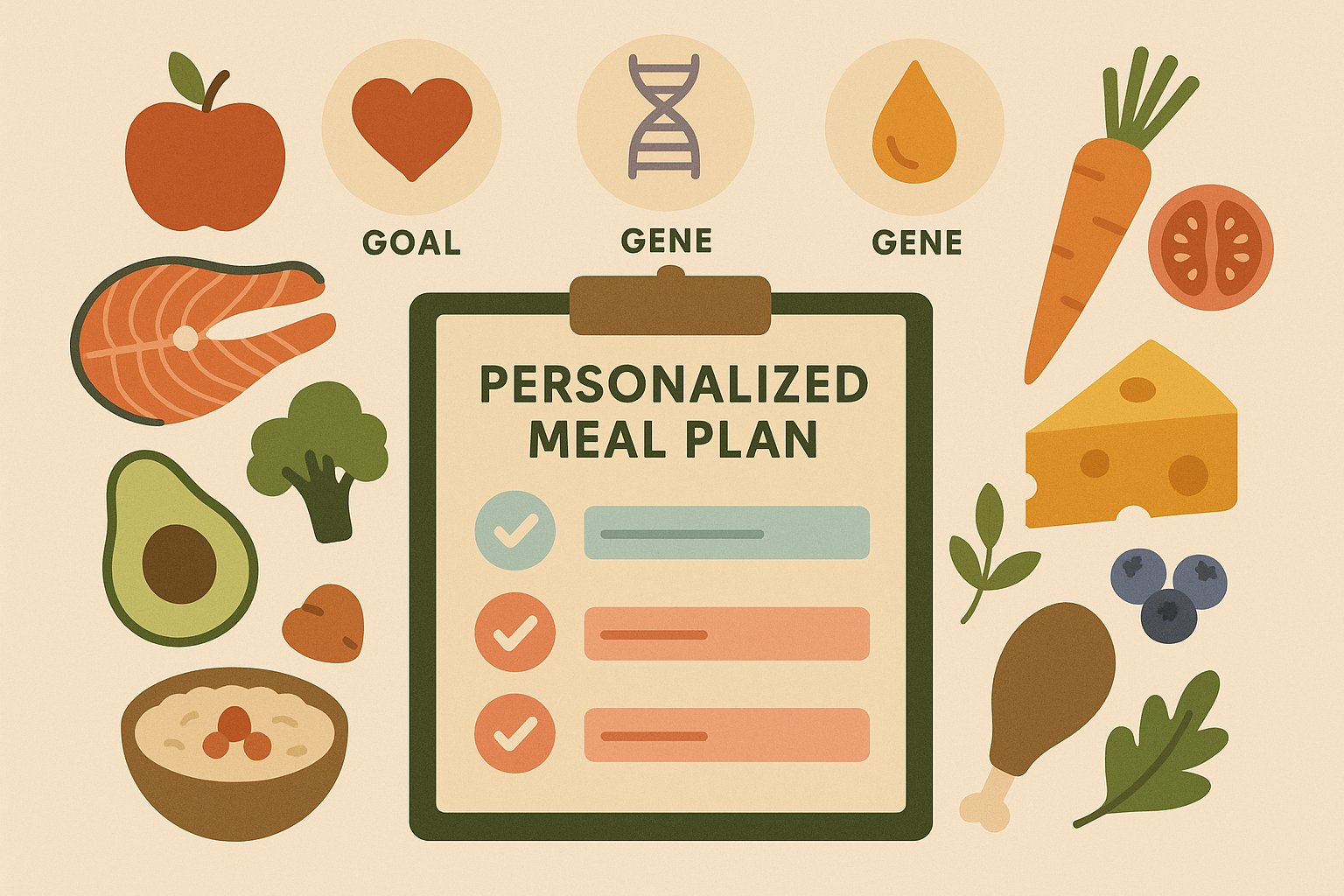
Once you’ve got the basics down, you can start customizing your approach based on your individual needs and goals. This isn ‘t about making things complicated – it’s about understanding that your body might respond better to certain colors based on your genetics, health status, and what you’re trying to achieve.
Your approach should reflect your unique biology and health objectives rather than following a one-size-fits-all plan.
Finding Your Personal Color Sweet Spot
Individual responses to different colored foods vary based on genetics, current health status, and how your body processes nutrients. What works amazingly for your friend might not work the same way for you, even when following the same principles.
Understanding your personal color compatibility helps you optimize your approach for your unique biology. Some people thrive on higher amounts of green foods, while others need more emphasis on orange and red varieties.
How Your Genes Affect Color Processing
Variations in certain genes affect how individuals process specific colored foods, particularly those high in folate from green vegetables. If you have certain genetic variations, you might need to emphasize specific colors or prepare them differently to get optimal benefits.
I recommend getting genetic testing if you’re serious about optimizing your approach and want to understand which colors your body processes most efficiently and which ones might need special attention.
Things to Consider for Optimization:
- Test for gene variations that affect folate processing from greens
- Identify antioxidant enzyme variants that influence red/purple food needs
- Check beta-carotene conversion efficiency that impacts orange food requirements
- Assess detoxification gene variants that determine green cruciferous needs
- Review inflammatory markers that guide anti-inflammatory color emphasis
Understanding your genetic predispositions can help optimize your approach, similar to how elimination diets help identify food sensitivities that may affect your response to certain colored foods.
Eating Colors With the Seasons
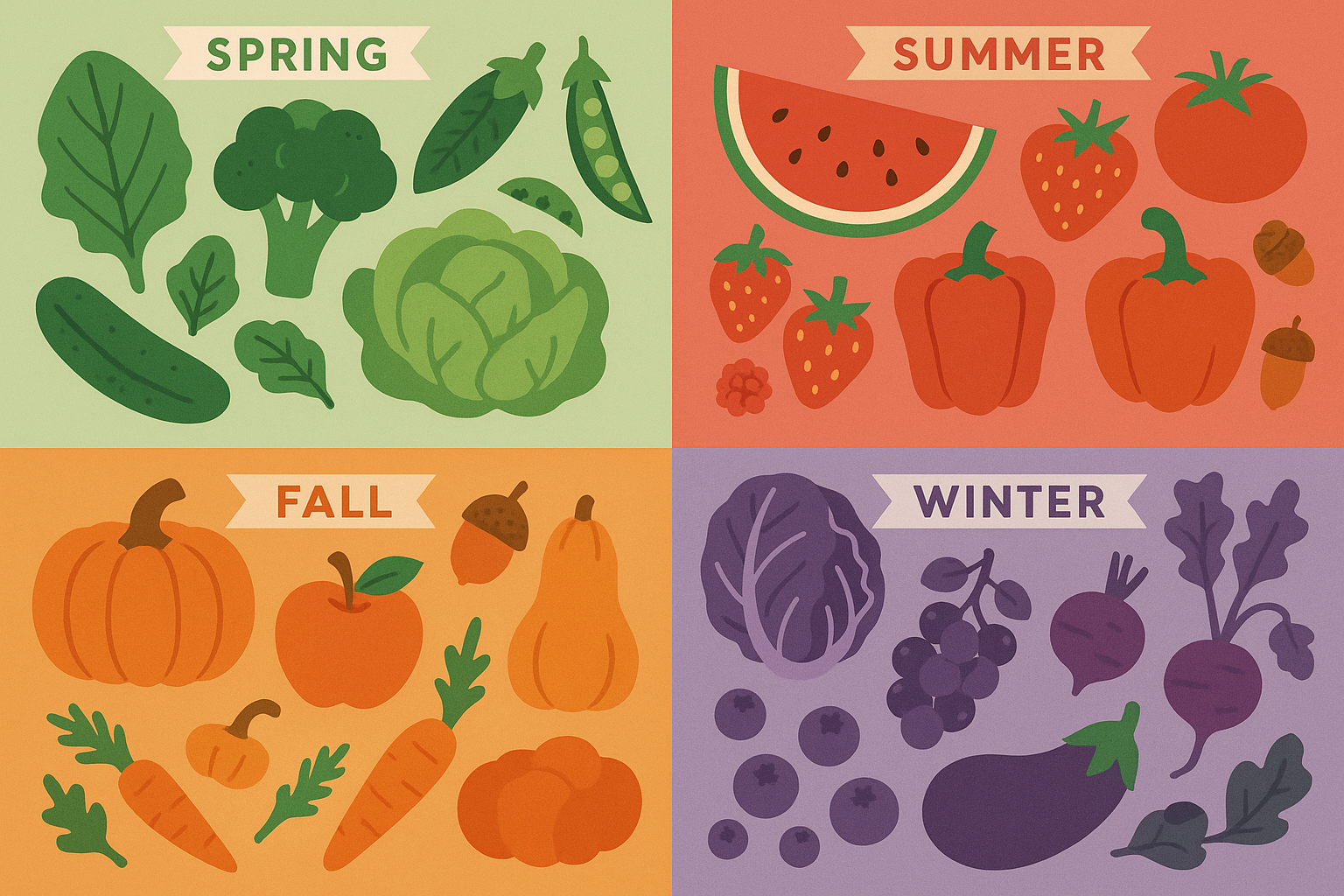
Aligning your color choices with seasonal availability makes both nutritional and practical sense. I’ve found that eating seasonally available colors not only tastes better and costs less, but also provides the nutrients your body tends to need during different times of the year.
Spring greens support detox after winter, while fall oranges and reds provide immune support before cold season. When you eat colors seasonally, you’re working with nature’s timing rather than against it.
Using Colors to Target Specific Concerns
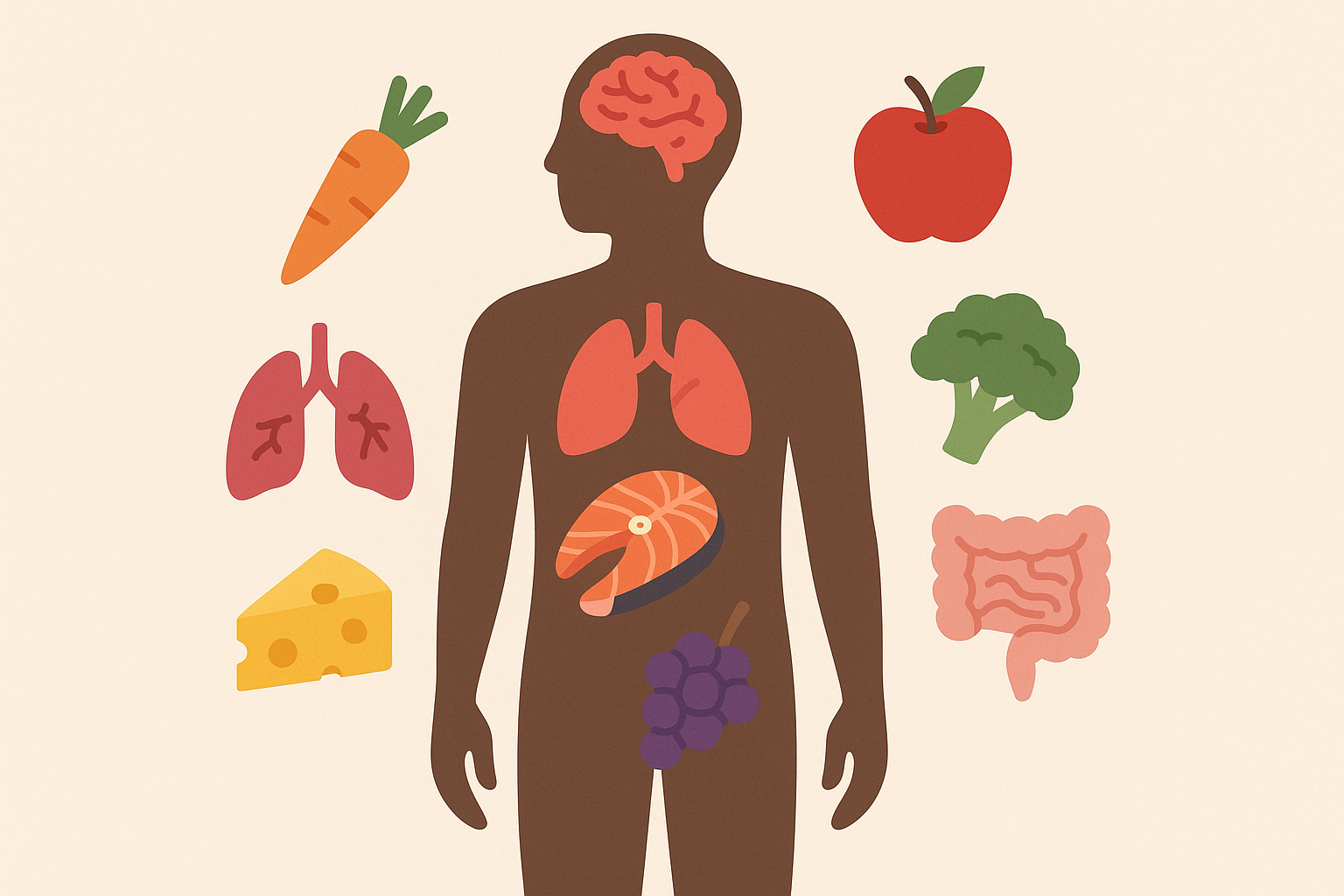
Specific health concerns benefit from emphasized consumption of particular color families, allowing colorful eating to be used as a targeted wellness tool. If you’re dealing with inflammation, you might emphasize purple and blue foods. For skin health, orange and red foods become more important.
I use this therapeutic color targeting to address specific health concerns while maintaining overall variety. For someone dealing with brain fog and memory issues, I’d recommend emphasizing the purple/blue days in their weekly cycle, incorporating blueberries at breakfast, purple cabbage at lunch, and eggplant at dinner, while still maintaining variety from other color families throughout the week.
When you eat colors with specific intent, food becomes more than just sustenance.
Targeting Specific Concerns:
- Heart Health: Emphasize reds (lycopene) and purples (anthocyanins)
- Brain Function: Focus on blues/purples (anthocyanins) and greens (folate)
- Immune Support: Prioritize oranges (beta-carotene) and whites (allicin)
- Detox Support: Emphasize greens (chlorophyll) and whites (sulfur compounds)
- Anti-Aging: Combine purples (resveratrol) with reds (lycopene)
- Digestive Health: Balance greens (fiber) with whites (prebiotics)
Making This Work in Real Life
Look, implementing a rainbow approach isn’t about perfection – it’s about understanding that the colors on your plate represent tools that can improve your health when used strategically. Once you grasp the science behind why different colored foods work at specific times and in particular combinations, eating becomes less about restriction and more about empowerment.
Your body responds to these plant compounds in measurable ways, and that response becomes more pronounced when you align your color choices with your natural rhythms, genetic makeup, and specific health goals.
The 7-day cycling method has completely changed how I approach meal planning because it removes the overwhelm of trying to include every color every day while ensuring I don’t miss any crucial nutrients. What surprised me most was discovering how much preparation methods and food combinations matter – you can eat all the colorful foods in the world, but if you’re not optimizing how your body can use them, you’re missing most of the benefits.
If you’re feeling overwhelmed by trying to source and prepare all these colorful whole foods consistently, understanding high-quality supplement options can help fill the gaps while you build sustainable eating habits.
Start with tracking your current color intake for one week, identify your gaps, then implement the cycling method gradually. Your body will tell you what’s working – pay attention to changes in energy, digestion, sleep quality, and how your skin looks. This isn’t another diet trend; it’s a sustainable approach to nutrition that gets more effective the longer you practice it.
Will this change your life overnight? Probably not. Will you feel a little better after a few weeks? Maybe. Will your grocery cart look more interesting? Definitely. And honestly, that’s a pretty good place to start.