
Your Weeknight Meal Plan Is Broken (Here’s How I Fixed Mine Using Psychology)


Table of Contents
- Why Your Brain Sabotages Every Meal Plan You Make
- The 15-Minute Meal Revolution That Changed Everything
- How I Turned Meal Planning Into a Social Activity
- Working With Nature’s Rhythm Instead of Fighting It
TL;DR
- Your brain is fried by dinner time, so make food decisions when it’s fresh (usually mornings)
- Cook a little bit every day instead of killing yourself on Sunday
- Get your neighbors to help – seriously, it’s a game-changer
- Eat soup in winter, salads in summer – work with your cravings, not against them
- Being good enough beats being perfect every single time
Why Your Brain Sabotages Every Meal Plan You Make
Last Tuesday, I stood in my kitchen at 6:47 PM, staring at the beautiful meal plan I’d made on Sunday. “Herb-crusted salmon with roasted vegetables,” it said in my optimistic Sunday handwriting. What I actually made? Cereal. For the third time that week.
I used to think I was just terrible at this whole meal planning thing. Every Sunday, I’d sit down with the best intentions, mapping out these elaborate weekly menus that looked perfect on paper. By Wednesday, I’d be ordering takeout and wondering why I couldn’t stick to anything.
Turns out, the problem wasn’t me being lazy or disorganized. The problem was that I was fighting against how my brain actually works. By 6 PM, your brain is basically a dead phone battery. It’s done making smart choices for the day.
Many families spend way more on groceries than they need to – some couples report weekly grocery bills of $100 for just two people before they figure out a system that actually works. This financial strain comes from the daily panic of standing in your kitchen thinking “what the heck am I going to make for dinner?”
Understanding Why You’re Brain-Dead by Dinner Time
Here’s what nobody tells you about meal planning: your brain makes a million tiny decisions every single day. Should I take this phone call? What should I wear? Do I need gas? Is this email important? By the time you’re standing in your kitchen at dinner time, your mental energy is toast.
Smart meal planning works with this reality instead of pretending it doesn’t exist. Instead of expecting your exhausted 6 PM brain to make good food choices, you make those decisions when your brain is actually working – usually in the morning when you’re still running on coffee and hope.
This gets even trickier when you consider that diet culture can create toxic relationships with food, making simple meal decisions feel overwhelming and emotionally loaded.

Making Decisions When Your Brain Actually Works
Sunday mornings are perfect for meal planning because your mental energy is actually there. But here’s where most people screw up – they plan what to cook without planning how to cook it.
I’ve learned that the key isn’t having perfect meal plans – it’s having plans that don’t require you to think. When I sit down Sunday morning with my coffee, I don’t just write down “chicken and vegetables.” I figure out exactly which pan I’ll use, what time I need to start cooking, and what I’ll do if I’m running late.
This might seem like overkill, but it eliminates all those tiny decisions that drain your energy after a long day. You’re not standing in your kitchen wondering whether to use the cast iron or the regular pan. You already decided that on Sunday when your brain was fresh and functioning.
| Decision Point | Pre-Planned Solution | Backup Option |
|---|---|---|
| What to cook tonight? | Check weekly plan | Emergency 15-min meals list |
| Which pan to use? | Already noted | Default: large skillet |
| When to start cooking? | Calculated backward from dinner time | Add 15-min buffer |
| Missing ingredient? | Check substitution chart | Pivot to backup meal |
| Running late? | Use pre-prepped stuff | Order from approved takeout list |
Matching Meals to Your Real Energy Levels
Tuesday me is not the same person as Sunday me. Sunday me is optimistic and ready to tackle complicated recipes. Tuesday me just wants something warm without thinking too hard about it.
I started putting my meals into three categories: “motivated me” meals for when I’m feeling ambitious, “tired but functional me” meals for regular weeknights, and “barely hanging on me” meals for those rough days we all have.
High Energy Sunday: Slow-braised short ribs with homemade mashed potatoes (3 hours, but I can read a book while it cooks)
Medium Energy Tuesday: Sheet pan chicken with pre-cut vegetables from a bag (45 minutes, one pan to wash)
Low Energy Thursday: Rotisserie chicken turned into quesadillas with bagged salad (15 minutes, minimal thinking required)
This system prevents you from setting yourself up for failure with ambitious Tuesday night cooking projects when you know Tuesday usually kicks your butt.
Planning for the Days When Everything Goes Wrong
We need to stop pretending that emotional eating doesn’t happen. Instead of fighting it, I plan for it. Some days you just need comfort food, and that’s not a character flaw – it’s being human.
Thursday is usually my most stressful day, so I always have ingredients ready for something comforting – maybe a quick soup or simple pasta. Having these options ready means I’m not ordering pizza at 9 PM because I’m too overwhelmed to think straight.
Build comfort food alternatives into your weekly rotation before you need them. This way you have healthier options that still hit those deep cravings for warmth and comfort when life gets messy.
Creating Habits That Actually Stick Around
Successful meal planning connects new behaviors to stuff you already do automatically. Your brain naturally chains behaviors together, so you can use this by connecting meal prep to activities you’re already consistent with.
Using Your Coffee Time for Dinner Prep
My coffee takes exactly four minutes to brew, and I’ve turned those four minutes into the most productive part of my day. While the machine does its thing, I’m pulling tonight’s protein out of the freezer, rinsing vegetables, or tossing ingredients into the slow cooker.
It doesn’t feel overwhelming because I’m already standing in the kitchen anyway. Use your coffee time for simple dinner prep tasks – it makes meal prep feel effortless because you’re already there.
Turning Your Commute Into Meal Prep Time
The drive home used to be my decompression time, but now it’s when I mentally walk through dinner. I visualize exactly what I’ll do when I walk in the door – which pan I’ll grab first, what needs to come out of the fridge, how long each step will take.
By the time I’m pulling into my driveway, I have a complete game plan instead of standing in my kitchen wondering what the heck to do next.
Making Food That Actually Satisfies You
Most meal plans fail because they focus on being healthy and convenient while completely ignoring whether the food actually tastes good and feels satisfying. You can eat all the “nutritious” meals you want, but if they’re boring, you’ll end up craving something more interesting.
Understanding the five elements of flavor makes cooking more compelling and delicious, whether you’re making plant-based meals or not.
Planning Around Textures, Not Just Proteins
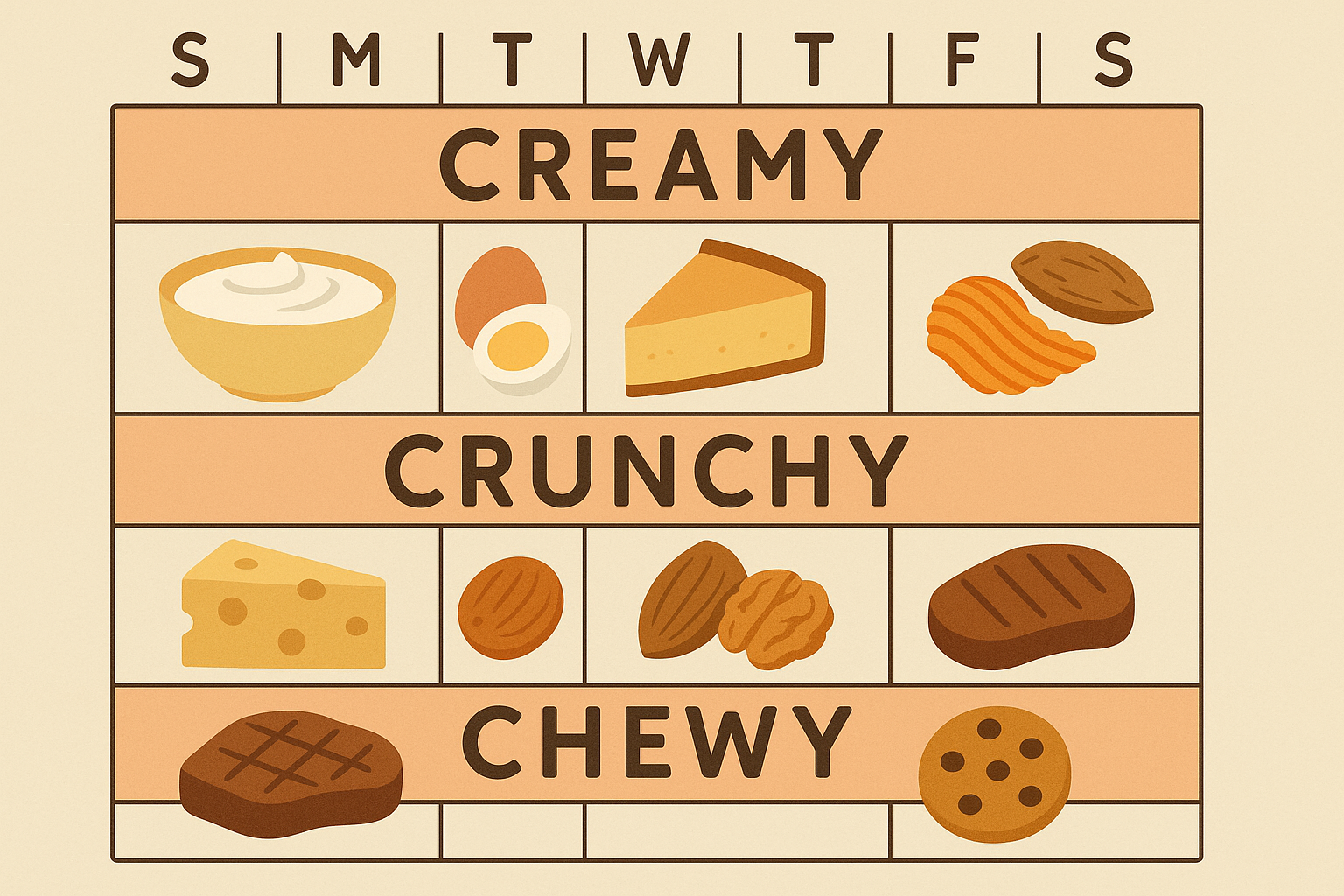
I used to plan meals around what protein we’d eat, but now I plan around textures. Monday is always something creamy (soup, risotto, or pasta with cream sauce), Tuesday brings crunch (salads with nuts, or stir-fries with crispy vegetables), Wednesday features chewy textures (grain bowls or pasta with bite).
This approach eliminated the “this is boring” complaint from my family because every night feels completely different. Plan meals around texture families to ensure variety without needing complicated recipes.
The 15-Minute Meal Revolution That Changed Everything
I tried that whole “spend your entire Sunday meal prepping” thing once. Spent three hours making these gorgeous containers of pre-portioned meals that looked like something from a health magazine. By Wednesday, I was staring at sad, soggy vegetables thinking “This is why people hate meal prep.”
The breakthrough came when I discovered cooking in tiny chunks throughout the week instead of marathon Sunday sessions. This approach works with your natural energy instead of demanding huge time investments when you might not have the motivation.
Stop Thinking in Complete Recipes
This changed everything: stop planning seven completely different meals and start planning components that can be mixed, matched, and transformed. Instead of “Monday: chicken stir-fry, Tuesday: beef tacos, Wednesday: salmon with rice,” you’re thinking in building blocks.
Making One Protein Work Three Ways
The biggest game-changer in my kitchen has been cooking proteins completely plain. I know it sounds boring, but hear me out. When I roast a chicken breast with just salt and pepper, it becomes the foundation for three totally different meals.
Cook proteins with neutral flavors that can be seasoned differently for each meal. Monday night, I slice that plain chicken over a salad with Mexican flavors – lime, cilantro, avocado. Tuesday, the same chicken gets tossed with Mediterranean herbs and olives. Wednesday, it goes into an Asian-inspired grain bowl with ginger and soy sauce.
Sunday Prep: Roast 2 pounds of plain chicken breast with salt and pepper
Monday: Mexican bowl with lime, cilantro, black beans, and avocado
Tuesday: Mediterranean salad with olives, feta, and herb dressing
Wednesday: Asian grain bowl with ginger-soy dressing and steamed broccoli
One cooking session, three meals that feel completely different. This strategy maximizes your cooking time while creating variety that keeps everyone interested.
Turning Vegetables Into Multiple Meals
I’ve discovered that vegetables want to be transformed. When I roast a big sheet pan of mixed vegetables on Sunday, I’m not just making Sunday’s side dish. Monday’s leftovers become soup base (just add broth and blend). Tuesday, any remaining roasted vegetables get chopped and tossed into a grain bowl. Wednesday, they might get stirred into scrambled eggs.
Each transformation feels completely new, but the work was mostly done days ago. Turn vegetable prep into a cascading system where each day’s cooking creates components for the next meal.
Learning how to cook vegetables like eggplant properly turns intimidating ingredients into versatile building blocks for your weeknight meal plan.
Keep Three Sauces in Your Fridge
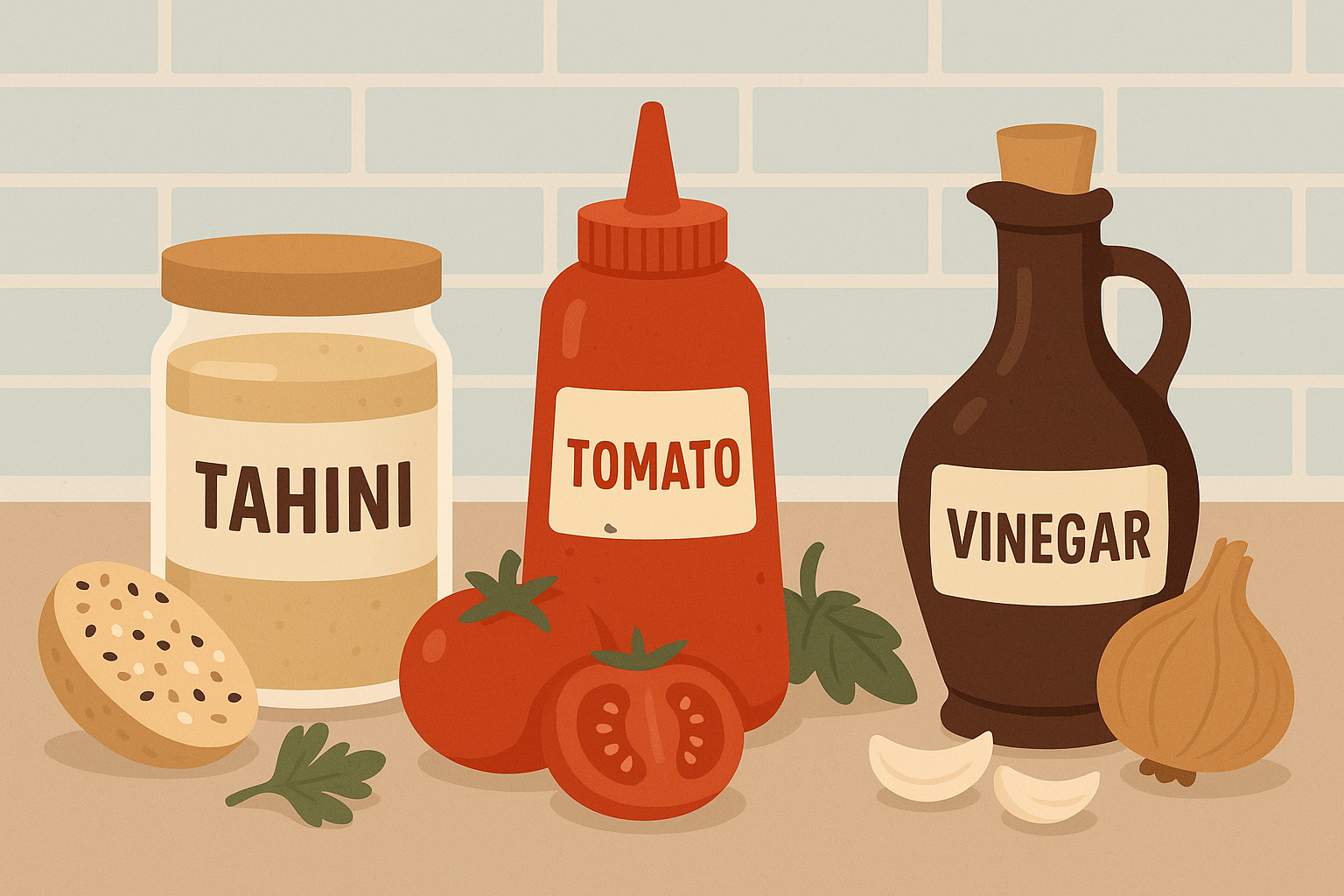
Here’s what actually works: I keep three sauces in my fridge. That’s it. Tahini stuff for when I want Mediterranean vibes (tahini, lemon, garlic, water), tomato sauce for Italian nights, and this lemony vinegar thing that makes everything taste fancy (olive oil, vinegar, mustard, herbs).
These three bases can transform the same bowl of grains and vegetables into completely different meals. The ingredients stay simple, but the flavors feel totally different.
Keep three rotating sauce bases that can transform identical ingredients into completely different flavor experiences. This gives you the power to create variety without starting from scratch every night.
Spread Cooking Tasks Throughout Your Day
Why force all meal prep into designated cooking windows when you can spread tasks across different times when they feel effortless? This approach works with your natural rhythms instead of against them.
Use Your Morning Kitchen Time
Mornings are when I’m naturally moving around the kitchen anyway – making coffee, packing lunches, cleaning up breakfast dishes. Adding one more task (tossing ingredients into the slow cooker or starting a pot of grains) doesn’t feel like extra work.
Start slow-cooking proteins or grains during your morning routine when you’re already in the kitchen. Time does the work while you’re at work, and coming home to a house that smells amazing is one of life’s simple pleasures.
Turn Your Lunch Break Into Prep Time
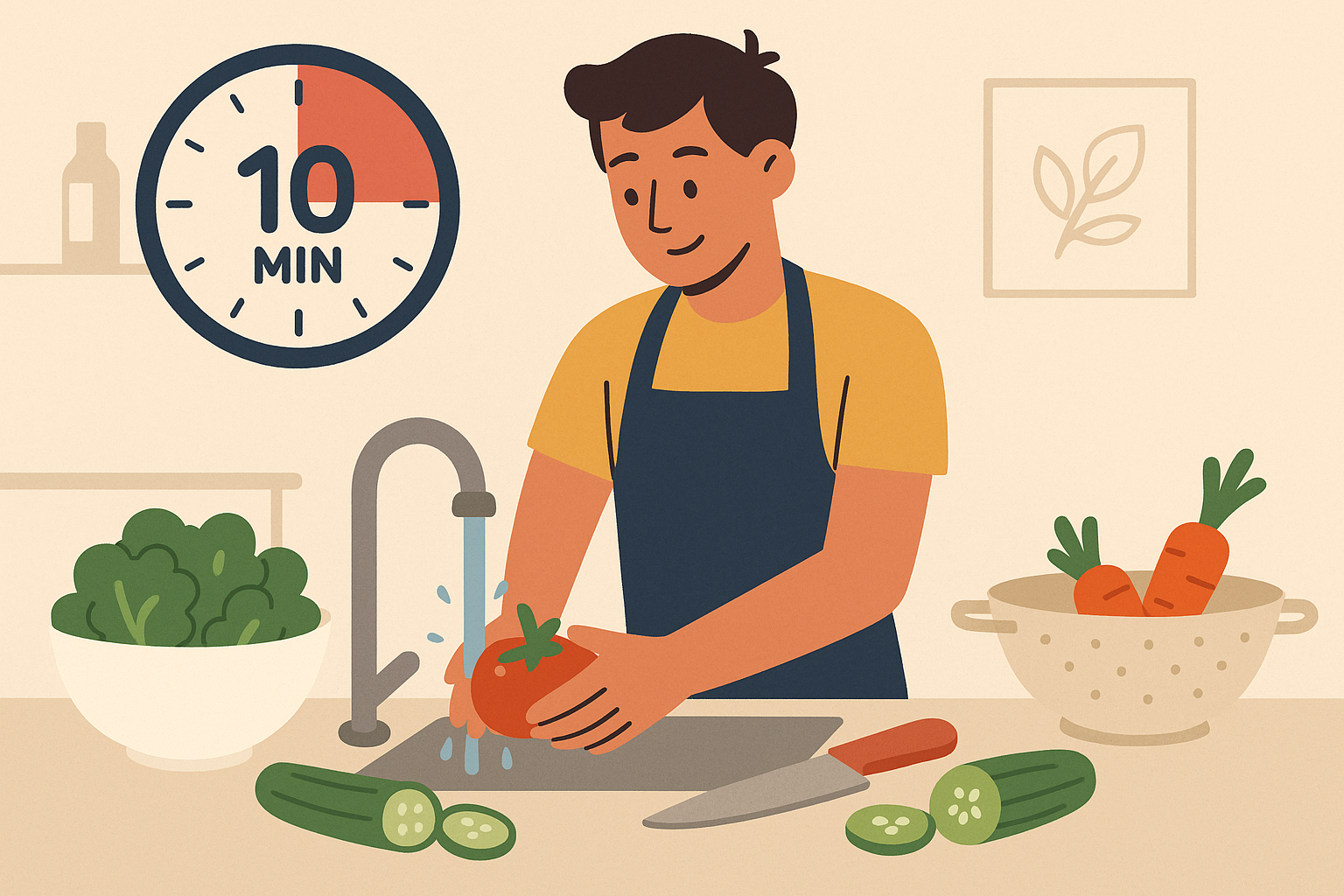
My lunch break used to be scrolling through social media, but now I spend 10 minutes doing tomorrow’s prep work. I’ll wash and chop vegetables while eating my sandwich, marinate protein, or even start something in the slow cooker for the next day.
These tiny time investments eliminate the biggest barrier to weeknight cooking – the prep work that feels overwhelming when you’re already tired. Use 10 minutes of your lunch break for simple prep tasks that eliminate evening decision points.
How I Turned Meal Planning Into a Social Activity
I was drowning in the responsibility of feeding my family every single night until I realized I was approaching this completely wrong. Meal planning doesn’t have to be a solo burden that falls on one person’s shoulders.
When I first suggested a meal pod with my neighbors, I was terrified they’d think I was weird. Turns out, everyone was drowning in the same dinner dilemma. We started small – just swapping meals once a week. Now it’s the best part of our routine.
Creating Neighborhood Meal Pods
We started our meal pod with just two other families on our street. The logistics are surprisingly simple – we use a shared Google calendar to track who’s cooking when, and a group text for quick coordination. Each family cooks one night per week and makes enough for all three families.
The other two nights, we just pick up our portions. It’s cut my cooking responsibilities by two-thirds while giving us more variety than we ever had cooking solo
Form small cooking cooperatives with 2-3 neighboring families, rotating cooking responsibilities so each family cooks one night per week but eats home-cooked meals three nights per week. This dramatically reduces individual cooking burden while building real community connections.
Keep the Logistics Simple
We’ve learned that overcomplicating the system kills participation. Keep your coordination methods as simple as possible – one shared calendar, one group chat, and clear pickup times that work for everyone’s schedule.
The first time I had to cook for three families, I panicked and made way too much pasta. Like, enough to feed a small army. We were eating leftover spaghetti for days. But you know what? Everyone was fed, and nobody had to think about dinner. Win.
Balance New Recipes With Crowd-Pleasers
The secret to our meal pod’s success has been the 80/20 rule – 80% of our shared meals come from recipes we all love, and 20% are new experiments. This way, families can try new things without worrying about feeding their kids something completely unfamiliar.
We’ve discovered some amazing recipes this way, and the kids have become more adventurous eaters because they see their friends enjoying different foods. Create a system where each family introduces one new recipe per month while maintaining a core list of meals everyone enjoys.
| Week | Family A | Family B | Family C |
|---|---|---|---|
| Week 1 | Monday: Spaghetti & Meatballs | Tuesday: Chicken Tacos | Wednesday: Beef Stir-fry |
| Week 2 | Monday: Lasagna | Tuesday: Fish & Rice | Wednesday: Vegetable Curry |
| Week 3 | Monday: Chili & Cornbread | Tuesday: Pork Tenderloin | Wednesday: Pasta Primavera |
| Week 4 | Monday: NEW RECIPE | Tuesday: Chicken Soup | Wednesday: Shepherd’s Pie |
Give Everyone in Your Family a Job
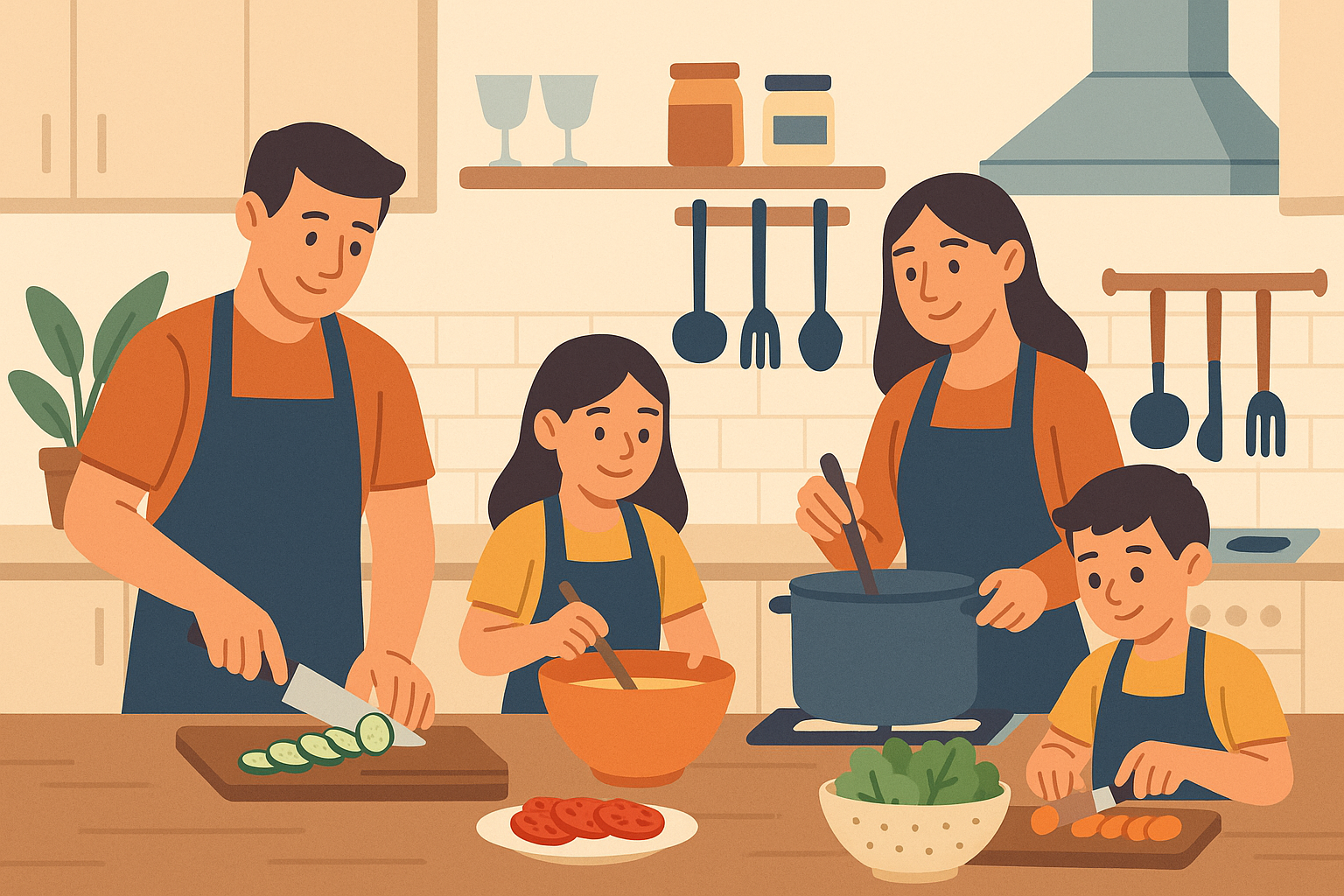
Instead of making one person responsible for all meal planning, give everyone specific jobs based on what they’re naturally good at and when they’re available. This prevents burnout while teaching valuable life skills.
The “What Do We Have” Person
My teenager became our “what do we have” person because she’s always digging through the fridge anyway. She naturally notices what we’re running low on (probably because she’s the one eating most of it), and she’s gotten really good at suggesting meals based on what we already have.
Designate one family member to keep track of what’s in the pantry and refrigerator. This prevents buying duplicates and encourages creative use of existing ingredients, reducing both food waste and grocery spending.
The Prep Helper
My husband handles all the washing, chopping, and organizing while I think about flavors and cooking techniques. We work side by side, but we’re not stepping on each other’s toes.
Separate the physical preparation tasks from actual cooking responsibilities. Having someone handle washing, chopping, and organizing ingredients makes the cooking process smoother and more enjoyable for everyone involved.
The Cleanup Systems Manager
Our youngest took on keeping the kitchen organized, which sounds fancy but really means she’s in charge of making sure we can always find what we need when we need it. She loads and unloads the dishwasher, keeps cutting boards and knives in their spots, and makes sure we never run out of clean dish towels.
Having organized systems makes cooking feel less chaotic for everyone. Create ownership around maintaining clean cooking spaces so meal preparation doesn’t become overwhelming due to kitchen chaos.
Having the right tools makes family meal coordination much easier, especially when you invest in professional-quality cookware that can handle increased cooking volume.
Family Meal Planning Jobs:
- Weekly family meeting to discuss schedule and preferences
- Give specific jobs based on each person’s strengths
- Create shared shopping list everyone can access
- Have backup plans for crazy busy nights
- Try one new meal per week
- Check in and adjust jobs monthly
How the Johnson Family Does It:
- Mom: Head chef and flavor coordinator
- Dad: Prep helper and shopping person
- Teen (16): “What do we have” manager and leftover transformer
- Kid (12): Cleanup systems manager and table setter
- Kid (8): Herb garden manager and official taste tester
Working With Nature’s Rhythm Instead of Fighting It
I used to fight against my seasonal cravings, forcing myself to eat salads in January and hot soups in July because I thought that’s what “healthy eating” looked like. Now I understand that my body’s seasonal desires actually make sense, and working with them makes meal planning feel natural instead of forced.
Different seasons call for different cooking approaches. Your energy levels, cooking motivation, and even what your body wants to eat changes throughout the year. Embracing these natural shifts creates a more intuitive relationship with food.
Match Your Meals to the Season’s Energy
Winter is when I actually want to turn on the oven. In July? Forget it. I’m eating gazpacho and calling it dinner. Working with these natural impulses instead of against them makes everything easier.
Embrace Winter’s Warming Cooking
Winter cooking has become my favorite time in the kitchen. When it’s cold outside, turning on the oven doesn’t feel like a burden – it feels cozy. I embrace braising, slow-roasting, and long-simmered soups that fill the house with amazing smells.
Use warming cooking methods that heat your kitchen while preparing meals. These techniques create the hearty, comforting foods your body craves during cold months while making your home feel warm and inviting.
The kitchen becomes the heart of the home during these months. There’s something deeply satisfying about having a pot of soup simmering while snow falls outside.
Support Spring’s Natural Lightening Up
Spring brings this natural urge to lighten up after months of heavy winter foods, and I’ve learned to work with that impulse. As fresh greens start appearing at the farmers market, I naturally want lighter cooking methods – quick sautés, fresh salads, and bright, herb-heavy dishes.
It doesn’t feel restrictive because it’s what my body is actually craving. Naturally incorporate cleansing foods and lighter cooking methods as they become seasonally available. Support your body’s natural desire to lighten up after winter without forcing dramatic changes.
This seasonal transition becomes easier when you understand simple ways to beat bloat and improve digestion, helping your body naturally adjust from heavy winter foods to lighter spring fare.
Master Summer’s Keep-It-Cool Strategy
Summer cooking is all about working smarter, not harder. When it’s 90 degrees outside, the last thing I want is a hot kitchen. I’ve mastered no-cook meals – gazpacho, grain salads, and fresh fruit-based dishes that showcase summer produce at its peak.
When I do need to cook, I use techniques that don’t heat up the house – quick stir-fries, grilling outdoors, or using the slow cooker so the heat stays contained. Develop no-cook and minimal-heat cooking techniques that keep your kitchen cool while maximizing fresh, seasonal produce.
Honor Fall’s Nesting Instincts
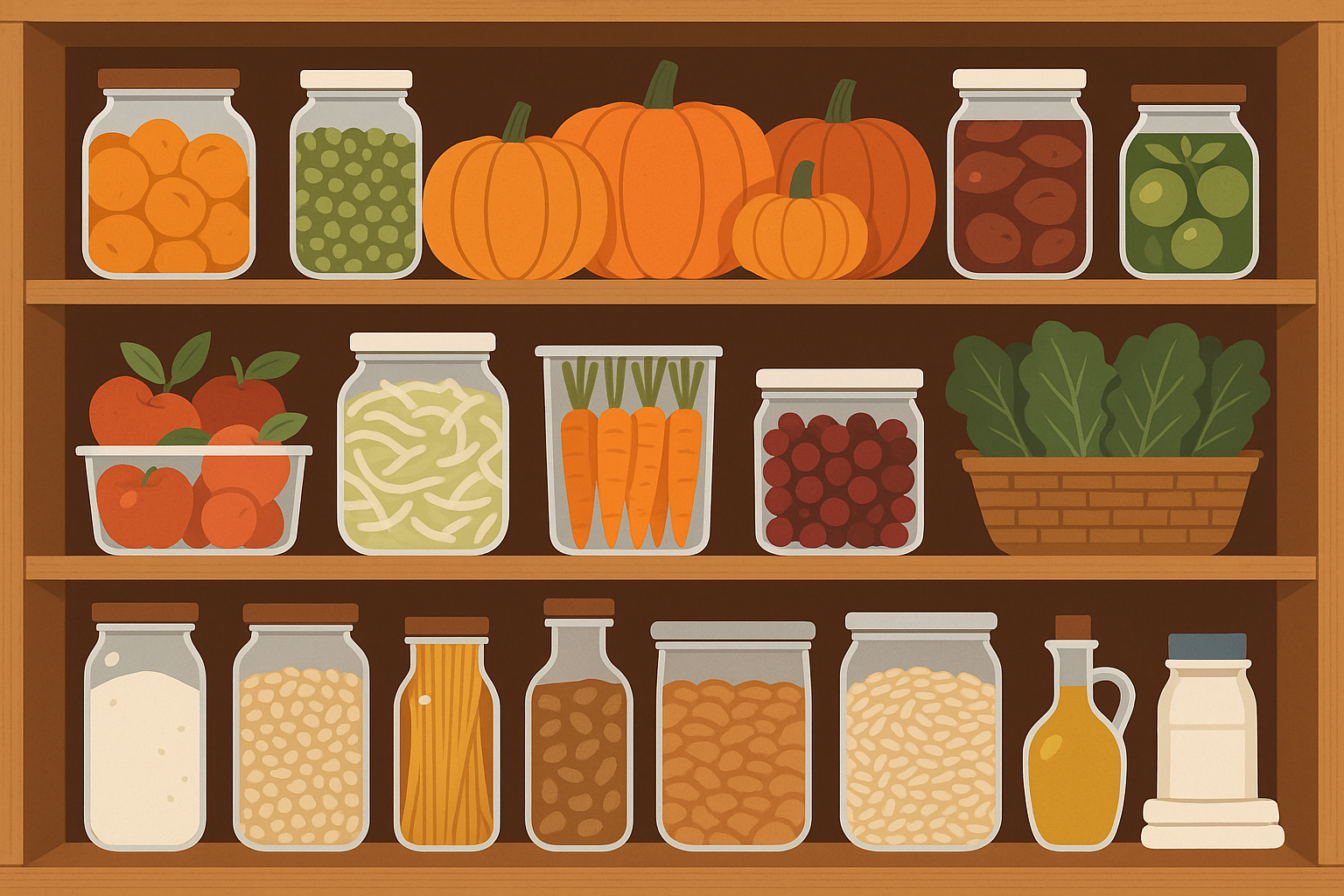
Fall awakens something primal in me – this deep urge to prepare and preserve. I spend October weekends making big batches of soup to freeze, roasting and freezing vegetables before they go bad, and stocking up on pantry staples.
It’s not about hoarding – it’s about creating abundance that makes winter cooking feel easier. There’s something deeply satisfying about opening the freezer in January and finding homemade soup ready to go.
Use autumn’s natural nesting instincts to establish preserving and storing routines that create pantry abundance for winter months. This seasonal preparation feels satisfying and creates security heading into colder months.
Fall preparation becomes more meaningful when you grow your own ingredients. Even apartment dwellers can participate by learning easy herbs to grow in small spaces, adding fresh flavors to your weeknight meal plan throughout the year.
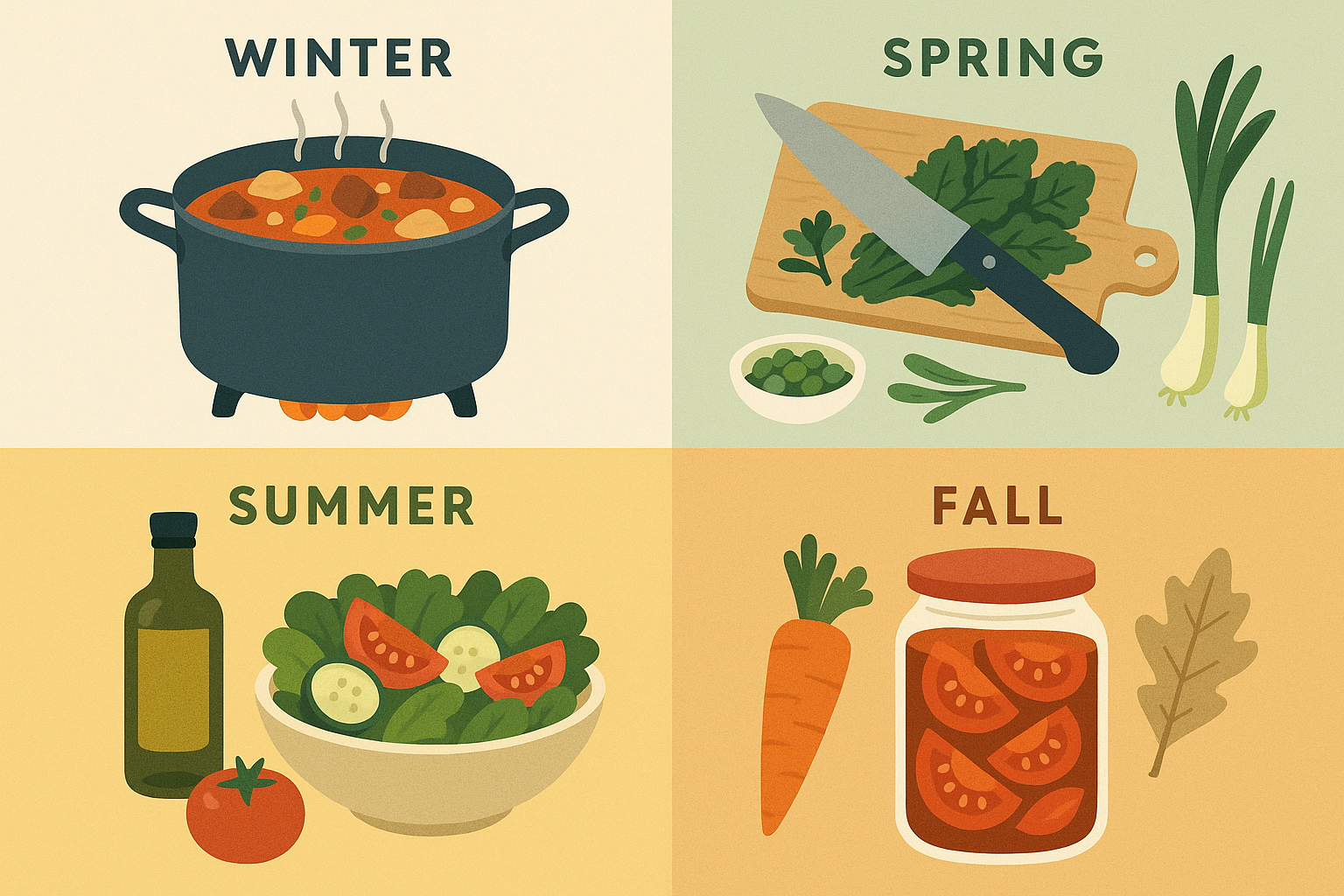
Seasonal Meal Planning That Actually Works:
Winter (December-February):
- Focus on slow-cooked, warming meals
- Use root vegetables and preserved foods
- Plan for 2-3 batch cooking sessions per month
- Embrace breakfast-for-dinner when needed
Spring (March-May):
- Add fresh greens and herbs to everything
- Plan lighter, quicker cooking methods
- Use up winter preserves and pantry items
- Start thinking about outdoor grilling
Summer (June-August):
- Maximize no-cook and minimal-heat recipes
- Plan around what’s actually in season
- Focus on hydrating foods and fresh preparations
- Use outdoor cooking spaces
Fall (September-November):
- Start preservation and batch cooking
- Transition to warming spices and flavors
- Use seasonal abundance for meal planning
- Prepare pantry for winter months
Final Thoughts
The most important thing I’ve learned about weeknight meal planning is that it’s not really about food at all – it’s about understanding yourself. Your energy patterns, when you make good decisions, what you need emotionally, and your natural tendencies all matter more than any perfect recipe.
When you stop fighting against how you actually function and start working with it, meal planning transforms from this overwhelming chore into something that actually supports your life. You’re not trying to become someone else; you’re creating systems that work for exactly who you are right now.
Look, you’re going to mess this up sometimes. I still order takeout when I’m overwhelmed. The difference is now it’s a conscious choice, not a daily panic response. And honestly? That feels pretty good.
Some weeks this system works perfectly. Other weeks, we eat scrambled eggs for dinner twice and nobody dies. The goal isn’t perfection – it’s having more good nights than terrible ones.
Some nights, “dinner” is cheese and crackers while standing in the kitchen. I used to feel guilty about this. Now I call it a charcuterie board and move on with my life.
Monday’s roast chicken becomes Tuesday’s chicken salad, which becomes Wednesday’s “throw it in some tortillas with whatever vegetables are still alive in the crisper drawer.” It’s not Instagram-worthy, but it’s real life.
Will this work perfectly every week? Nope. Will it work better than whatever you’re doing now? Probably. And that’s honestly good enough.
The beauty of this approach is that it grows with you. As your life changes – new job, different schedule, kids getting older – the framework adapts because it’s based on understanding patterns rather than following rigid rules.
Your future self will thank you for creating systems that make weeknight cooking feel supportive rather than another item on your endless to-do list. Start small, be patient with yourself, and remember that the best meal plan is the one you’ll actually follow.