
Should You Be Eating Seaweed?

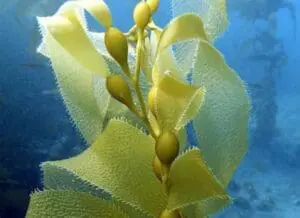
Seaweeds are a paradox—their ocean worlds are being devastated, but still they thrive. They’re highly nutritious, but they also absorb toxins—like the nuclear waste of the Fukushima meltdown—which can make them unsafe to eat. Scientists have identified seaweeds as a possible biofuel, helping to reduce our dependence on crude oil, but their procurement methods have conservationists seeking to protect coastlines from the ravages of industrial harvesting. So the question remains: Should you be eating seaweed?
For thousands of years, oceanic communities—mostly in Asia—have harvested and eaten a variety of seaweeds. They’re an excellent source of iodine, vital for thyroid function, but too much iodine (more than 1000 micrograms per day) can actually cause thyroid disorders (Japan has one of the highest rates of hypothyroidism). And because seaweed grows in mineral-rich ocean water, it also contains high levels of minerals and trace minerals, which play a variety of roles in keeping the body healthy.
Seaweeds are also an excellent source of vitamins, including A, B, C and E. Promising new research has linked a fiber found in kelp to effective weight loss by reducing the amount of fat the body absorbs from food by as much as 75 percent. But despite the nutritious benefits of seaweed, heavy metals can bioaccumulate in the sea plants, getting more potent over time and warranting warnings like on some hijiki, a Japanese seaweed that can contain high levels of arsenic.
Fortunately, you can find excellent quality seaweed available. Seek out certified organic (which is a big task for a wild grown food). When you find the certification, you know you’re getting a safe product. (Try Maine Coast or Eden Foods.) Organic certified seaweeds can’t contain heavy metals and other contaminants.
And once you have quality seaweed, what to do with it? Good news, it’s extremely versatile. Nori is a sushi necessity, but try snacking on those paper-thin sea veggies plain or crumbling onto a salad. Use it instead of bread (yes, you read right!), and just wrap your veggies and yummies right into the nori (hummus or guac are awesome). Dulse is also great as a snack or on salads, too. Kelp is a terrific salt replacer and adds flavor to just about anything. Add a strip of kombu to your water when cooking beans and they’ll come out softer without getting mushy.
Image: NOAA’s National Ocean Service
Keep in touch with Jill on Twitter @jillettinger