Kitchen Garden
|
Written by Katherine Spiers
|
|

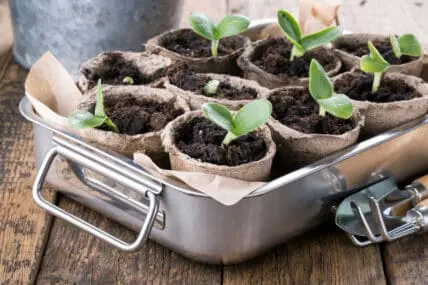
For those of us without outdoor space, it might seem like having your own garden is an impossible notion. But while it's true that most vegetable plants can only thrive outside, there are actually a number of veggies that are perfectly happy growing inside – and some of them are pretty surprising.
|
|
\READ THE REST... [12 Veggies, Herbs, Lettuce & Fruit to Grow Indoors]
|
|
|
Written by Katherine Spiers
|
|

Many herbs (and vegetables, and fruits, and even some decorative plants) that are commonly grown in kitchen gardens have useful medicinal properties. They can cure stomachaches and stress and everything in between, and you've probably got them growing already.
|
|
\READ THE REST... [9 Medicinal Plants and Their Uses]
|
|
Written by Katherine Spiers
|
|

Those plants you've got growing on the balcony or in your backyard have an unlimited number of uses. And we're not just talking ways to cook them: your skin and hair are just waiting to be pampered by these easy, DIY (do-it-yourself) home beauty recipes. They'll save you money - not only can you use flowers, herbs and vegetables you've already got, but you can store the homemade products in old, washed-out containers. Plus, you'll smell delightful.
|
|
\READ THE REST... [8 Great Beauty Uses for Plants]
|
|
Written by Katherine Spiers
|

Undoubtedly, the greatest joy of growing your own garden is eating all the fresh food it produces. But there's a catch: if you're lucky enough to get a huge harvest, you might not be able to eat it all. After two weeks straight of fresh-squeezed grapefruit juice, your mouth might be getting a little too puckered. Or as much as you love lavender, you can't possibly think of another recipe to use it in. That's all okay: you don't have to eat your garden crop in order to use it.
|
|
\READ THE REST... [9 Secrets to Cleaning with Herbs and Plants You May Not Know]
|
|
Written by Katherine Spiers
|
There are plenty of products available at garden stores that claim to rid plants of pests or mold and other diseases. But these products are of dubious origin: even the organic sprays have unintelligible ingredients. Plus, they can get pretty expensive for the avid home gardener. It’s very easy to make your own spray repellent for either rot or pests, and in most cases, it’ll save you a trip to the store.
|
|
\READ THE REST... [Remove Garden Pests and Rot Naturally]
|
|
Written by Katherine Spiers
|
|

Some home gardeners may struggle with choosing between edible plants or ornamental plants, but as it turns out, there is a fair amount of overlap between the two varieties. Many flowers can be incorporated into recipes or used to seriously spruce up items like drinks and dairy products. Some are even good entirely on their own. If you’ve never eaten flowers before, start with small quantities: they are possessed of unique flavors. And while growing your own for eating is a wonderful way of incorporating beauty and function in your garden, don’t pick these to eat from sidewalks or parks. Like moms say, you don’t know where it’s been.
|
|
\READ THE REST... [Growing and Eating Edible Flowers]
|
|
Written by Katherine Spiers
|

Most home gardeners are working with confined spaces, be they tiny dirt plots or a row of pots on a balcony. But limited garden space doesn’t have to mean tiny plants. One tomato container has enough room for five happy, prolific plants, and two rows of string against a wall is a workable foundation for high-yield squash. Don’t think of space as a constraint – it’s a chance to get creative.
|
|
\READ THE REST... [Big Veggie Plants, Small Spaces]
|
|
Written by Katherine Spiers
|

Kitchen gardens can be anything you have the time and space for: big or small, indoors or out, decorative or edible. Whatever style you choose, there’s one thing your container garden doesn’t have to be: expensive. In fact, there are so many materials found materials out there that you may be able to start your garden entirely for free. Containers, dirt and plants can all be obtained without out spending anything, leaving your money available for other fun projects.
|
|
\READ THE REST... [Creating a Kitchen Garden for Free]
|
|
Written by Diane Herbst
|
|
Article by Diane Herbst, originally published July 2010 on Tonic.
It all began in third grade, when Katie Stagliano's 40-pound cabbage fed 275 homeless people. Now, Katie's six gardens have produced over 4,000 pounds of vegetables to feed the needy.
When Katie Stagliano was in third grade, she planted a cabbage in her family's small garden. When it grew to an astounding 40 pounds, she donated it to a soup kitchen, where it was made into meals for 275 people (with the help of ham and rice). "I thought, 'Wow, with that one cabbage I helped feed that many people?'" says Katie, now entering sixth grade. "I could do much more than that."
So Katie started planting vegetable gardens as part of her nonprofit Katie's Krops — she has six right now — including one the length of a football field at her school in her hometown of Summerville, S.C. Classmates, her family and other people in the community help plant and water, and Bonnie Plants donates seedlings. This past year, Katie took her commitment to a new level: she has given soup kitchens over 2,000 pounds of lettuce, tomatoes and other vegetables. Katie and her helpers are now harvesting the spring planting, and another 1,200 pounds will be donated by October.
|
|
\READ THE REST... [11-Year-Old Grows Tons of Veggies for the Homeless]
|
|
Written by Maureen Farmer
|
|

There are many advantages to growing organic vegetables in a greenhouse. Although you won't automatically be weed and pest free just because you are growing indoors, you will have complete control over how you protect your precious organic plants. Lean to greenhouses are especially well adapted to an organic garden as you can place them close to your kitchen door. Because lean-tos are attached to a structure, there are only three glazed sides. This makes them energy efficient because warm and cool temperatures can be diverted from your home through the common wall your home shares with the attached lean to.
|
|
\READ THE REST... [8 Tips for Growing A Greenhouse Organic Vegetable Garden]
|
|
Written by Tonic
|
|
Article by Liz Corcoran, originally published May 2010 on Tonic.

The dwindling honeybee population has the world abuzz, and from the White House garden to Great Britain and beyond, the fight is on to save agriculture's busiest workers. Here's what you can do to help.
Environmentalists and bee keepers have long advocated the planting of wildlife gardens to provide nectar for foraging honey bees. But with bee colonies dwindling dramatically in recent years, ravaged by disease as well as loss of habitat, beekeepers and the agriculture industry that relies on their hives, are facing an uncertain future.
|
|
\READ THE REST... [How to 'Bee' Good to Honey Bees]
|
|
|
|
|
|
|
|
|
|
Episode 70 of OrganicAuthority TV watch it now!
Check out this video to learn how to make almond milk. It's super simple, and the organic almond milk is fresh and creamy—it also has tons of protein and fiber!
|