
Trump’s EPA Enables Continued Use of PFAS-Contaminated Biosolids Fertilizer
This news represents a step backward when it comes to the science, which has shown that sewage sludge has contaminated millions of acres of cropland.

The Environmental Protection Agency has killed the proposed risk assessment of using sewage sludge contaminated with PFAS as fertilizer, tossing its own scientific research from less than two years ago. Nearly 60% of biosolids in the U.S. are currently used as agricultural fertilizer. The proposed regulatory review would have essentially ended the widespread practice of spreading this sludge, also called biosolids, on American cropland.
The EPA’s Sudden Change of Heart
The EPA justified its decision in a new guidance, published June 29, by claiming that the sludge is not a wide threat to the public1. In the guidance, EPA emphasized that the “potential risks” (emphasis theirs) in the draft risk assessment published in January 2025 by the EPA under President Biden were misleading. The guidance continued by explaining that the EPA under the current administration “has determined that the Draft Risk Assessment exhibited a number of serious flaws that have caused confusion among the public.”
“It’s shocking for the EPA to take a scientific assessment and simply throw it out,” said Laura Dumais, an attorney with the Public Employees for Environmental Responsibility non-profit — an organization which filed a notice to sue federal regulators on behalf of Texas farmers to end the practice of using biosolids as fertilizer in 2024.
What Are Biosolids?
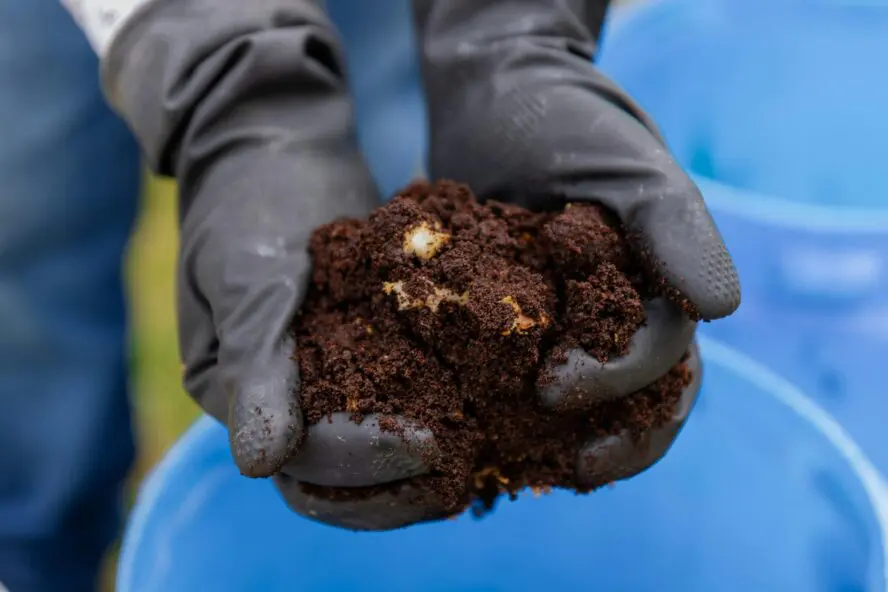
Biosolids are a mix of human and industrial sewage and waste, which the EPA began allowing to be spread on cropland in the early ‘90s. Public health advocates have long condemned the practice, seeing as it essentially reintroduces toxic byproducts back into water tables and the nation’s food system — including PFAS, also known as forever chemicals. The Guardian reported in 2022 that approximately 20 million acres of cropland in the United States were contaminated with PFAS as a direct result of this practice2.
PFAS are a class of around 15,000 chemicals that accumulate in both the human body and the environment. Exposure to PFAS has been linked to a range of health problems, including reproductive issues, cancer, liver disease, and decreased immunity. The application of PFAS on cropland, specifically land dedicated to the production of animal feed, has also allegedly contributed to livestock illness and death3.
The Old Draft Risk Assessment vs. the New EPA Guidance
The draft risk assessment developed under the Biden administration two years ago was a 272-page document that, according to Jean Zhuang, senior attorney with the Southern Environmental Law Center, synthesized decades of scientific research.
The Biden-era assessment, Zhuang notes, would also have crucially allowed states to act to protect their local communities. Maine and Maryland notably both passed total bans on spreading biosolids on cropland, in 2022 and 2024 respectively.
“By abandoning that assessment, this administration is getting in the way of protecting people from toxic chemical contamination,” said Zhuang. “Instead of engaging with that science, EPA is trying to downplay the problem.”
The new, nine-page guidance offers, instead, “voluntary recommendations” for consumers to mitigate risks of exposure to PFAS.
“The EPA’s solution here is ‘do your own research — we’re not going to regulate anything, so if you think it’s dangerous then figure it out for yourself,’” said Dumais.
This recent move, WRAL News reports, is part of “one of the largest deregulatory efforts in EPA history,” specifically as pertains to PFAS4. It comes in the wake of the agency’s proposal to maintain drinking water standards for PFOA and PFOS, two PFAS compounds, earlier this year5.
Sources:
- https://www.epa.gov/system/files/documents/2026-06/draft-guidance-reducing-risk-pfoa-pfos-biosolids.pdf
- https://www.theguardian.com/environment/2022/may/08/us-cropland-may-be-contaminated-forever-chemicals-study
- https://www.nytimes.com/2003/06/26/us/sludge-spread-on-fields-is-fodder-for-lawsuits.html
- https://www.wral.com/news/local/epa-replaces-pfas-sewage-sludge-assessment-drawing-forever-chemical-concerns-july-2026/
- https://www.eenews.net/articles/epa-to-roll-back-pfas-limits-for-drinking-water/