
Roundup Lawsuits Have a New Precedent Based on Supreme Court Rejecting Recent Case
Here’s what the recent Supreme Court rejection means for this glyphosate-based weedkiller.
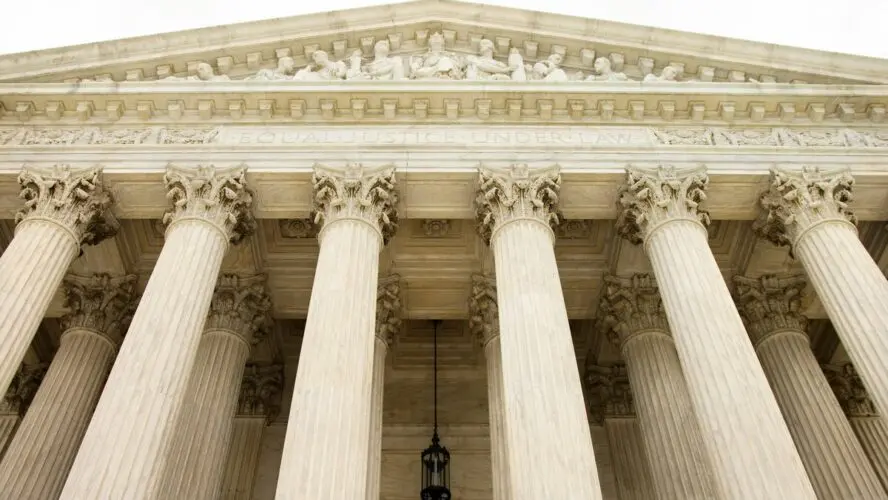
On Thursday, the Supreme Court rejected a suit alleging that Bayer’s glyphosate-based weedkiller Roundup caused a Missouri man’s non-Hodgkin lymphoma, citing a conflict with federal labeling laws. This decision overturns years of precedent and is likely to influence future court decisions regarding the thousands of similar claims that accuse the German company of failing to warn users about the risks of using the product.
In the decision, Justice Brett M. Kavanaugh wrote that if the court ruled in the favor of cancer patient and St. Louis gardener, John Durnell, Bayer would be required to add a cancer warning to Roundup’s label. Because the EPA has expressly decided not to issue a cancer warning label for glyphosate-based weedkillers, Kavanaugh wrote, Durnell’s claim is preempted by federal law.
What Is Roundup?
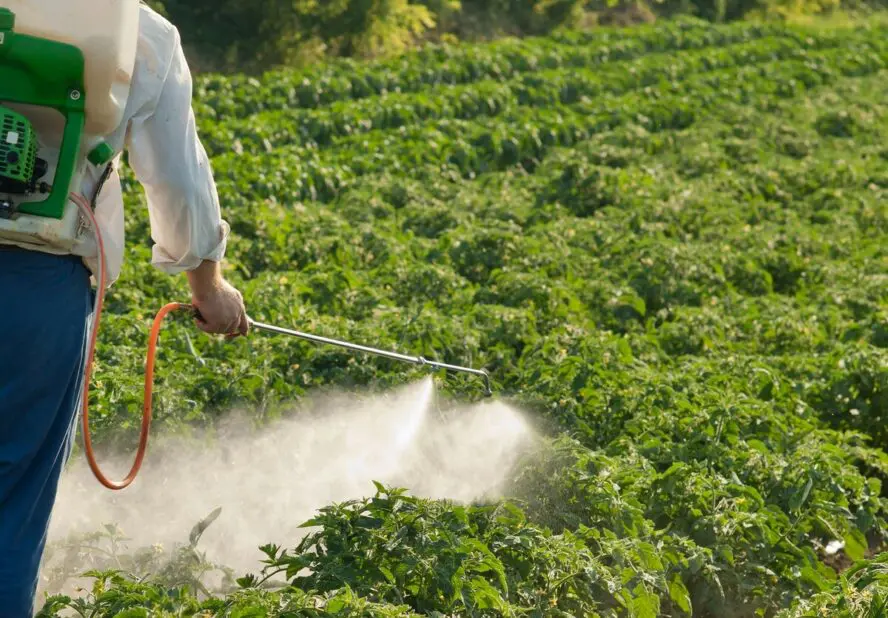
Roundup was originally produced and marketed by Monsanto, until the company was acquired by Bayer in 2018. Its active ingredient, glyphosate, is the most widely used weedkiller around the world1.
The International Agency for Research on Cancer classified glyphosate as a probable human carcinogen in 2015, and in the ensuing years, evidence of its health risks has continued to mount. According to a 2026 research review in Clinical Lymphoma Myeloma and Leukemia, “new findings continue to provide consistent, coherent and compelling evidence” that glyphosate was a direct cause of non-Hodgkin lymphoma in humans. Just last year, a long-term study published in Environmental Health confirmed the link between glyphosate exposure and increased incidences of tumors and rare malignant cancers like leukemia in rats2.
The EPA, however, determined in 2020 that Roundup is “unlikely” to cause cancer in humans.
The Supreme Court Fall-Out
Industry experts have been vociferous in their opposition to the court decision.
“When people are exposed to pesticides, they deserve honest warnings about the risks,” said Bill Jordan, former Deputy Director of EPA’s Office of Pesticide Programs. “If federal protections aren’t enough, states should be able to act before people get sick.”
Bayer, meanwhile, issued a celebratory statement, saying the decision should help bring the other lawsuits against the company to a close3.
“This litigation has enormous costs for the company and has impacted public trust,” read the statement. “The decision brings overdue justice on an issue that should have been clarified much earlier. It’s time to put it behind us.”
Sources:
- https://pmc.ncbi.nlm.nih.gov/articles/PMC9229215/
- https://link.springer.com/article/10.1186/s12940-025-01187-2
- https://www.bayer.com/media/en-us/monsanto-wins-landmark-roundup-case-at-us-supreme-court/