Trump’s Beef Imports Order Makes It a Great Time to Grind Your Own Ground Beef
Ground beef is a staple ingredient, but it might be time to start taking it into our own hands.
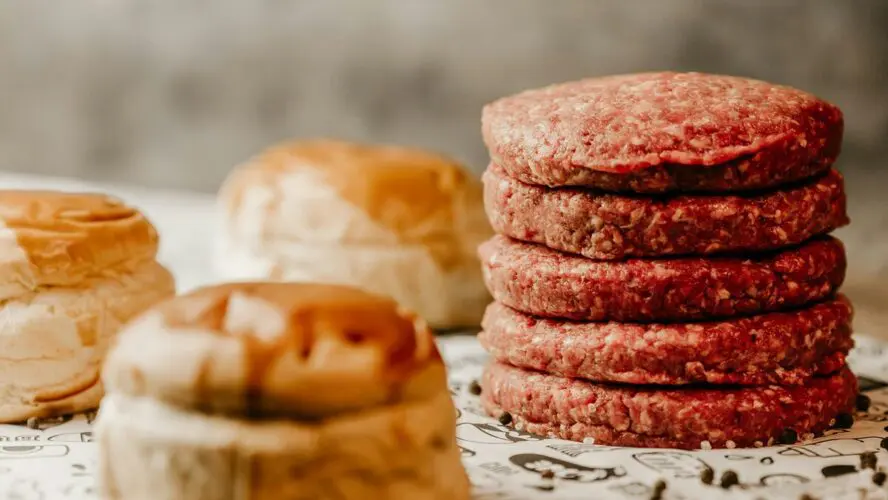
We rely on ground beef for tons of our favorite recipes, from flavorful Bolognese sauce to juicy burgers. But this inexpensive staple deserves a slightly closer look these days, given a recent proclamation signed by President Trump.
The new temporary rule will allow about 660 million pounds of inexpensive lean beef trimmings to be imported duty-free. And while Trump’s duty-free beef imports may help reduce ground beef prices, at what cost? According to the New York Times, these trimmings will have been previously frozen and could have been kept in cold storage overseas for years — and they’re destined to be added to fattier American cuts to market as ground beef without any on-package indication of where the beef comes from1. Yikes.
What Will the Impact of Trump’s New Beef Import Proclamation Be?
The new proclamation, which Trump signed on August 26, waives out-of-quota tariffs on up to 300,000 metric tons of imported ground beef for 90 days beginning September 1. This beef import announcement will surely increase the volume of beef being imported from foreign producers, which had already been projected to reach record highs in 2026.
In 2025, the U.S. imported about 1.9 metric tons of beef, amounting to 16.8% of the total supply; in 2026, 17.34% of our beef has come from elsewhere — an all-time high, Euromeatnews reports2. According to The Hill, the new plan will see beef imports surpass the record-breaking 6.1 billion pounds the USDA had already forecast before the proclamation was even made3.
This flood of inexpensive beef from elsewhere is worrisome for American farmers and ranchers. “The timing of this proclamation is a gut punch to ranchers’ bottom line,” Zippy Duval, president of the American Farm Bureau Federation, told Beef Magazine4. But when it comes to consumers, there’s another issue to consider: Where all this beef is coming from.
At first, the administration was fairly tight-lipped about the origins of the new waves of imports, but Trump later confirmed that the meat would come from Brazil, Argentina, and a “couple other places”… which definitely didn’t make us feel any better.
It May Be Beef, But Something Smells Fishy
Brazil is the world’s largest beef exporter, and the cattle industry there is rife with problems. The European Union recently suspended imports of beef from Brazil due to suspicion of antibiotic misuse. In fact, in 2017, two major Brazilian meatpacking companies were found to have been selling rotten beef treated with ascorbic acid to mask the contamination, all of which was facilitated by high-level bribes5. And yet two of the four large meatpacking companies that control 85 percent of the market for U.S. beef are Brazilian-owned.
To make matters fishier, this proclamation was announced just a day after a closed-door Oval Office meeting between the president and Joesley Batista, who co-owns JBS S.A., the largest meatpacking company in the world. Not only was JBS implicated in the 2017 scandal, but it has been accused of no small amount of corruption and scandal in recent years, notably linked to price-fixing, child labor, and environmental crimes in the Amazon rainforest6.
And Brazil isn’t the only culprit. The New York Times reports that in the past year alone, China rejected two shipping containers of beef from Uruguay due to contamination with fluazuron, an anti-parasitic drug. Chinese authorities also rejected Argentine beef due to positive tests for chloramphenicol, a banned antibiotic that has been linked to blood disorders.
If only it were easier for consumers to participate in decisions around the origins of their beef. Unfortunately, the U.S. ended country-of-origin labeling requirements on beef in 2015 — and recent efforts by Democratic Senators to reinstate such requirements have been in vain. All the more reason to take matters into our own hands.
The Benefits of Grinding Your Own Beef
Ground beef is typically made with a mix of beef scraps and trimmings, a time-tested method of reducing food waste7. By law in the United States, ground beef must be made from fresh or frozen beef without the addition of fat, the total product must contain no more than 30% fat, and no more than 25% of cheek meat may be used. Ground beef labeled “hamburger” has slightly different regulations, seeing as it can contain added beef fat.
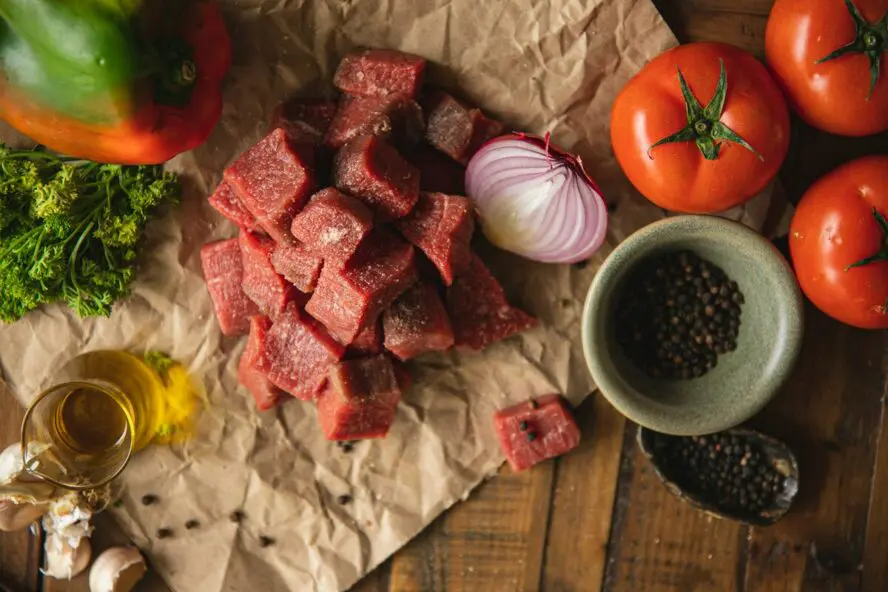
Despite these laws, there’s still little transparency around where your beef comes from (and what additional ingredients might find their way into your meatballs). Grinding your own beef gives you a bit more visibility and control over what’s actually going into your food. Not only can you choose the top quality from a butchershop or farm that voluntarily gives you more insight into the origins of your beef, but you can also pick your own cuts, controlling the fat content and flavor going into the ground.
Chuck is a great all-rounder thanks to its naturally high fat content. Cut from the neck and shoulder region of the cow, chuck contains 20% fat, making it perfect for juicy, savory burgers. On the other hand, if you’re going to be draining off fat as part of your recipe (think sloppy joes or bolognese), you may want to choose a lower-fat cut like beef round or sirloin, which have about 15 and 10% fat respectively. These denser, leaner cuts are perfect for ground beef that will be used in slow-simmering sauces that you want to be flavorful but not greasy. Either way, you can enjoy the peace of mind that comes from knowing exactly what makes up your hearty meals.
Sources:
- https://www.nytimes.com/2026/09/07/opinion/trump-meat-import.html
- https://euromeatnews.com/global-beef-trade-flows-shifting/
- https://thehill.com/business/6054138-us-beef-imports-explainer-lower-tariffs-trump-administration/
- https://www.beefmagazine.com/market-news/dissecting-trump-s-beef-deal-
- https://www.independent.co.uk/news/world/americas/meatpacking-jbs-brf-brazil-bribe-inspector-sagriculture-rotten-meat-a7637431.html
- https://www.forbes.com/sites/chloesorvino/2025/05/13/jbs-meatpacking-history-of-bribery-prepares-ipo-batista-brothers-joesley-batista-wesley-batista/
- https://www.sciencedirect.com/topics/food-science/ground-beef