
The 8 Best Weight Loss Apps of 2026, Scored on What Actually Keeps People Consistent
Before you try any old weight loss app, here’s a registered dietitian’s take on which might work for your needs.

If you’ve ever tried to lose weight, you’re probably familiar with how much effort it can take to manage all the variables involved. From maintaining a calorie deficit to tracking protein intake and logging a daily step count, you might find yourself looking for a support system to help stay on track. Luckily, weight loss apps can be a simple and effective way to start.
A 2026 meta-analysis in Scientific Reports looked at 23 studies covering 30 health app-based trials1. After six months, the study found that those who used apps as part of their weight loss journey lost 2.07 kg more weight than waitlist controls and 1.64 kg more than non-app interventions. The surprise finding is that no single feature, for example, a prescribed menu, social support, or medical staff involvement, significantly impacted the outcome.
The theory is that using apps can help those who want to lose weight focus more on this goal and in turn, improve their outcome. In that spirit, here are 8 of the best weight loss apps ranked across six criteria by myself (a registered dietitian) and our product testing team at Organic Authority. We’ll dig into the pricing, features, and notable differentiators of each app so you can decide which weight loss app could work best for you.
Want more top picks? Sign up for the newsletter for more well-researched, non-toxic living guidance and smart wellness advice.
Table of Contents
TL;DR
- Best weight loss apps overall for accountability: Nourish earns the top spot for its insurance-covered access to a credentialed registered dietitian, 94% of users pay nothing out of pocket, making it the strongest option for anyone who wants real human support guiding their weight loss journey. Score: 28/30.
- Best for behavior change: Noom Weight takes a psychology-first approach, using cognitive behavioral therapy principles and daily lessons to help users build sustainable habits around food rather than obsessing over calorie counts. Score: 24/30.
- Best food database and tracking: MyFitnessPal offers one of the largest food databases in the industry, with robust barcode scanning, macro tracking, and wearable sync for users who want comprehensive self-directed logging. Score: 22/30.
- Most affordable entry point: Lose It! offers a genuinely usable free tier with basic food logging and community support, so of the best free weight loss apps, it’s the strongest option for anyone not yet ready to commit to a paid plan.
- Only pick that runs through insurance: Nourish is the sole app on this list where health insurance routinely covers the full cost of sessions, through major carriers including Blue Cross Blue Shield, UnitedHealthcare, Aetna, and Cigna.
- When to skip apps entirely: If you have a chronic condition, complex dietary needs, or a history of disordered eating, a weight loss app is not a substitute for working directly with a registered dietitian or clinician who can provide individualized medical nutrition therapy.
Comparison Table
| App | Best for | Starting price | Free tier | Human support | Insurance accepted |
| Nourish | Insurance-covered dietitian care | $145/session without health insurance | No | Registered dietitian; telehealth sessions plus messaging | Yes; 94% of users pay $0 due to healthinsurance coverage |
| Noom Weight | Behavior change psychology | $17.42/month for annual plan; $39/month and up for clinical and medical tiers | 7-day free trial only | Around 1-2 weekly texting session w/highly qualified coach | No, but possible through Noom Med tiers |
| MyFitnessPal | Food database breadth | Ad-free $19.99/month or $79.99/year; Premium+ is $24.99/month or $99.99/year | Yes — can track and sync fitness apps | None | No |
| Lose It! | Beginner-friendly tracking | $79.99/year; $229.99-299.99 for lifetime membership | Yes — includes food logging and basic exercise and weight tracking | None | No. May be able to get coverage or discount w/ letter of medical necessity |
| Weight Watchers | Structured points system | $12+/month for core digital plan; $22+/month for Core+ Premium | None | Workshops + coaches (successful Weight Watchers members, not healthcare professionals) | Sometimes via employer benefits. May be able to get coverage w/ letter of medical necessity |
| MacroFactor | Adaptive targets | $11.99/month; $47.99/6-month, $71.99/year; $89.99/year for nutrition and workout bundle | 7- or 14-day free trial | None | No |
| Cronometer | Micronutrient detail | $10.99/month or $59.99 annually for Gold Plan | Yes — free plan includes basic access to database, targets, device syncing, + free barcode scanner | None | No |
| Google Health (formerly Fitbit) | Movement and steps | $9.99/month or $99.99/year | Yes — basic tracking of exercise; can sync wearables and nutrition apps | None | No |
What to Look for in a Weight Loss App
In 2013 to 2016, the Centers for Disease Control (CDC) reported that of the 49.1% of U.S. adults who had tried to lose weight in the previous 12 months, 88.3% of them used two or more methods2. Luckily, an app may be able to provide multiple supports for those trying to lose weight, consolidating your efforts and potentially improving chances of success. Here are the six criteria we used to evaluate these apps, ranging from dietitian services to free weight loss apps.
Evidence and Clinical Grounding
The best weight loss apps are grounded in science and have studies that support the effectiveness of their app’s features. Not only that, but apps that integrate coaching from trained health professionals up the ante by providing real-time advice and informed coaching to users to enhance their health outcomes.
Food Logging Quality
Not all food trackers are built the same. For example, some databases are mostly built around user-entered items, which may be more comprehensive but can also be inaccurate and inconsistent. The best weight loss apps will feature entries that are vetted by health professionals and pull data from reputable national databases like the USDA Nutrient database.
Human Support
While human support isn’t strictly necessary for an effective weight loss app, it can definitely help when it comes to more unique needs and accountability. Specifically, an app that connects you with a registered dietitian or clinical guidance goes beyond a simple calorie counting app to offer customized support.
Cost and Access
Many apps seem free or low-cost upfront, but there may be hidden fees or critical features locked behind paid tiers. Read the small print carefully and see what your free or low-cost price includes before evaluating what’s actually important to you in a weight loss app to reap the most benefits.
Although rare, some health apps may also be covered by certain private insurance plans. It doesn’t hurt to give your health insurance company a call and ask if they will reimburse or cover costs of certain health apps.
Personalization
No health journey is a straight line. There will be ups and downs, lifestyle changes that make some foods hard to digest or too expensive to purchase. The best weight loss app for men may not be the same as the best weight loss app for women — customization is key. Great weight loss apps enable personalized meal plans and recommendations as your weight, preferences, and dietary needs change.
Continuity of Care
It’s unlikely that most people will pay for a weight loss app their entire life. It can become expensive, time-consuming to maintain, or just plain unnecessary after you’ve reached your goals. That’s why a good weight loss app will often offer free basic features after you cancel to help transition you into maintenance mode or help you continue working towards your goals, even in times when you can’t afford the cost of an app.
The 8 Best Weight Loss Apps According to Our Criteria

1. Nourish
Nourish is a dietitian telehealth service, not strictly a weight loss app, but there’s no denying that it is one of the best applications to help you gain insurance-covered access to a credentialed registered dietitian (RD). The company reports that around 94% of clients that sign up for their program pay nothing out-of-pocket for their sessions due to insurance coverage. They work with major insurance carriers like Blue Cross Blue Shield/Anthem, UnitedHealthcare, Aetna, Cigna, Medical Mutual of Ohio, and Medicare, and operate in all 50 states in the U.S.
Best Known for: Insurance-Covered Dietitian Care
This app offers a real registered dietitian to assist you with meal planning and tracking your nutrition progress. Based on your health background and goals, you will be matched with a dietitian that fits your needs. Best of all, in most cases, you won’t have to worry about any subscription fees or payments after each session. Once you enter your health insurance information, the company will bill your sessions directly to your health insurance.
Available Features
- RDN matching
- Insurance eligibility check before booking
- Telehealth video sessions
- In-app messaging between appointments
- Track macros and nutrition goals in the app
- Receive continuous support like progress updates and lab results
What Our RD Found
Evidence and clinical grounding: Nourish uses credentialed RDNs to assist patients, meaning all advice is backed by scientific training. Clinical research shows that Nourish, along with medical nutrition therapy, can help effectively support significant weight loss in those with overweight or obesity3.
Food logging quality: Not only does this app provide RD meal and snack analysis during your sessions, it also offers AI-powered meal logging and self-directed tracking to equip you with tools around the clock.
Human support: Every one or two weeks, clients will meet with their RDs via telehealth. In the maintenance phase, sessions will be once a month. Between all sessions, clients can reach out to their RDs via text.
Cost and access: Health insurance covers the cost of sessions for 94% of users. Out-of-pocket costs for those without insurance are $145 per 50- to 60-minute session.
Personalization: Because you’re working with a real human, personalization is a given. Users are matched to a registered dietitian that meets their needs based on a profile quiz taken at registration. RDs can help tweak users’ eating plans as needed during sessions.
Continuity of Care: After cancellation, you will still have access to the app and portal to look at past logged meals and sessions, but will not be able to log or track any more meals without an RD plan.
2. Noom Weight

Noom Weight is a weight loss app best known for its psychology-based methodology. The app delivers daily mini lessons, articles, and quizzes based on cognitive behavioral therapy (CBT) topics like mindfulness, stress reduction, and problem solving to help users build sustainable habits. What this app lacks in a food database, it aims to make up by teaching you how to simply practice healthier behaviors around food.
Best Known for: Behavior Change Psychology
Noom offers a psychology-first curriculum and daily lessons through quizzes, short articles, and mini lessons kind of like a health-oriented Duolingo. These are designed to help you identify any issues with your eating habits and find ways to work through them. It is not meant to replace a healthcare provider, but it is more holistic in that it focuses more on a behavioral change program over placing a lot of investment in food tracking resources.
There is a built-in food tracker, but it mainly operates on a green-light, yellow-light, orange-light system that estimates the nutrient density of foods, uses a heavily crowd-sourced database, and does not go deep into macros.
Available Features
- Daily psychology lessons
- Color-coded food categories
- Weight and food logging
- Group and coach messaging
- Medication track sold separately
- Health coach texts clients back within 48 hours
- Welli AI meal planner that suggests recipes and helps you build custom meal plans based on dietary preferences and unique health goals
Noom Weight: What Our RD Found
Evidence and clinical grounding: There are multiple studies showing that Noom is effective in helping people lose significant weight versus control subjects working solely with educational materials4. Other studies show it’s comparable to other weight loss apps and dieting to help people lose weight5. The key to success with any method, including Noom, seems to be consistent engagement. Coach support through the Noom app is provided by college-educated individuals with degrees in nutrition or psychology who have undergone specialized Noom behavioral change training versus credentialed dietitians or healthcare providers.
Food logging quality: Noom’s food logging resources are heavily crowd-sourced and focus on a broader color-coded system (rather than a more nuanced breakdown). It categorizes items into a green category for nutrient-dense foods, yellow for moderately nutrient-dense foods, and orange for foods that are not very nutrient-dense. It does not provide a deep understanding of what macro- and micronutrients you are consuming daily, which may not be helpful for users with more specific needs — for example, those who need to watch their sodium intake.
Human support: Noom Weight connects you with health coaches, although their training may not be as comprehensive as those on some other apps. Noom’s health coaches are not certified as dietitians, and communication is limited. Coaches (required to have a college degree in nutrition or psychology and 75 hours of behavior change instruction) respond back within 48 hours, with most users texting 1-2X weekly with their coaches. Responses are typically open-ended questions to align with the psychology-based curriculum, which may not be ideal for those who require more extensive nutrition therapy.
Cost and access: The app is available at an affordable monthly price, and you may be able to use your HSA or FSA in certain circumstances with a Letter of Medical Necessity. Insurance use only possible through Noom Med tiers (which would involve GLP-1 RA medicines)
Personalization: Noom lets you input any dietary restrictions or food preferences in your profile, but it does not update your meal plans based on current weight loss trends or calorie needs.
Continuity of Care: After cancellation, you can still track foods and review mini lessons, but you cannot access coaching, Welli AI meal planner, or the extended curriculum library.
3. MyFitnessPal
MyFitnessPal is a well-known weight loss app with an extensive food database of over 20 million food entries. The app provides a community support system as well as a library of recipes users can access. While at its core it is essentially a calorie counting app, premium features make goals easier with barcode scanning, an AI-powered meal scan feature, and intermittent fasting tracking. You can also sync up MyFitnessPal with a variety of wearable devices for a comprehensive tracking experience.
Best Known for Its Food Database
MyFitnessPal has an extensive food database — one of the largest in the industry — but is largely crowd-sourced, which can impact accuracy. This database is also not highly vetted like smaller government-funded food databases like USDA Nutrient Database.
Available Features
- Barcode scanning
- Recipe importer
- Restaurant entries
- Macro targets
- Exercise logging
- Device and wearable sync
MyFitnessPal: What Our RD Found
Evidence and clinical grounding: There are many studies on MyFitnessPal, but its success lies largely on consumer engagement rather than the app itself. Users do not receive any coaching from RDs or otherwise.
Food logging quality: Although the database is expansive, the food entries are not vetted by healthcare professionals, so many may be inaccurate. Studies show that MyFitnessPal is only largely reliable when it comes to macronutrients like calories, protein, fat, and sugar6.
Human support: Premium plans do offer AI coaching, and there are MyFitnessPal community groups, but users receive no direct access to human healthcare providers for health or nutrition support.
Cost and access: No insurance coverage is offered, but the monthly fee for the Premium program is fairly affordable, and you might be able to use your HSA or FSA in certain circumstances with a Letter of Medical Necessity. The free version does not offer barcode scanning, intermittent fasting tracking, or custom macro targets.
Personalization: The AI Nutrition Coach in Premium+ plans can provide suggestions, but there is no healthcare professional to provide personalization in meal planning.
Continuity of Care: The free version of MyFitnessPal offers access to the database for self-directed food and weight tracking, which may be enough for some, but it does not offer barcode scanning, AI coaching, or custom targets or intermittent fasting diet tracking.
4. Lose It!

Lose It! is a long-standing weight loss app launched in 2008, and boasts over 50 million entries in their food database. It’s best for those just starting their weight loss journey, since it’s user-friendly and provides a supportive community of users who swap recipes and motivation with one another. It syncs with a variety of wearable devices, and provides features like barcode and meal scanning for premium plan users.
Best Known for: Beginner-Friendly Tracking
Lose It! calorie counting app is built for beginners, with quicker onboarding, a lighter interface, and a lower price than MyFitnessPal. We’re considering it one of the best free weight loss apps as it offers a lifetime fee option that offers a great deal for those who enjoy the strong community interface and find it helpful for achieving their health goals, and a clean visual dashboard that shows how many calories you have left available to eat each day as you log foods and drinks.
Available Features
- Barcode scanning
- Photo food logging
- Calorie budget
- Weight and goal tracking
- Challenges
- Wearable sync
Lose It! What Our RD Found
Evidence and clinical grounding: Some studies show that Lose It! users who tracked on average around 6 days per week for the first month had significant short-term weight loss7. Ultimately, however, studies show that users would have more success with some sort of coaching or dietitian component.
Food logging quality: Lose It! offers an expansive database of 50 million entries, but it is largely crowd-sourced, and studies show the entries are not as accurate as the Nutrition Data System for Research database (NDSR)8.
Human support: There are no coaches or dietitians accessible to users, just community support groups.
Cost and access: Lose It! is available for a reasonable monthly fee for the Premium plan, and they also offer a lifetime plan option at a discounted rate. Health insurance is not accepted, but you might be able to use your HSA or FSA in certain circumstances with a Letter of Medical Necessity. The free version doesn’t custom macro targets, automated syncing with wearables, barcode scanning, “Snap It” photo logging, water tracking, or future meal tracking.
Personalization: There are no resources to personalize meal options to support health goals or specific dietary needs. Logging, meal planning, and goal setting are all self-directed.
Continuity of Care: The free app still provides basic food logging and community support resources if you cancel your premium plan, but no pre-logging for future meals, custom meal schedules, barcode scanning, photo or voice logging of meals, or wearable device syncing.
5. Weight Watchers
Weight Watchers is a long-running weight loss program, and likely one of the most recognizable on this list. It has had a bit of a checkered past — the company filed for Chapter 11 in May 2025 and emerged on July 8, 2025, having eliminated $1.15 billion in debt. After this, they appointed a chief medical officer. Their most current focus is around GLP-1 companion support, but they still offer a general weight loss program using their ever-changing points system, which continues to be the draw for users who want a simplified way to track their food during their weight loss journey.
Best Known for: Structured Points
The most recent form of the Weight Watchers Points® system is known as “Modes” and uses the SmartPoints calculation method (which factors in calories, protein, fiber, added sugars, saturated fats, and unsaturated fats), but allows you to toggle between modes based on your current goals.
The “Lose” mode provides daily allocated points alongside weekly “buffer” points for slow and steady weight loss; “All-In” mode removes the weekly buffer points and imposes strict daily thresholds for protein, fiber, hydration, as well as a 150-minute weekly exercise target. The latter program works to accelerate weight loss outcomes. Finally, the “Maintain” mode relaxes the daily budget to allow for weight maintenance or a breather for users on vacation or recovery days.
Available Features
- Points system
- Food and activity logging
- Recipe library
- Workshops and community
- Clinician and medication track sold separately
Weight Watchers: What Our RD Found
Evidence and clinical grounding: Coaches and in-person workshops are only available to those on Premium plans and above. Registered dietitians are available, but only through the Clinic or Med tiers, which can be billed through health insurance or added on with a separate fee. Regardless, the investment can be worth it — studies show though that Weight Watchers is effective for significant weight loss versus nutrition education controls9.
Food logging quality: The food tracker in the WeightWatchers weight loss app relies on the points system, so it does not offer specific macro and micronutrients. Although it can still be effective, users who need to track or prefer to track macros while working towards health goals may lose out.
Human support: Coaches and in-person support groups are only for Premium members, and registered dietitians and other clinicians are only available in the more expensive Clinic and Med tiers, which also take health insurance.
Cost and access: Monthly membership is fairly reasonable for the baseline plan, but it can get more expensive if you prefer extra support through coaches, workshops, and clinicians. Core+ Premium, includes access to unlimited virtual and in-person studio workshops, Menopause program, and behavioral support for GLP-1RA users. Your doctor may provide you a medical Letter of Necessity for weight loss, but there is no guarantee you will receive a discount on your membership fee.
Personalization: You can toggle through Modes to find which is right for you, and you can opt for a specialized plan based on options like: Vegetarians, Vegans, Gluten-Free dieters, Carb-Lovers, and Non-Cooks, or plans for those with diabetes or anyone who is breastfeeding. However, for frequent tweaks to your dietary plan, you will need to choose a higher tier for access to the recommendations of dietitians.
Continuity of Care: Once you cancel your membership, you lose access to all features.
6. MacroFactor
This data-driven digital nutrition coach is ad-free and is known for its TDEE (Total Daily Energy Expenditure) calculator. It uses a unique feature in it’s weight loss app that pairs food logs with a “Trend Weight” metric that filters out daily water weight spikes. At each weekly check-in, the macro tracking app automatically shifts your calorie and macro targets, like protein, based on your constantly shifting metabolism.
Best Known for: Adaptive Targets
The MacroFactor app is known for its unique energy expenditure calculations taken from logged intake and natural fluctuations in your weight, rather than static metrics. Very few apps in the marketplace offer this feature, especially while remaining compliance-neutral (i.e. not judging you for overeating one day through color codes or verbal warnings).
Available Features
- Adaptive expenditure calculation
- Weekly target adjustment
- Verified food database
- Quick logging by description
- Weight trend smoothing
MacroFactor: What Our RD Found
Evidence and clinical grounding: This app is based on peer-reviewed sports and nutrition behavioral psychology science, but offers no clinical staff for user coaching or guidance.
Food logging quality: MacroFactor uses 100% verified, lab-grade food databases like the USDA Nutrient database.
Human support: No human support is offered to users; all logging of meals is self-directed.
Cost and access: Cost is reasonable per month for most users, but the app does not accept health insurance.
Personalization: Calorie and macro adjustments are automated based on your changing metabolism calculations as you lose weight, but there is no guidance on what foods to eat based on these changes or individual support if you have more detailed questions.
Continuity of Care: Once you cancel your app membership, you lose access to all features.
7. Cronometer
The Cronometer macro tracking app is known best for its attention to detail, down to every essential macro and micronutrient that goes into your body. Its exceptional accuracy and lab-grade food data is ideal for the person who wants to truly track and understand the impact of everything they eat. There’s also a specific subscription for health professionals, Cronometer Pro, which enables dietitians, personal trainers, or even doctors to better manage and streamline client health data.
Best Known for: Micronutrient Detail
Cronometer’s weight loss app offers full micronutrient tracking against a lab-verified database that pulls from other databases with strict data integrity, like the Nutrition Coordinating Center Food and Nutrient Database (NCCFD) and the USDA Nutrient Database. In-house health professionals vet every submitted food entry to prevent inaccurate data from being crowd-sourced into the database.
Features available
- Full micronutrient panel
- Curated and lab-sourced database entries
- Biometric and lab-result logging
- Fasting timer
- Wearable sync
- Data export
Cronometer: What Our RD Found
Evidence and clinical grounding: Cronometer’s attention to detail grounds the app in numbers, which enables a more clinical approach. However, there are no credentialed clinicians directly accessible to users of the app.
Food logging quality: The app’s food database is based on national, lab-verified food databases and is highly vetted to prevent inaccurate crowd-sourced data from entering the database.
Human support: There are no clinicians accessible to users through the app, but upgrading to Cronometer Gold gives you access to AI-powered coaching that offers expert guidance and support.
Cost and access: The monthly plan is reasonably priced. Health insurance coverage is not offered, but a Letter of Medical Necessity may enable you to use your HSA or FSA in certain circumstances for Gold Plan members. What does that get you? Gold Plan unlocks no ads and unlocks custom biometric metrics, Intermittent Fasting timer, advanced reports and graphs, diary time stamps, AI-assisted “oracle” nutrient search tool, URL recipe importer.
Personalization: Cronometer’s basic plan works solely as a food journal and tracker, with no personalization of plans or meal recommendations. If you want more guidance via food suggestions and the AI-powered Crono Coach, you’ll have to upgrade to Cronometer Gold.
Continuity of Care: If you downgrade from your Gold subscription, you will still have access to everything included in the Basic plan: unlimited food logging, the full 92-nutrient lab database access, barcode scanning, recipe building, and wearable device syncing. You’ll miss out on the ad-free interface, food suggestions by nutrient content through “The Nutrient Oracle,” advanced multi-day nutrition reports, and custom diary groups.
8. Google Health (formerly Fitbit)
The Fitbit app became the Google Health app on May 19, 2026, with all existing users migrated automatically. Google Health is a little different from every other weight loss app on this list because its focus is less on food and nutrition and more on everything else. Google Health is best known for its ability to track your movement, sleep, and calories burned, while its primary nutrition interface requires you to sync it to the food tracking app of your choice (i.e. MyFitnessPal).
Best Known for: Movement and Steps
Unlike many other apps on this list, the Google Health app was not specifically built for weight loss. Instead, it works as an all-inclusive space where you can keep track of health metrics like steps, distance, heart rate, sleep tracking, and calories burned. You can log workout data manually or sync the app to your wearable device. Despite the fact that its focus is traditionally more on movement, its ability to integrate with nutrition apps means it’s absolutely capable of supporting weight loss goals.
Features
- Step, activity, and sleep tracking
- VO2 max in place of the retired cardio fitness score
- Adaptive coaching
- Weekly fitness plans in Premium plan
- Food logging delegated to connected apps
Google Health: What Our RD Found
Evidence and clinical grounding: Google Health does not connect you to any registered dietitians or trained coaches, nor are there any studies on the weight loss efficacy of using this app.
Food logging quality: Google Health relies solely on synced apps like MyFitnessPal or Cronometer to log food details.
Human support: There is no human support available to provide guidance to users of the app.
Cost and access: The monthly fee is fairly reasonable for many users. Health insurance is not accepted for purchasing the app, but you may be able to use your HSA or FSA in certain circumstances. Note that the use of this app does require a compatible device like a Fitbit or Pixel Watch.
Personalization: While sleep and activity goals are automated based on your tracked history, the app does not natively provide insight into meal planning or nutrition recommendations. However, a Premium subscription will unlock access to the AI-powered Google Health Coach, which can offer a degree of personalization for your fitness plans, sleep coaching, and more.
Continuity of Care: The app offers exercise and sleep tracking, syncing of wearable devices and nutrition apps, as well as syncing of Apple Health and medical records — regardless of whether you have purchased the Premium plan or not.
Where GLP-1 Medications Fit
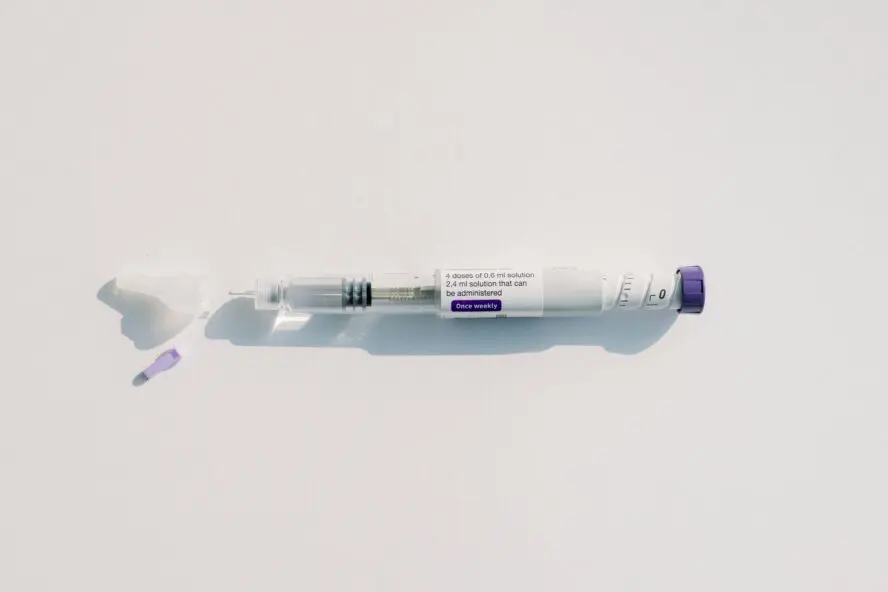
If you’re thinking of adding a GLP-1 RA (GLP-1 receptor agonist) medicine to your weight loss routine, some tracking GLP-1 apps can seamlessly cater to your special dietary needs during treatment.
- MyFitnessPal offers a GLP-1 Nutrition Support Dashboard to help you track medication dosages, injection sites, side effects, and to highlight vital goals while on the medicine (like protein needs)
- Noom offers mini classes on managing side effects and dietary needs on GLP-1 treatments
- Weight Watchers offers a GLP-1 track that removes the points system and replaces it with a focus on protein and fiber needs
On the other hand, apps like Nourish, which provide you with the support of your own registered dietitian, can help you adjust your eating plan as needed whenever you start any new weight loss medicines, deal with side effects, or transition off of such treatments. We favor this approach over any of the above due to the level of personalized care. Ultimately, prescribing, dosing, and medical monitoring are a clinician’s job, not for an app to decide.
Frequently Asked Questions
Do weight loss apps work?
Studies show that weight loss apps offer “modest average” loss1, and no single feature predicts their efficacy. Research also reveals that nutrition-based methods can produce more significant weight loss than exercise-based methods alone10. No matter what app or product you use to help you make lifestyle changes, the key to successful weight loss is a combination of consistent dietary and exercise improvements over time.
What is the best weight loss app?
While there is no single best weight loss app and the answer will vary depending on your goals and personality, we personally favor ones that offer resources like registered dietitians and health coaches to help guide you through each step of your weight loss journey. We also find that human support enables real-time advice and accountability that can make a difference in navigating the challenging road of weight loss.
What are the best weight loss apps that are free?
The best free weight loss apps include MyFitnessPal, Lose It!, and Cronometer, which offer basic food tracking even after you cancel a premium plan. Google Health also offers a great free plan and can connect to apps like MyFitnessPal and Weight Watchers, among others, to track nutrition metrics. However, although the app itself is free, it does require ownership of either a Fitbit or another compatible wearable.
Is MyFitnessPal or Lose It better?
While the answer depends on your needs, Lose It! is generally more user-friendly (especially for beginners) and user-friendly. MyFitnessPal offers a more comprehensive global database that even includes many restaurant food entries, although this is crowd-sourced and can lead to inaccuracies.
How much do weight loss apps cost?
The average annual rate across these weight loss apps is around $130 per year, not accounting for the dietitian-based options (whose cost will depend on your health insurance coverage).
Final Thoughts
After checking out the best weight loss apps out there, we have a few clear takeaways:
- If you have complex nutritional needs, are on a special diet, or have a chronic condition(s), we recommend choosing an app that includes dietitian or trained healthcare provider support for more personalized attention
- Vetted food databases are essential for accurate food tracking
- Reasonable pricing or insurance coverage is necessary for compliance re: the affordability factor
- Beyond just the features included in an app’s paid tier, it’s worth considering if you lose access to all features once you downgrade or cancel — maintenance is a key stage of weight loss, and it’s helpful to still retain some support if you decide you no longer want to pay for an app
No matter what app you choose, weight loss can be difficult. You’re bound to hit barriers in your journey, from health insurance coverage to logging exhaustion. No method is perfect, but these apps can certainly offer some helpful tools.
If you’re not sure which weight loss app is right for you, experiment with free trials and free versions of apps, then you can dip your toe into a premium option if needed. And as always, lean into progress over perfection — if your decision-making process is simply giving you another reason to postpone your weight loss goals, we recommend just choosing one and getting your journey started!
Sources:
- https://www.sciencefocus.com/news/the-biggest-hidden-rule-of-weight-loss
- https://www.nature.com/articles/s41598-026-56407-7
- https://www.cdc.gov/nchs/products/databriefs/db313.htm
- https://mhealth.jmir.org/2025/1/e70228
- https://www.noom.com/in-the-news/noom-members-kept-losing-weight-a-full-year-after-the-program-ended-largest-ever-noom-randomized-clinical-trial-shows/?srsltid=AfmBOor5ZAfMXY_ezUBbu4QdeKF5k8m-H0Zg8u74EglK-iU9gBPji9ON
- https://pmc.ncbi.nlm.nih.gov/articles/PMC10034244/
- https://pmc.ncbi.nlm.nih.gov/articles/PMC7641788/
- https://pmc.ncbi.nlm.nih.gov/articles/PMC8319781/
- https://pmc.ncbi.nlm.nih.gov/articles/PMC10261454/
- https://www.weightwatchers.com/us/blog/science-center-efficacy-china