
Your 7-Day Backpacking Meal Plan Just Got a Scientific Upgrade (And Your Body Will Thank You)


Table of Contents
- Why Most Backpacking Nutrition Plans Miss the Mark
- Timing Your Trail Meals With Your Body’s Natural Clock
- Packing Maximum Nutrition Into Minimal Weight
- Keeping Your Gut Happy When Everything Else Hurts
- The Mental Game of Trail Eating
- Advanced Prep Strategies That Actually Work
TL;DR
- Getting protein first thing in the morning can keep you powered up for 4-6 hours of hiking instead of crashing by 11 AM
- Above 8,000 feet, your body needs way more iron, but regular supplements will mess up your stomach something fierce
- Blue and purple foods pack the biggest antioxidant punch per gram – your beat-up muscles will thank you
- Taking digestive enzymes about 30 minutes before meals prevents that awful bloated feeling from trail food
- By day 3-4, you’ll be craving savory, umami flavors like crazy – mushroom powders hit the spot while giving you solid nutrition
- Freeze-drying keeps way more nutrients intact compared to regular dehydration methods
Why Most Backpacking Nutrition Plans Miss the Mark
I’ve dragged myself through enough week-long treks to know that just throwing random high-calorie stuff into your pack doesn’t work. Sure, you might survive on instant ramen and energy bars, but you’ll feel like garbage by day four.
Here’s what I wish someone had told me years ago: your body doesn’t just need calories when you’re hiking all day – it needs the RIGHT stuff at the RIGHT times. Most backpackers aim for 2,500 to 3,500 calories per day, but as Two Trail Birds points out, this range depends heavily on hiking intensity and your body’s adaptation to sustained activity.

Look, maybe you’re one of those people who can live on Pop-Tarts and instant noodles for a week and feel fine. If so, you can probably skip this. But if you’re like me and turn into a grumpy, exhausted mess by day 3, this stuff actually helps.
Traditional meal planning treats your body like a simple machine – calories in, energy out. But your body’s way more complicated than that. Stress hormones, your natural daily rhythm, altitude changes, and how well your gut’s working all get thrown off during long backpacking trips. Most people completely ignore this and then wonder why they feel terrible despite eating “enough” calories.
The difference between just surviving and actually feeling good on trail comes down to working with your body instead of fighting it. When you get the basics of trail nutrition right, you can keep steady energy, sleep better, bounce back faster, and actually enjoy your food instead of choking down another protein bar.
For those interested in optimizing their overall nutrition approach, learning 5 simple ways to beat bloat and improve digestion can significantly enhance your trail meal experience and prevent common digestive issues that plague many backpackers.
Timing Your Trail Meals With Your Body’s Natural Clock
Your body runs on pretty predictable patterns throughout the day, creating windows when different nutrients work better. By lining up your meal timing with these natural rhythms – especially getting protein first thing in the morning and focusing on recovery in the evening – you can dramatically improve energy levels, avoid those brutal afternoon crashes, and sleep better during multi-day treks.
The Game-Changing Morning Protein Strategy
Here’s something most backpackers get wrong: they focus on carbs for morning energy. I spent years wondering why I’d be ready for a nap by 11 AM, even after what I thought was a good breakfast. Turns out starting with just oatmeal was basically setting myself up to crash.
Your body’s hormone cycles actually create a window where protein becomes the key to sustained energy. Within about an hour and a half of waking up, your stress hormones peak while growth hormone is still elevated – this is when your body is actually ready to put that protein to work.
The research is pretty clear: getting a good serving of protein first thing in the morning can keep you powered up for 4-6 hours of hiking instead of crashing before lunch.
Getting Your Amino Acids Right From the Start
I’ve had way better luck with marine collagen than the usual protein bars. Your body seems to actually use it instead of just making expensive pee. Plus, it mixes way easier than trying to choke down chalky protein powder on an empty stomach.
Take Sarah, a thru-hiker on the Pacific Crest Trail who switched from protein bars to marine collagen mixed with instant coffee. She noticed her typical 10 AM energy crash disappeared, and she kept steady power through 15-mile days. Her morning routine: collagen powder mixed with instant coffee, plus a little plant protein, all consumed within about 20 minutes of breaking camp.
What I do now (and it’s way simpler than it sounds):
- Pack little baggies of collagen powder – one for each day
- Mix it with my morning coffee or tea
- Add some plant-based protein powder to round it out
- Drink it all before I start hiking
Honestly, I noticed a pretty big difference. Instead of that familiar mid-morning energy dip, I can maintain steady power through those big climbing hours.

The 45-Minute Carb Window That Changes Everything
This might sound a bit obsessive, but waiting about 45 minutes after protein before hitting the carbs is backed by solid science. Eating carbs too soon after protein creates competing pathways in your gut. Give it about 45 minutes, and you get steady glucose release without those brutal insulin spikes that leave you crashing by 2 PM.
Here’s how it works:
- Wait about 45 minutes after your protein
- Eat some good complex carbs (steel-cut oats work great)
- Add a tablespoon of coconut oil or MCT oil for staying power
- Throw in some stress-fighting herbs like ashwagandha if you’ve got them
Steel-cut oats are worth the extra weight here. They give you that slow, steady energy that keeps you powered through long climbs without the roller coaster of instant oats.
Altitude Changes Everything About Your Nutrition Needs
Most backpackers don’t realize that crossing 8,000 feet completely changes what your body needs. The thinner air doesn’t just make you breathe harder – it totally shifts how your body processes nutrients.
Why Your Iron Needs Skyrocket (And Regular Supplements Fail)
Your iron needs jump 30-40% above 8,000 feet as your body desperately tries to get more oxygen around. But here’s the catch – regular iron supplements will absolutely wreck your stomach when you’re already dealing with trail stress and not drinking enough water.
Plant-based alternatives solve this problem nicely. They get absorbed better without the constipation and stomach upset that make regular iron supplements a nightmare on trail. I’ve seen too many people suffer through gut issues because they tried to supplement with standard iron pills at altitude.
The Electrolyte Ratio Most People Get Wrong
Everyone talks about replacing salt, but getting the right balance of magnesium, potassium, and sodium becomes critical at altitude. Your cells need specific ratios to work right, and most store-bought electrolyte drinks get this completely wrong.
The cellular pumps that control fluid balance and muscle contraction get less efficient in low-oxygen environments. Getting your electrolyte balance dialed in can mean the difference between feeling strong at 10,000 feet or dealing with cramps and fatigue despite drinking plenty of water.
Here’s the deal with electrolytes – you need more of everything at altitude, but the ratio matters more than hitting exact numbers. Think roughly 3 parts sodium to 1 part potassium to 1 part magnesium. Don’t stress if you’re not measuring with a scale.
| Electrolyte | Sea Level Needs | High Altitude Needs (8,000+ ft) | What to Aim For |
|---|---|---|---|
| Sodium | 2,300mg/day | 2,800mg/day | Base amount |
| Potassium | 3,500mg/day | 4,200mg/day | About the same as sodium |
| Magnesium | 400mg/day | 550mg/day | About 1/3 of sodium |
| Calcium | 1,000mg/day | 1,200mg/day | Support mineral |
Boosting Your Body’s Oxygen Efficiency Naturally
Beetroot powder might seem like health food nonsense, but the nitric oxide pathway support is legit. At altitude, your body’s ability to produce nitric oxide – which helps blood vessels open up and improves oxygen delivery – becomes absolutely crucial.
Dark leafy greens work the same way. I know, I know – fresh spinach isn’t exactly practical for backpacking. But powdered greens or dehydrated dark leafy vegetables can provide the same compounds that help oxygen utilization when you need it most.
Evening Recovery: More Than Just Refueling
Most people treat dinner as just another refueling stop, but your evening meal sets you up for recovery and how you’ll feel the next day. Your body’s repair systems kick into high gear during sleep, but only if you give it the right building blocks.
The Sleep-Enhancing Food Combinations That Actually Work
Everyone knows about the turkey-makes-you-sleepy thing (which is mostly myth, by the way), but the real magic happens when you combine certain amino acids with specific carbs. The carbs help those sleep-promoting compounds get to your brain more effectively, leading to better sleep hormone production and deeper rest.
Timing matters here – eating about 2-3 hours before you want to sleep gives your body time to process the food without disrupting sleep with active digestion. After a week of this, the difference in morning energy and recovery is pretty noticeable.

Packing Maximum Nutrition Into Minimal Weight
Weight matters when you’re carrying everything on your back, but most backpackers optimize for the wrong thing. Calories per ounce tells you nothing about whether those calories will actually fuel performance or leave you feeling wiped out. According to recent testing by GearJunkie, the best backpacking meals now average 120+ calories per ounce while maintaining superior nutritional profiles compared to traditional trail fare.
The real game is nutrient density per gram. Some foods provide way higher vitamin, mineral, and other good stuff per gram than standard trail fare, but they need specific prep and storage methods to stay good for seven days.
Understanding adaptogens defined through mushrooms and functional foods can help backpackers select superior food options that provide stress-fighting compounds alongside essential nutrients.
Superfoods That Actually Earn the Name
Certain foods provide way higher nutrient density per gram than standard backpacking fare, but need specific prep and storage methods to keep their nutritional value. Fermented foods and blue/purple foods offer particular advantages for trail nutrition.
Fermented Foods: Your Gut’s Best Trail Friend
Fermented foods might sound impractical for backpacking, but they’re actually perfect trail companions when prepped right. Fermented vegetables provide good gut bacteria, enzymes, and concentrated vitamins while staying shelf-stable for over a week without refrigeration.
Here’s how to prep them:
- Make sauerkraut or kimchi a week before your trip
- Dehydrate it until it’s about 15% moisture using a food dehydrator
- Vacuum seal in daily portions
- Add a couple tablespoons of warm water before eating to rehydrate
The gut health benefits alone make this worth the prep time. Your digestive system takes a beating from processed trail food, stress, and dehydration. Having live beneficial bacteria in your system helps keep digestion working and nutrient absorption going throughout the week.
The Blue Food Advantage You’re Missing
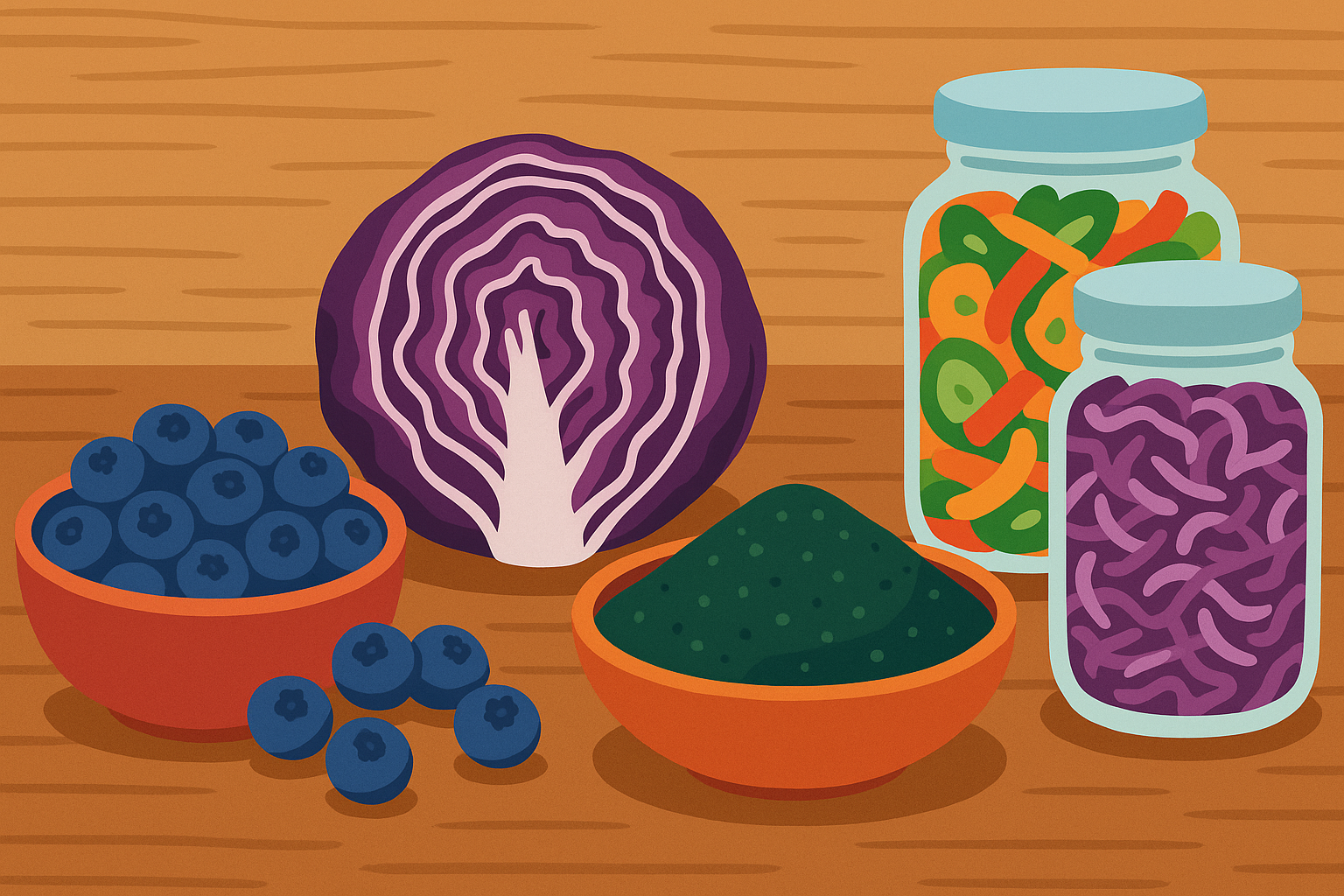
Blue and purple foods aren’t just pretty – they contain the highest concentrations of compounds that protect your cells from damage. When you’re pushing your body hard for seven straight days, this cellular protection becomes really important.
Here’s how I work blue foods into my trail plan:
- Freeze-dry blueberries, blackberries, and purple cabbage
- Mix powdered spirulina with blue foods
- Make trail mix that’s about 30% blue foods by weight
- Eat about 1/4 cup every couple hours while hiking
The antioxidant protection is noticeable. Less muscle soreness, better recovery, and sustained energy levels throughout the week. Plus, the natural sugars provide quick energy without the crash of processed snacks.
Adaptogens: Ancient Wisdom Meets Modern Trail Science
Adaptogenic herbs sound like wellness marketing nonsense until you understand what chronic stress does to your body during multi-day backpacking. Constant physical stress depletes specific nutrients and messes with your hormones in predictable ways.
Regulating Your Stress Response Naturally
Ashwagandha, rhodiola, and holy basil work together to help regulate stress hormones. When you’re dealing with the constant stress of carrying a heavy pack, sleeping on the ground, and pushing your body daily, these herbs help maintain balance.
The stress hormone regulation is particularly important. Constantly elevated stress hormones break down muscle tissue, mess with sleep, and hurt immune function. Adaptogens help moderate this response, keeping you resilient instead of running yourself into the ground.
Fighting Inflammation Before It Fighting Inflammation Before It Fights You
Turmeric, ginger, and green tea compounds work through different pathways to fight inflammation. The cumulative effect of carrying a heavy pack and hiking long miles creates significant inflammatory stress on joints and muscles.
My adaptogenic tea routine:
- Make tea blends with equal parts herbs before the trip
- Steep in a thermos with hot water each morning
- Sip throughout the day between meals
- Double up on the highest mileage days
The key is consistency. These compounds work best with steady levels in your system rather than occasional mega-doses.
Research shows that backpackers typically consume an average of 1.28 pounds of food per day on extended trips, as documented by Backpacking Chef’s 8-day Appalachian Trail meal planning analysis.
Keeping Your Gut Happy When Everything Else Hurts
Your digestive system takes a massive hit during extended backpacking trips. Physical exertion, dehydration, and stress all significantly mess with digestive function, but most meal plans completely ignore this reality.
The result? Bloating, constipation, and poor nutrient absorption from the food you’re working so hard to carry and prepare. Supporting your digestive system isn’t just about comfort – it’s about actually getting the nutrition you need from your carefully planned meals.
For optimal digestive support, consider implementing drinking vinegars as the next big thing for gut health – these fermented beverages can enhance digestion and provide beneficial probiotics that support nutrient absorption from your trail food.
Why Your Digestive Enzymes Need Backup
Your body’s digestive enzyme production decreases under physical stress. This makes perfect sense from an evolutionary standpoint – when you’re running from a predator, digestion isn’t the priority. But when you’re hiking for seven straight days, this becomes a real problem.
The 30-Minute Enzyme Protocol
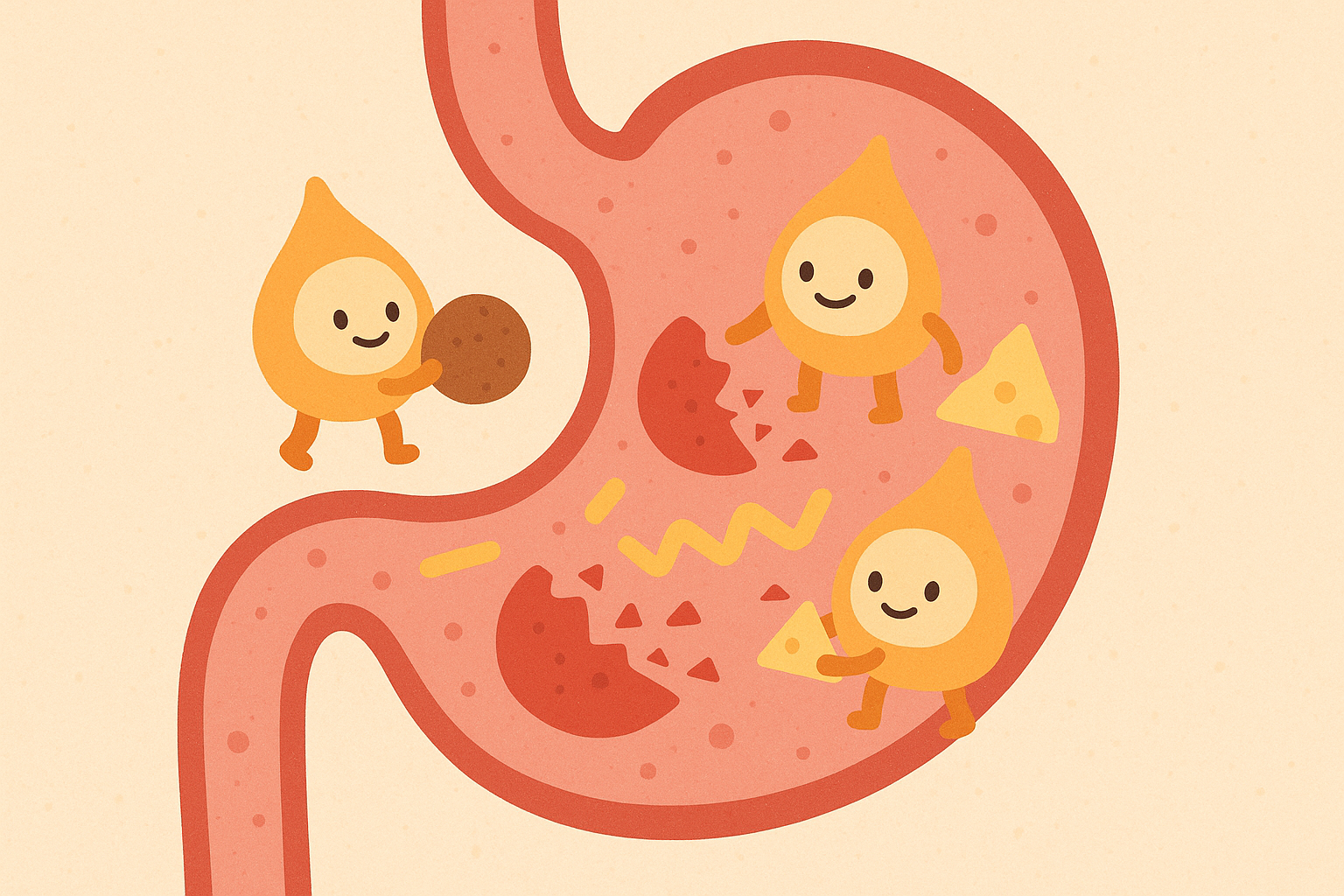
Taking digestive enzymes about 30 minutes before meals gives them time to get going in your stomach before food arrives. This prevents that awful bloated feeling from dehydrated trail food and helps you actually absorb the nutrients you’re eating.
Those digestive enzymes I mentioned? They’re basically your stomach’s best friend when you’re trying to digest tough jerky and protein bars that feel like chewing on shoe leather.
Getting Your Fiber Balance Right
Too much rough fiber causes digestive problems when you’re already dealing with dehydration and stress. But too little fiber leads to the constipation that hits so many backpackers by day three or four. The optimal balance shifts based on how hard you’re hiking and how well you’re staying hydrated. When you’re hiking hard and potentially under-hydrated, your gut needs more gentle, soluble fiber and less of the rough, insoluble stuff that can cause cramping and bloating.
Mark, an experienced backpacker, learned this lesson on a 6-day Wind River Range traverse. Days 1-2, he ate his usual high-fiber trail mix and felt fine. By day 4, severe cramping forced him to switch things up, moving to soluble fiber sources like oat bran and psyllium husk mixed into his evening meals. The cramping went away within 24 hours.
Maintaining Your Gut Microbiome in the Wilderness
Extended periods eating processed, low-fiber trail food absolutely wrecks your beneficial gut bacteria. This impacts way more than just digestion – we’re talking immunity, mood, and nutrient absorption.
The Prebiotic Rotation Strategy
Different types of fiber feed different beneficial bacteria. Rotating fiber types prevents any single bacterial strain from taking over while keeping the diversity your gut needs to function well.
My 7-day rotation approach:
- Day 1-2: Jerusalem artichoke powder (inulin)
- Day 3-4: Green banana flour (resistant starch)
- Day 5-6: Acacia fiber powder
- Day 7: Mix of all three
Each fiber type creates different compounds that support gut health in unique ways. The rotation keeps your gut bacteria balanced even when everything else about your routine is completely disrupted.
Strategic Probiotic Strain Rotation
Look, you don’t need to get crazy with this, but rotating different types of gut-friendly stuff throughout the week helps keep everything balanced when your normal routine is completely shot.
Different probiotic strains aren’t interchangeable – they provide specific benefits for energy, immunity, and digestion. During the physical stress of backpacking, certain strains become particularly valuable for maintaining performance and preventing illness.
| Day | Probiotic Strain | Primary Benefit | How Much | Best Taken With |
|---|---|---|---|---|
| 1-2 | Lactobacillus rhamnosus | Stress resilience | 10 billion CFU | Morning protein |
| 3-4 | Bifidobacterium longum | Energy production | 15 billion CFU | Evening meal |
| 5-6 | Lactobacillus casei | Immune support | 12 billion CFU | Mid-day snack |
| 7 | Multi-strain blend | Recovery | 20 billion CFU | Final dinner |
The Mental Game of Trail Eating
Mental fatigue hits different than physical exhaustion, and it completely changes how your brain responds to food. Most people don’t account for the psychological aspects of trail eating and end up making poor choices that tank their energy and mood.
Your appetite and food preferences change in predictable ways over seven days. Understanding these patterns allows you to plan food that satisfies both your nutritional needs and your psychological cravings.
Why Your Taste Buds Go Haywire on Trail
Trail appetite changes predictably over 7 days, with specific cravings for textures, flavors, and temperatures that most meal plans totally ignore. By day 3-4, you’ll be craving savory, umami flavors like crazy as your body seeks concentrated nutrition, while temperature contrasts can boost mood and energy when mental fatigue sets in.
The Day 3-4 Umami Explosion
By day 3-4, you’ll crave umami flavors so intensely it’s almost painful. Your body is desperately seeking concentrated nutrition and mineral replacement, and umami signals “nutrient-dense food” to your brain.
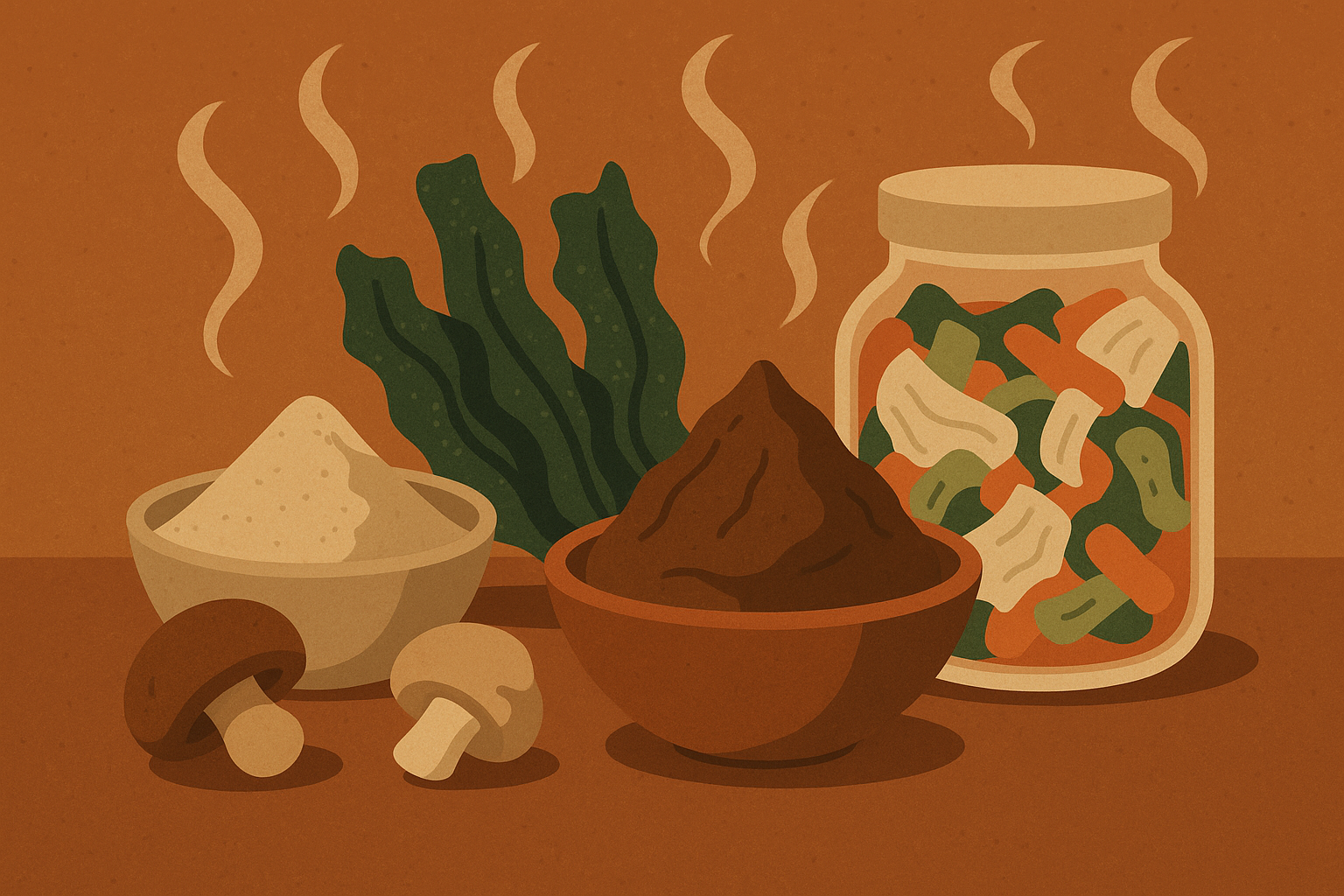
Most people try to satisfy this with more salt, but that just leaves you feeling bloated and still unsatisfied. Mushroom powders and seaweed hit that umami craving while delivering the dense nutrition your body is actually asking for.
Here’s my umami approach for days 3-7:
- Pack shiitake and maitake mushroom powder
- Add a teaspoon to soups and main meals from day 3 onward
- Include dulse flakes for mineral-rich umami taste
- Make “instant bone broth” with mushroom powder and sea vegetables
The satisfaction is immediate and lasting. Instead of constantly snacking trying to hit that craving, one properly umami-rich meal leaves you feeling genuinely satisfied.
Temperature Therapy for Trail Moods
Switching between hot and cold foods triggers different responses in your brain that can actually boost mood and energy when mental fatigue sets in. It sounds simple, but the temperature receptors in your mouth directly influence brain chemistry.
When you’re dealing with the psychological grind of day five or six, something as simple as following a hot meal with cold fruit can provide a genuine mood boost. The contrast wakes up your nervous system and provides sensory stimulation that fights the monotony of trail routine.
Supporting Your Brain Chemistry Naturally
Extended physical exertion depletes dopamine faster than most people realize. This isn’t just about feeling good – dopamine is crucial for motivation, decision-making, and mental clarity. When it drops, everything becomes harder.
The Tyrosine Loading Protocol
Tyrosine is what your body uses to make dopamine, but it works best when consumed with specific cofactors found in whole foods. Taking isolated tyrosine supplements often fails because you’re missing the supporting nutrients needed for conversion.
The timing matters too. Eating tyrosine-rich foods during your lowest energy periods (usually mid-afternoon) provides the building blocks when your brain needs them most.
According to Andrew Skurka’s detailed analysis of a 7-day Wind River Range traverse, experienced backpackers consume approximately 3,354 calories per day while maintaining an average food weight of 1 pound 10.8 ounces daily.
Dark Chocolate: More Than Just a Treat
High-quality dark chocolate (85%+ cacao) provides compounds that genuinely support mood and motivation. But timing and quality matter way more than most people realize.
The key is using it strategically rather than just as a random treat. I save dark chocolate for the hardest days or lowest moments, when the mood-boosting compounds can make a real difference in mental state and motivation.
Lisa, a solo backpacker on the John Muir Trail, strategically saved her 85% dark chocolate squares for the most challenging days. On day 5, facing a difficult pass with deteriorating weather, she ate 2 squares with tyrosine-rich almonds during her afternoon low point. The combination provided both mental clarity and motivation to push through the challenging conditions safely.
Understanding marine collagen peptides beauty benefits from a registered dietician perspective can help backpackers appreciate how this superior protein source supports both physical recovery and mental resilience during extended wilderness adventures.
Advanced Prep Strategies That Actually Work
Beyond basic meal planning lies the critical science of food preservation, preparation techniques, and storage methods that maintain nutritional integrity while ensuring food safety. Different dehydration methods dramatically affect nutrient retention, while strategic meal timing and water integration can significantly enhance performance and recovery.
The Science of Keeping Nutrients Alive
Different dehydration methods dramatically affect nutrient preservation, with freeze-drying preserving way more nutrients compared to traditional heat dehydration. Understanding these differences and proper rehydration protocols can significantly impact the nutritional value of trail meals.
Freeze-Drying vs Heat Dehydration: The Numbers Don’t Lie
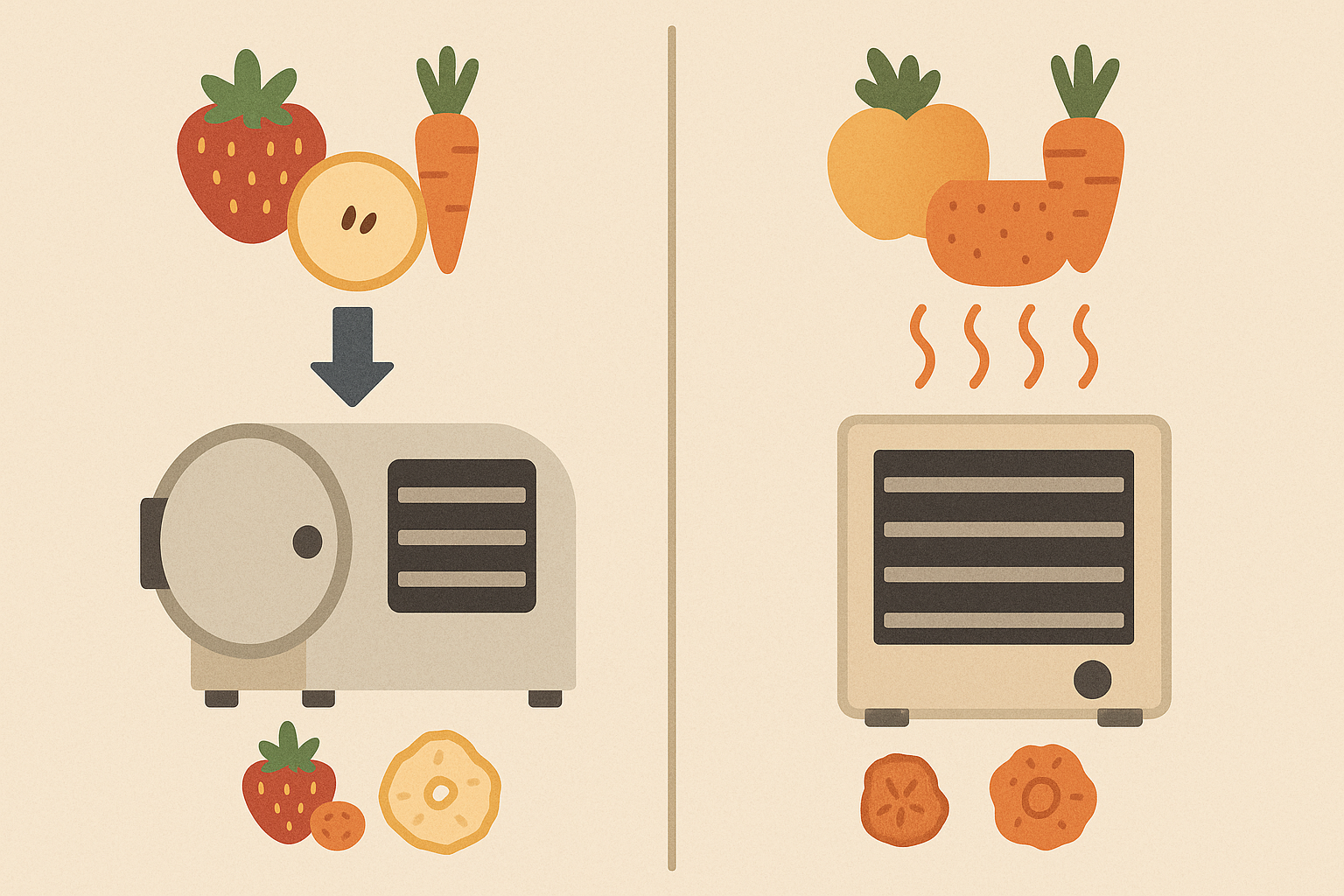
Freeze-drying preserves 97% of nutrients compared to 60% with traditional heat dehydration. The difference is massive when you’re relying on these foods for a full week of nutrition.
But freeze-dried foods need different rehydration methods:
- Go for freeze-dried vegetables and fruits when your budget allows
- Use heat dehydration only for foods high in stable nutrients (proteins, fats)
- Rehydrate freeze-dried foods with warm (not hot) water to preserve enzymes
- Give it 15-20 minutes for complete rehydration
The texture and digestibility improvements are worth the extra cost for key items. Your gut will thank you, and you’ll actually absorb the nutrients you’re carrying.
Vacuum Sealing: Your Nutrient Insurance Policy
Oxygen exposure destroys fat-soluble vitamins and causes nuts and seeds to go rancid faster than most people realize. Vacuum sealing with oxygen absorbers isn’t just about preventing spoilage – it’s about preserving the nutritional value you’re counting on.
The investment in a good vacuum sealer pays off quickly when you consider the cost of high-quality trail food. Plus, properly sealed foods maintain their flavor and texture much better than stuff thrown in ziplock bags.
Meal Timing Logistics That Make or Break Your Day
The physical demands of breaking camp, hiking, and setting up require strategic meal timing that most backpackers get wrong. Pre-dawn fuel loading and consistent mid-day energy maintenance prevent crashes and optimize performance throughout long hiking days.
Pre-Dawn Fuel Loading Strategy
Eating easily digestible calories about 30 minutes before breaking camp gives you immediate energy without digestive burden during those critical first two hours of hiking. Most people make the mistake of trying to hike on empty and wonder why they crash by 10 AM.
The key is choosing foods that digest quickly and provide immediate glucose without requiring much energy to process. Save the complex meals for when you’re already warmed up and moving well.
The 90-Minute Energy Maintenance System
The traditional “big lunch” approach causes afternoon energy crashes that can ruin your entire day. Instead, eating 100-150 calories every 90 minutes or so maintains steady glucose and prevents muscle protein breakdown.
My systematic approach:
- Set phone timer for 90-minute intervals starting 2 hours after breakfast
- Prepare single-serving energy packets with roughly 2:1 carb-to-protein ratio
- Include about 5g healthy fats (nuts, seeds) in each packet
- Eat with 8-12 oz water to help absorption
The consistency prevents those energy roller coasters that make hiking miserable. Your body learns to expect fuel regularly and maintains steady performance instead of constantly shifting between feast and famine modes.
Recent developments in the backpacking meal industry show significant innovation, with Switchback Travel reporting that new brands like Gastro Gnome and Firepot are revolutionizing backcountry cuisine by focusing on restaurant-quality ingredients and whole food sourcing, moving away from the traditional processed meal approach.
Water Integration: The Missing Piece
Most backpackers treat water and food as separate elements, missing opportunities for enhanced nutrient absorption and improved hydration efficiency. Strategic use of mineralized cooking water and herbal teas can significantly improve both hydration and nutrient utilization.
Mineralized Cooking Water Changes Everything
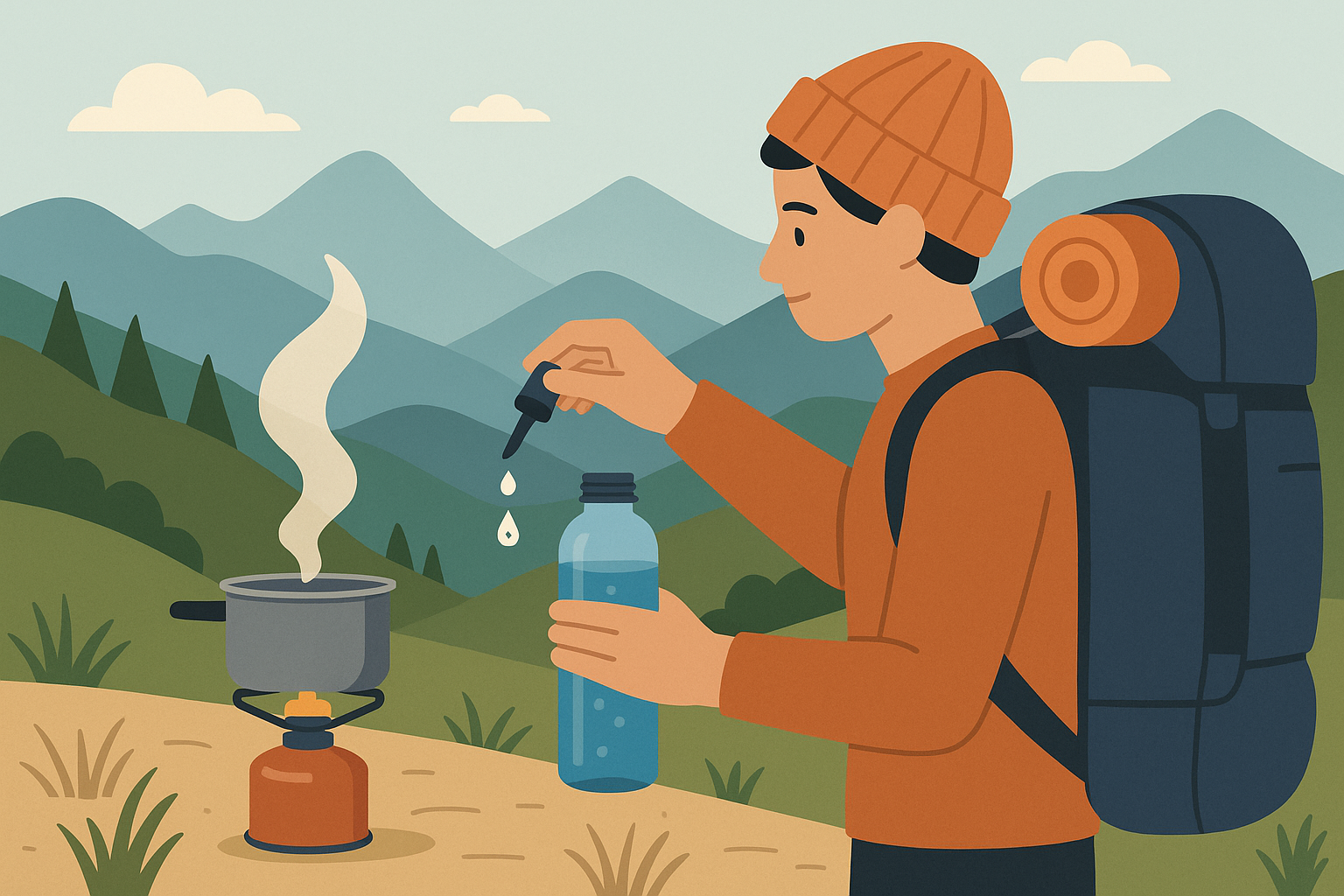
Using properly mineralized water for cooking increases nutrient bioav ailability while providing essential electrolytes often missing from filtered water sources. Most people filter out everything and wonder why they feel depleted despite drinking plenty of water.
Here’s what works:
- Add about 1/4 tsp high-quality sea salt per liter of cooking water
- Include trace mineral drops (5-7 drops per liter)
- Use this mineralized water for all food preparation
- Save plain filtered water for drinking between meals
The difference in how you feel is noticeable within a day or two. Your cells actually get the minerals they need for optimal function instead of just diluting your electrolyte levels with plain water.
Strategic Herbal Tea Timing
Certain herbs enhance nutrient absorption when consumed with meals, while others work better separately. Getting the timing right maximizes both digestion and the effectiveness of your other nutritional strategies.
My herbal tea routine:
- Drink ginger tea about 15 minutes before meals to get digestion going
- Have green tea about an hour after meals to help iron absorption
- Use chamomile tea in the evening to support sleep and recovery
- Rotate adaptogenic teas throughout the day based on energy needs
The effects build up over the week. Better digestion leads to better nutrient absorption, which supports energy and recovery, which improves your ability to handle the physical demands of each day.
Analysis from Backpacker Magazine reveals that successful thru-hikers typically consume 70 grams of carbohydrates per hour while hiking and roughly 0.5 to 0.7 grams of protein per pound of body weight daily to maintain muscle mass and energy levels.
For those interested in optimizing their overall wellness approach, learning about how to choose the healthiest greens powder can help supplement micronutrient intake when fresh vegetables aren’t practical during extended backcountry adventures.
Speaking of supporting your trail nutrition goals, Organic Authority’s marine collagen provides the perfect foundation for that critical morning protein window I mentioned earlier. Their collagen peptides offer superior bioavailability compared to traditional trail proteins, and they mix easily with coffee or tea for a convenient start to your hiking day. When you’re planning your next backcountry adventure, consider how premium supplements can elevate your wilderness nutrition strategy beyond basic survival mode.
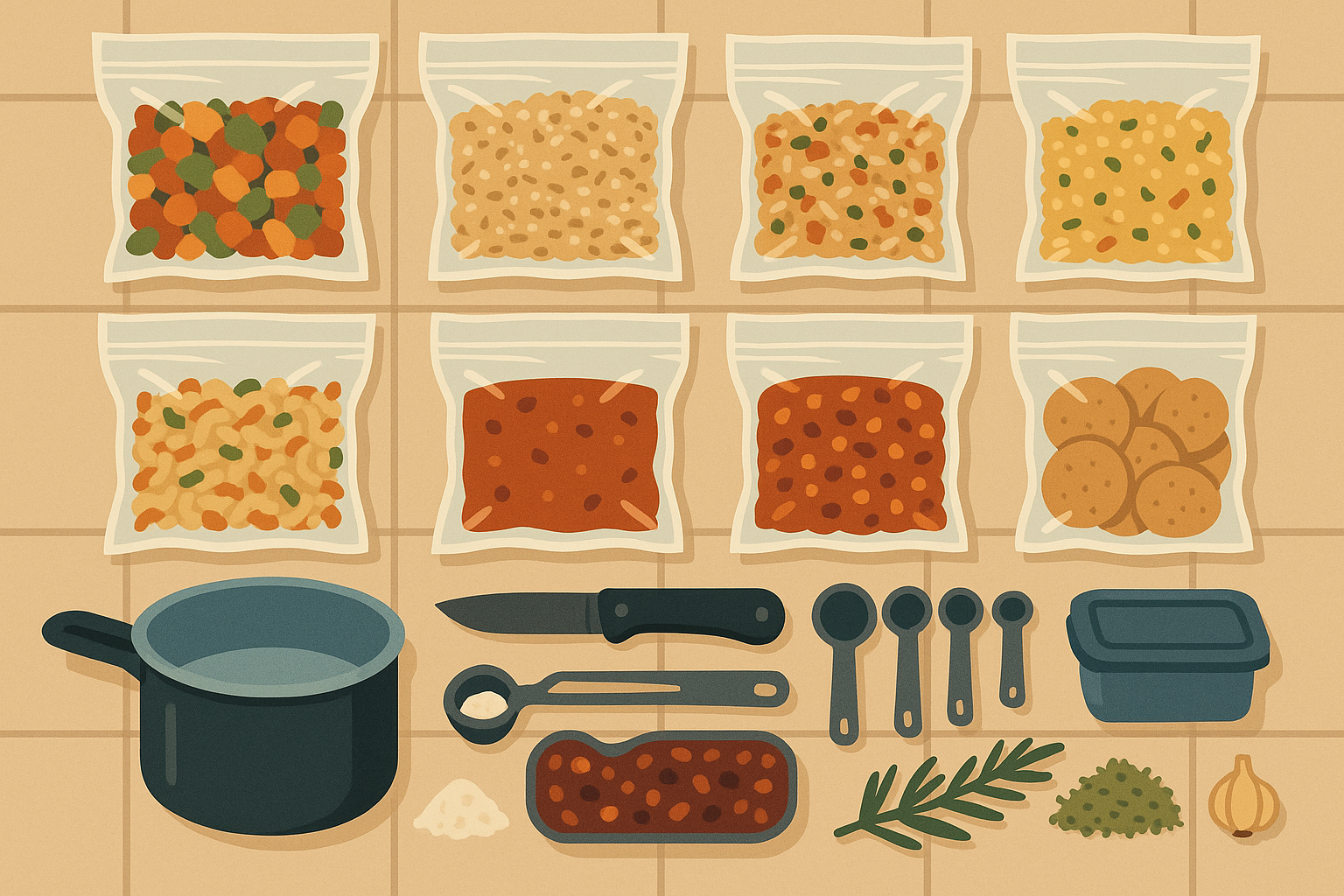
Trail Nutrition Preparation Checklist:
- ☐ Figure out daily caloric needs based on mileage and pack weight
- ☐ Pre-portion marine collagen peptides in daily packets
- ☐ Prepare fermented vegetables 1 week before departure
- ☐ Vacuum seal meals with oxygen absorbers
- ☐ Create adaptogenic tea blends for daily rotation
- ☐ Pack digestive enzymes in waterproof containers
- ☐ Prepare umami flavor enhancers (mushroom powder, seaweed)
- ☐ Set up 90-minute energy maintenance packets
- ☐ Test all meal combinations at home before departure
- ☐ Plan water mineralization strategy for cooking
Final Thoughts
Your next week-long trek doesn’t have to be an exercise in nutritional survival. When you understand the basics of trail nutrition science, you can maintain steady energy, sleep better, and bounce back faster while actually enjoying your meals.
The difference between just surviving and actually feeling good in the backcountry often comes down to these details that most people overlook. Your body is incredibly adaptable, but it performs best when you work with its natural systems rather than against them.
Start small – maybe just try the morning protein thing on your next overnight trip. If that works for you, add one more piece next time. No need to overhaul everything at once.
I get it – this might sound like a lot of prep work for something that’s supposed to be about getting away from it all. But trust me, I’m not about carrying unnecessary stuff either. The difference in how you feel by day three makes all this planning worth it.
The backpacking meal industry continues to evolve rapidly, with GearJunkie’s 2025 testing revealing that brands like Peak Refuel now deliver astronomical calorie-to-weight ratios of over 160 calories per ounce while maintaining superior taste profiles, representing a significant advancement in trail nutrition technology.
For additional support in maintaining energy levels during challenging outdoor activities, consider exploring how to boost your immune system according to a doctor, as maintaining robust immunity becomes crucial during the physical stress of extended wilderness adventures.