
7 Day Meal Plan for Elderly: The Psychology-Based Approach That Actually Works

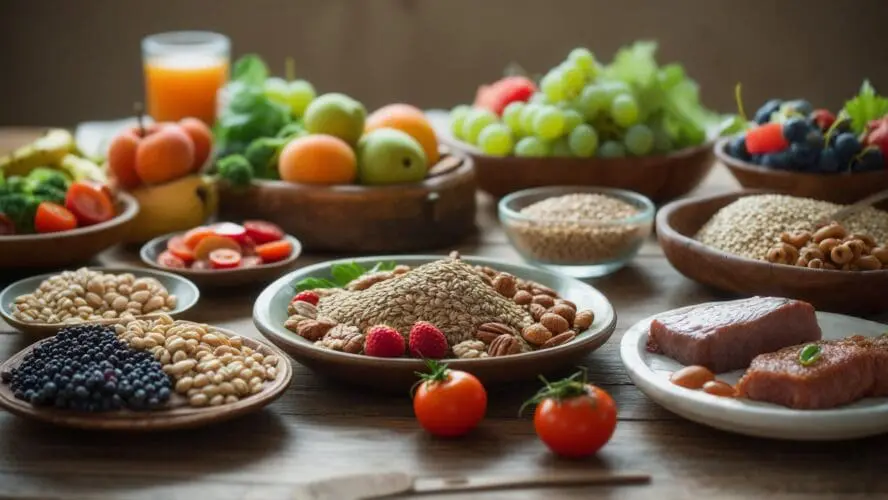
Look, creating a 7 day meal plan for elderly adults isn’t really about counting calories or making everything mushy. I’ve learned it’s actually about understanding how your whole relationship with food changes as you get older. Most meal planning advice treats aging like it’s just about eating softer foods and smaller portions, but that completely misses what’s really going on.
Here’s what I’ve discovered: women over 50 generally need around 1,600 calories per day, while men in the same age group need about 2,000 calories daily, according to Meal Village’s comprehensive senior nutrition guide. But honestly, those numbers don’t tell the whole story. What really matters is understanding why food doesn’t taste the same, why you’re not hungry when you used to be, and why eating alone feels so depressing. That’s the stuff that determines whether you’ll actually thrive nutritionally.
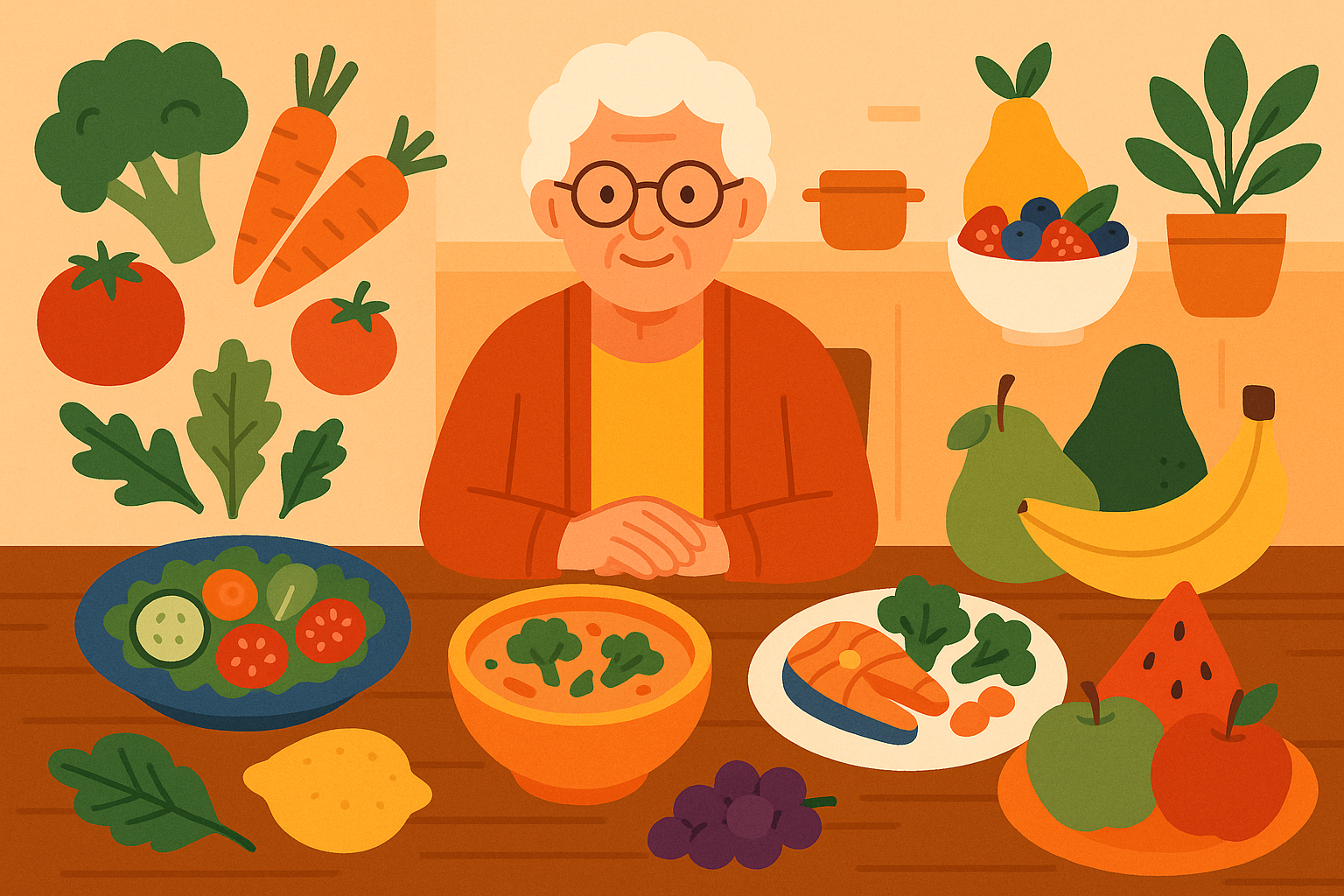
Table of Contents
- The Hidden Psychology Behind Why Traditional Meal Plans Fail Seniors
- Building Community Around Food (Because Eating Alone Sucks)
- Simplifying Food Decisions Without Losing Your Independence
- Making Your Aging Gut Happy Through Smart Food Combinations
TL;DR
- Your body’s natural clock changes as you age – work with it instead of fighting it
- Familiar flavors from your past can wake up your appetite better than any supplement
- Eating with others isn’t just nice – it actually helps your body absorb nutrients better
- Simple systems (like eating by colors) cut through decision fatigue while keeping meals interesting
- Certain foods just work better together and can naturally help your digestion
The Hidden Psychology Behind Why Traditional Meal Plans Fail Seniors
Most meal planning advice treats aging like it’s only about softer foods and smaller portions. That’s missing the point completely. Your whole relationship with food changes dramatically as you get older – nothing tastes quite right, your body clock is different, and honestly, food just doesn’t excite you the way it used to.
Here’s what I’ve learned: the secret isn’t counting calories or following complicated nutrition charts. It’s about understanding how your brain and body actually experience food now, and working with those changes instead of fighting them.
You know how everyone talks about staying mentally sharp as you age? Well, proper nutrition plays a huge role in that. Research into Alzheimer’s prevention expert-approved methods shows that what you eat really does affect how well your brain works throughout the aging process.
Your Body Clock Isn’t Broken – It’s Just Different Now
Here’s something nobody talks about: your natural body rhythm shifts as you age, and this affects everything from when you feel hungry to how well you absorb nutrients. Instead of forcing yourself to eat at “normal” times, you can actually work with these natural changes.
Maybe morning makes you feel queasy. Maybe afternoon energy crashes hit you like a truck. Maybe your evening routine needs completely different fuel than it used to. That’s all normal.
Why You’re Not Hungry in the Morning (And What to Do About It)
You know that morning stress hormone spike everyone mentions? It’s real, and it’s probably why you can’t stomach much first thing in the morning. Your blood sugar’s already up, and your appetite is basically shut off.
The solution isn’t forcing down a big breakfast – it’s waiting 1-2 hours after waking and then focusing on protein and healthy fats. Think eggs with avocado or Greek yogurt with nuts, not sugary cereals that’ll spike your already-elevated blood sugar.
My friend Sarah, who’s 73, used to struggle with morning nausea and zero appetite. She’d force herself to eat breakfast at 7 AM and feel awful. Now she has herbal tea when she wakes up, takes a short walk, then enjoys scrambled eggs with spinach around 9 AM when she’s actually hungry. This simple timing change increased her protein intake by 40% and completely eliminated her morning stomach issues.
If you want a gentle breakfast option that works with changing appetite patterns, learning how to cook delicious oatmeal every time can give you something that’s easy to digest and provides steady energy throughout the morning.
Beating the 2 PM Energy Crash Without a Nap
That post-lunch slump hits differently when you’re older. Your digestive system is working harder, and your natural energy dip feels more intense. Instead of heavy meals that’ll knock you out, try lighter combinations – apple slices with almond butter, or a small portion of berries with some nuts.
Natural sugars paired with protein keep your energy steady without overwhelming your system during this naturally low-energy time.
Evening Meals That Actually Help You Sleep
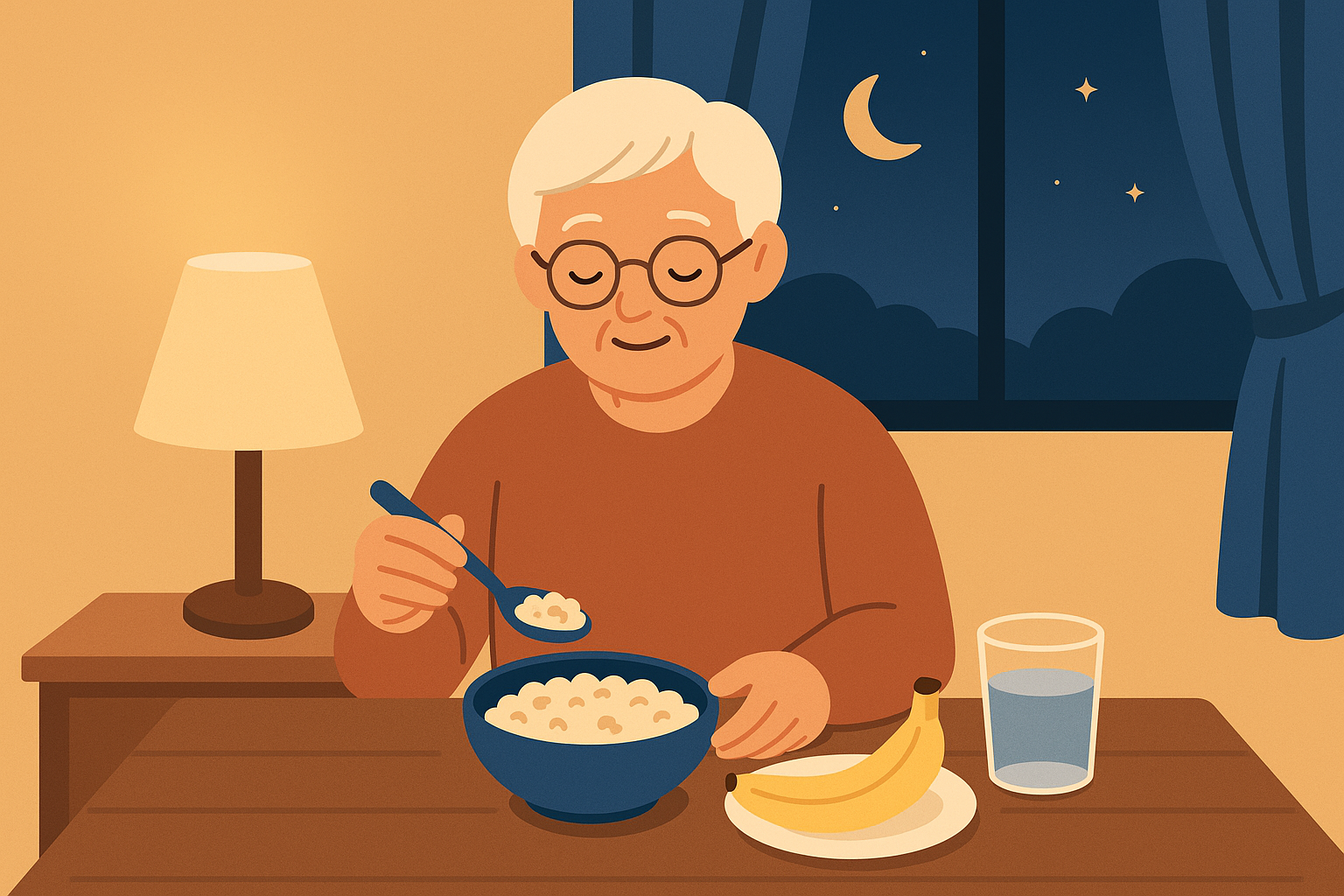
Your body needs more help producing sleep hormones now, and the right evening foods can make a huge difference in sleep quality. Foods with natural sleep-supporting compounds – think turkey, pumpkin seeds, or a warm bowl of oatmeal with banana – signal your body it’s time to wind down.
Keep portions reasonable though; large evening meals can actually mess with the sleep you’re trying to improve.
Unlocking Food Memories That Make You Want to Eat Again
Your taste buds might not be what they used to be, but your food memories are still incredibly powerful. I’ve found that tapping into familiar flavor combinations from different periods of your life can actually wake up your appetite in ways that no amount of extra seasoning can match.
It’s not about nostalgia – it’s about using emotional connections to food to make healthy eating feel satisfying again. When you’re putting together a comprehensive 7 day meal plan for elderly eating, these meaningful food memories become essential for long-term success.
Transforming Childhood Favorites Into Nutritional Powerhouses
Remember your grandmother’s chicken soup? That comfort you felt wasn’t just emotional – those familiar flavors can actually trigger appetite and positive feelings about eating. The trick is recreating that essence using better ingredients.
Use bone broth instead of canned soup, add organic vegetables, throw in anti-inflammatory herbs like turmeric or ginger. You get the memory trigger plus modern nutritional benefits, without sacrificing the taste that makes you actually want to eat.
The reality is that cooking safety becomes a real concern as we age. As “Meals and Food Delivery for Seniors” Care.com reports, “As adults age, using knives and stoves can become a hazard, making meal and grocery delivery services helpful.” This doesn’t mean you have to give up on familiar, comforting foods – sometimes it just means finding smart ways to access them safely.
Building on those traditional comfort foods, incorporating homemade elderberry syrup for cold and flu prevention can add both nostalgic appeal and immune-supporting benefits to familiar recipes, especially when you’re more vulnerable to getting sick.
Honoring Your Heritage While Supporting Your Health
Traditional dishes from your cultural background aren’t just food – they’re connections to who you are and where you come from. Whether it’s your family’s pasta sauce recipe or the way your mother prepared rice, these foods carry emotional weight that makes meals more satisfying.
The key is adapting them for your current health needs. Maybe that means using whole grain pasta, cutting back on salt, or adding more vegetables, but keeping the core flavors that make the dish feel like home.
Making Food Textures Work for You, Not Against You
Nobody wants to jump straight to baby food, and honestly, you probably don’t need to. There’s a whole range between regular textures and completely soft foods, and finding your sweet spot can maintain both your dignity and eating pleasure.
It’s about being smart with cooking techniques and temperature contrasts to make food easier to manage without making it boring.
Cooking Techniques That Transform Tough Foods
Slow braising, pressure cooking, and using natural enzymes from fruits like pineapple or papaya can break down proteins beautifully while keeping them visually appealing. A tough piece of beef becomes fork-tender after a few hours in the slow cooker, but it still looks like real food on your plate.
These techniques work with your changing dental and swallowing capabilities without making you feel like you’re eating invalid food.
| Cooking Method | Best Foods | Time Required | Texture Result |
|---|---|---|---|
| Slow Braising | Tough cuts of meat, root vegetables | 3-6 hours | Fork-tender, maintains appearance |
| Pressure Cooking | Beans, grains, tough vegetables | 30-60 minutes | Soft but structured |
| Steam-Roasting | Fish, chicken, delicate vegetables | 20-45 minutes | Moist, easily flaked |
| Enzyme Marinades | All proteins | 2-24 hours | Naturally tenderized |
Playing With Temperature to Wake Up Your Taste Buds
When your taste sensitivity goes down, temperature contrasts can really help. Warm proteins with cool garnishes, room-temperature salads with warm dressings, or even something as simple as adding a cold dollop of yogurt to warm soup.
These temperature variations create sensory interest that your taste buds can still pick up on, making meals more engaging and satisfying.
Building Community Around Food (Because Eating Alone Sucks)
Let’s be honest – eating alone is depressing, and it’s also terrible for your health. When you eat by yourself all the time, you tend to eat less, enjoy food less, and your body doesn’t absorb nutrients as well.
I’m not talking about moving into a retirement home or joining some formal senior center program. There are much simpler ways to build social eating into your life that don’t require major lifestyle changes or dealing with institutional food.
Creating Your Own Mini Food Community
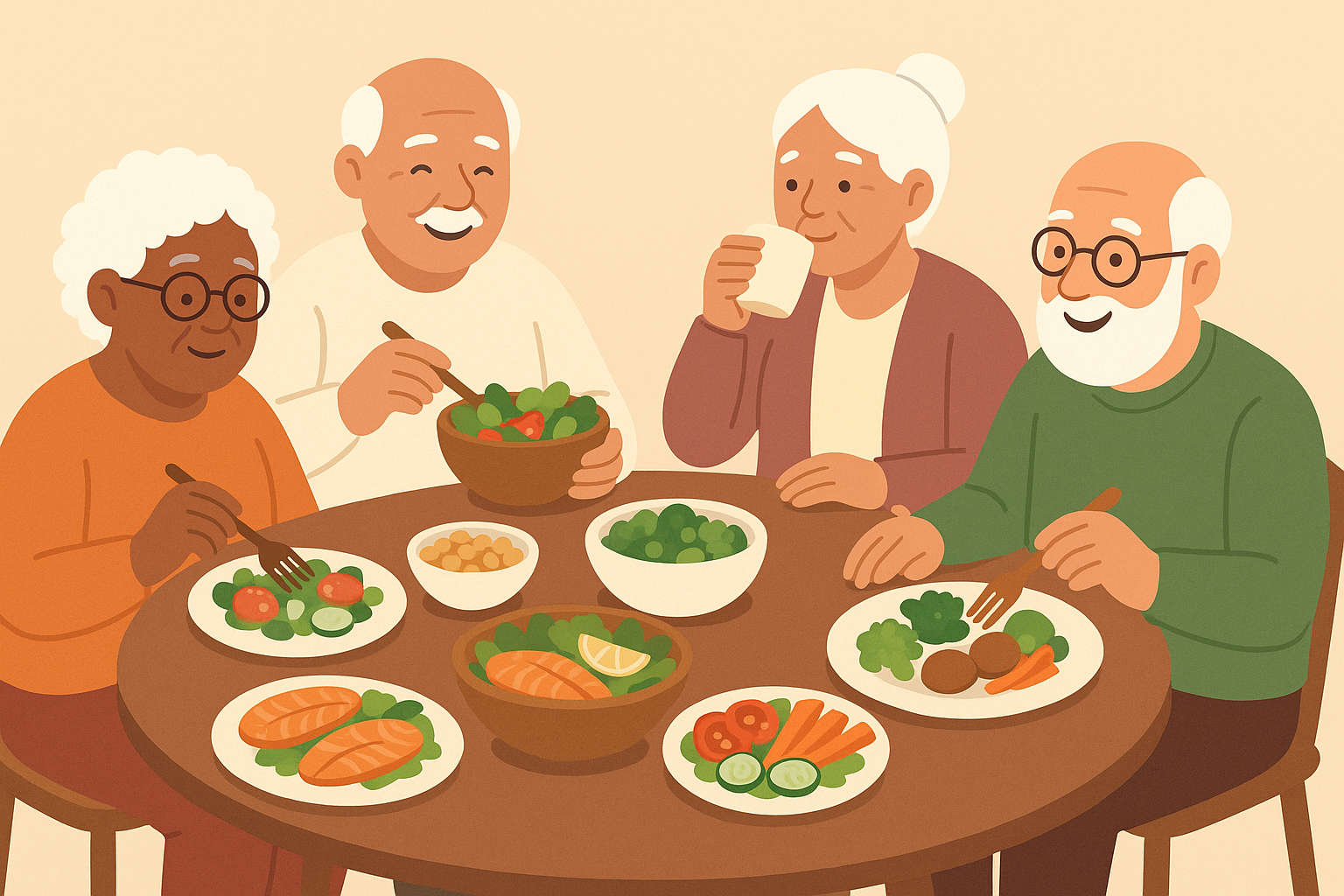
You don’t need a big group or formal organization to make eating social again. Sometimes the best food communities are just 3-4 people who decide to share the cooking load and eat together regularly.
It’s about finding sustainable ways to reduce your individual cooking burden while increasing variety and social connection. These small networks are easier to maintain and more flexible than larger programs.
Starting a Neighborhood Cooking Pod
Picture this: you and three neighbors each take responsibility for cooking one day’s worth of meals for the group, rotating throughout the week. Suddenly you’re only cooking one day but eating varied, home-cooked meals all week. Plus you’re guaranteed social interaction around food at least a few times weekly.
It works because everyone contributes equally, and the cooking load is manageable for each person.
I know four people – Helen, Robert, Maria, and Frank – who started their cooking pod six months ago. Helen handles Monday meals (she’s great at Mediterranean dishes), Robert takes Tuesday (comfort foods are his specialty), Maria covers Wednesday (amazing Mexican-inspired meals), and Frank manages Thursday (simple American classics). They eat together twice a week and take home containers for the other days. Their grocery costs dropped 30%, meal variety increased dramatically, and Helen says it’s the social highlight of her week.
Teaching While Learning: Recipe Exchanges Across Generations
Younger people in your community need cooking skills, and you need help with meal prep. It’s a perfect match that benefits everyone involved.
You share your cooking wisdom and family recipes while getting assistance with the physical aspects of meal preparation. They gain valuable life skills and connection to community elders. These relationships often develop into genuine friendships that extend way beyond just cooking.
Rebuilding the Rituals That Make Meals Matter
Many of us have lost the social rituals around eating that used to give meals meaning beyond just fuel. When you lived with family or had regular dinner companions, there were natural ceremonies around mealtime.
Rebuilding these rituals – even simple ones – can dramatically improve both your enjoyment of food and your overall well-being.
Creating meaningful mealtime experiences connects to overall wellness, and understanding mental fitness as explained by doctors shows how social dining rituals actually contribute to cognitive health and emotional well-being as you age.
Simple Pre-Meal Ceremonies That Signal Your Body
Your body needs signals to prepare for digestion, and consistent pre-meal rituals provide exactly that. It doesn’t have to be religious or elaborate – lighting a candle, taking three deep breaths, or simply pausing to appreciate the colors on your plate.
These small ceremonies help shift your nervous system into rest-and-digest mode, which actually improves how well you absorb nutrients.
Connecting Your Meals to the Seasons and Calendar
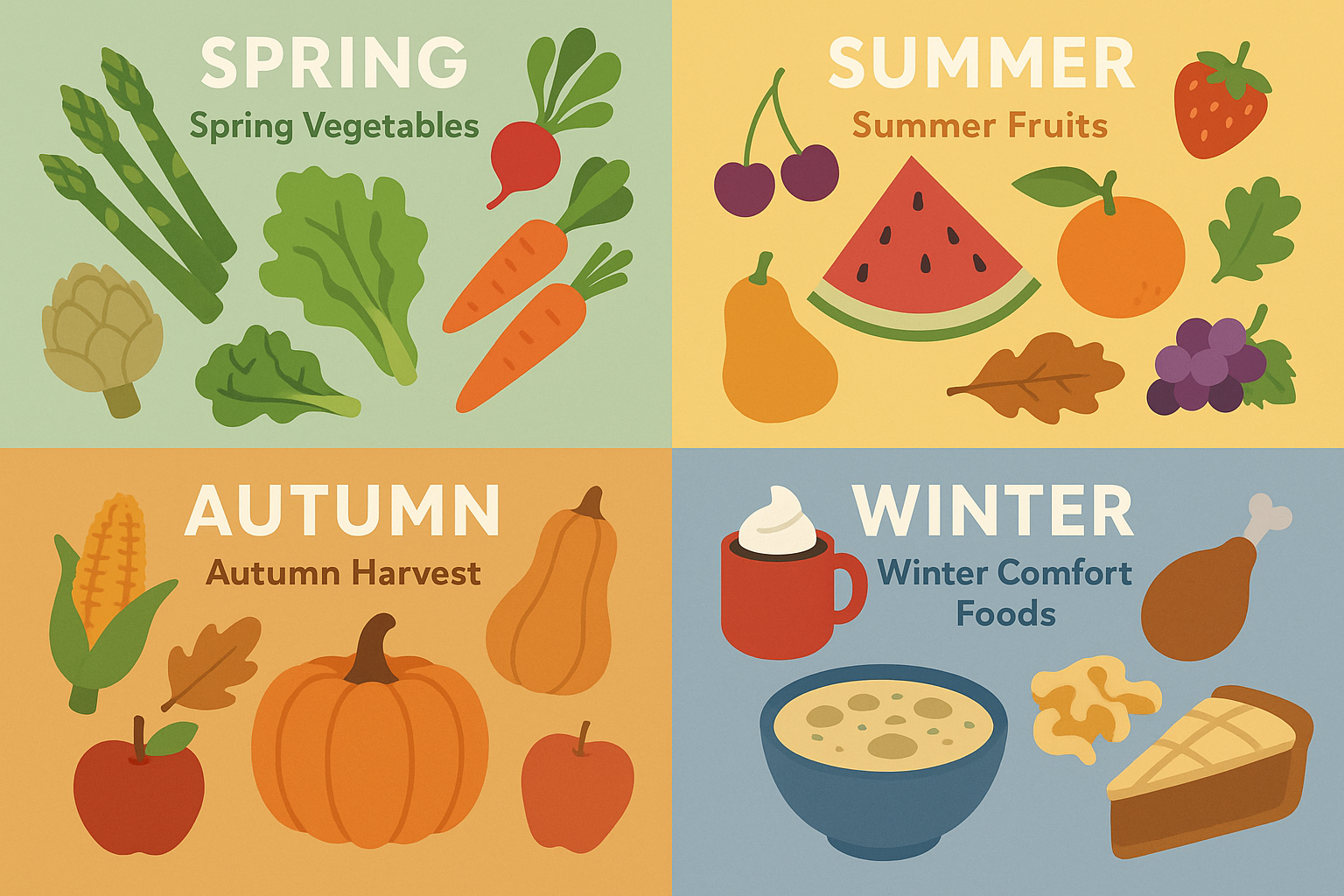
Seasonal eating isn’t just trendy – it connects you to the natural rhythm of the year and gives you something to look forward to. Maybe it’s incorporating the first spring asparagus, using special plates on Sundays, or preparing traditional holiday foods even when you’re eating alone.
These connections to seasonal and calendar rhythms make individual meals feel part of something larger.
Simplifying Food Decisions Without Losing Your Independence
Decision fatigue around food is real, especially when you’re dealing with any level of cognitive changes. Standing in the grocery store trying to figure out what to eat for the week can feel overwhelming.
The solution isn’t having someone else make all your food decisions – it’s creating simple systems that guide your choices while preserving your autonomy and preferences. A well-structured 7 day meal plan for elderly individuals should reduce complexity while maintaining personal choice and nutritional variety.
Decision-Making Frameworks That Actually Work
Instead of complex meal planning spreadsheets or detailed nutritional calculations, you need simple, memorable systems that ensure variety and nutrition without requiring a lot of mental energy.
Visual systems and intuitive frameworks work much better than trying to remember complicated rules about nutrients and portions.
The Color Wheel Approach to Weekly Nutrition
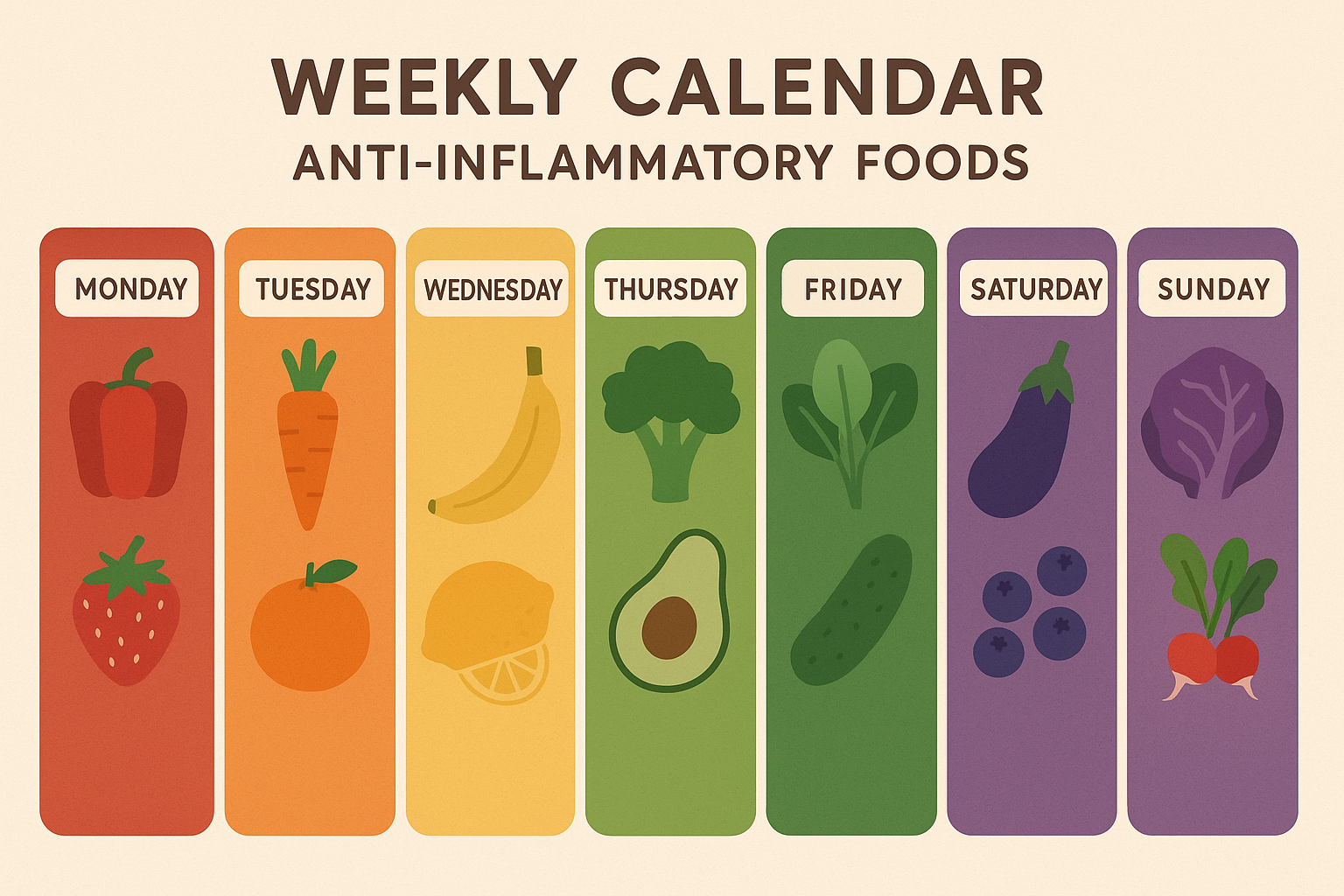
Each day of the week focuses on specific color families of foods, which automatically ensures nutritional variety without complex planning. Monday might be “green day” – leafy vegetables, green herbs, green tea, avocado. Tuesday could be “orange day” – sweet potatoes, carrots, oranges, butternut squash.
It’s simple enough to remember, visually appealing, and nutritionally sound.
This systematic approach addresses a real need. According to Australian Eggs’ senior nutrition guidelines, specialized meal plans for adults aged 60-80 years should provide an average of 8,700 kilojoules per day, with energy and nutrition requirements varying based on activity, health status, height, and weight.
| Day | Color Focus | Key Foods | Nutritional Benefits |
|---|---|---|---|
| Monday | Green | Spinach, broccoli, avocado, green tea | Folate, iron, healthy fats |
| Tuesday | Orange/Yellow | Sweet potato, carrots, oranges, squash | Beta-carotene, vitamin C, fiber |
| Wednesday | Red | Tomatoes, red peppers, strawberries, beets | Lycopene, antioxidants, nitrates |
| Thursday | Purple/Blue | Blueberries, eggplant, purple cabbage | Anthocyanins, anti-inflammatory compounds |
| Friday | White/Tan | Cauliflower, mushrooms, onions, garlic | Allicin, selenium, immune support |
| Weekend | Rainbow | Mix of all colors | Comprehensive nutrient variety |
Eating by Temperature and Season Instead of Clock Time
Your body often knows what it needs better than any meal schedule. When you’re warm, you naturally want lighter, cooler foods. When you’re cold, heartier warming foods appeal more.
This intuitive approach aligns with how you naturally want to eat and eliminates the pressure of forcing yourself to eat “breakfast foods” at breakfast time or “dinner foods” at dinner time.

Making Cooking Simpler Without Sacrificing Nutrition
The goal is to minimize active cooking time and mental energy while maximizing nutritional output and flavor. This means choosing cooking methods that do most of the work for you and preparing versatile ingredients that can become multiple different meals throughout the week.
One-Pot Meals That Deliver Complete Nutrition
Sheet pan dinners, slow cooker stews, rice cooker meals – these cooking methods combine proteins, vegetables, and grains in one cooking process. You get complete nutrition without juggling multiple pots and pans or timing different components. Plus cleanup is minimal, which matters more than people realize when you’re cooking for yourself regularly.
The importance of simplified cooking becomes clear when you consider that many seniors face physical limitations that make complex meal preparation challenging. Research shows that muscle mass tends to decline with age, making adequate protein intake crucial for promoting muscle mass, strength, and function, which makes one-pot protein-rich meals particularly valuable for maintaining independence in the kitchen.
Batch Cooking With Built-In Variety
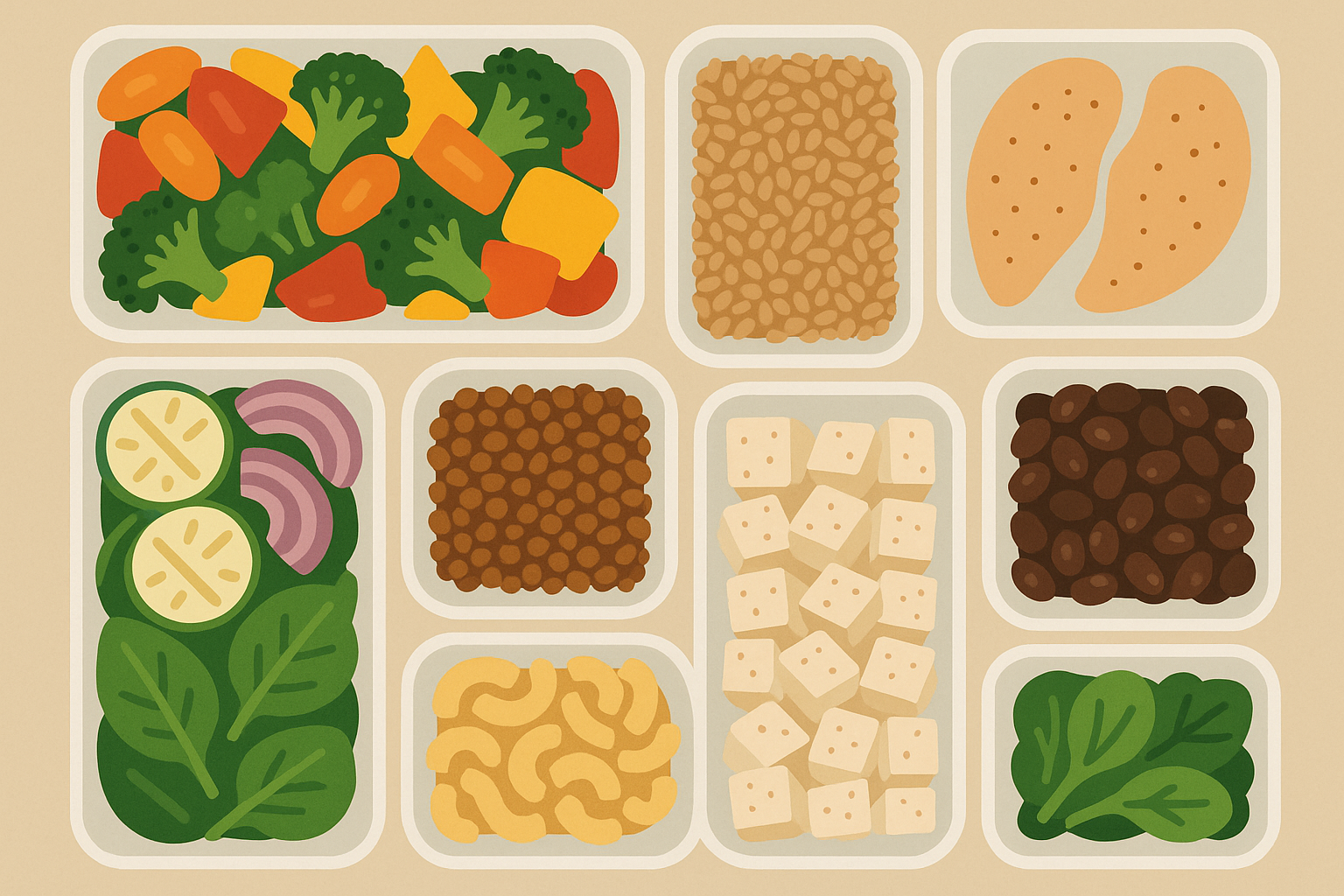
Instead of making the same soup for a week straight, prepare large quantities of versatile base ingredients. Roast a big batch of mixed vegetables that can become soup with added broth, grain bowls with added quinoa, or pasta sauce with added herbs. Same prep work, completely different meals throughout the week.
The challenge of managing salt intake has become increasingly important for seniors. According to “Easy Low-Sodium Meals for Seniors” Care.com, “older adults need to be particularly careful about their sodium intake, as too much can impact their health, especially their heart and blood vessels.” The American Heart Association recommends no more than 1,500 milligrams per day for most adults, yet the average American consumes over 3,400 mg daily.
My friend Tom, who’s 68, transformed his weekly routine by preparing a large batch of roasted vegetables every Sunday – bell peppers, zucchini, onions, and sweet potatoes seasoned with herbs instead of salt. Throughout the week, he uses portions for different meals: Monday’s vegetable soup, Wednesday’s grain bowl with quinoa, Friday’s pasta primavera. One prep session yields five different meals while keeping salt under control.
Making Your Aging Gut Happy Through Smart Food Combinations
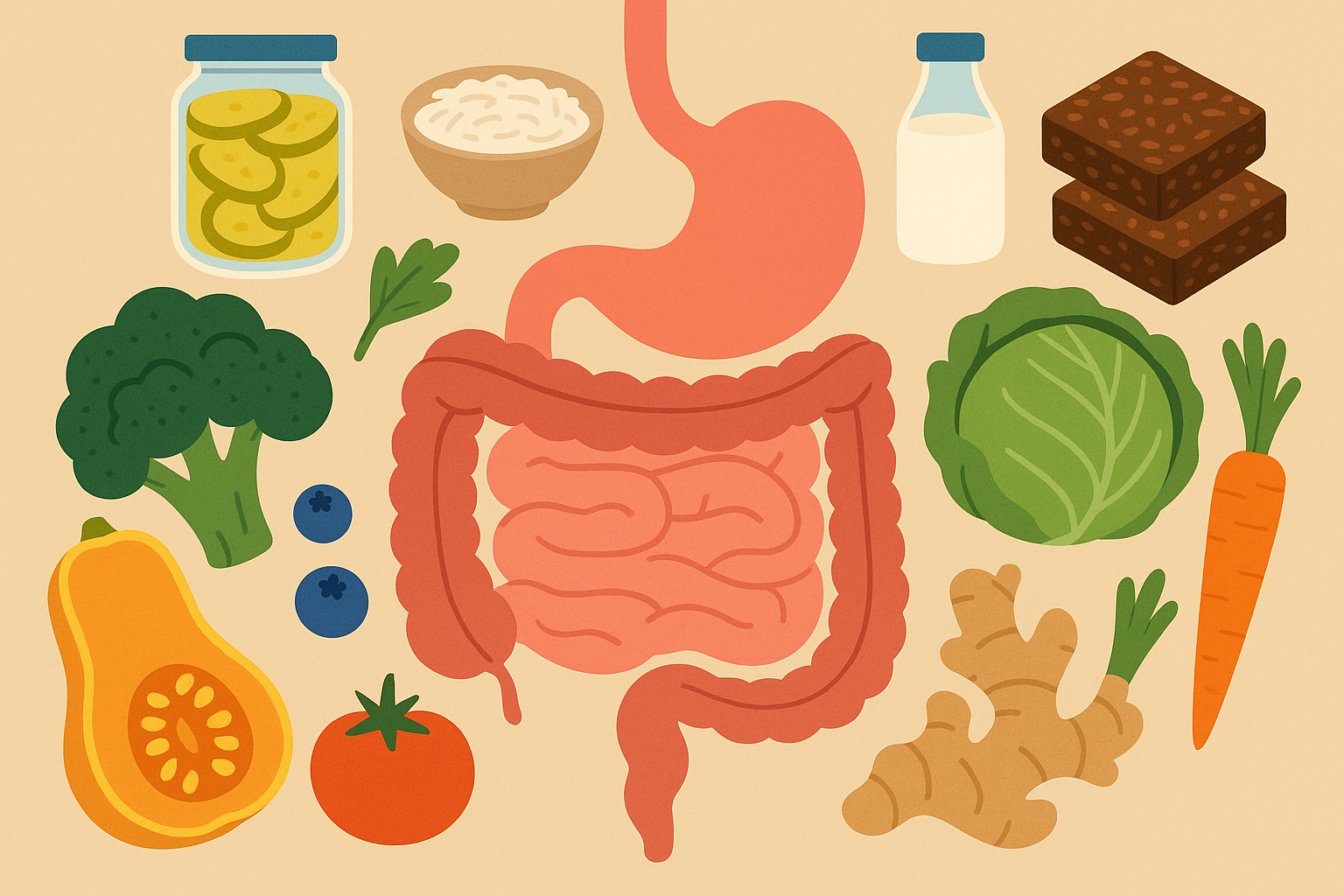
Your digestive system changes as you age – your body produces fewer digestive enzymes, stomach acid might be lower, and inflammation can become more of an issue. Instead of accepting digestive discomfort or relying entirely on supplements, you can use smart food combinations to support your natural digestive processes and reduce inflammation through what you eat.
This becomes especially important when structuring a comprehensive 7 day meal plan for elderly individuals who need to get the most out of every nutrient.
Supporting Your Natural Digestive Enzymes
Your body produces fewer digestive enzymes as you age, but certain foods contain natural enzymes that can help break down proteins and starches. It’s about pairing these enzyme-rich foods with harder-to-digest items and timing certain nutrients for better absorption.
Natural Food Partnerships That Work
Pineapple and papaya contain enzymes that help break down proteins, so including them with meat dishes can aid digestion. Fermented vegetables like sauerkraut or kimchi provide beneficial bacteria and enzymes that support grain digestion.
These aren’t random food combinations – they’re strategic partnerships that help your digestive system work more efficiently.
This approach becomes particularly important given that specialized meal plans for seniors should provide at least 2.5 serves of dairy per day, with males aged 70 years and over requiring an extra serve daily, and women 60+ years requiring an additional 1.5 serves daily to meet calcium needs for bone health.
Supporting digestive health naturally aligns with broader gut wellness strategies, and exploring drinking vinegars as the next big thing for gut health can provide additional digestive support through natural fermentation processes that complement enzyme-rich food pairings.
Timing Nutrients for Maximum Absorption
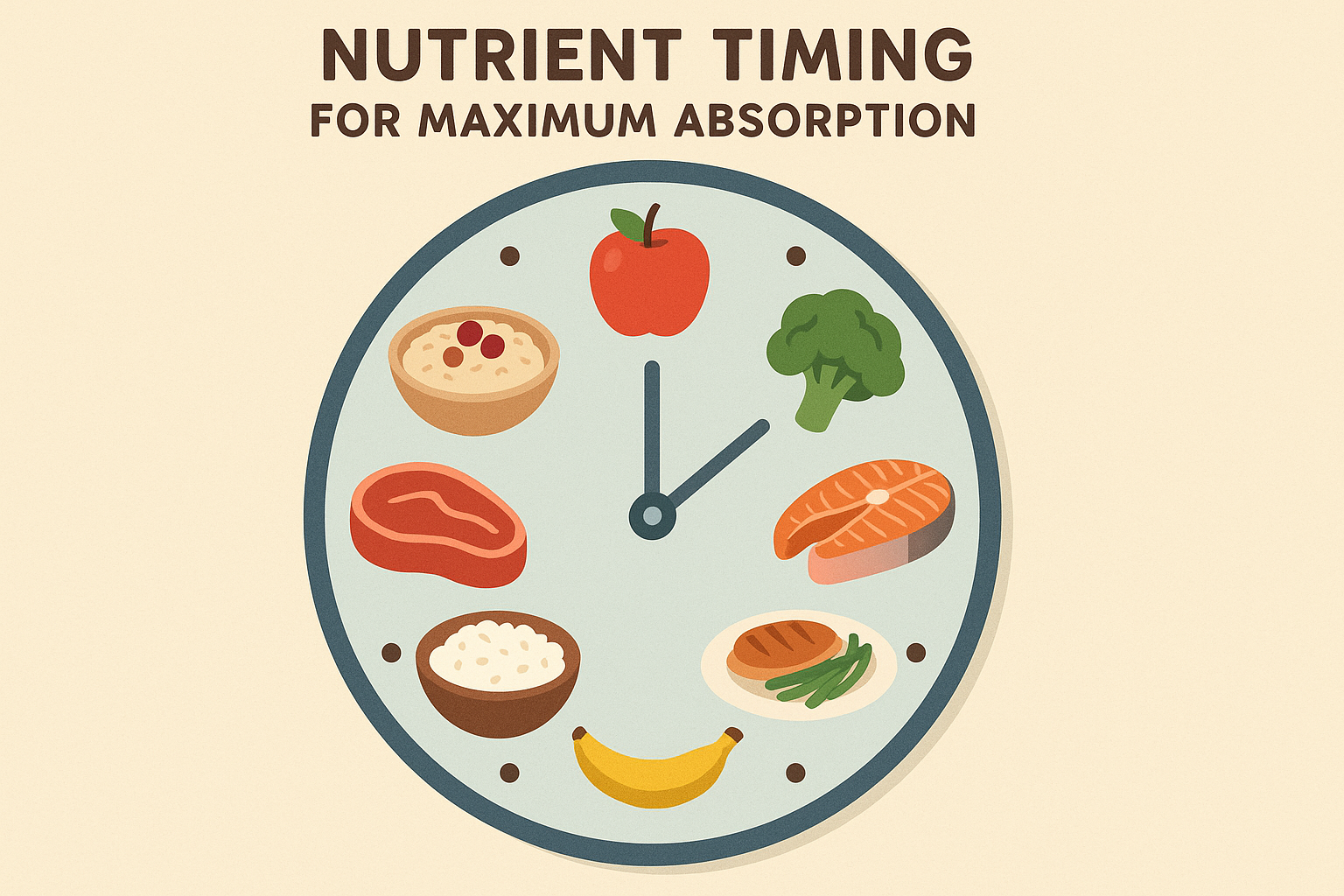
Iron and calcium compete for absorption, so timing them separately can improve how much of each you actually get. Vitamin C enhances iron absorption, so pairing orange slices with spinach or having strawberries with iron-rich foods makes nutritional sense.
These timing strategies can significantly improve your nutritional status without requiring any supplements.
Building Anti-Inflammatory Eating Patterns
Chronic low-level inflammation is common as we age and contributes to many health issues. Your food choices can either fuel this inflammation or help calm it down.
It’s not about eliminating entire food groups – it’s about creating weekly patterns that consistently support your body’s anti-inflammatory processes.
Getting Omega-3s Beyond Fish Oil Pills
Fatty fish twice weekly, daily portions of walnuts or ground flax seeds, occasional use of algae-based foods – this varied approach provides different types of omega-3s and is often more effective than relying solely on supplements.
Plus you get the additional nutrients that come with whole foods rather than isolated compounds.
Building comprehensive anti-inflammatory support extends beyond omega-3s, and understanding 5 simple ways to beat bloat and improve digestion provides practical strategies that complement omega-3 integration for overall digestive wellness and reduced inflammation.
Rotating Colorful Foods for Comprehensive Antioxidant Support
Different colored fruits and vegetables provide different types of the good stuff that fights inflammation. A weekly rotation ensures you’re getting comprehensive anti-inflammatory support – blueberries and purple cabbage one day, red peppers and tomatoes another, yellow squash and corn another.
This systematic approach covers your bases without requiring detailed nutritional knowledge.
Final Thoughts
Creating a sustainable 7-day meal plan for elderly adults isn’t about following someone else’s rigid schedule or forcing yourself into eating patterns that don’t feel natural anymore. It’s about understanding how your relationship with food has evolved and working with those changes rather than against them.
Your taste buds might not be what they used to be, your energy patterns have shifted, and yes, eating alone can feel pretty depressing sometimes. But these aren’t problems to solve – they’re realities to work with intelligently.
The psychology-forward approach I’ve outlined here recognizes that successful meal planning for seniors goes way beyond nutrition labels and portion sizes. When you align your eating schedule with your natural body rhythms, tap into powerful food memories, create simple decision-making systems, and use strategic food combinations, you’re not just feeding your body – you’re supporting your overall well-being in ways that traditional meal planning completely misses.
Building community around food doesn’t require joining formal programs or making major lifestyle changes. Sometimes it’s as simple as cooking with a neighbor once a week or teaching a younger person your family’s recipe while they help with the prep work. These small connections can transform eating from a solitary chore into something you actually look forward to.
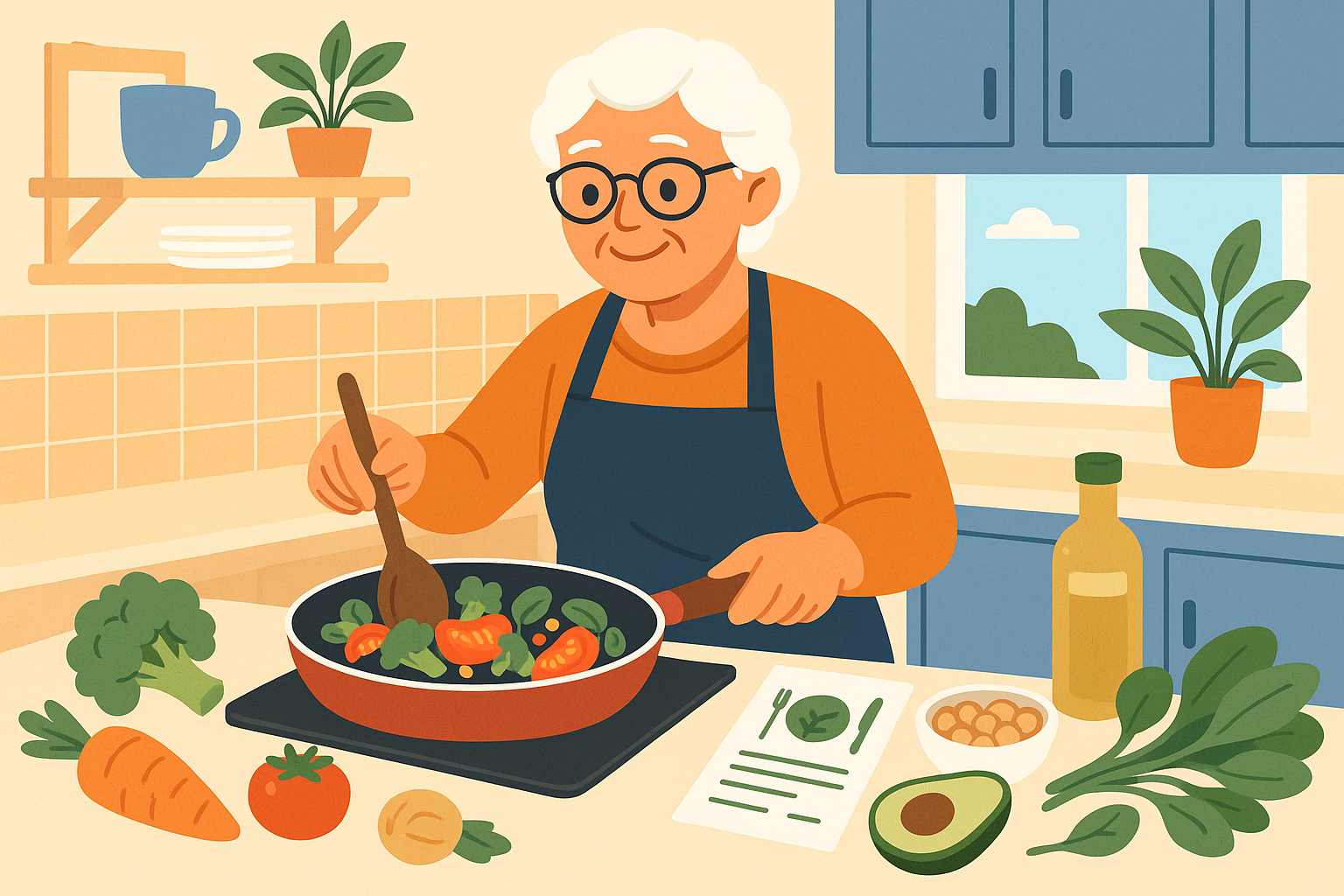
The beauty of systems like color-wheel nutrition or temperature-based meal planning is that they reduce decision fatigue while preserving your independence and food preferences. You’re not following someone else’s meal plan – you’re using frameworks that guide your own choices in ways that ensure variety and nutrition without overwhelming complexity.
When it comes to digestive health, strategic food pairing and anti-inflammatory eating patterns can make a real difference in how you feel after meals. Natural enzyme support through foods like pineapple with proteins, or timing iron and calcium separately, are simple strategies that can significantly improve how well your body uses the nutrients you eat without requiring a pharmacy’s worth of supplements.
For those looking to enhance their meal planning with high-quality, clean supplements that align with these principles, Organic Authority offers carefully vetted products that support healthy aging. Their marine collagen, for instance, provides bioavailable nutrition that complements the whole-food approach outlined here, while their commitment to transparency ensures you know exactly what you’re putting in your body.
Ready to change your relationship with food and eating? Start with one small thing – maybe it’s eating by colors for a week, or inviting a neighbor to cook together once. Pick one thing from this list and try it this week. That’s it. You’ve got this.