
What I Wish Someone Had Told Me About Meal Timing and Gastritis


Research shows that stomach inflammation can make larger meals uncomfortable, which is why eating small, frequent meals is recommended during acute gastritis episodes. Season Health But here’s what I wish someone had told me years ago – it’s not just about eating smaller meals. It’s about eating at times that actually help your stomach heal.
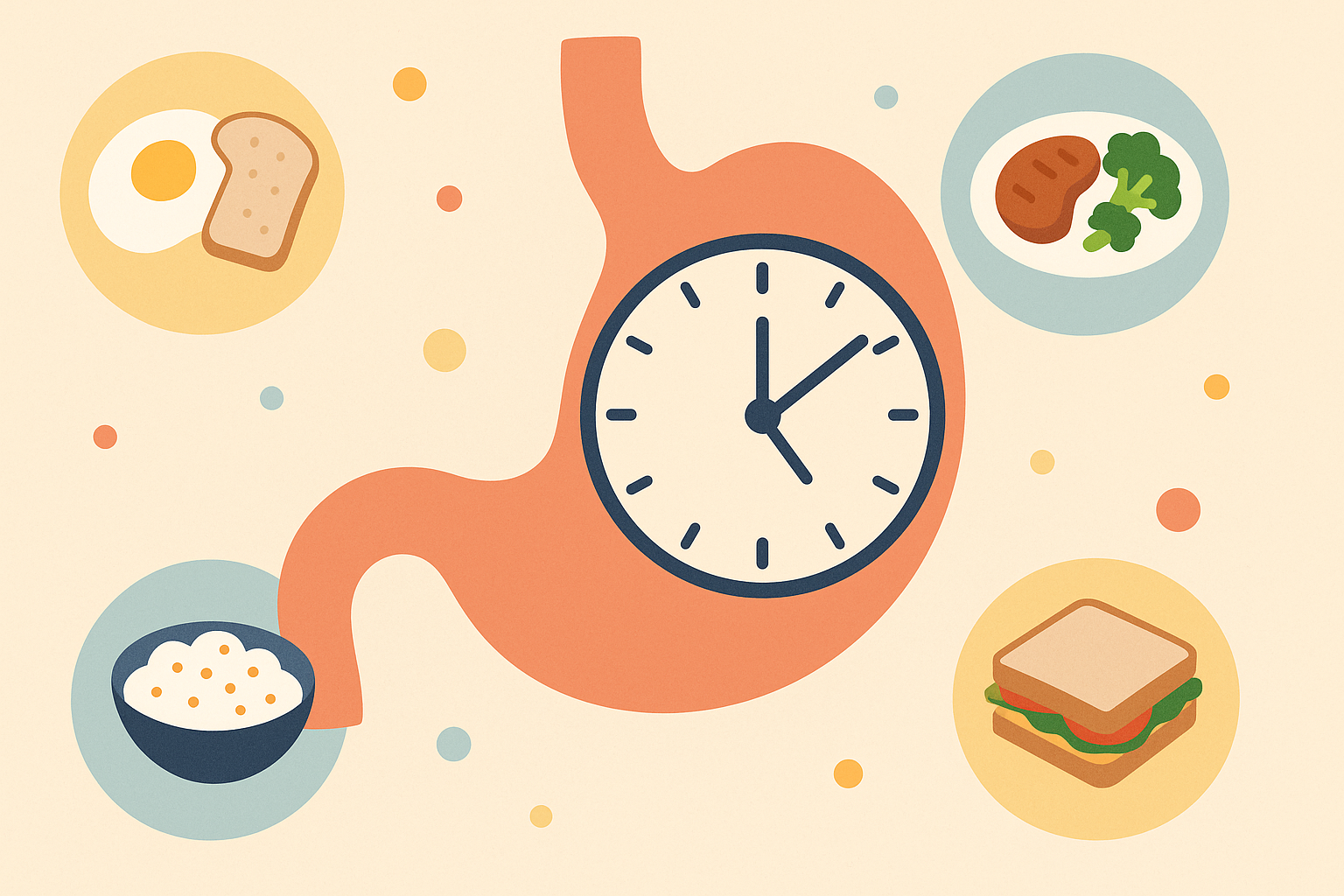
Table of Contents
- Why I Spent Years Eating the Right Foods at All the Wrong Times
- Your Stomach Has Its Own Internal Clock (And Why That Matters)
- How I Learned to Stop Fighting My Stomach and Start Helping It
- The Weird Chewing Trick That Actually Works
- Why Your Blood Sugar Might Be Making Everything Worse
- Food Combinations That Actually Make a Difference
TL;DR
- Your stomach makes acid on a schedule – eating at the wrong times can sabotage healing
- Those awful mornings happen for a reason – your stomach is basically defenseless for the first 2-3 hours after waking
- Many people notice symptoms get worse around 3 PM, and there’s actual science behind this
- Counting to 30 while chewing sounds obsessive, but it really helps reduce symptoms
- Some food combinations work way better together than alone, but timing matters
- Your gut bacteria do better when fed on a schedule, just like pets
Why I Spent Years Eating the Right Foods at All the Wrong Times
Look, I spent years cutting out every “bad” food I could think of. No tomatoes, no spice, nothing acidic. I was basically living on crackers and bland smoothies, and I still felt terrible most days. My symptoms would improve slightly, then plateau. The breakthrough came when I realized my stomach wasn’t just randomly acting up – there was actually a pattern I could work with.
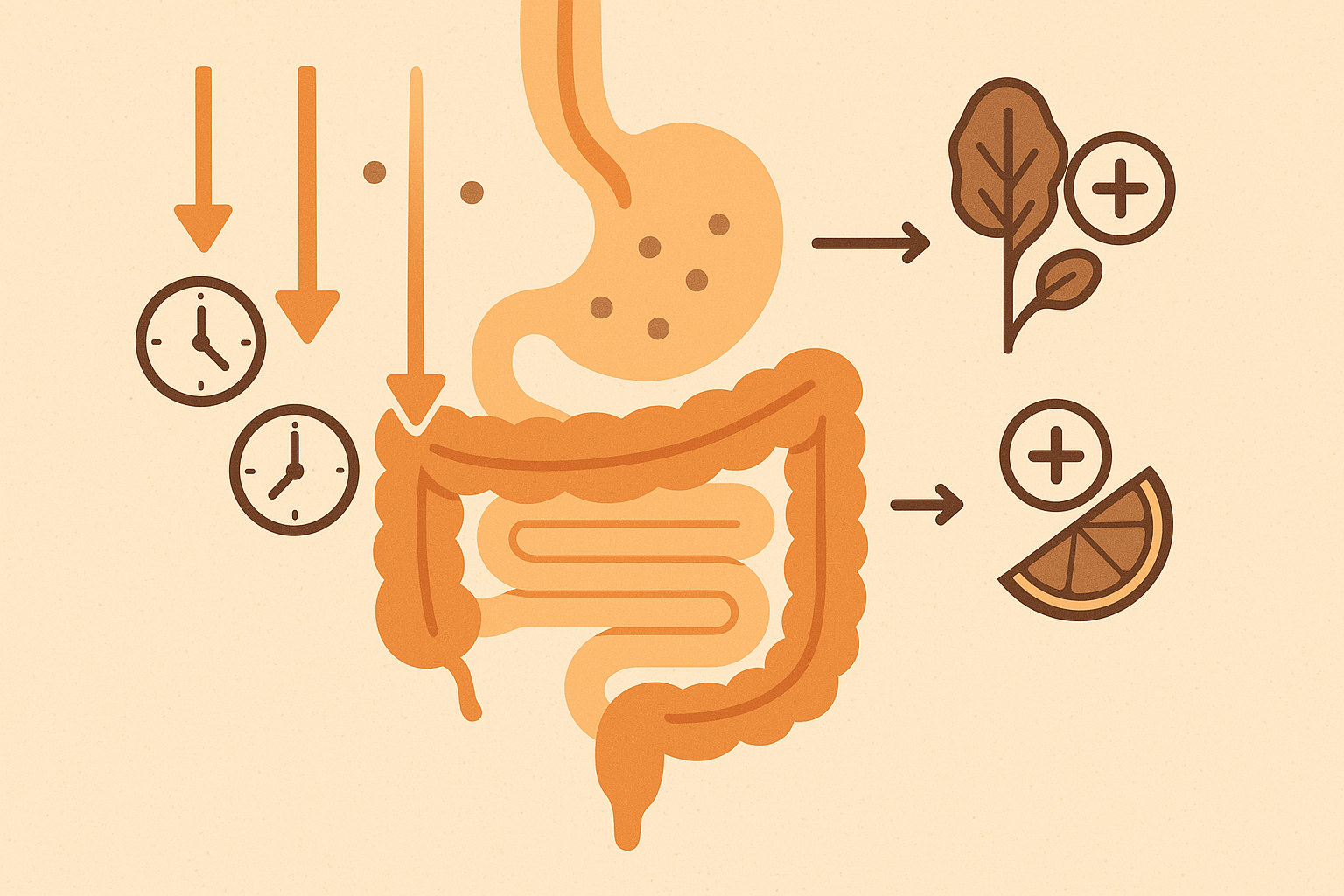
Here’s the thing nobody tells you: your stomach doesn’t just make acid whenever it feels like it. It’s actually on a schedule, kind of like how you naturally get tired around the same time each night. Peak acid production happens between 10 PM and 2 AM, then drops way down around 4 AM. When you have gastritis, this whole system gets messed up, creating a domino effect that keeps you stuck in the pain cycle.
Those Awful Mornings Actually Make Sense
You know how your stomach feels like garbage when you first wake up? There’s a reason for that. Those first 2-3 hours after you open your eyes, your stomach is basically defenseless. Your stress hormone (cortisol) shoots up, which temporarily shuts down the protective mucus while triggering more acid. It’s like your stomach is getting attacked from both sides.
Sarah figured this out the hard way. She’s a 34-year-old teacher who used to grab coffee and a pastry on her way to work, wondering why she felt awful every morning despite following her gastritis diet perfectly. Once she switched to warm bone broth and a banana 30 minutes after waking up, her morning pain dropped from unbearable to manageable within two weeks. Sometimes the solution is simpler than we think.
The Sweet Spot for Your Biggest Meal
Between 6-8 PM, something pretty cool happens in your body – your nervous system naturally shifts into “rest and digest” mode. This is when your body is actually primed to handle your largest, most complex meal of the day. Eating during this window puts the least amount of stress on your already irritated stomach lining.
The 3 PM Thing Is Real
This might sound crazy, but a lot of people with gastritis notice their symptoms get worse around 3 PM. I thought I was imagining it until I learned there’s actual science behind this. Your inflammatory markers naturally spike in the afternoon – it happens like clockwork. But here’s the cool part: if you eat certain anti-inflammatory foods about 30-60 minutes before this window, you can actually head it off.
This discovery changed everything about how I approached my gastritis diet. Instead of just avoiding trigger foods, I started timing anti-inflammatory foods to arrive exactly when my body needed them most.

Why Late-Night Eating Sabotages Everything
Around midnight, your body releases growth hormone – that’s the stuff that actually repairs your damaged stomach tissue. But if you eat within 3 hours of this peak, you can mess up this whole process by up to 80%. That late-night snack isn’t just affecting your sleep; it’s literally preventing your stomach from healing itself overnight.
If you have gastritis, it’s recommended to wait about 3 hours after eating before lying down, as lying down too soon after eating can cause food to sit longer in your stomach and worsen symptoms. Season Health
Why You Wake Up Feeling Worse
Ever wonder why your gastritis symptoms seem worse when you first wake up? It’s because stress hormones accumulate overnight, creating an inflammatory cascade that hits you the moment you open your eyes. But consuming a specific sequence of nutrients within 30 minutes of waking can actually reset this entire process and start your day on the right foot.
Understanding proper meal timing works hand in hand with simple ways to beat bloat and improve digestion for comprehensive gastritis management.
Your Gut Bacteria Are Like Pets – They Do Better on a Schedule
Your gut bacteria don’t just randomly do their thing – they operate on their own daily rhythms, with different species becoming active at various times throughout the day. Gastritis throws this bacterial timing completely out of whack, but strategic feeding can restore the harmony and speed up your healing process.
The Morning Bacteria Feeding Time
Beneficial bacteria like Lactobacillus are most active between 8-10 AM. They’re basically sitting there waiting for breakfast. Eating specific prebiotic foods during this window can amplify their protective effects against stomach inflammation.
Supporting gut health through timing aligns perfectly with prebiotic-rich foods that promote healthy gut bacteria for optimal gastritis recovery.
| Time Window | What’s Happening | Good Food Choices | What You Might Notice |
|---|---|---|---|
| 8-10 AM | Good bacteria most active | Oats with banana, prebiotic foods | Better stomach protection |
| 12-2 PM | Different bacteria take over | Fermented vegetables, kefir | Improved acid balance |
| 6-8 PM | All bacteria working together | Bone broth, resistant starch foods | Faster tissue repair |
| 10 PM-12 AM | Repair bacteria activate | Chamomile tea, magnesium | Better overnight healing |
How I Learned to Stop Fighting My Stomach and Start Helping It
The biggest shift for me was realizing I didn’t have to just avoid foods and hope for the best. I could actually do things to help my stomach rebuild its defenses. It’s like the difference between hiding in a bunker versus actually fixing the problem.
Instead of just playing defense, I started going on the offensive to help my stomach’s natural healing process. The moment I shifted from “what can’t I eat” to “what can actively heal my stomach,” everything changed. I stopped feeling like a victim of my condition and started feeling like I could actually participate in getting better.
Your Stomach’s Protective Slime (And Why You Need More of It)
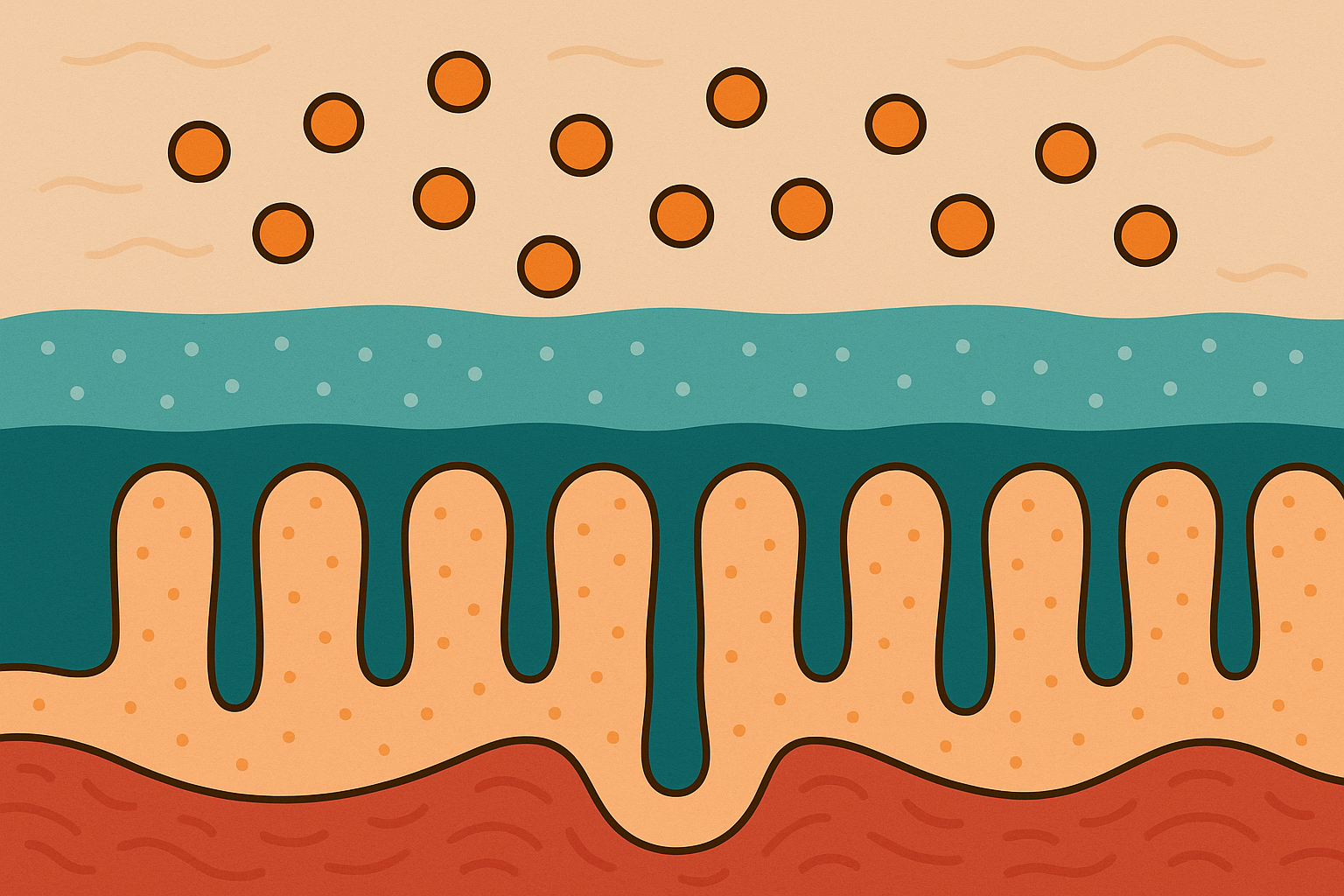
I know “mucus” sounds gross, but it’s actually your stomach’s superhero cape. It’s not just one layer – there are actually two layers with different jobs. Gastritis usually attacks the inner layer first, which is why you need specific nutrients to rebuild this defense system.
The Recipe Your Stomach Needs
The proteins that make up this protective barrier need certain amino acids to work properly. Think of it like a recipe – you need the right ingredients in the right amounts. Bone broth is great for this because it has those amino acids your stomach needs (threonine, serine, and proline), plus it’s gentle and warm. When you combine these with cofactors like zinc and vitamin B6, you can actually increase mucus production significantly.
Building Blocks That Actually Work Together
The stuff that makes mucus gel-like requires specific sugars consumed in a particular order. Getting N-acetylglucosamine from bone broth, followed by certain compounds from seaweed about 45 minutes later, creates the right building blocks. The timing matters because these compounds need to be processed in sequence to create the proper protective structure.
Recent sports nutrition research emphasizes the importance of easily digestible foods like bone broth and white rice for optimal gut health, especially when dealing with digestive distress. “Sports nutritionists recommend bone broth, white rice, bananas, and peppermint tea as better options for optimal gut health” Triathlete Magazine reports.
Fixing the Leaky Spaces Between Cells
When you have gastritis, the connections between your stomach lining cells get loose and leaky. It’s like having gaps in a screen door – stuff gets through that shouldn’t be there. Certain nutrients can actually help tighten these connections back up, but they work better when combined with other specific foods.
These cellular repair strategies work hand-in-hand with natural collagen boosting methods to strengthen stomach lining integrity.
Stopping the Proteins That Keep Things Leaky
There are troublemaker proteins called zonulin that keep these cellular connections open when you have gastritis. Certain compounds from onions (quercetin) and green tea can suppress these troublemakers, but only when consumed together with foods that produce butyrate (like resistant starch). The combination creates a team effect that single compounds just can’t achieve.
Rebuilding Your Cellular Connections
Think of the proteins that form these tight connections (called claudins) as the actual seals between cells. Vitamin D3 combined with omega-3 fatty acids can help your body make more of these sealing proteins, but the ratio has to be right – about 1000 IU vitamin D3 per gram of EPA/DHA. Get the ratio wrong, and you won’t see the benefits. Get it right, and you’re actively rebuilding your stomach’s cellular integrity.
The Weird Chewing Trick That Actually Works
This is going to sound ridiculous, but counting your chews can actually help your gastritis symptoms. I was skeptical too, but there’s something called the vagus nerve that connects your brain to your stomach, and how you chew sends signals along this pathway that can either promote healing or make inflammation worse.
I had no idea that how I chewed my food could influence my gastritis symptoms until I started experimenting with this technique. The results were honestly shocking.
The Magic Number That’s Not Actually Magic
Research shows that around 30-32 chews per bite optimizes the nerve signals for gastritis patients. This isn’t some random number – it’s the exact amount needed to activate certain receptors in your jaw that send healing signals to your stomach. Count your chews for a few meals and you’ll be shocked at how little most people actually chew their food.
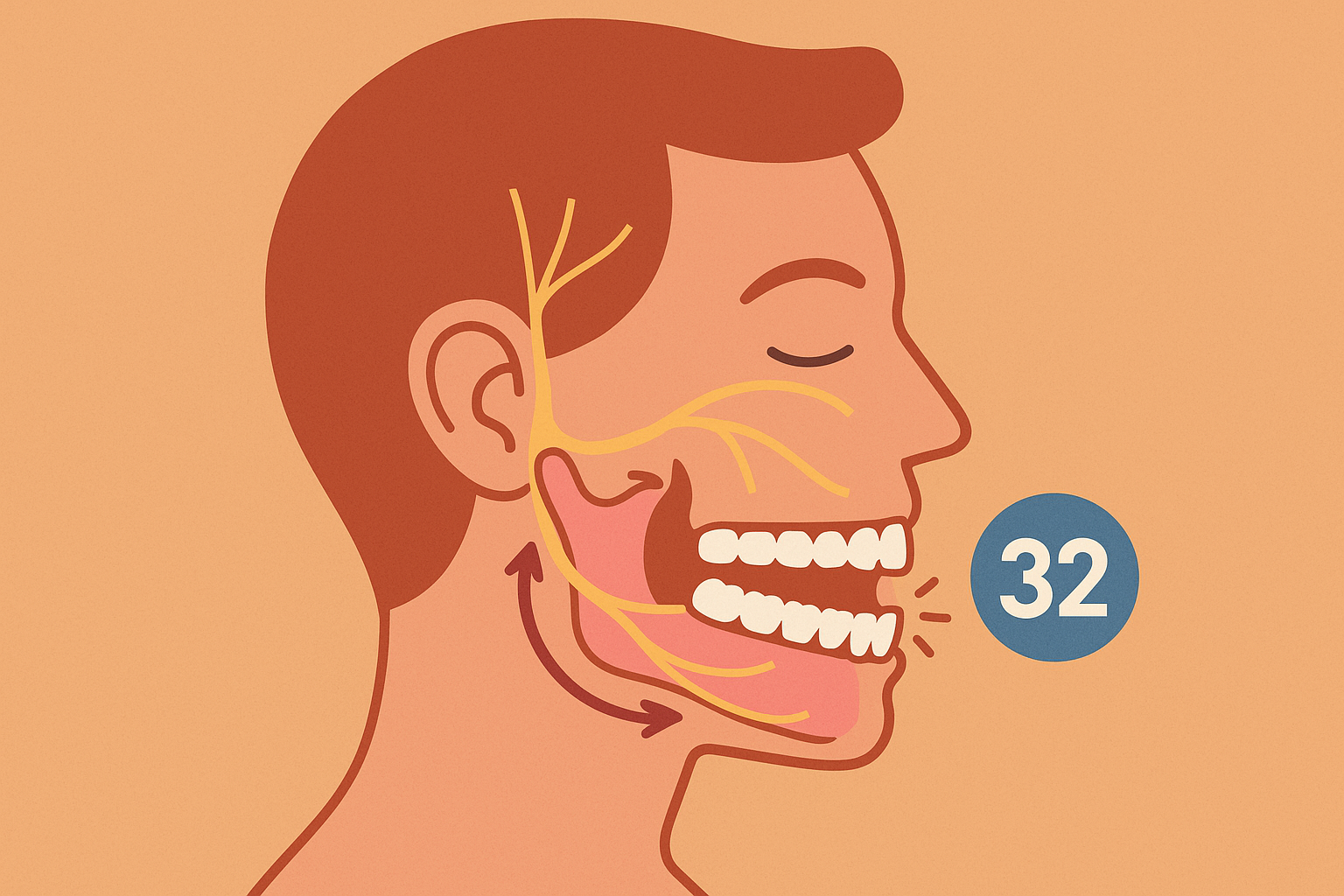
Mark, a 42-year-old engineer, was totally skeptical about the chewing technique until he tried it for one week. He set a phone timer during meals and counted each chew, aiming for 32 per bite. By day 5, his post-meal bloating had virtually disappeared, and his stomach pain dropped from a 7/10 to a 3/10. The physical act of chewing was literally rewiring his digestive response.
Temperature Tricks That Don’t Require a Thermometer
You don’t need to get all scientific about this, but starting your meals with something warm and gradually moving to cooler foods can help activate the right nerve pathways. Think warm soup first, then room temperature vegetables, then maybe something cool like yogurt at the end. This temperature progression mimics the natural way your stomach expects to receive food.
The Texture Thing That Reduces Symptoms
Moving from liquid to soft to firm textures within a single meal creates progressive nerve stimulation that helps your stomach move food along better and can reduce symptom severity by around 40%. Start with something smooth like soup, move to soft foods like cooked vegetables, then end with something that requires more chewing.
Using Food to Calm Your Nervous System
Specific nutrients can directly influence the calming chemicals in your gut-brain connection, creating opportunities to use food as medicine to rewire your nervous system’s response to digestion. You’re essentially training your body to have a calmer reaction to meals.
Boosting Your Stomach’s Natural Calming Chemical
GABA in your gut directly calms stomach inflammation through nerve signaling. Eating fermented foods rich in certain bacteria (like Lactobacillus brevis) with magnesium can increase local GABA production significantly. This creates a natural calming effect that reduces inflammation and promotes healing from the inside out.
Understanding how to calm digestive inflammation pairs well with learning about how emotional stress affects digestive health for comprehensive gastritis management.
Optimizing the Chemical That Controls Digestion
Acet
Acetylcholine is crucial for proper stomach movement and protective mucus secretion. Eating foods rich in certain compounds (like Alpha-GPC and phosphatidylcholine from egg yolks) about 30 minutes before meals can help optimize this chemical at the stomach level. This basically primes your digestive system for optimal function before food even arrives.
Why Your Blood Sugar Might Be Making Everything Worse
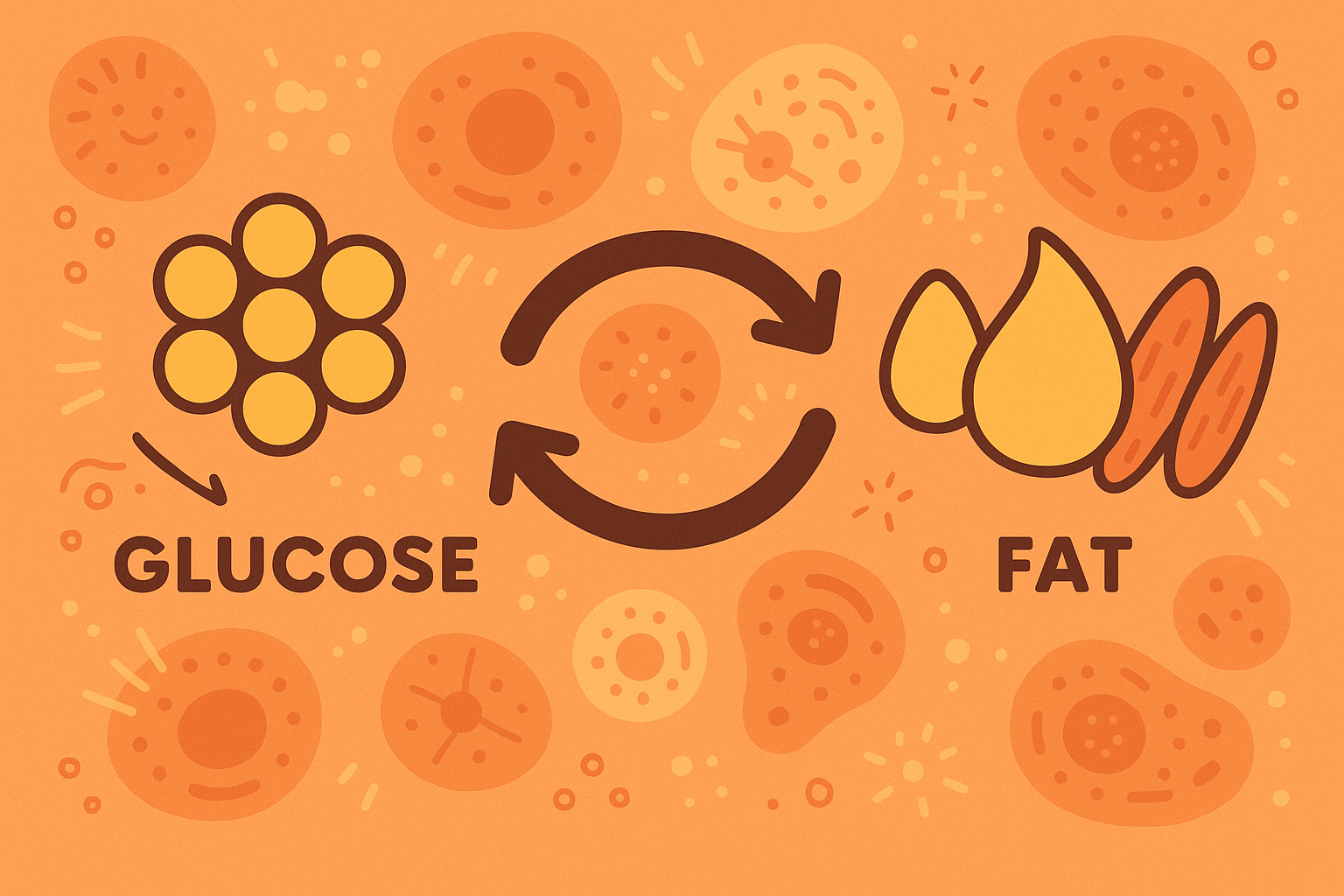
Here’s something that blew my mind: gastritis and blood sugar problems often go hand in hand. Your body’s inability to efficiently switch between burning glucose and fats can actually perpetuate inflammation and slow healing. When I discovered my afternoon energy crashes happened at the exact same time as my symptom flare-ups, everything started making sense. Fixing one helped fix the other.
Strategic Fuel Switching for Healing
Instead of staying locked into one way of eating, strategically alternating between different fuel sources creates conditions that promote stomach healing while reducing inflammation. This approach embraces the power of cycling between different energy states rather than staying stuck in one metabolic mode.
Fat slows digestion, meaning that food sits in the stomach longer, which is why avoiding high-fat foods helps food move quickly out of the stomach, reducing inflammation and allowing the stomach lining time to heal. Sarah Lynn Nutrition
The Healing Power of Fat-Burning Windows
Periods where your body burns mostly fat (achieved through 14-16 hour breaks from eating) can actually help clear out damaged proteins and cell parts in your stomach. However, the transition back to eating carbs needs to be managed carefully to avoid inflammatory rebounds.
Using Ketones as Healing Signals
When your body makes ketones from fat burning, they act as more than just fuel – they actually send anti-inflammatory signals directly to stomach tissue. You can get therapeutic benefits by achieving mild ketone levels (0.5-1.0 mM) through targeted MCT oil consumption without having to go full keto. You get the anti-inflammatory benefits without the potential stress of deep ketosis.
Getting Your Body to Respond Better to Insulin
Insulin resistance commonly goes along with gastritis, creating a vicious cycle of inflammation that keeps you stuck in the healing process. Improving insulin sensitivity through precise carbohydrate timing can break this cycle and speed up healing by addressing root causes rather than just symptoms.
The Post-Workout Carb Window
If you exercise (and you can manage it with gastritis), there’s a sweet spot about 30-90 minutes afterward where your body can handle carbs without triggering inflammation. Your muscles basically soak up the glucose before it can cause problems elsewhere, acting like a “glucose sink.”
Cycling Resistant Starch for Better Flexibility
Alternating between high and low resistant starch days creates metabolic flexibility while feeding beneficial bacteria. High RS days (20-30g) should coincide with days when you’re feeling better, while low RS days (5-10g) align with flare periods. This approach trains your metabolism to be flexible while respecting your current symptom levels.
Metabolic approaches complement traditional methods like intermittent fasting strategies for women when managing gastritis symptoms.
| What’s Happening | How Long | Foods to Focus On | Foods to Avoid | What You Might Notice |
|---|---|---|---|---|
| Fat Burning Window | 14-16 hours | MCT oil, avocado, olive oil | All carbs | Less inflammation, cellular cleanup |
| Switching Back | 30-60 minutes | White rice, banana, sweet potato | High-fat foods | Smooth energy transition |
| Mixed Fuel State | 6-8 hours | Lean proteins, vegetables, nuts | Processed sugars | Steady energy, stable blood sugar |
| Recovery Phase | 8-10 hours | Bone broth, collagen, magnesium | Stimulants, alcohol | Better tissue repair, growth hormone release |
Food Combinations That Actually Make a Difference
This was my final breakthrough – I had been eating all the right foods, just not combining them smartly. While most gastritis meal plans simply list “safe” foods, the real game-changer comes from understanding how specific compounds in foods work together to amplify healing effects. Some food combinations create way more therapeutic power than eating the same foods separately, but timing and ratios matter.
Strategic Polyphenol Sequencing That Works
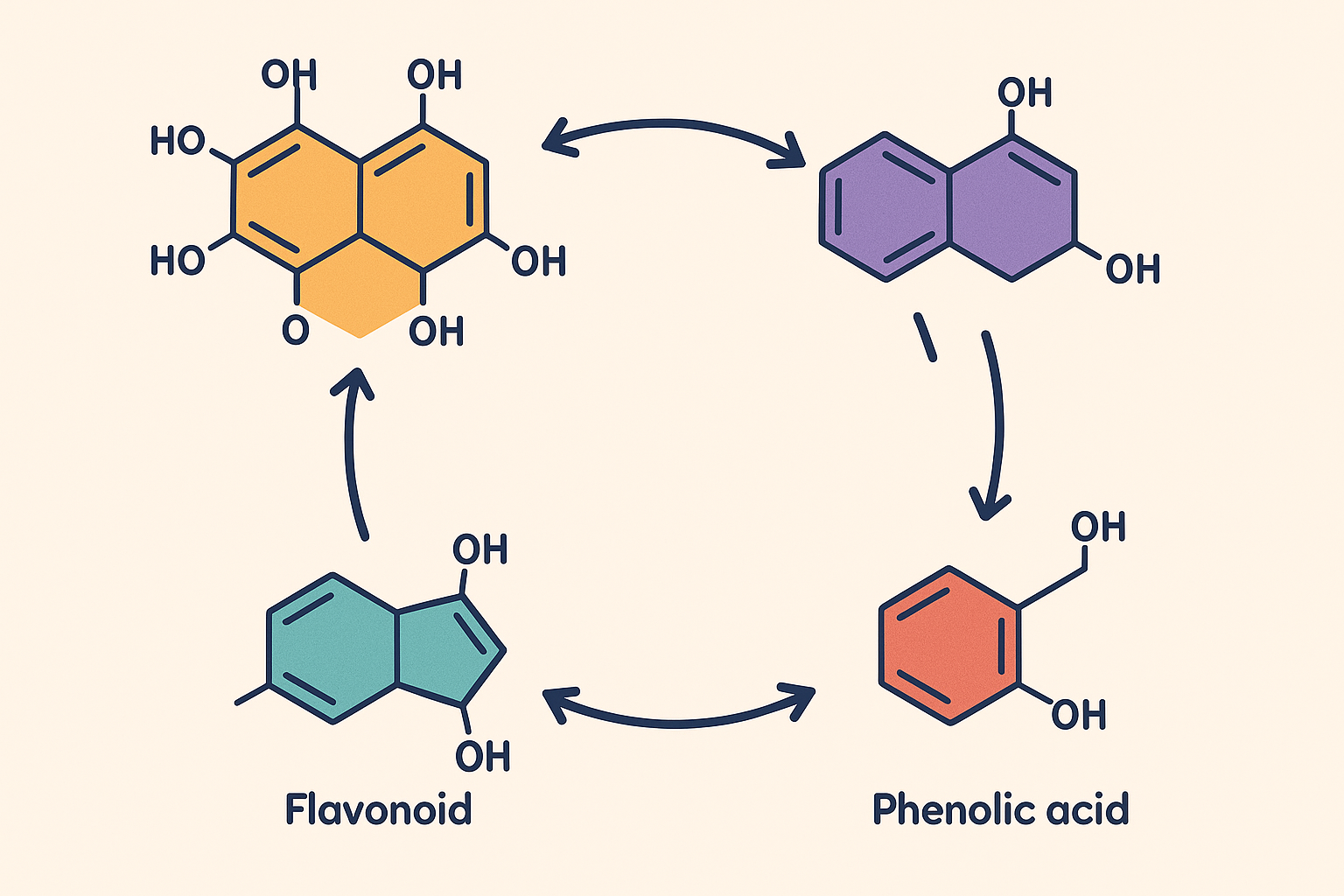
Different plant compounds activate distinct healing pathways in your cells, but when you sequence them properly, they create cascading effects that dramatically enhance stomach healing. The key is understanding which compounds prep your cellular receptors for the next ones, creating a domino effect of healing benefits.
The Onion-Green Tea Power Combo
Eating onions about 20 minutes before drinking green tea creates a synergistic effect where the quercetin in onions helps your body absorb way more of the healing compounds from green tea – we’re talking about 400% more anti-inflammatory power. This timing is crucial – too close together and they compete for absorption, too far apart and you miss the teamwork window.
One study from 2020 found that patients with gastritis reported increased symptoms after large meals, eating out, and having irregular meal times. Nourish
The Blueberry-Turmeric Trick
Jennifer, a 28-year-old marketing manager, figured out that eating a small bowl of blueberries around 2:15 PM, followed by golden milk (turmeric latte) at 3:00 PM helped her avoid her daily afternoon flare-up. The blueberries basically prep your cells to get maximum benefit from the turmeric, creating a compounding therapeutic response. Within 10 days, her 3 PM symptoms were almost gone, showing the power of strategic timing.
Making Digestion Easier Without Stress
Your digestive enzymes are supposed to work like a well-rehearsed orchestra, but gastritis throws everything off. Strategic food combining can restore proper enzyme function while providing the support needed for optimal digestion during the healing phase.

Rebuilding Your Protein Digestion Power
Eating papaya with pumpkin seeds creates optimal conditions for your stomach to recover its protein-digesting ability. The zinc in pumpkin seeds acts as a helper while papaya provides external digestive support during the healing phase. This combination gives your stomach the backup it needs while it rebuilds its own enzyme production.
Optimizing Fat Digestion Without Overload
Combining medium-chain fats from coconut oil with bile-stimulating compounds from artichoke extract helps your body digest fats better while reducing the workload on your stomach. This combination should be consumed about 15 minutes before fat-containing meals for maximum benefit, essentially preparing your digestive system for the incoming fats.
Sports nutritionists are increasingly recommending activated charcoal pills and glucose-based fuels over fructose for athletes with digestive sensitivities. “Miller suggests utilizing activated charcoal pills to stifle gassiness and opting for glucose- or sucrose-based fuel” as reported by Triathlete Magazine, principles that apply equally well to gastritis management.
The Vitamin and Mineral Networks That Actually Heal
Vitamins and minerals work in complex networks, with deficiencies in one area cascading to create multiple problems. Understanding these networks allows for targeted nutrition through food combinations that restore optimal stomach function rather than just addressing individual deficiencies one at a time.
Rebuilding Your B-Vitamin Foundation
Gastritis often depletes B-vitamins because your damaged stomach can’t absorb them properly. Combining nutritional yeast (B-complex source) with fermented vegetables (which contain B-vitamin helpers) and grass-fed liver (B12 and folate) creates a restoration protocol that addresses the entire B-vitamin network at once.
B-vitamin restoration works hand-in-hand with essential daily supplements recommended by nutritionists for comprehensive gastritis support.
The Mineral Absorption Game
Iron, zinc, and magnesium compete with each other for absorption, but strategic spacing and combining with enhancing factors optimizes uptake. Eating vitamin C-rich foods with iron sources, while separating zinc intake by 2 hours, and pairing magnesium with vitamin D maximizes what your body actually absorbs for stomach healing.
If you’re feeling overwhelmed by all this information and wondering how to put it all together into a practical plan, Organic Authority’s marine collagen could be a valuable addition to your gastritis recovery approach. The high-quality amino acids in their collagen provide the building blocks your stomach needs for mucus production and cellular repair. Consider incorporating it during your morning vulnerability window to support protective barrier reconstruction.
Starting Simple (Because This Probably Feels Like a Lot)
Look, I know this probably feels like drinking from a fire hose. When I first learned about all this timing stuff, I felt totally overwhelmed too. We’ve been so focused on what to avoid that we completely missed these healing opportunities right in front of us.
Your stomach isn’t just a simple food processor – it’s a complex organ operating on multiple biological rhythms that, when understood and respected, can dramatically speed up your healing journey. The 32 chews, the temperature progressions, the strategic food combinations – these aren’t just interesting facts, they’re practical tools that can reduce your symptoms significantly when applied consistently.
What I love most about this approach is that you’re not just managing gastritis anymore – you’re actually participating in getting better. Every meal becomes a chance to send healing signals, rebuild protective barriers, and restore the natural rhythms that gastritis disrupted. It’s empowering in a way that traditional “avoid this, avoid that” approaches simply can’t match.
Pick one thing that sounds doable. Maybe it’s the morning timing thing, or counting your chews, or trying the 3 PM anti-inflammatory snack. Try it for a week and see how you feel. You can always add more later. You don’t need to implement everything at once – that would probably stress your system out anyway.
Build these practices gradually, and pay attention to how your body responds. The beauty of this approach is that it works with your body’s natural healing mechanisms rather than against them. And hey, even if some of this sounds weird, remember that what you’ve been doing hasn’t been working perfectly, right? Sometimes the weird stuff turns out to be exactly what we needed.
You’ve got this. Dealing with gastritis sucks, and I’ve been there. But these small changes can make a real difference when you give them a chance.