
GAPS Diet Meal Plan: The Hidden Secrets That Actually Make It Work (And Why Most People Fail)


Let’s be honest – starting the GAPS diet can feel overwhelming. You’re probably here because you’re dealing with digestive issues, maybe some brain fog, or other health problems that just won’t quit. I get it. I’ve been there, and I’ve helped hundreds of people navigate this journey. The good news? The GAPS diet can be life-changing. The challenging news? Most people make it way harder than it needs to be.
Your gut is home to trillions of tiny organisms that have a massive influence on how you feel every single day. Understanding how to help these gut bugs heal through the GAPS diet can transform your experience from a restrictive, confusing protocol into a personalized roadmap that actually makes sense for your life.
Table of Contents
- Understanding What’s Happening in Your Gut (And Why It Feels So Hard)
- Getting the Most from Your Food (Without Going Crazy)
- Dealing with Detox Symptoms (So You Don’t Want to Quit)
- Making GAPS Work in the Real World (Without Becoming a Social Hermit)
TL;DR
- Your gut bugs start changing within 3 days of eating differently – knowing your starting point helps you understand what’s normal vs. what’s healing
- The standard GAPS approach doesn’t account for your unique body – your genes, stress levels, and even the season all matter
- How you combine foods can either supercharge your healing or block it entirely – it’s not just about what you eat
- Feeling awful at first doesn’t mean you’re doing it wrong – detox symptoms follow predictable patterns when you know what to expect
- Most people quit GAPS because of social pressure and family drama, not food cravings – having a plan for real-life situations is crucial
Understanding What’s Happening in Your Gut (And Why It Feels So Hard)
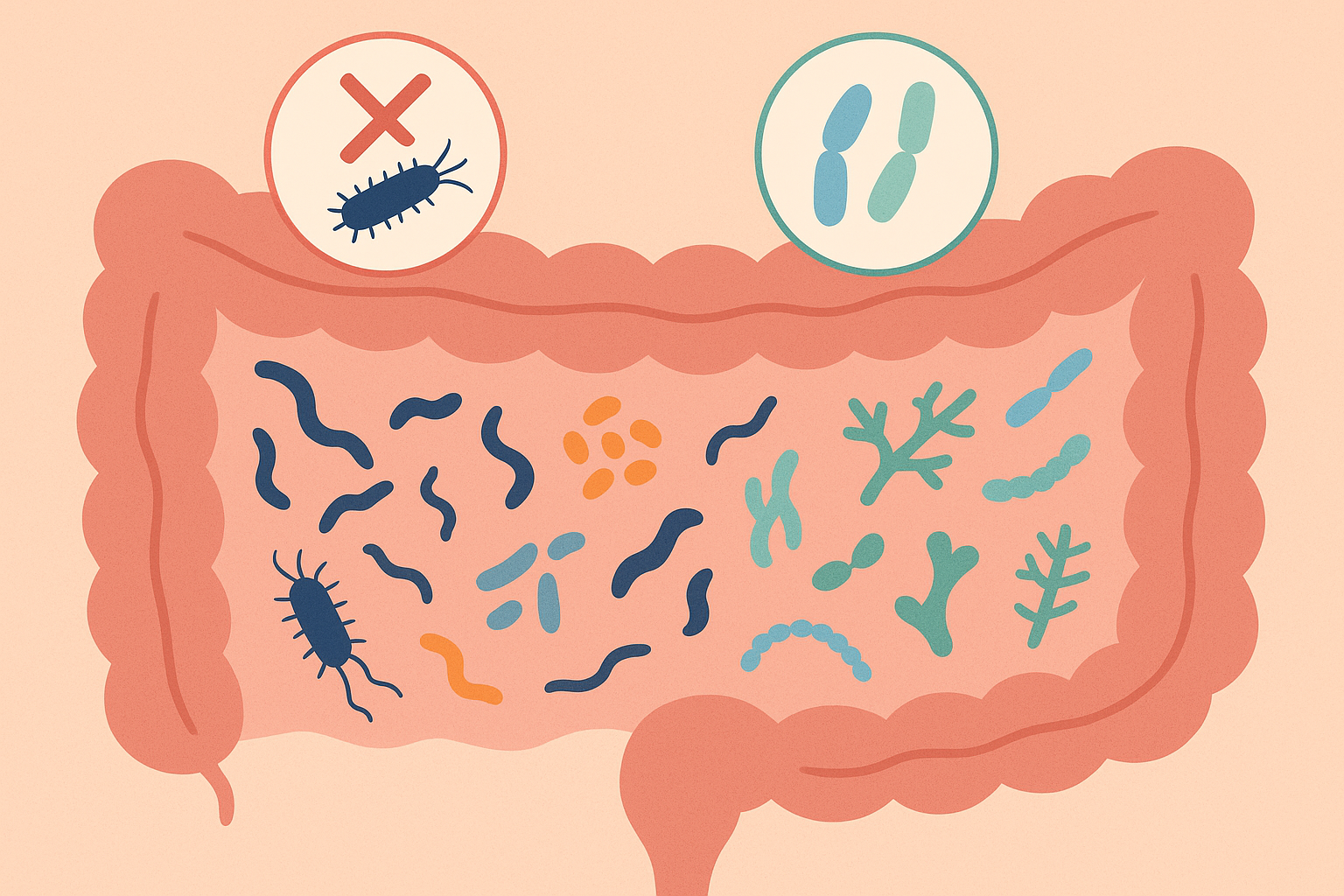
Here’s the thing about the GAPS diet – it’s not just about cutting out foods. You’re actually helping shift the balance in your gut from bad bacteria running the show to good bacteria taking charge. This process creates temporary chaos that can feel worse before it feels better, and most people don’t realize this is actually a sign things are working.
I’ve seen countless people abandon their healing journey because they didn’t understand that their intense fatigue and brain fog meant the bad bugs were dying off faster than their body could handle. When you know what’s happening in your gut, you can navigate these rough patches with confidence instead of panic.
The GAPS diet works by starving the troublemaker bacteria while feeding the good guys, but this creates a temporary imbalance. Think of it like renovating your house – it gets messier before it gets better, but the end result is worth it.
Getting to Know Your Gut Before You Start
Most people dive into the GAPS diet without understanding what they’re starting with, which leads to unnecessary suffering and confusion. Here’s something cool – your gut bugs start changing within just 3 days of eating differently. That means documenting where you’re starting from becomes your roadmap for understanding what’s normal for your body versus what indicates healing or problems.
Your symptoms tell a story about what’s living in your gut. Do you crave sugar like your life depends on it? That’s likely candida yelling for its favorite fuel. Experience brain fog that mysteriously lifts after you have a bowel movement? You’re probably dealing with bacterial toxins crossing into your brain.
I know tracking symptoms sounds tedious, but this information becomes gold when you’re three weeks in and wondering if that afternoon energy crash is normal or concerning.
The 3-Day Gut Check-In
Your gut bacteria composition changes dramatically within 72 hours of dietary shifts. Document your baseline symptoms, energy patterns, and digestive responses during this critical window to create your personalized the GAPS diet roadmap.
Don’t worry – you don’t need to track everything perfectly. Pick 2-3 things that seem most relevant to your situation and focus on those.
| What to Track | How Often | Why This Matters | Keep It Simple |
|---|---|---|---|
| Energy Levels | Morning and afternoon | Shows blood sugar and stress patterns | Rate 1-10, note time of day |
| Bowel Movements | Each time | Direct window into gut health | Just note consistency and timing |
| Brain Fog | When you notice it | Shows toxin levels and inflammation | Rate severity, note triggers |
| Food Cravings | When they hit | Reveals which bugs are dominant | Note what you’re craving and when |
| Sleep Quality | Each morning | Affects everything else | Just rate how rested you feel |
Sarah documented her baseline for 3 days and discovered her energy crashed every day at 2 PM (blood sugar roller coaster), she craved chocolate after stressful work calls (stress eating pattern), and her brain fog was worst in the mornings (liver working overtime). This helped her realize she needed to start with blood sugar stability and liver support before diving into the full protocol.
Reading Your Body’s Clues
Your body gives you hints about what’s living in your gut, and learning to read these clues helps you customize your approach. Sugar cravings that feel almost desperate? Candida is likely calling the shots. Bloating after eating fruit? You might have SIBO (small intestinal bacterial overgrowth). Skin issues that flare with stress? Your gut-skin connection is compromised by inflammatory bacteria.
I remember when I first learned that my afternoon chocolate cravings weren’t a lack of willpower – they were candida screaming for sugar. It was actually liberating to realize I wasn’t broken, just dealing with some rowdy gut bugs that needed eviction.
Why the Standard Approach Doesn’t Work for Everyone
The traditional GAPS reintroduction sequence assumes everyone’s body works the same way, but that’s just not true. Your body’s ability to make digestive enzymes follows daily patterns and stress cycles. Your genes affect how you process the GAPS diet foods. Even the season impacts what your body needs.
I’ve watched people struggle for months with the standard protocol when a simple understanding of their unique needs would have made all the difference from day one. The good news? Once you understand your body’s quirks, GAPS becomes so much more manageable.
Working with Your Body’s Natural Rhythms
Your body’s digestive fire is strongest from about 10 AM to 2 PM – this is when your stomach acid production peaks and your digestive enzymes are most active. Timing food reintroductions during this window dramatically improves your success rate and reduces reactions.
The GAPS diet works best when you work with your body instead of against it. I learned this the hard way when I tried introducing eggs on a stressful Monday morning at 7 AM and had a terrible reaction. The same eggs introduced on a relaxed Saturday at noon were perfectly fine.
A 2016 study found that a gluten-free diet was effective in controlling autism behaviors and gastrointestinal symptoms in 80 children, demonstrating how strategic food elimination can impact both neurological and digestive health. Dr. Axe reports that this targeted approach to food reintroduction aligns with the GAPS diet’s emphasis on individualized timing and systematic progression.
Your Genes Matter More Than You Think
Genetic variations like MTHFR mutations and histamine intolerance significantly impact how your body handles the GAPS diet foods. If you have MTHFR mutations, you might struggle with detoxification and need to go slower. Histamine intolerance means fermented foods – usually healing superstars – might make you feel worse initially.
This isn’t about getting fancy genetic testing (though that can help). It’s about paying attention to patterns. Do fermented foods make you feel jittery or give you headaches? You might have histamine issues. Do you feel terrible when detoxing? Your methylation pathways might need extra support.
Seasonal Eating Makes Everything Easier
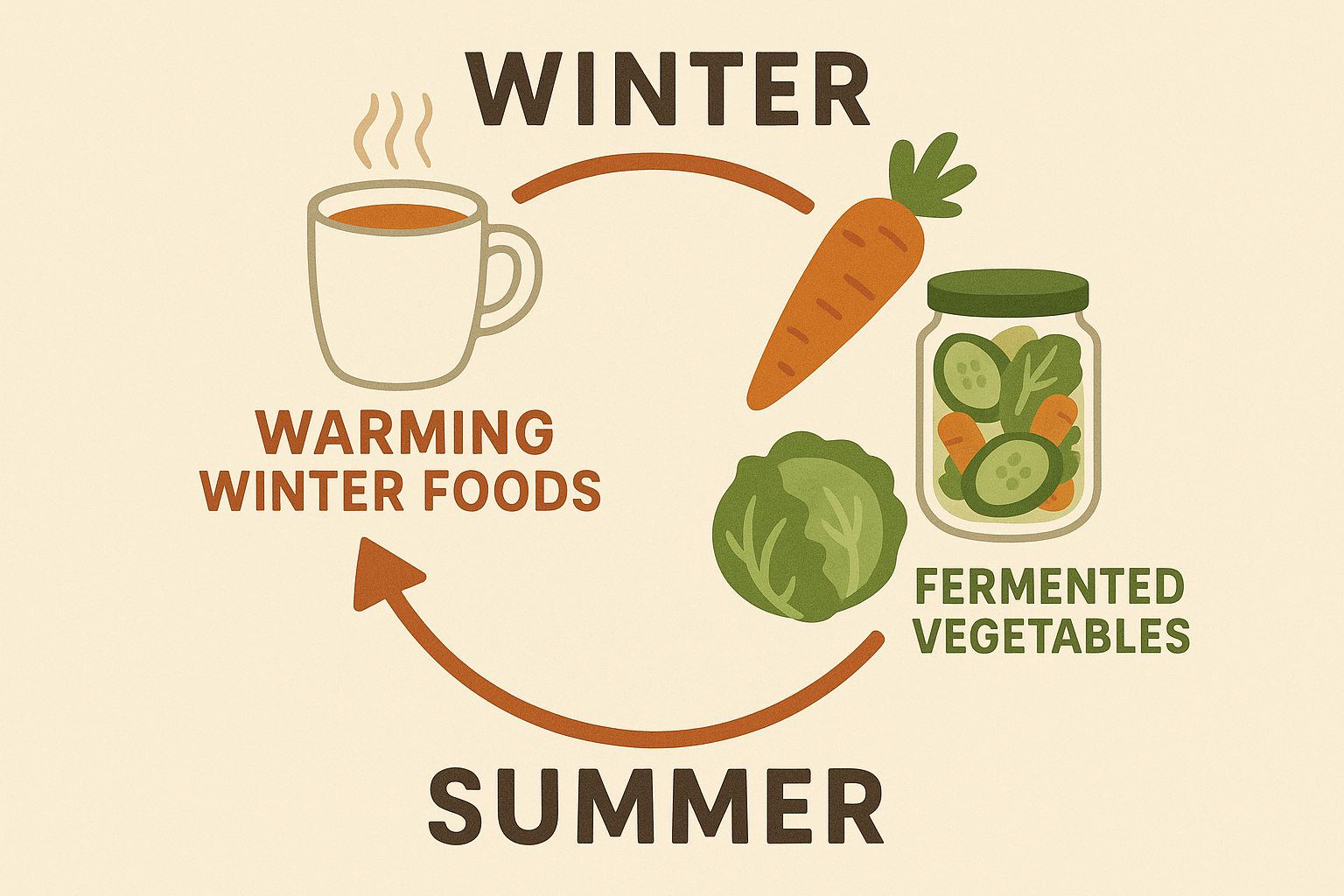
Your gut bacteria naturally change with the seasons, and fighting this makes GAPS feel unnecessarily restrictive. Think about how your appetite changes – you naturally crave heartier foods in winter and lighter fare in summer. Your gut bugs have seasonal preferences too.
Working with these natural cycles makes the healing process feel more intuitive and sustainable. I used to force myself to eat the same heavy bone broth meals in July that I craved in January, and it felt awful. Once I learned to adapt my approach seasonally, everything flowed better.
Winter: Time to Go Deep
Cold weather naturally increases your digestive fire – your body needs more fuel to stay warm, and your stomach acid production increases to handle heartier foods. This is the perfect time to tackle those challenging organ meats you’ve been avoiding or to increase your bone broth intake.
Winter modifications include drinking more warming bone broth, adding warming spices like ginger and cinnamon to everything, incorporating more organ meats for vitamin D support, and cooking foods longer for better digestibility. Your body can handle more during this season, so don’t be afraid to go deeper with the healing foods.
Summer: Keep It Light
Summer heat naturally dampens your digestive fire, making raw foods more appealing and easier to digest. Fighting this by forcing heavy winter meals in July makes GAPS feel like torture. Instead, work with your body’s natural cooling desires.
Summer adaptations include shifting to cold-pressed vegetable juices in the morning, eating more raw fermented vegetables, using less cooking fat while increasing coconut oil, and timing heavier meals earlier in the day when it’s cooler. You’ll still be healing, just in a way that feels good for the season.
Getting the Most from Your Food (Without Going Crazy)
Here’s what most GAPS resources don’t tell you – it’s not just about what you eat, it’s about how well your body can actually use those nutrients. You can eat all the “right” foods and still feel terrible if you’re not absorbing them properly. I’ve seen people eating liver twice a week but still dealing with fatigue because they weren’t getting the iron from it.
The good news? Small changes in how you prepare and combine foods can dramatically improve how much nutrition you actually absorb. You don’t need to become a food scientist, but understanding a few key principles makes a huge difference.
Recent research on low-carb diets demonstrates that well-designed meal plans can provide complete nutrition while restricting carbohydrates, exceeding recommendations for important nutrients like vitamins A, C, D, and B-vitamins when properly planned. StudyFinds reports that these findings challenge the common belief that restrictive diets are inherently nutritionally deficient, supporting the principle that strategic food selection in GAPS can meet all nutritional needs.
For those seeking comprehensive digestive support beyond GAPS, understanding 5 simple ways to beat bloat and improve digestion can provide additional strategies to complement your healing protocol.
The Food Combining Game-Changer
Here’s something that blew my mind when I first learned it – certain food combinations can increase mineral absorption by up to 400%, while others can block it almost entirely. It’s not just about eating nutrient-dense foods; it’s about eating them in ways that help your body actually use them.
Minerals are the building blocks for all the enzymes your gut needs to heal, but most the GAPS diet followers unknowingly eat foods in combinations that block mineral absorption. The good news? Once you understand the basic rules, it becomes second nature.
Studies show that consuming refined carbohydrates is associated with a greater risk of developing diabetes, while the GAPS diet’s elimination of these foods helps maintain normal blood sugar levels. Dr. Axe notes that moderating carbohydrate intake can have a significant impact on blood sugar control, particularly beneficial for those with type 2 diabetes.
Smart Food Pairing That Actually Works
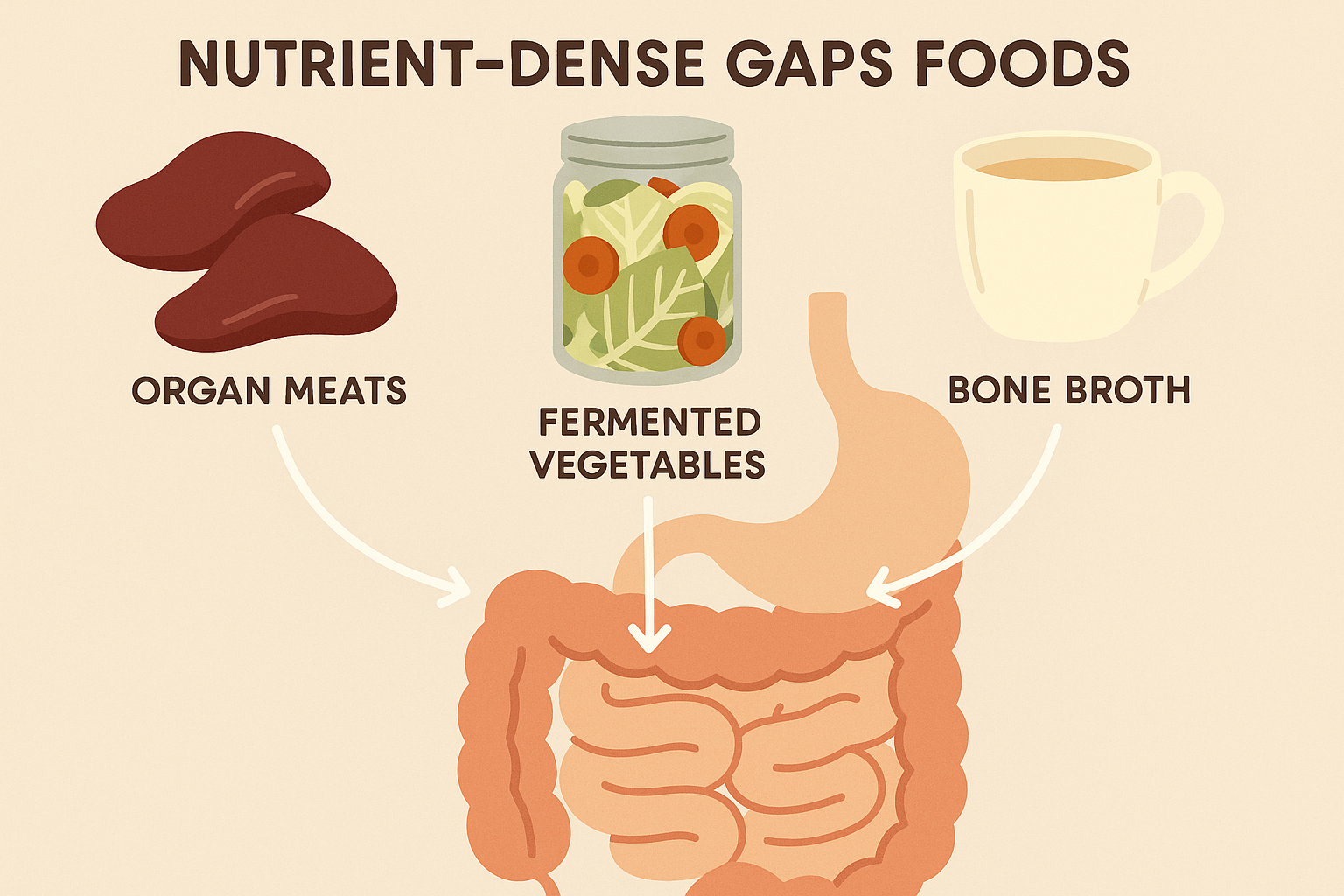
The mineral absorption game is all about timing and combinations. Iron and calcium compete for the same absorption pathways, so drinking bone broth (high calcium) with your liver dinner actually blocks iron absorption. But add some fermented vegetables to that liver, and the vitamin C enhances iron absorption dramatically.
Here are the combinations that make the biggest difference:
- Pair iron-rich organ meats with vitamin C-rich sauerkraut
- Drink bone broth 2 hours away from zinc-rich foods
- Add fermented vegetables to any meal with meat for better mineral absorption
- Time magnesium-rich foods away from fiber-heavy vegetables
Maria was eating liver twice weekly but still felt fatigued and had brittle nails. When she learned she was drinking bone broth with every zinc-rich meal (blocking zinc absorption by up to 50%), she made one simple change – separating her bone broth by 2 hours and adding sauerkraut to her liver dishes. Her energy improved within 3 weeks.
Making Nuts and Seeds Work for You
Even GAPS diet food list-approved nuts and seeds contain compounds that can block mineral absorption, but proper preparation transforms them from nutrient blockers to nutrient enhancers. This is where that soaking everyone talks about actually matters.
Phytic acid is nature’s way of protecting seeds until they’re ready to sprout, but it binds to minerals in your digestive tract and carries them out of your body. Soaking mimics the natural sprouting process and neutralizes these troublemakers.
| Food Type | Soaking Time | Simple Prep Method | Why It’s Worth It |
|---|---|---|---|
| Almonds | 12-24 hours12-24 hours | Soak in salt water, dry in oven | Triples magnesium absorption |
| Walnuts | 8-12 hours | Soak in salt water, light roast | Reduces phytic acid by 75% |
| Sunflower Seeds | 6-8 hours | Soak, then sprout 2 days | More than doubles zinc availability |
| Pumpkin Seeds | 8-10 hours | Soak in salt water, dehydrate | Nearly doubles iron absorption |
| Cashews | 4-6 hours | Light soaking, ferment for “cheese” | Doubles copper absorption |
Don’t worry – you don’t have to soak everything perfectly. Start with the nuts and seeds you eat most often and gradually work your way up. Even imperfect soaking is better than no soaking.
Cooking Methods That Preserve the Good Stuff
How you prepare your GAPS diet food is just as important as which foods you choose. Heat destroys many of the delicate compounds that make GAPS foods so healing. Enzymes start breaking down at temperatures above 118°F, and many vitamins become less available with high-heat cooking.
This doesn’t mean you need to eat everything raw – your gut might not be ready for that anyway. It’s about understanding how different cooking methods affect nutrient content so you can make better choices.

Gentle Cooking That Keeps the Healing Power
Gentle cooking methods take longer but preserve the nutrients your gut needs for healing. Steaming vegetables until they’re just tender-crisp maintains their enzyme content while making them easier to digest than raw vegetables.
Here’s what works best:
- Keep vegetable cooking temperatures below 180°F when possible
- Steam vegetables for no more than 3-5 minutes
- Use your slow cooker for meats – low and slow preserves more nutrients
- Dehydrate vegetables at 115°F instead of high-heat roasting
- Sauté quickly at medium heat rather than high heat
I used to blast my vegetables at high heat because I was impatient, then wondered why I felt tired after meals. Switching to gentler cooking methods made a noticeable difference in how I felt after eating.
Fermentation Timing That Actually Works
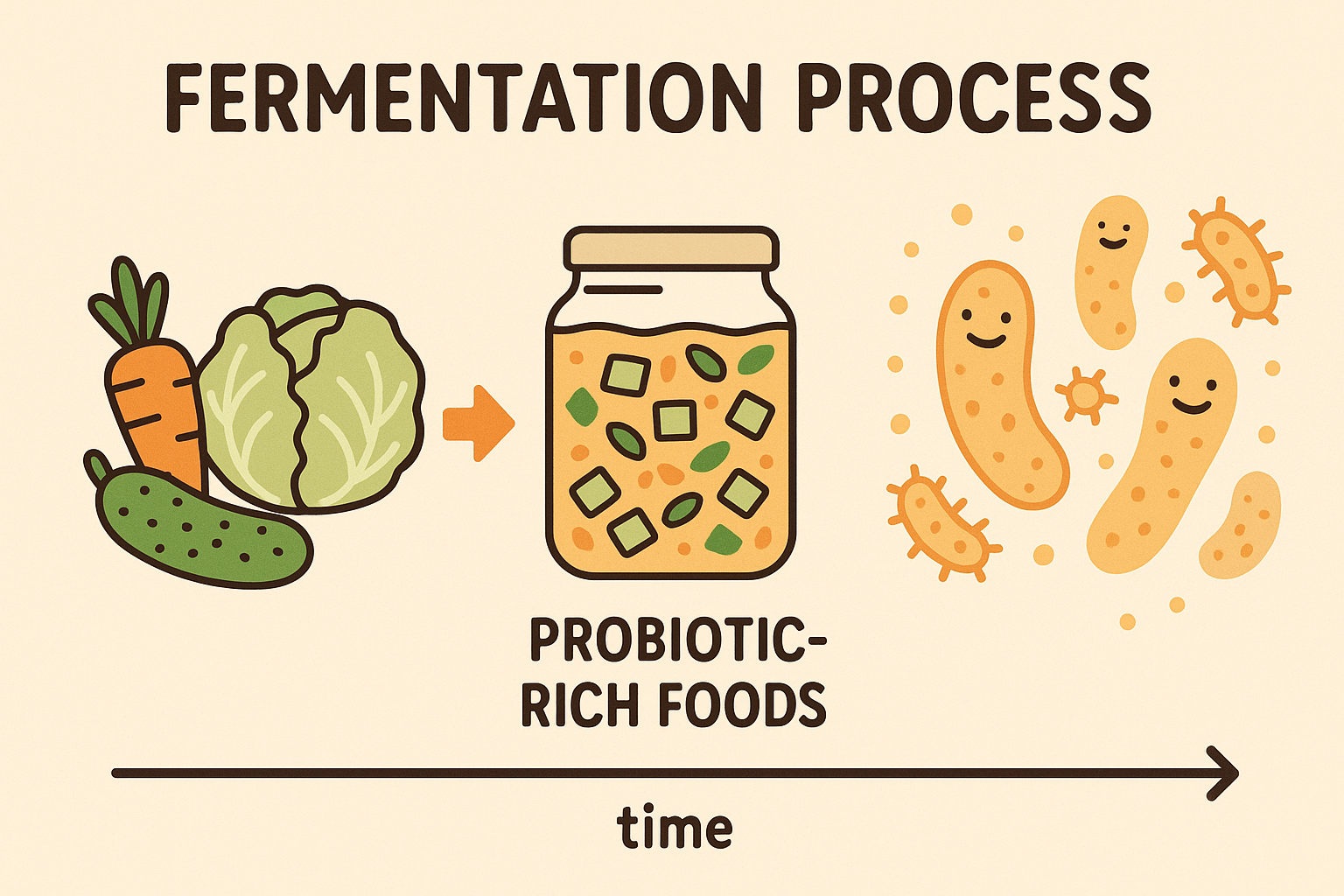
The length and temperature of fermentation dramatically affects how therapeutic your full GAPS diet fermented foods are. Most people either under-ferment (bland taste, minimal probiotic benefit) or over-ferment (mushy texture, potential harmful bacteria).
The sweet spot produces tangy, crunchy vegetables teeming with beneficial bacteria:
- Ferment for 7-10 days at 68-72°F for optimal probiotic count
- Test pH levels – you want it between 3.5-4.0
- Use starter cultures for consistent results
- Rotate fermentation vessels to prevent contamination
Under-fermented vegetables taste boring and don’t help much. Over-fermented vegetables get mushy and can actually harm your gut. Finding that middle ground takes practice, but it’s worth it.
Dealing with Detox Symptoms (So You Don’t Want to Quit)
Let’s talk about the elephant in the room – the GAPS diet can make you feel terrible before you feel better, and most people aren’t prepared for this. I’ve watched too many people quit during their darkest detox moments, not realizing they were actually on the verge of a breakthrough.
Understanding what’s happening during detox and having strategies to manage it prevents you from throwing in the towel when things get rough. The symptoms you experience aren’t random – they follow predictable patterns that you can prepare for and work with.
Recent carnivore diet research reveals that sodium intake can exceed recommendations by 15-20 times when following elimination protocols, raising important questions about long-term health implications during intensive healing phases. News Medical reports that this highlights the critical importance of monitoring electrolyte balance and supporting detoxification pathways during restrictive therapeutic diets like GAPS.
While managing detox reactions, incorporating homemade elderberry syrup can provide immune support during challenging elimination phases.
Why You Feel Worse Before You Feel Better
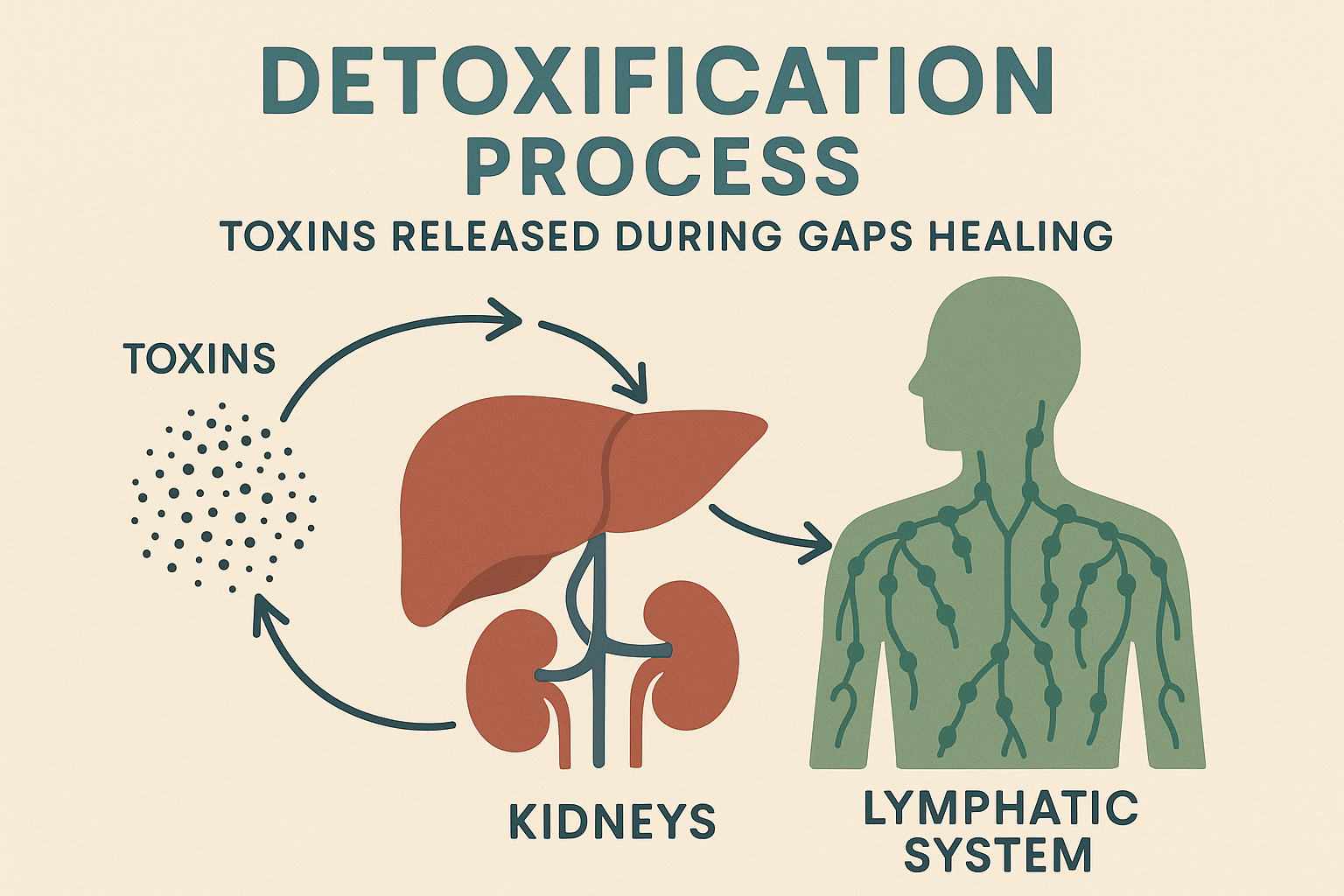
The Herxheimer reaction – named after the doctors who first described it – happens when dying bacteria release toxins faster than your body can eliminate them. It’s actually a sign that the protocol is working, but it feels awful when you’re in the middle of it.
Your starting toxic load determines how intense and long these reactions last. If you’ve had multiple rounds of antibiotics, lived in a moldy house, or dealt with chronic stress, you’re likely carrying a heavier toxic burden that takes longer to clear.
Assessing Your Toxic Load Before You Start
Understanding what you’re starting with helps you pace yourself appropriately. You don’t need fancy testing – your history and symptoms tell you most of what you need to know.
Quick Toxic Load Assessment:
- How many rounds of antibiotics have you had? (Each round adds to your burden)
- Have you lived or worked in moldy environments?
- Do you have mercury fillings or heavy metal exposure?
- Are you sensitive to chemicals and fragrances?
- How’s your stress level and sleep quality?
- Do you have ongoing inflammatory conditions?
- How well do you handle alcohol or caffeine?
The more “yes” answers you have, the slower you should go and the more detox support you’ll need. There’s no shame in needing more support – it just means you’re being smart about your healing journey.
The Graduated Elimination Approach That Works
Tom tried to eliminate all non-GAPS foods simultaneously and experienced severe headaches, fatigue, and digestive distress that forced him to quit after 5 days. When he restarted using a graduated approach – removing sugar first, then grains, then dairy – his detox symptoms were manageable. He experienced mild headaches for 2-3 days after each elimination phase but could continue working and exercising.
Here’s the approach that works:
- Week 1: Remove refined sugars and wait
- Week 2: Eliminate grains
- Week 3: Remove dairy (unless already dairy-free)
- Week 4: Address remaining inflammatory foods
- Week 5: Begin full GAPS introduction
This slower approach allows your liver to process toxins without becoming overwhelmed, making the whole experience more sustainable.
Supporting Your Body Through Detox
Your liver processes the majority of toxins released during GAPS healing, and your lymphatic system carries them out. Most people have sluggish systems that create toxic backups, leading to severe reactions and diet abandonment. Supporting these systems makes all the difference.
Without proper detox support, you might experience what feels like the flu, intense fatigue, or mood swings that make you want to quit. The good news? Simple support strategies can prevent most of these issues.
Getting Your Lymph Moving
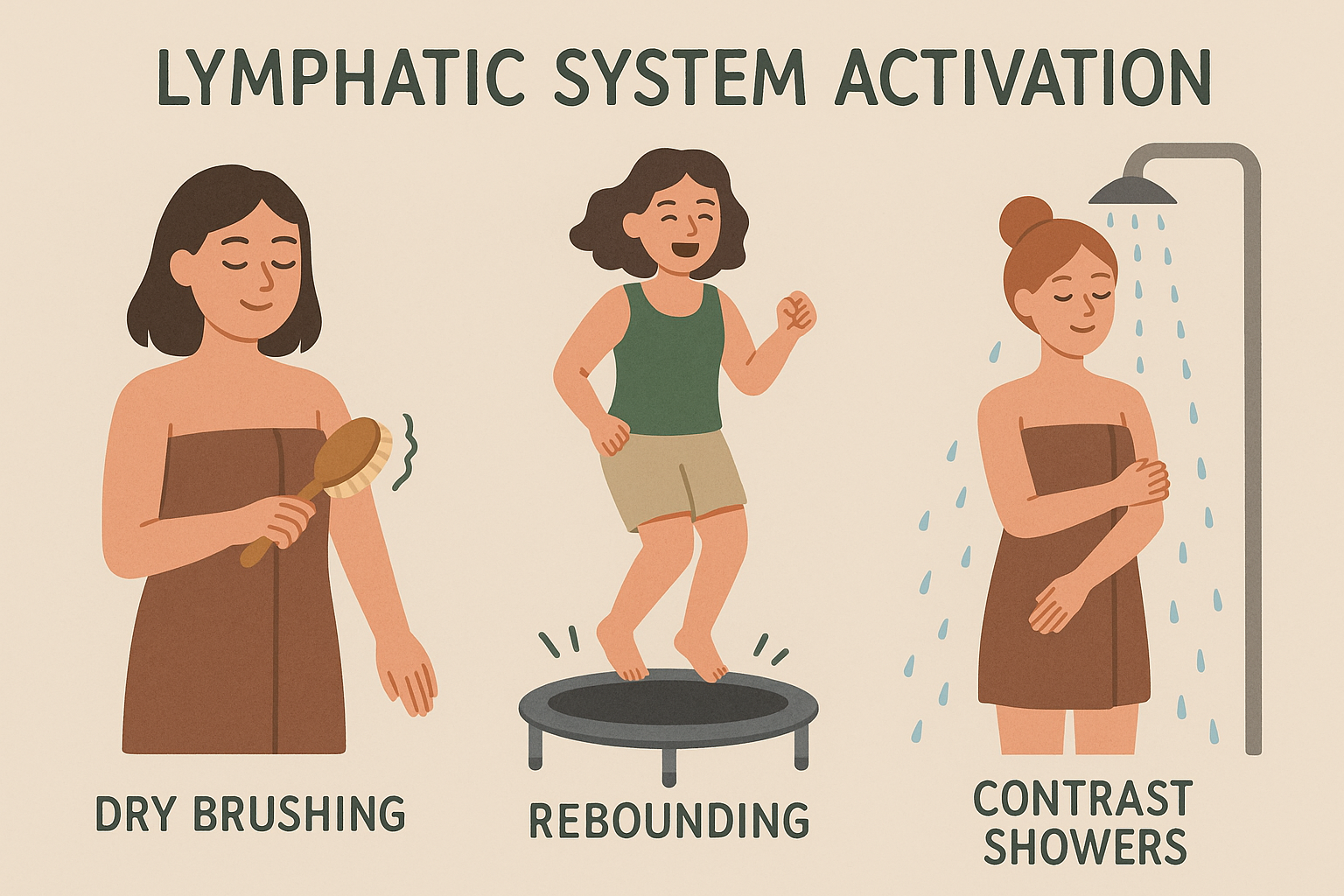
Your lymphatic system doesn’t have a pump – it relies on muscle movement and breathing to circulate lymph fluid. Sedentary lifestyles create stagnant lymph that can’t efficiently remove the toxins released during GAPS healing.
Simple daily practices that make a huge difference:
- Dry brush your skin every morning before showering
- Bounce on a mini trampoline for 10 minutes daily
- Practice deep breathing exercises
- Take contrast showers (hot/cold alternating)
- Move your body regularly throughout the day
I used to think dry brushing was just hippie nonsense until I tried it during a particularly rough detox phase. The difference in how I felt was remarkable – less brain fog, more energy, and fewer aches.
Loving Your Liver Through the Process
Your liver works overtime during GAPS healing, processing all those toxins from dying bacteria. Supporting it prevents the toxic backup that causes severe reactions.
Simple liver support strategies:
- Drink warm lemon water first thing every morning
- Include liver-supporting foods like dandelion greens and beets daily
- Get to bed before 10 PM (your liver does its heavy lifting between 10 PM – 2 AM)
- Consider milk thistle supplementation under practitioner guidance
- Stay hydrated throughout the day
The GAPS diet emphasizes fermented foods and probiotics, which can increase beneficial bacteria in the gut, with a 2017 review of 10 studies finding that probiotic supplementation may be effective in reducing symptoms of depression. Dr. Axe notes that these beneficial gut bacteria communicate with immune system cells, potentially improving how the body responds to disease and infection while promoting enhanced immunity.
Supporting your liver during GAPS can be enhanced by understanding whether you need to do an elimination diet and how to approach it systematically.
Making GAPS Work in the Real World (Without Becoming a Social Hermit)
Here’s what nobody talks about – the most overlooked aspect of GAPS success is social sustainability. Most people fail not because of food cravings, but because of social isolation, family conflicts, and the practical challenges of maintaining the protocol in real-world situations.
I’ve seen people nail the food aspect of GAPS but crash and burn when faced with their first dinner party or family gathering. The key is having strategies that let you participate in social food experiences without compromising your healing.
Current education policy changes highlight how nutritional support systems can be disrupted, with New Jersey schools potentially losing over $1.1 billion in federal aid that supports free and reduced lunch programs. New Jersey Monitor reports that without these programs, children’s access to guaranteed daily meals becomes a privilege rather than a right, demonstrating how social and institutional support systems are crucial for maintaining proper nutrition during challenging circumstances.
Getting Your Family On Board (Without Starting World War III)
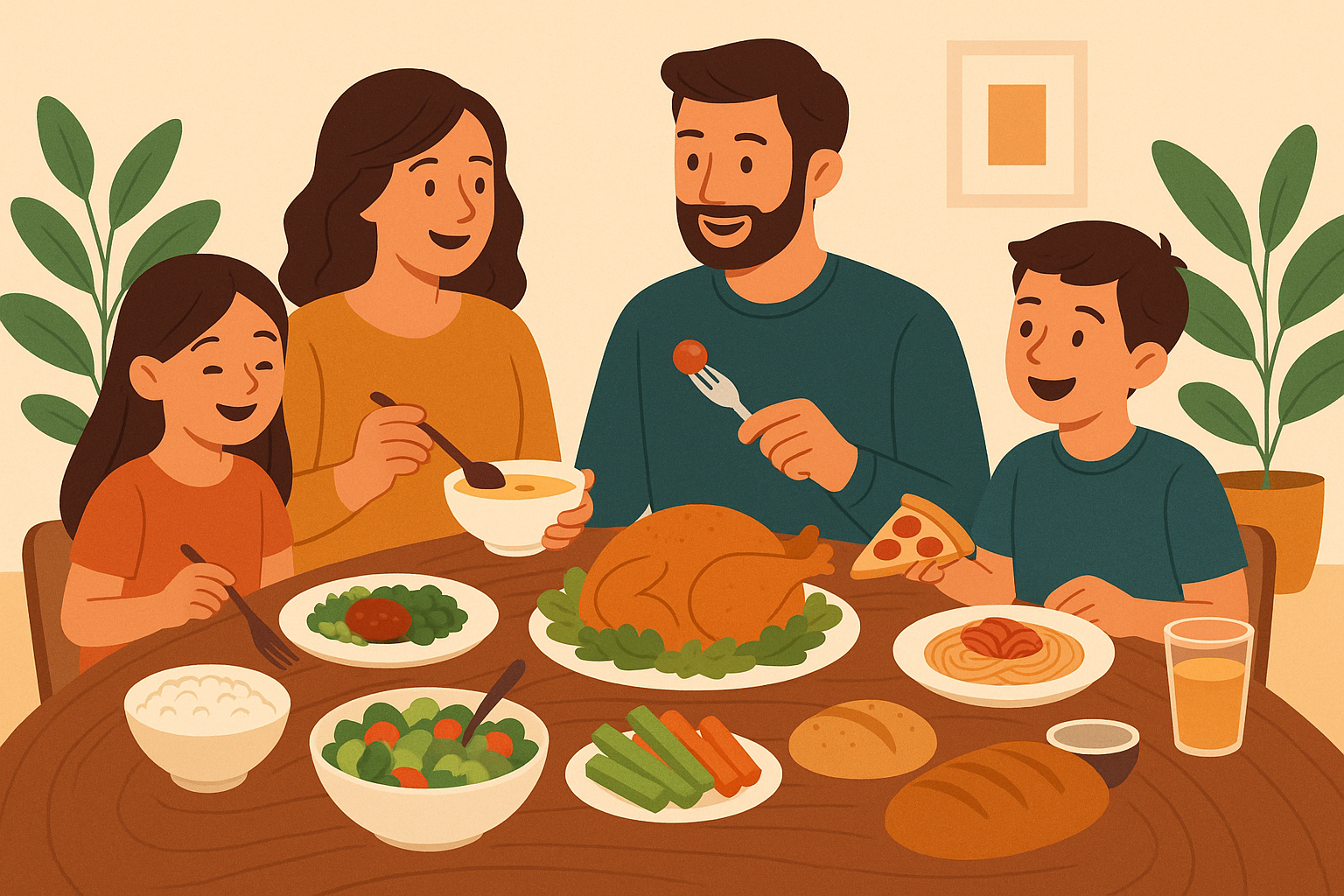
GAPS affects the entire household, not just you. Suddenly changing all household meals to GAPS-compliant foods creates resistance and resentment that can sabotage your healing journey. The key is making changes gradually and focusing on additions rather than restrictions when possible.
GAPS meal preparation is time-intensive, but strategic planning can reduce kitchen time while keeping everyone happy. The goal is getting family buy-in while maintaining your healing progress.
The Family Transition That Actually Works
Instead of announcing “We’re all eating GAPS now!” try a gentler approach that gets people curious rather than defensive:
Week-by-week family integration:
- Start with one universally appealing GAPS meal per day for everyone
- Introduce fermented vegetables as “condiments” rather than requirements
- Prepare base ingredients that can be customized for different family members
- Focus on naturally kid-friendly GAPS foods (bone broth “soup,” roasted vegetables with butter)
- Create GAPS versions of family favorites (cauliflower “rice,” zucchini “noodles”)
- Involve family members in meal preparation to increase buy-in
My friend Lisa tried to convert her whole family overnight and ended up with a kitchen mutiny. When she switched to gradually introducing one new GAPS element per week while keeping familiar foods available, her family actually started requesting some of the new dishes.
Meal Planning That Saves Your Sanity
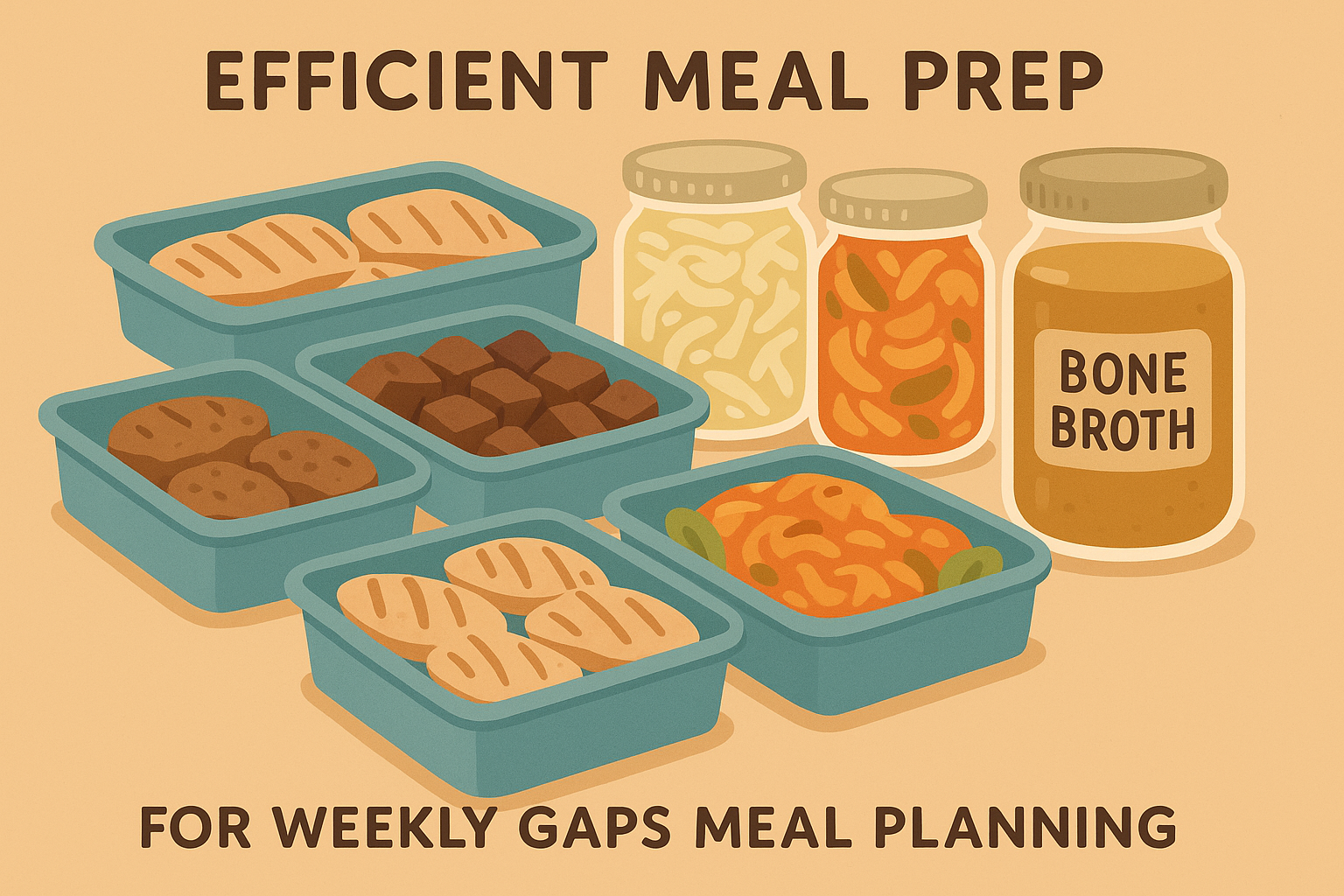
Batch cooking becomes your best friend on GAPS. Spending a few hours on Sunday preparing base ingredients saves hours during busy weekdays and prevents the temptation to grab non-GAPS convenience foods.
Sunday prep that makes weekdays easy:
- Cook proteins and vegetables in large batches
- Prepare fermented vegetables monthly in big batches
- Keep bone broth going continuously in slow cookers
- Create modular meal components that mix and match
- Pre-chop vegetables for quick assembly during the week
The key is creating systems that make GAPS easier, not harder, for your daily life.
For additional gut health support during your GAPS journey, explore whether drinking vinegars are the next big thing for gut health and how they might complement your protocol.
Navigating Social Situations Without Losing Your Mind
Restaurants, parties, work events, an
Restaurants, parties, work events, and travel present unique challenges that require strategic approaches. The goal is finding ways to participate in social food experiences without compromising your healing or feeling like a social outcast.
Social eating is deeply ingrained in our culture, and feeling excluded from these experiences can be emotionally devastating. But with some planning and communication, you can maintain your social connections while staying on track.
Restaurant Strategies That Work
Most restaurants can accommodate GAPS needs with proper communication and planning. The key is knowing how to navigate menus and communicate with staff without making it complicated for everyone.
Jennifer developed a “restaurant toolkit” that made dining out possible:
- Called ahead to explain she needed simple grilled meats and steamed vegetables without seasoning blends
- Brought her own fermented vegetable condiments in small containers
- Always ordered bone broth as an appetizer when available
- Built relationships with three local restaurants that knew her needs
Her approach was so successful that two friends asked to join her GAPS journey after seeing her improved energy and mood. She proved you don’t have to become a social hermit to heal your gut.
Simple restaurant communication:
- “I have some food sensitivities – could I get grilled chicken with steamed vegetables, no seasoning?”
- “I’m following a healing diet – is it possible to prepare this simply?”
- “I’d love the salmon, but could you skip the sauce and just use salt and lemon?”
Most restaurants are happy to accommodate when you’re polite and specific about what you need.
Travel Without Derailing Your Progress
Travel disrupts routine and limits food control, but proper preparation maintains GAPS compliance while reducing travel stress. The key is planning ahead and being flexible when needed.
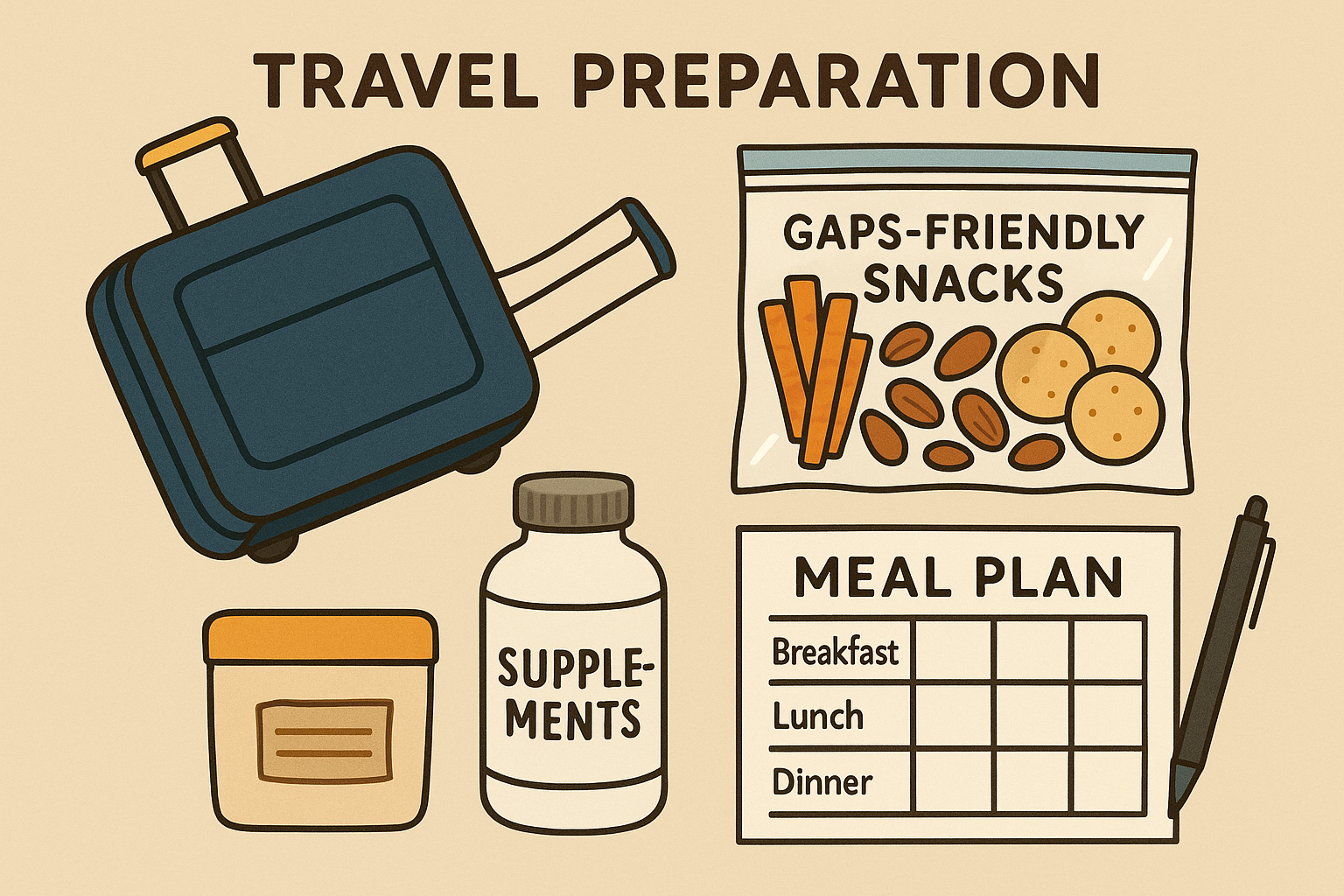
Travel preparation essentials:
- Pack portable GAPS snacks like nuts, seeds, and dried meats
- Research grocery stores and health food stores at your destination
- Book accommodations with kitchen facilities when possible
- Prepare digestive support supplements for travel-related stress
- Have backup plans for when things don’t go as expected
When you’re struggling with the social aspects of GAPS, Organic Authority’s community-focused approach can provide the support you need. Their carefully curated selection of travel-friendly supplements and portable wellness products makes maintaining your healing protocol easier, whether you’re navigating family dinners or business trips. Check out their tested and approved GAPS-compatible products that can bridge the gap between your healing needs and real-world demands.
Managing food intolerances while traveling becomes easier when you understand how food intolerance shows on your skin, helping you identify problematic foods quickly during your journey.
Final Thoughts
The GAPS diet meal plan doesn’t have to be the overwhelming, isolating experience that most people make it. Success comes from understanding your unique starting point, working with your body’s natural rhythms, supporting your detox pathways, and creating sustainable strategies for real-world situations.
Most people fail at GAPS not because the protocol doesn’t work, but because they approach it with a one-size-fits-all mentality that ignores their individual needs and circumstances. The personalized approach I’ve outlined here transforms GAPS from a restrictive diet into a healing system that adapts to your genetics, seasonal needs, family dynamics, and lifestyle demands.
Remember – healing isn’t linear. You’ll have setbacks, and that’s completely normal. Celebrate small victories, trust that your body knows how to heal when given the right conditions, and be patient with the process. The investment you make in understanding these deeper principles will pay off not just during your GAPS journey, but in your long-term relationship with food and health.
You’re not broken, you’re just healing. And with the right approach, GAPS can be the tool that helps you reclaim your health and vitality.
As you continue your healing journey, consider exploring how to improve gut health with emerging science to stay informed about the latest developments that could enhance your GAPS protocol.