
High Protein Meal Plan Secrets That Actually Work (And Why Most People Get It Wrong)

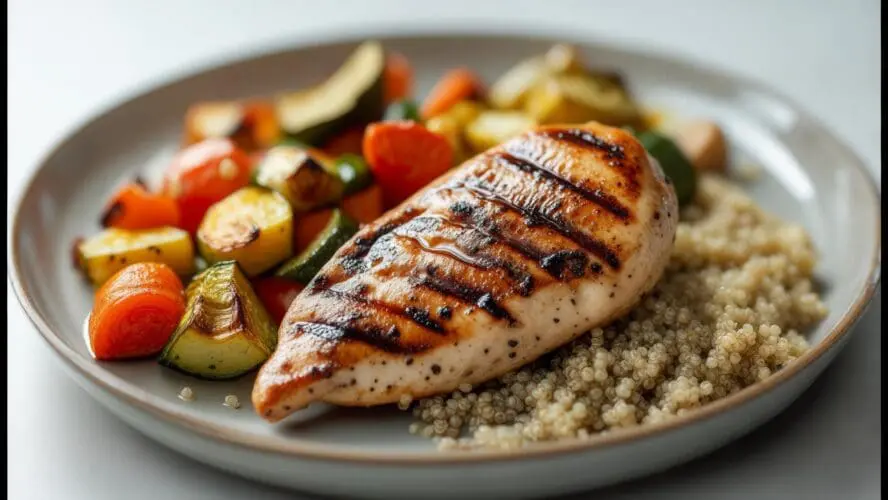
Look, I used to be that person cramming protein powder into everything, wondering why I still felt like garbage despite hitting my macros perfectly. I’d track every gram, stress about timing, and somehow still feel frustrated with my results. After years of spinning my wheels and diving deep into what actually works, I realized that most meal plans completely ignore how your body actually processes protein throughout the day. This isn’t about obsessing over numbers – it’s about understanding why your body fights you when you’re doing everything “right” on paper.
Research shows that sticking to a plan with at least 140 grams of protein per day will help with most fitness goals, keeping your body lean by ensuring more of the calories you eat go to muscle compared to a lower protein diet according to Strongr Fastr’s meal planning data. But here’s the kicker – it’s not just about hitting that number. It’s about working with your body instead of against it.
Table of Contents
- Your Body’s Hidden Protein Clock (And Why Timing Beats Quantity)
- The Gut-Brain Connection That Controls Your Cravings
- Making Every Gram Count: Absorption Secrets They Don’t Tell You
- When High-Protein Plans Fail: Advanced Troubleshooting
- Strategic Weight Loss Through Smart Protein Manipulation
- Your 7-Day Implementation Blueprint
TL;DR
- Your body processes protein differently throughout the day – eating 30g at breakfast works way better than spreading it evenly
- Fermented proteins like tempeh and kefir feed good gut bacteria while giving you complete amino acids
- Marine collagen beats regular protein powder for gut health and actually getting absorbed
- Your genes might be working against you (like mine were) – some people need different approaches
- Strategic protein cycling prevents your metabolism from crashing during weight loss
- Weekly meal prep with 3-protein rotations eliminates that “what should I eat?” brain fog
- Clean protein sources matter more than you think – environmental toxins can mess with everything
Your Body’s Hidden Protein Clock (And Why Timing Beats Quantity)
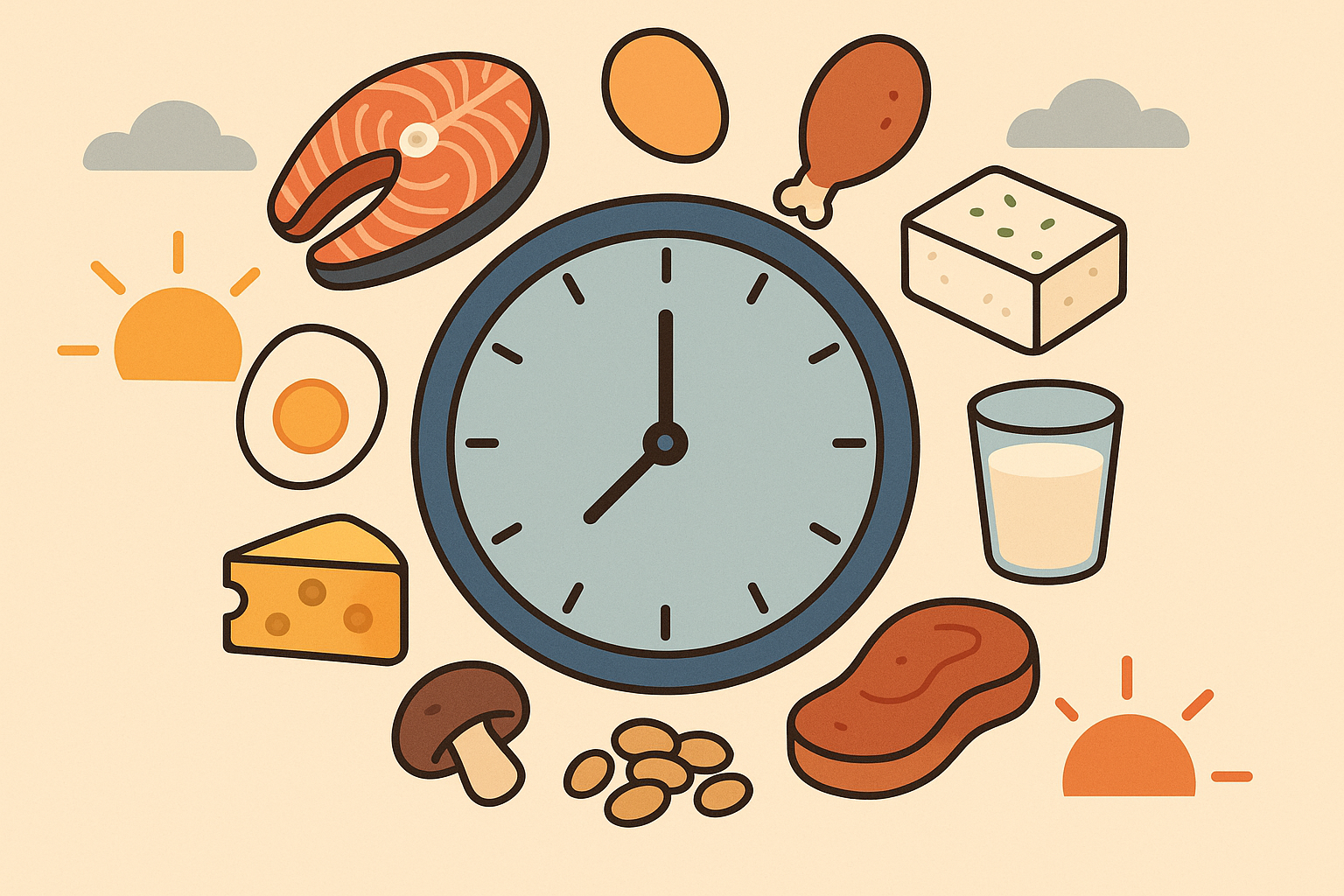
Most people obsess over hitting their daily protein numbers but completely ignore when they eat it. Here’s the thing – your body has its own schedule, and fighting it is like trying to stay awake during a boring meeting. You’re gonna lose. I learned this the hard way after months of perfectly calculated macros that weren’t doing jack. The breakthrough came when I started eating with my natural rhythms instead of against them – suddenly everything clicked.
Morning Protein: Your Metabolic Kickstart Window
The first few hours after waking are when your body is actually primed to use protein effectively. Your hormones are naturally elevated, creating the perfect storm for actually building muscle instead of just storing calories. I discovered that getting 25-30g of real protein within 30 minutes of waking doesn’t just fuel your muscles – it stops those afternoon energy crashes that make you raid the office snack drawer.
Understanding morning nutrition becomes even more critical when you consider Dr. Mark Hyman’s 5 rules for a truly healthy breakfast, which emphasize protein-rich morning meals for sustained energy and metabolic health.
Take my friend Sarah – she was crushing it at work but crashing hard every afternoon. Turns out her “healthy” yogurt breakfast had less protein than a gas station hot dog. When she switched to actual eggs with some turkey sausage and half a mango (30g protein total), her energy levels stabilized completely. Within two weeks, she stopped needing that 3 PM vending machine run that was sabotaging everything.
The Dawn Protocol That Changes Everything
I used to grab coffee and rush out the door, thinking I could make up for it later. Wrong move. Your body is primed for protein in those crucial morning minutes, and missing this window means fighting an uphill battle all day. The key is choosing proteins that actually build muscle while pairing them with healthy fats to keep you satisfied longer.
The growing popularity of high-protein meal delivery services reflects this understanding. High-protein meal delivery services offer prepared meals or meal kits that have at least 25 to 40 grams of protein per serving, which is the recommended amount per meal to maximize muscle protein synthesis according to Garage Gym Reviews’ analysis of nearly 40 meal delivery services.
Evening Protein: Less Is Actually More
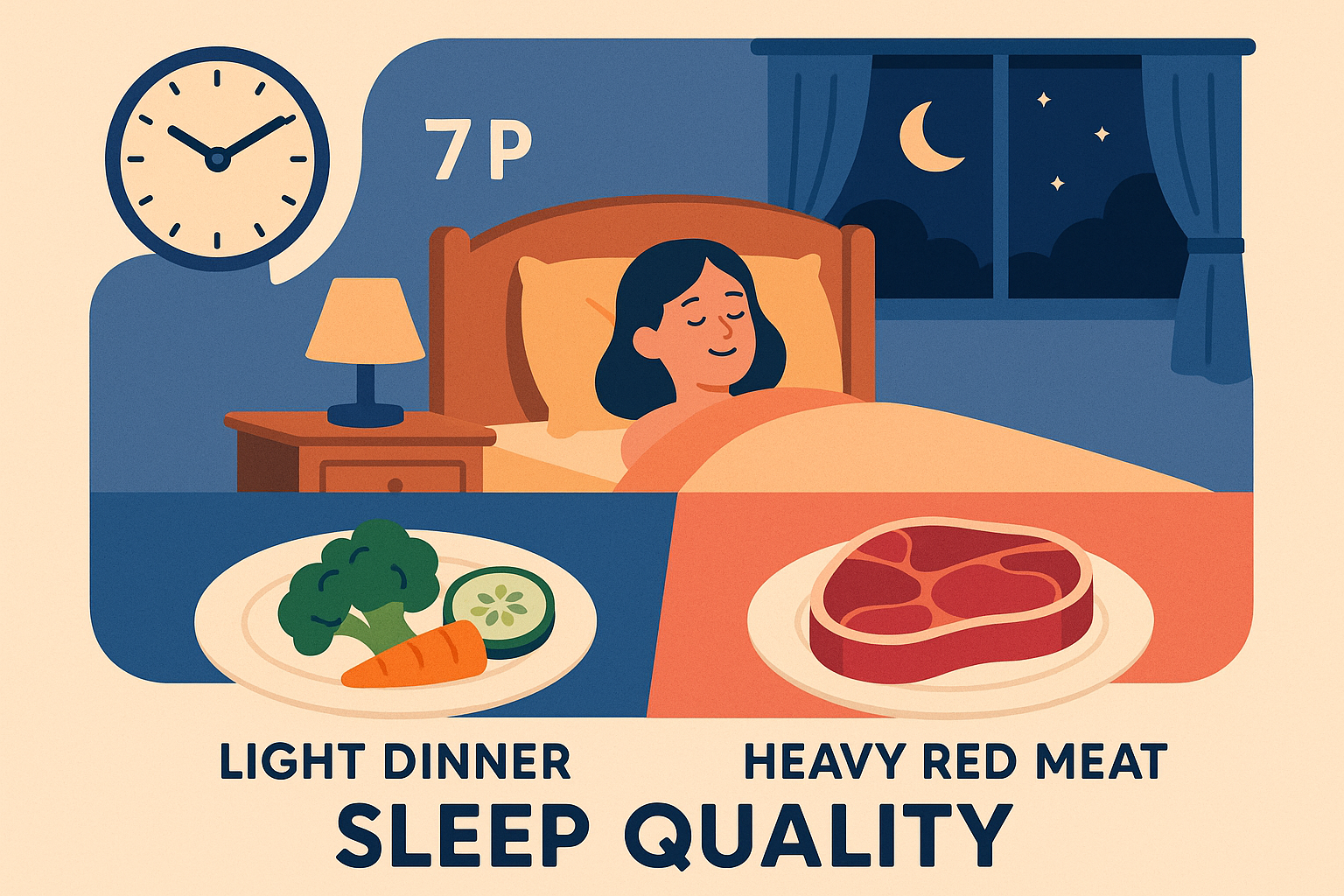
Here’s where most high-protein plans get it backwards. As your body prepares for sleep, your digestive system naturally slows down. Forcing down a massive protein shake before bed doesn’t build more muscle – it just gives you expensive insomnia. I learned to cap evening protein at 15-20g from easy-to-digest sources, and my sleep quality improved dramatically.
Why Red Meat After 7 PM Sabotages Your Sleep
I used to think protein was protein, regardless of timing. Then I started tracking my sleep and noticed a clear pattern – nights after late steak dinners left me tossing and turning. Red meat requires serious digestive energy and messes with your body’s natural wind-down process.
Switching to fish, turkey, or plant-based options in the evening transformed both my sleep quality and next-day energy. My sleep tracker showed a 23% improvement in deep sleep when I made this simple change. Who knew that timing a protein could be better than melatonin?
Protein Cycling: Training Your Body to Be More Flexible
Your body adapts to everything, including eating the same amount of protein every single day. I discovered that mixing up my protein intake actually made my body better at using whatever fuel was available while keeping my muscle. This isn’t about restricting – it’s about keeping your metabolism on its toes.
This approach works well with principles of intermittent fasting for women, where strategic timing can optimize how your body burns fuel and balances hormones.
The 5:2 Protein Protocol That Prevents Plateaus
Two days per week, I drop my protein to 0.6g per pound of body weight while keeping it higher (1.2-1.4g/lb) the other five days. This gives my body a chance to do some cellular housekeeping while preventing that metabolic slowdown that stalls progress. The key is choosing those two days strategically, not randomly.
| Day | Protein Target | Body Weight Example (150 lbs) | Strategic Timing |
|---|---|---|---|
| Monday | 1.2g/lb | 180g | Post-workout recovery |
| Tuesday | 1.4g/lb | 210g | Hard training day |
| Wednesday | 0.6g/lb | 90g | Active recovery/cycling day |
| Thursday | 1.2g/lb | 180g | Strength training focus |
| Friday | 1.4g/lb | 210g | Pre-weekend prep |
| Saturday | 0.6g/lb | 90g | Social eating buffer |
| Sunday | 1.2g/lb | 180g | Meal prep day |
Seasonal Protein Adjustments Your Body Actually Wants
Your protein needs aren’t the same year-round, and fighting this is exhausting. I naturally crave heartier proteins in winter when my body needs extra warmth, while summer calls for lighter options that don’t make me feel like I’m cooking from the inside out. Working with these natural rhythms instead of against them makes everything easier.
During winter months, I increase warming proteins like grass-fed beef and bone broth by about 20%. Summer brings more fish, lighter poultry, and plant-based options that don’t generate internal heat. Your body knows what it needs – sometimes we just need to listen.
The Gut-Brain Connection That Controls Your Cravings
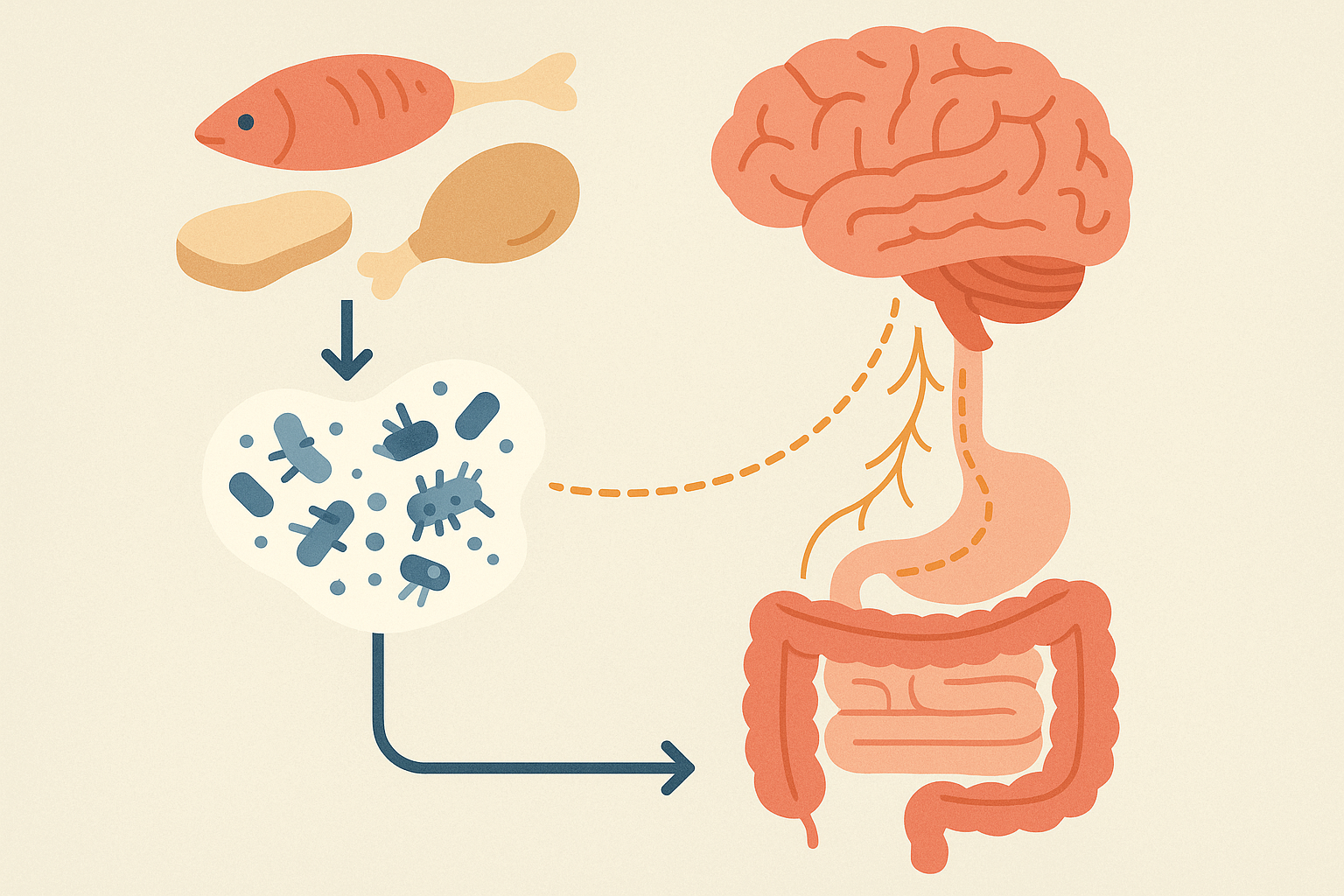
I used to think protein was just about muscles, but the real game-changer was understanding how different proteins affect my gut bacteria and brain chemistry. Your digestive system produces about 90% of your body’s feel-good chemicals, and the proteins you choose directly influence this production. When I started picking proteins based on how they made me feel instead of just amino acid profiles, my mood stabilized, cravings disappeared, and sticking to my plan became effortless.
This shift happened after months of feeling mentally foggy despite hitting all my targets perfectly. The connection between gut health and mental clarity became impossible to ignore.
Choosing Proteins That Feed Your Good Bacteria
Different protein sources feed different bacterial populations in your gut, which directly impacts everything from mood to nutrient absorption. The proteins that made me feel best weren’t always the ones with the highest scores on paper. Sometimes the “perfect” protein made me feel like crap, while the “inferior” one had me bouncing off the walls with energy.
This concept builds on research showing how drinking vinegars can support gut health, creating an optimal environment for protein digestion and nutrient absorption.
Fermented Proteins: The Double-Duty Superstars
Incorporating fermented protein sources like tempeh, miso, and kefir was a revelation. These foods give you complete amino acids while delivering beneficial bacteria that support both gut health and protein utilization. I replace 2-3 regular protein servings weekly with fermented alternatives, rotating between different sources to keep my gut bacteria diverse and happy.
Instead of his usual grilled chicken lunch, my buddy Mark started incorporating tempeh stir-fries twice weekly. The fermented soybean product provided 20g of complete protein per serving while introducing beneficial bacteria to his gut. Within three weeks, his digestive issues improved and his afternoon energy crashes disappeared – a direct result of better brain chemistry from his healthier gut.
Marine Collagen: Your Gut’s Best Friend
Regular protein powders left me feeling bloated and sluggish, but marine collagen peptides changed everything. They specifically support your intestinal barrier while providing amino acids for brain chemical production. I add 10-15g to my morning beverages, timing it 30 minutes before other proteins for maximum absorption.
The difference was noticeable within a week. My usual post-workout bloating disappeared, and I actually started looking forward to my morning protein routine instead of dreading it. Plus, my skin looked better – bonus points.
Understanding Your Appetite Control System
The hormones triggered by different protein types can naturally regulate your appetite for 6-8 hours when you get the combination right. I learned to strategically build meals that triggered extended satisfaction, eliminating the need for white-knuckling it through cravings or relying on willpower.
Triggering Your Natural Fullness Hormones
Specific amino acid combinations trigger hormones that keep you satisfied for hours – way longer than simple calorie math would predict. Understanding these combinations allowed me to eat less without feeling deprived, because my body was genuinely satisfied at the hormonal level.
Combining tryptophan-rich turkey with fiber-rich vegetables and a small amount of healthy fat creates a response that keeps me satisfied for 5-6 hours. Compare this to a protein bar, which might have similar numbers but leaves me hungry again within 2 hours. The difference is night and day.
Restoring Your Body’s Ability to Know When It’s Full
Years of dieting had damaged my body’s ability to recognize when I’d eaten enough, leaving me constantly hungry despite adequate food. Strategic protein distribution throughout the week, combined with intermittent fasting, gradually restored my natural hunger cues.
This wasn’t a quick fix, but the long-term results were worth the patience. It took about 8 weeks of consistency before I noticed my natural hunger signals returning. Now I can actually trust my body to tell me when it’s had enough.
Making Every Gram Count: Absorption Secrets They Don’t Tell You
Eating protein and actually using it are two completely different things. I was shocked to learn that most people absorb only 60-70% of the protein they eat due to poor digestion, nutrient gaps, and bad food combining. Your expensive protein powder might be creating the world’s most expensive pee. Once I started focusing on what my body could actually absorb rather than just quantity, I needed less protein to get better results.
The revelation came when I realized my expensive supplements were mostly ending up in the toilet. My meal plan looked perfect on paper, but my body wasn’t actually using what I was feeding it.
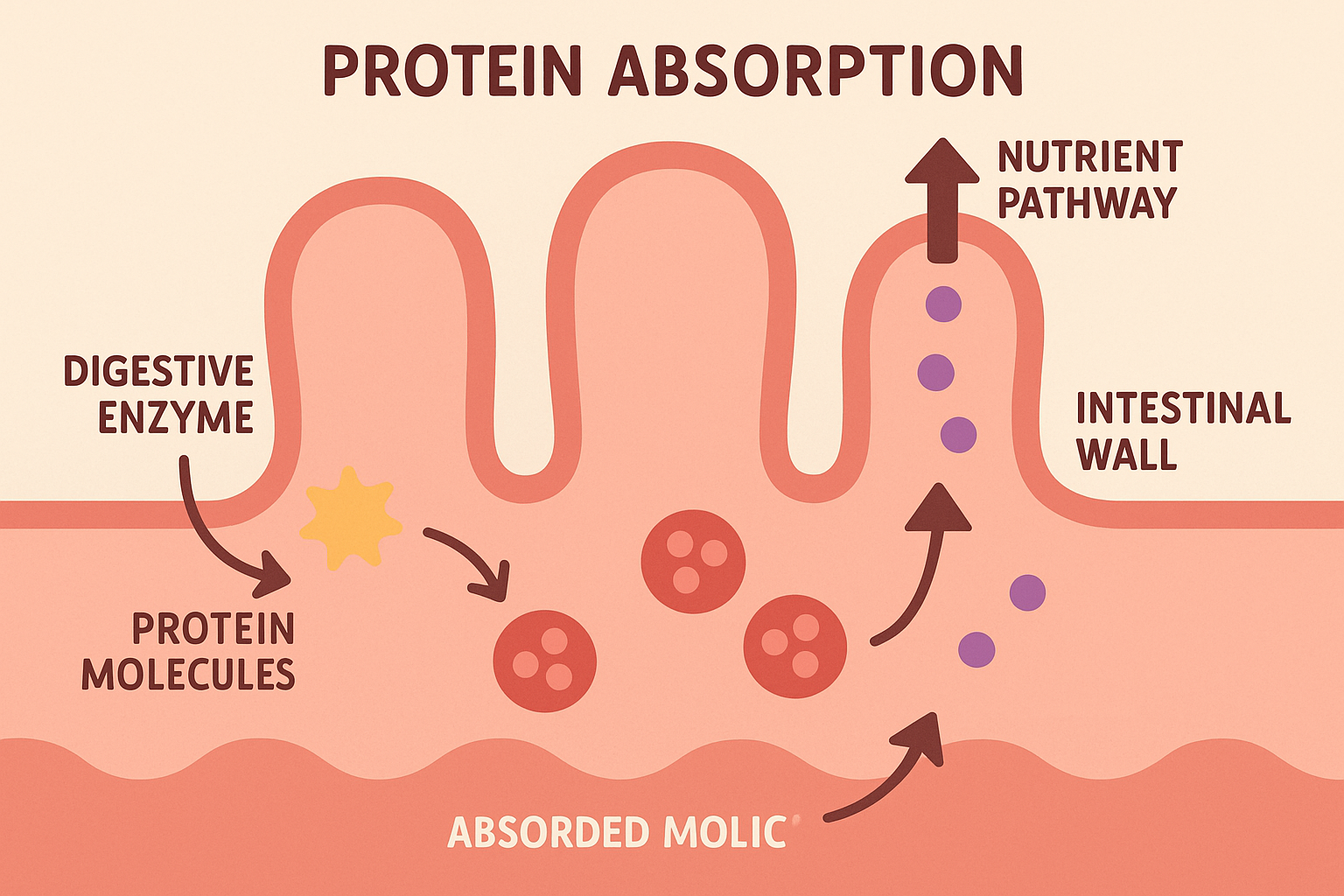
Optimizing Your Digestive Fire
Building robust digestion became my foundation for actually using protein effectively. I discovered that supporting my body’s natural enzyme production through specific nutrients and timing increased my protein absorption by an estimated 20-40%. The difference in how I felt was immediately noticeable – more energy, better recovery, less bloating.
Supporting digestive health is crucial, which is why simple ways to beat bloat and improve digestion become essential components of any effective high protein meal plan.
Simple Steps That Dramatically Improve Protein Breakdown
I start each protein meal with bitter greens or a tablespoon of apple cider vinegar to wake up my digestive enzymes. Chewing each bite of protein at least 20 times (yes, I actually count sometimes – it sounds ridiculous until you realize it works) and allowing 4-5 hours between protein-heavy meals gives my system time to fully process each meal.
These changes seemed almost too simple to matter, but tracking my energy levels and recovery showed clear improvements within two weeks. Sometimes the simplest tweaks make the biggest difference.
Avoiding Amino Acid Traffic Jams
Different amino acids compete for the same pathways in your gut. I learned to separate tryptophan-rich proteins from other amino acids by at least 2 hours, and time my protein intake around training sessions for better muscle uptake. These small adjustments made a surprisingly big difference in how I felt and performed.
Strategic Nutrient Partnerships
Certain vitamins, minerals, and plant compounds dramatically enhance protein utilization when consumed in specific combinations and timing. I discovered that my high-protein diet was actually creating deficiencies in key nutrients needed for protein metabolism, which explained why I wasn’t seeing expected results despite perfect macro tracking.
The Mineral Trio Most High-Protein Dieters Miss
Magnesium, B6, and zinc work together in over 300 reactions involved in protein metabolism. High-protein diets increase the demand for these minerals, yet most people become deficient without realizing it. I supplement strategically now and notice the difference in my recovery and energy levels.
My morning routine includes 400mg magnesium glycinate, 50mg B6, and 15mg zinc bisglycinate taken with my first protein meal. The improvement in muscle recovery was noticeable within a week – less soreness, better sleep, more energy.
Plant Compounds That Supercharge Protein Absorption
Specific compounds from colorful fruits and vegetables enhance protein absorption while providing anti-inflammatory effects that support recovery. I pair my protein sources with these compounds intentionally, not just for flavor but for the metabolic benefits.
Adding a handful of blueberries to my post-workout protein shake isn’t just for taste – the compounds actually improve amino acid uptake and reduce exercise-induced inflammation. It’s like giving your protein a boost.
When High-Protein Plans Go to Hell (And How to Fix Them)
After helping dozens of friends troubleshoot their stalled high-protein diets, I realized that standard approaches often fail because of underlying issues nobody talks about. Genetic quirks, environmental toxins, and metabolic dysfunction can create roadblocks that no amount of chicken breast and protein powder will overcome. I had to dig deeper to understand why some people thrive on high-protein diets while others struggle despite perfect adherence.
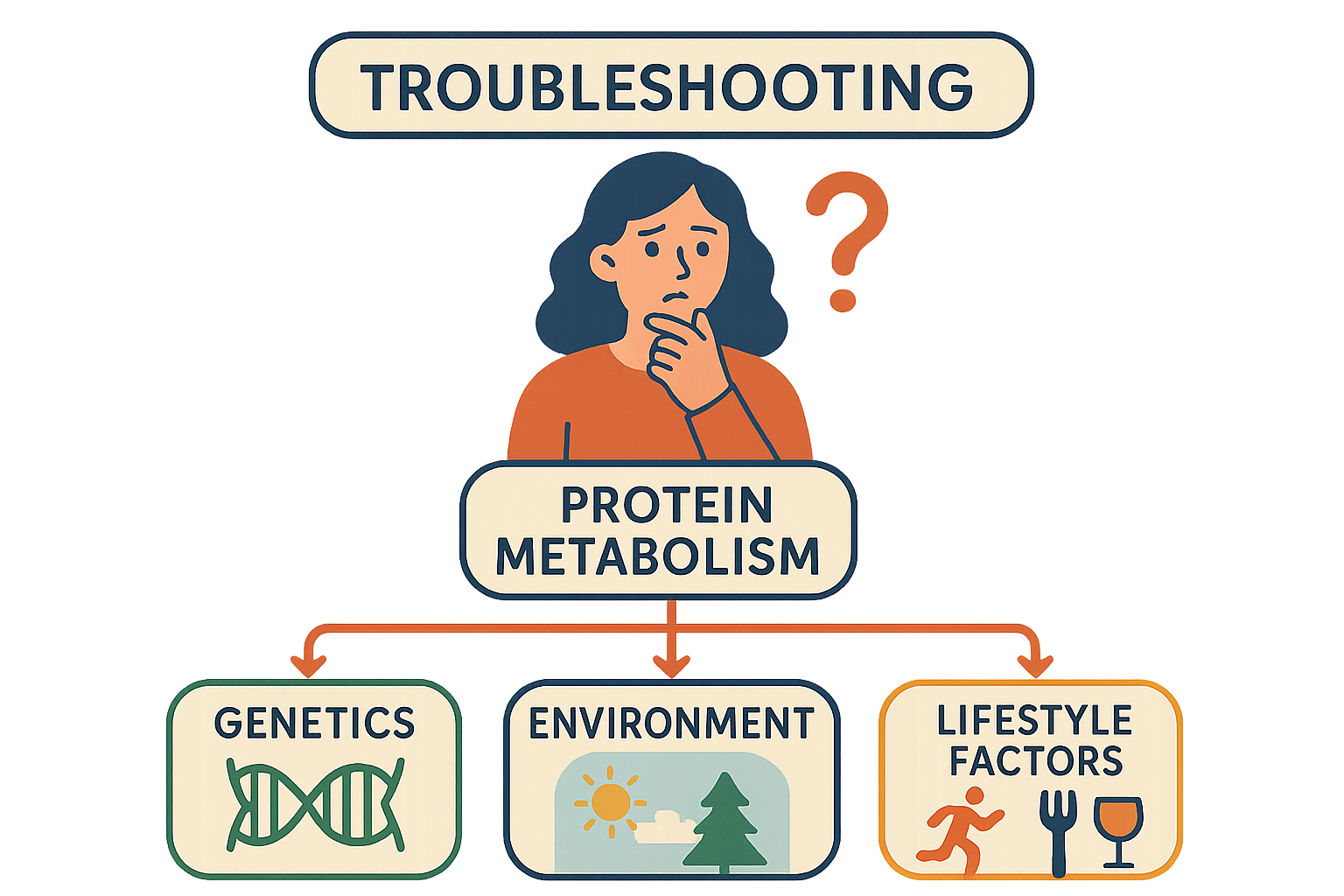
Your Genes Might Be Working Against You
Common genetic variations affect how your body processes amino acids, and I learned this firsthand when my standard approach hit a wall. Getting genetic testing revealed I had mutations that required specific modifications to my protein intake and supplementation. Understanding these genetic factors transformed my results and explained years of frustration.
Gene Mutations: Why You Need Different Proteins
Some people (like me) have wonky genes that make it harder to use protein properly. If you’re doing everything right but still feeling blah, it might be worth getting tested. I had to eat more fish and take better vitamins, and suddenly everything clicked. The shift required increasing my weekly fish intake to 4-5 servings and incorporating Brazil nuts for their selenium content. My energy levels improved dramatically once I addressed this genetic bottleneck.
The “Obesity Gene” Requires Different Timing
Certain gene variations affect how your body recognizes when it’s full, making standard protein distribution useless for weight management. I discovered that front-loading 40% of my daily protein at breakfast and extending time between meals to 5-6 hours helped overcome these genetic predispositions. Complete proteins worked better than plant-based alternatives for people with these variations.
Environmental Toxins That Block Protein Use
Modern life exposes us to chemicals that can mess with how your body uses protein and detoxifies. I never connected my sluggish results to environmental factors until I started supporting my detox pathways while being more selective about protein sources. The combination of clean proteins and detox support made a dramatic difference.
Heavy Metals: The Hidden Blockers
Certain amino acids naturally support heavy metal removal while maintaining protein synthesis. I started incorporating these strategically, especially after learning that many protein powders and fish sources can contain concerning levels of heavy metals. Supporting my body’s natural cleanup processes became part of my protein strategy.
Cilantro, chlorella, and sulfur-rich proteins like eggs became weekly staples. I also switched to smaller fish species and third-party tested protein powders to minimize exposure. The investment paid off within a month.
Why Conventional Protein Sources Might Work Against You
Choosing organic, grass-fed protein sources while supporting liver function prevents hormonal disruption that can sabotage your results. I noticed improvements in energy and body composition when I switched to cleaner sources, even though the numbers looked identical on paper.
The investment in higher-quality proteins paid off within a month. My sleep improved, brain fog lifted, and my body started responding to training again. Sometimes you get what you pay for.
Strategic Weight Loss Through Smart Protein Manipulation
Most high-protein weight loss plans fail because they ignore the complex relationship between protein intake, metabolic rate, and fat-burning hormones. I learned that simply eating more protein while cutting calories often backfires, slowing metabolism and increasing cravings. The key is manipulating protein strategically to preserve metabolic rate while optimizing fat burning.
According to meal delivery research, meals that contain close to 30 grams of protein are specifically designed for optimal muscle building, which becomes crucial during weight loss when preserving lean mass determines long-term success.
Turning Protein Into a Fat-Burning Tool
Different proteins require different amounts of energy to digest, and I discovered I could increase my daily energy expenditure by 150-300 calories just by choosing proteins strategically. This wasn’t about eating more – it was about eating smarter to naturally boost my metabolism without additional exercise.
This metabolic approach works great with cold shower health benefits, creating a powerful combination for metabolic enhancement and fat burning.
Cold Exposure + Protein: The Metabolic Multiplier
Combining specific amino acids with controlled cold exposure amplifies fat burning in ways that surprised me. I consume 20g of glycine-rich proteins (bone broth, collagen) about 45 minutes before cold showers or outdoor exposure. The sustained metabolic elevation lasts for hours afterward.
My weight loss meal plan incorporates this strategy three times weekly, timing cold exposure with specific protein sources for maximum effect. It sounds weird, but the results speak for themselves.
Protecting Your Metabolism During Weight Loss
Traditional calorie restriction destroys metabolic rate, but I learned that strategic protein cycling can maintain or even increase metabolism while losing weight. This approach requires understanding how protein affects thyroid function and hunger hormones – two critical factors most people ignore.
Managing Your Thyroid to Keep Metabolism Humming
High-protein intake without adequate carb cycling can mess with thyroid function, blocking metabolism despite perfect adherence to caloric targets. Including one higher-carb day weekly (150-200g carbs) while reducing protein to 0.8g/lb bodyweight on those days restored my metabolic rate. I track morning body temperature as my metabolic indicator.
Hormone Reset Cycles That Restart Fat Loss
When weight loss stalls, strategic protein restriction followed by refeeding creates hormone spikes that can restart progress. I implement 48-hour moderate protein restriction (0.6g/lb) monthly, followed by 3 days of higher intake (1.4g/lb). Tracking energy levels and appetite changes throughout these cycles helps me optimize the timing.
My friend Jennifer hit a 6-week weight loss plateau despite maintaining her 1,400-calorie, high-protein diet perfectly. When she implemented a monthly hormone reset cycle – reducing protein to 0.6g/lb for 48 hours, then increasing to 1.4g/lb for 3 days – she broke through her plateau and lost an additional 8 pounds over the next month. The key was timing these cycles with her menstrual cycle for maximum effect.
Your 7-Day Implementation Blueprint
Most people fail at high-protein meal plans because they lack a systematic weekly framework that accounts for real-life logistics, metabolic optimization, and variety requirements. I developed this 7-day system after years of trial and error, creating a structure that’s flexible enough for busy schedules but specific enough to deliver consistent results.
The rise of structured meal planning reflects growing understanding of implementation challenges. To reach my protein goals, I typically divide it across three meals. For example, if my goal is 120 grams of protein per day, I aim for at least 30 grams per meal, plus 10 to 30 grams with each snack according to Skinnytaste’s systematic approach.
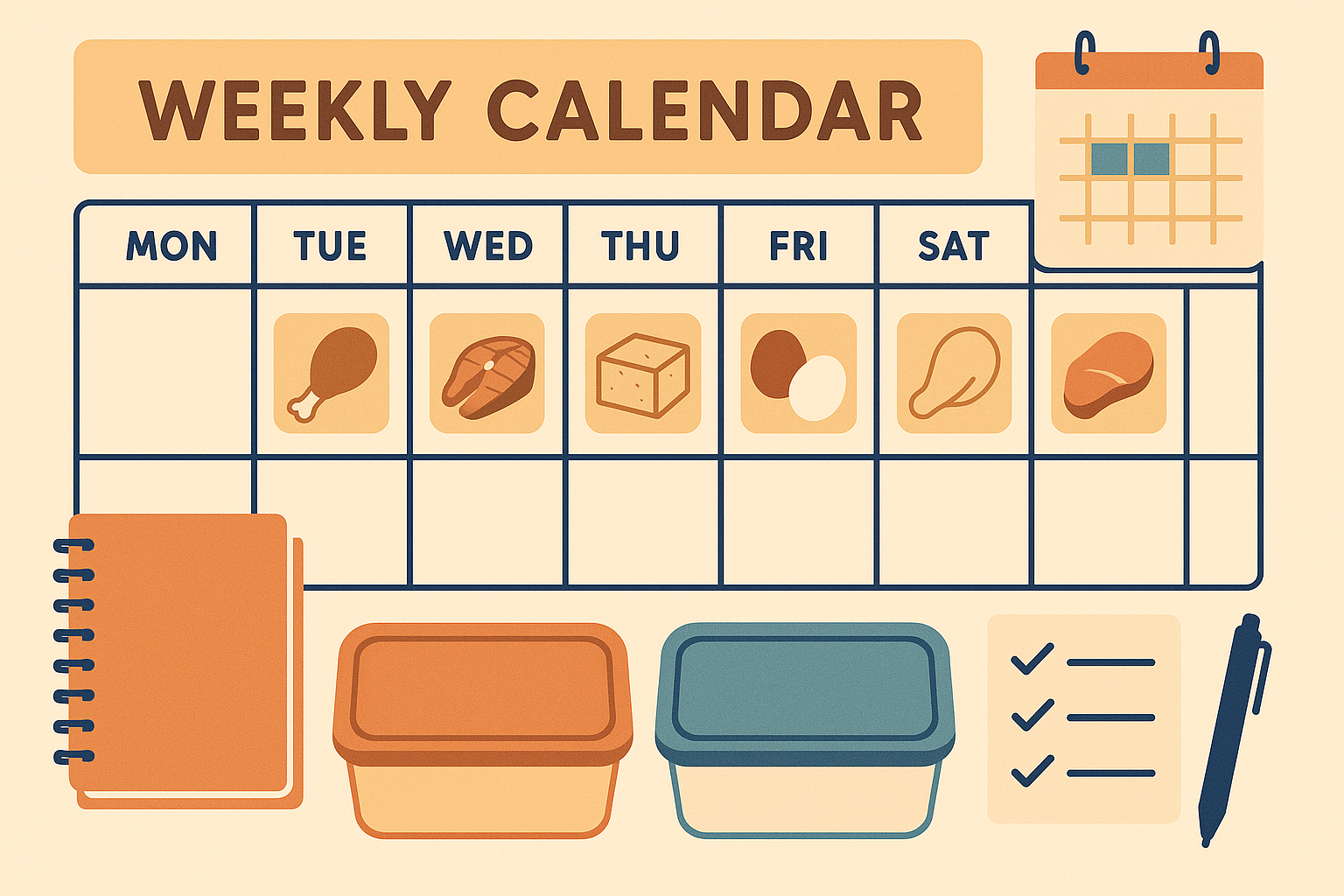
The Weekly Protein Schedule That Actually Works
Each day of the week serves a specific purpose in my system, requiring different protein amounts, sources, and timing. This prevents your body from adapting while optimizing changes throughout the week. Monday isn’t the same as Wednesday, and there’s a scientific reason for that.
This systematic approach builds on foundational principles, similar to how to cook delicious oatmeal every time, where consistency in preparation leads to superior results.
Monday: Metabolic Reset After Weekend Chaos
After weekend indulgences, Monday requires maximum protein intake (1.4-1.6g/lb) with emphasis on muscle-building sources to restore protein synthesis and stabilize blood sugar. I start with 40g protein within 30 minutes of waking and include protein at all six eating occasions throughout the day.
Monday Protocol Checklist:
- 40g protein within 30 minutes of waking
- Muscle-building sources prioritized (eggs, chicken, fish)
- Protein at all 6 eating occasions
- Total intake: 1.4-1.6g per lb bodyweight
- Minimize processed carbs
- Include digestive enzymes with meals
Wednesday: Training Metabolic Flexibility
Mid-week protein cycling with moderate restriction (0.8g/lb) combined with increased healthy fats trains your body to efficiently switch between fuel sources. I reduce protein portions by 30% compared to Monday while increasing healthy fats to 40% of total calories, focusing on fatty fish, nuts, and avocado-based meals.
Friday: Preparing for Social Situations
Strategic front-loading of protein creates a buffer for weekend social eating while maintaining muscle building. I consume 50% of my daily protein before 2 PM and prepare portable protein options for social situations – hard-boiled eggs, quality jerky, and emergency protein bars.
Research shows that meals on the Lean plan have anywhere from 30 to 55 grams of protein per meal, while the Gain plan offers as much as 60 to 80 grams per meal, demonstrating how protein targets must be adjusted based on individual goals and social eating patterns.
Batch Prep Systems That Actually Work
Sustainable high-protein eating requires efficient preparation systems that minimize daily decision-making while maximizing nutrient density and variety. I’ve refined this system over years of meal prep experimentation, focusing on what actually gets eaten rather than what looks good on Instagram.
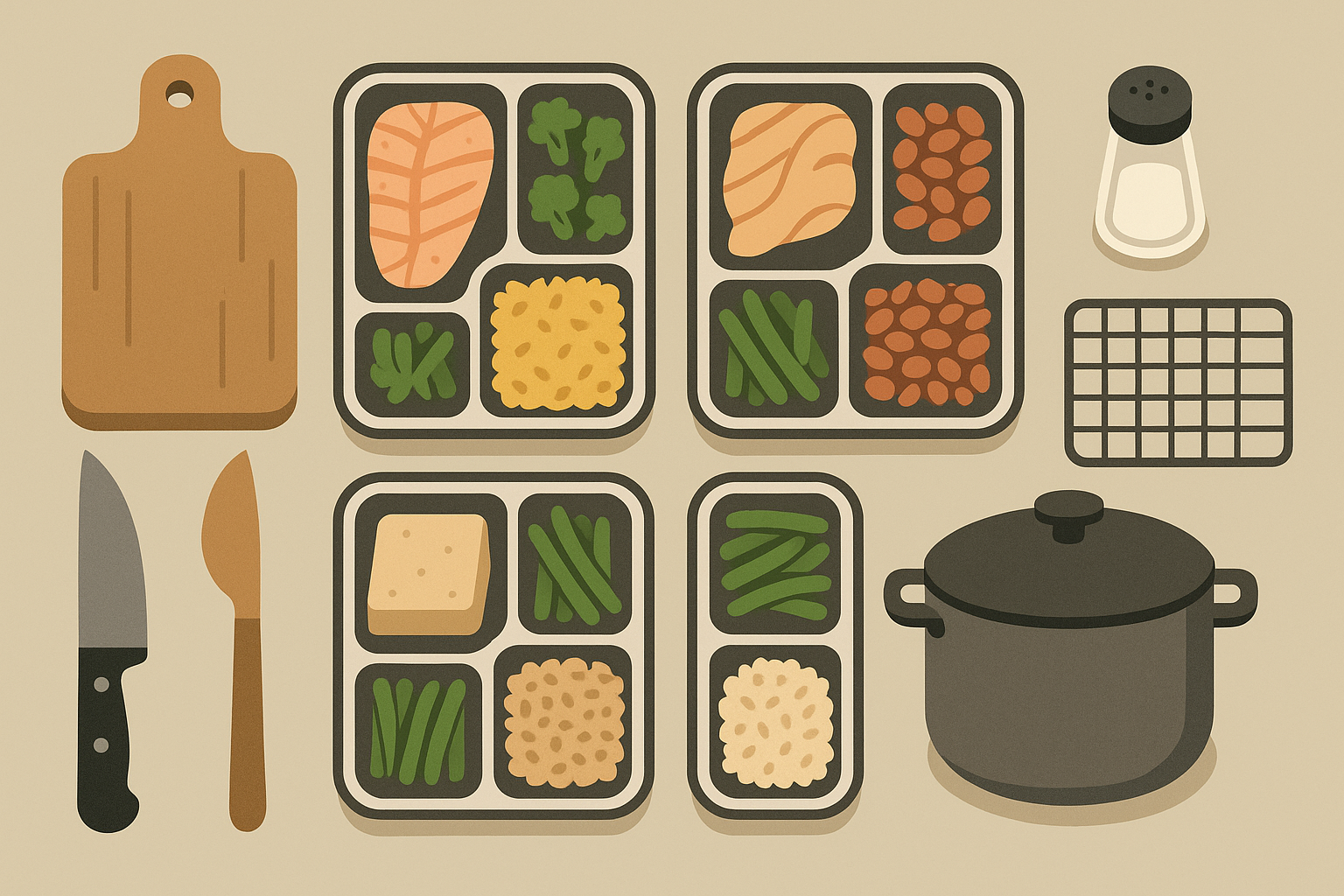
The 3-Protein Rotation That Prevents Boredom
Every Sunday, I prepare 2-3 pounds each of one lean protein (chicken breast, white fish), one fatty protein (salmon, grass-fed beef), and one plant-based option (tempeh, lentils, hemp seeds). This provides variety while streamlining meal assembly and reducing food waste throughout the week.
| Protein Type | Week 1 Options | Week 2 Options | Week 3 Options | Prep Method |
|---|---|---|---|---|
| Lean | Chicken breast | Turkey breast | White fish | Baked/grilled |
| Fatty | Salmon | Grass-fed beef | Sardines | Pan-seared |
| Plant-based | Tempeh | Lentils | Hemp seeds | Steamed/raw |
| Serving Size | 6-8 oz | 6-8 oz | 1/2 cup | Per meal |
| Weekly Prep | 2-3 lbs | 2-3 lbs | 3-4 cups | Sunday batch |
Flavor Profile Cycling for Long-Term Success
I rotate through Mediterranean, Asian, and Latin American flavor profiles weekly to prevent taste bud boredom. Week 1 features herbs, olive oil, and lemon; Week 2 incorporates ginger, tamari, and sesame; Week 3 emphasizes cumin, lime, and cilantro. This simple system keeps meals interesting while using the same protein bases.
Emergency Protocols for Real Life
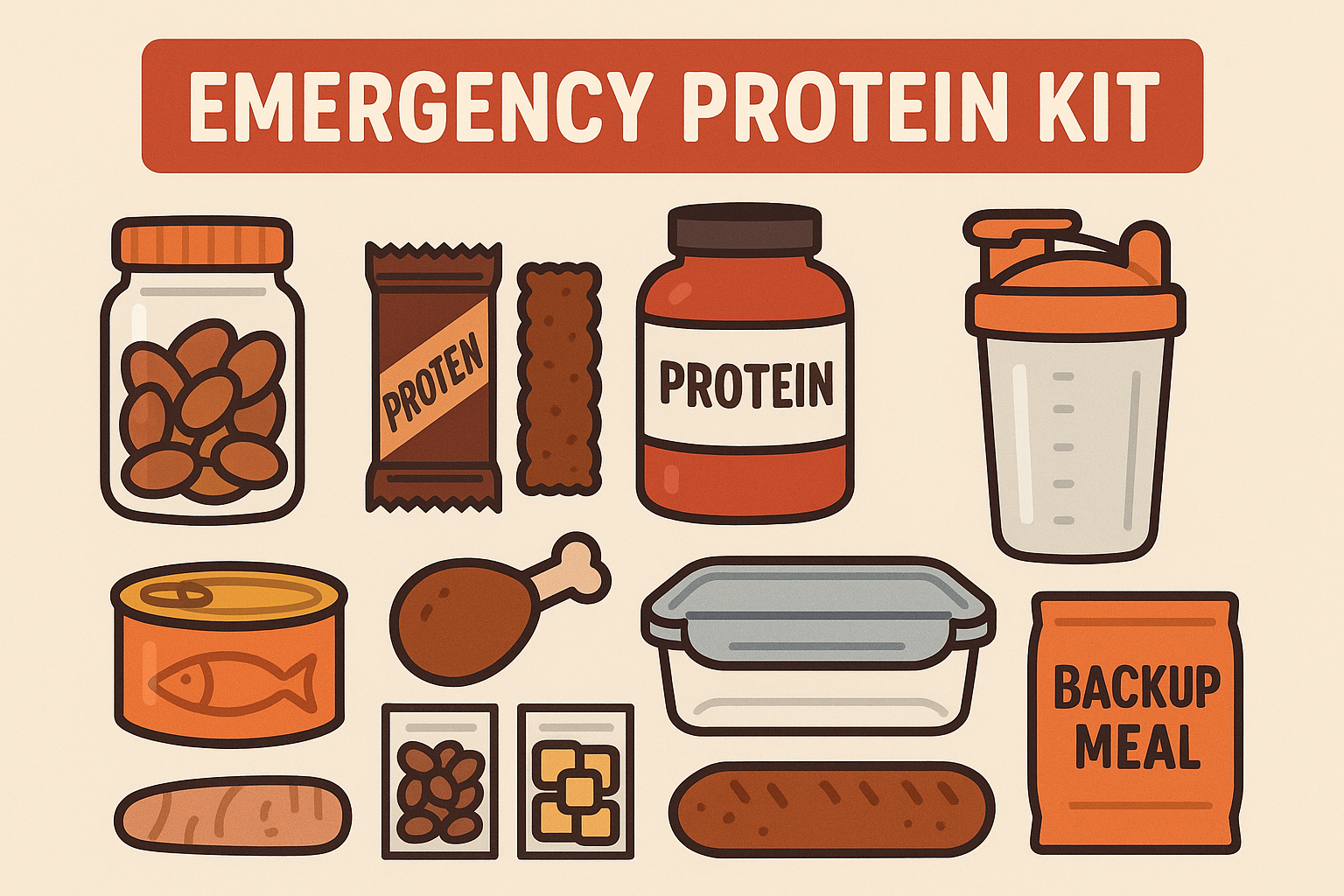
Life disrupts meal prep plans, so I maintain backup systems that prevent complete derailment. I stock three shelf-stable protein options (canned fish, protein powder, nuts), identify five high-protein restaurant options within 10 minutes of home and work, and keep protein-rich snacks in my car, office, and gym bag.
Emergency Protein Kit Checklist:
- 3 cans wild-caught salmon/sardines
- 2 single-serve protein powder packets
- 1 bag mixed nuts (almonds, walnuts)
- Hard-boiled eggs (weekly refresh)
- Quality protein bars (minimal ingredients)
- Restaurant backup list with macros
- Portable shaker bottle
For readers looking to implement these strategies, Organic Authority offers carefully vetted marine collagen and clean protein supplements that support the gut-brain optimization protocols outlined here. Their rigorous testing standards ensure you’re getting bioavailable nutrients without the environmental toxins that can sabotage your results.
Final Thoughts
Look, I wish someone had explained these concepts to me years ago when I was struggling with generic high-protein meal plans that left me frustrated and spinning my wheels. The difference between eating protein and actually using it effectively involves understanding your body’s natural rhythms, genetic quirks, and the complex relationship between gut health and metabolism.
This isn’t about perfection or following rigid rules – it’s about working with your biology instead of against it. Start with one or two concepts that resonate most with your current situation, whether that’s optimizing your morning protein timing or incorporating fermented protein sources. Small, consistent changes compound over time into significant transformations.
Remember that everyone’s different. What works for your gym buddy might not work for you, and that’s totally normal. Don’t get caught up in perfection – just pick one thing from this post and try it for a week. Maybe it’s the morning protein thing, maybe it’s chewing your food more. Start somewhere and see what happens.
And hey, if this all sounds overwhelming, just remember: people built muscle and stayed healthy for thousands of years without tracking macros or reading blog posts. Sometimes the best approach is the one you’ll actually stick with, even if it’s not perfect on paper. Your body will tell you what’s working if you learn to listen.