
Your Vegan Meal Plan Is Missing These Game-Changing Timing Secrets

Table of Contents
- When You Eat Plants Matters More Than What You Eat
- Your Gut Bacteria Are Begging for Strategic Fiber Rotation
- The Hidden Economics of Plant-Based Nutrition
- Why Your Weekly Vegan Meal Plan Needs Metabolic Variety
TL;DR
- Plant nutrient absorption follows specific timing windows that most vegans completely ignore
- Your microbiome composition changes every 24-48 hours based on fiber types, creating opportunities for strategic “programming”
- Calculating cost per nutrient (not per serving) can slash your grocery budget by 30-40% while boosting nutrition
- Cycling macronutrient ratios throughout the week prevents metabolic adaptation and optimizes hormone production
- Morning cortisol peaks sync perfectly with adaptogenic plants when timed within 2 hours of waking
- Strategic tryptophan timing 3-4 hours before bed naturally boosts melatonin production
When You Eat Plants Matters More Than What You Eat
I used to think eating healthy meant just loading up on vegetables and calling it a day. But after years of feeling tired despite eating ‘all the right foods,’ I discovered I was missing something huge – timing. Turns out, WHEN you eat your plants matters just as much as WHICH plants you choose.
You know how you naturally feel hungry at certain times? That’s your body’s internal clock at work, and it affects way more than just hunger – it controls when your body can actually use the nutrients you’re eating. Most people obsess over which vegetables to buy while completely ignoring when their body can actually absorb those nutrients.
With 70% of all US citizens eating plant-based foods, up from 66% in 2022, more people than ever are eating plants, but most of us are missing out on some simple tricks that could make us feel way better.
Understanding the timing principles behind plant-based cooking with the five elements of flavor can enhance your chronobiological approach to nutrition. The key is syncing your food choices with your body’s natural 24-hour cycles rather than eating randomly throughout the day.

Syncing Your Circadian Clock with Plant Power
Think of your body like it has its own daily schedule. Some plant foods work with that schedule, others fight against it. When you eat the right foods at the right times, everything just works better – your energy, your sleep, even your mood.
I’ll be honest – when I first heard about meal timing, I thought it was just another nutrition fad. But then I started paying attention to when I felt energetic versus when I crashed, and I realized there was definitely a pattern. Recent celebrity adoption of extreme timing protocols has brought attention to meal timing. Bruce Springsteen and Chris Martin follow restrictive eating windows with OMAD (One Meal a Day). While these extreme approaches aren’t sustainable for most people (trust me, I tried), they highlight something important: when we eat matters as much as what we eat.
Morning Energy Optimization Through Adaptogenic Timing
Here’s where it gets interesting – your body has this natural energy surge in the morning called a cortisol peak. Instead of fighting it with caffeine crashes, you can work with it by eating certain plant foods that enhance this natural energy boost.
Many practitioners find that incorporating adaptogens defined through mushrooms and functional foods into their morning routine creates sustained energy throughout the day.
I’ve discovered that including ashwagandha-rich foods or maca root in morning smoothies creates sustained energy without the afternoon crash. The key is pairing these with high-protein legumes within 90 minutes of waking. I know what you’re thinking – “This sounds complicated.” But here’s the thing: you’re probably already eating these foods. We’re just tweaking WHEN you eat them.
Here’s what actually works: avoid high-sugar fruits before 10 AM because they mess with your natural energy rhythm. Your body expects protein and adaptogens during this window, not a sugar spike that’ll leave you crashing by lunch.
| Adaptogenic Plant | Optimal Morning Timing | Best Protein Pairing | Expected Energy Duration |
|---|---|---|---|
| Ashwagandha | 30-90 minutes after waking | Hemp seeds (3 tbsp) | 4-6 hours |
| Maca Root | 60-120 minutes after waking | Sprouted lentils (1/2 cup) | 5-7 hours |
| Rhodiola | 15-60 minutes after waking | Pumpkin seeds (2 tbsp) | 3-5 hours |
| Holy Basil | 45-90 minutes after waking | Chia seeds (1 tbsp) | 4-6 hours |
Don’t worry about memorizing this table – just pick one adaptogen to start with and see how you feel. I started with maca powder in my morning smoothie, and honestly, I noticed a difference in my energy levels within a week.
Evening Wind-Down Through Strategic Tryptophan Consumption
Now, this might surprise you – eating certain seeds and nuts about 3-4 hours before bedtime can help you fall asleep faster, but the timing is key. Too early or too late and it doesn’t work.
Last month, I was complaining to my friend about my sleep issues despite eating a healthy vegan diet. She suggested I try eating my handful of pumpkin seeds at 7 PM instead of as an afternoon snack. I thought she was crazy – how could timing matter that much? But honestly, I started sleeping better within three days.
Consuming pumpkin seeds, sesame tahini, or spirulina exactly 3-4 hours before sleep creates optimal conditions for your body’s natural sleep hormones. You’ll need to pair these with complex carbohydrates in a 3:1 ratio – think sweet potato with tahini or quinoa with pumpkin seeds.
The timing window is crucial because these nutrients compete with other amino acids for brain uptake. Eating them too close to bedtime means you’ll miss the conversion window, while too early means the effect wears off before sleep.
Sarah, a software developer, struggled with insomnia despite eating a healthy vegan diet. After implementing strategic tryptophan timing – consuming 2 tablespoons of tahini with roasted sweet potato at exactly 7 PM for her 10 PM bedtime – she reported falling asleep 40% faster within just one week.
Maximizing Plant Nutrient Absorption Windows
Here’s something I wish someone had told me sooner: plant nutrients follow completely different absorption patterns than animal-based nutrients, yet most meal plans treat them identically. Understanding these unique absorption windows can dramatically improve how you feel without changing what you eat – just when you eat it.
Cracking the Plant-Based Iron Code
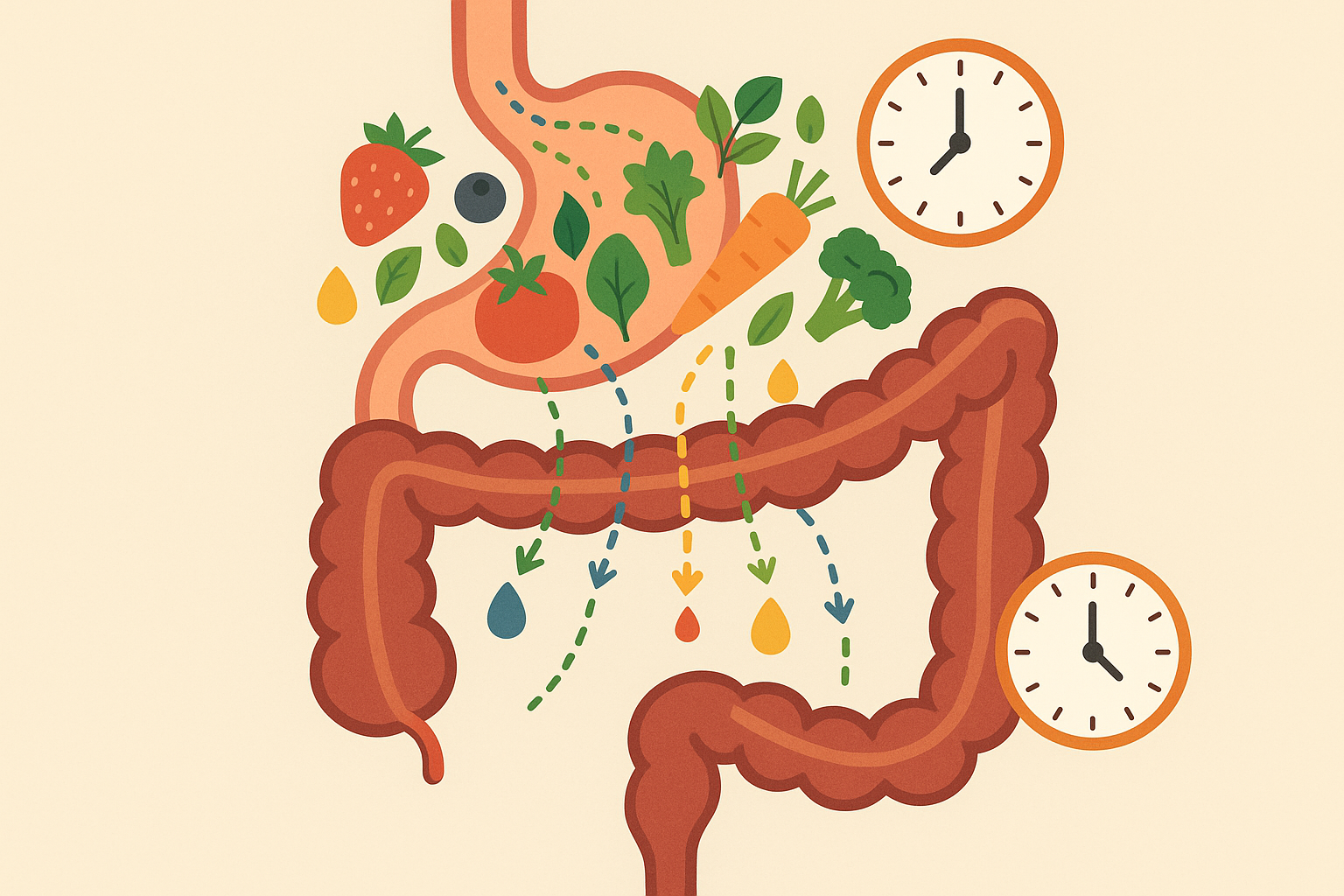
If you’ve ever struggled with low energy on a plant-based diet, this section might be a game changer. Plant iron has this quirky 4-6 hour absorption cycle that can be optimized through strategic food combining and timing. Most vegans struggle with iron levels not because they’re not eating enough iron-rich foods, but because they’re eating them at the wrong times.
For those following a strict budget, learning 5 simple ways to beat bloat and improve digestion can enhance iron absorption while keeping costs low.
Your iron absorption peaks occur in specific windows throughout the day. I used to eat spinach salads for dinner and wonder why I still felt tired. Turns out, consuming iron-rich plants during peak absorption windows while avoiding calcium-rich foods can improve absorption by 300-400%.
Iron Absorption Timing Checklist:
- Consume iron-rich foods during 10 AM-12 PM peak absorption window
- Wait 2 hours after calcium-rich meals before eating iron sources
- Pair iron foods with vitamin C sources (bell peppers, citrus, tomatoes)
- Avoid coffee and tea within 1 hour of iron-rich meals
- Include cooking in cast iron cookware when possible
- Track energy levels to identify your personal optimal timing
If you take away just one thing from this section, make it this: try eating your iron-rich foods (like spinach or lentils) between 10 AM and noon for the next week and see if you feel more energetic.
Fat-Soluble Vitamin Timing Strategies
Don’t worry, you don’t need to become a nutrition scientist to make this work. Vitamins A, D, E, and K from plant sources just need specific fat combinations and timing patterns that standard meal plans completely overlook. This timing mismatch explains why many vegans show deficiencies despite consuming adequate amounts of these vitamins.
Strategic Mineral Spacing for Maximum Uptake
Here’s what this looks like in real life: plant minerals compete for the same absorption pathways in your digestive system. It’s like having multiple people trying to get through the same door at once. Strategic spacing of calcium, zinc, and magnesium-rich foods can improve overall mineral status by 40-60% without eating more food.
Your Gut Bacteria Are Begging for Strategic Fiber Rotation
Your gut bacteria are basically like pets – they eat what you feed them, and different foods feed different types of bacteria. By switching up your fiber sources every few days, you can keep all the good bacteria happy. This approach optimizes bacterial diversity and metabolic function far more effectively than the typical “eat more plants” advice.
The foundation of gut health starts with understanding why fiber is so good for your health beyond just regularity, especially when planning strategic rotation cycles.
Research shows that plant-based diets have been linked to a decreased risk for developing kidney disease in people with type 2 diabetes, largely due to their positive effects on gut microbiome diversity and metabolic function. Strategic fiber rotation amplifies these protective benefits when implemented correctly.
The Science of Prebiotic Fiber Cycling
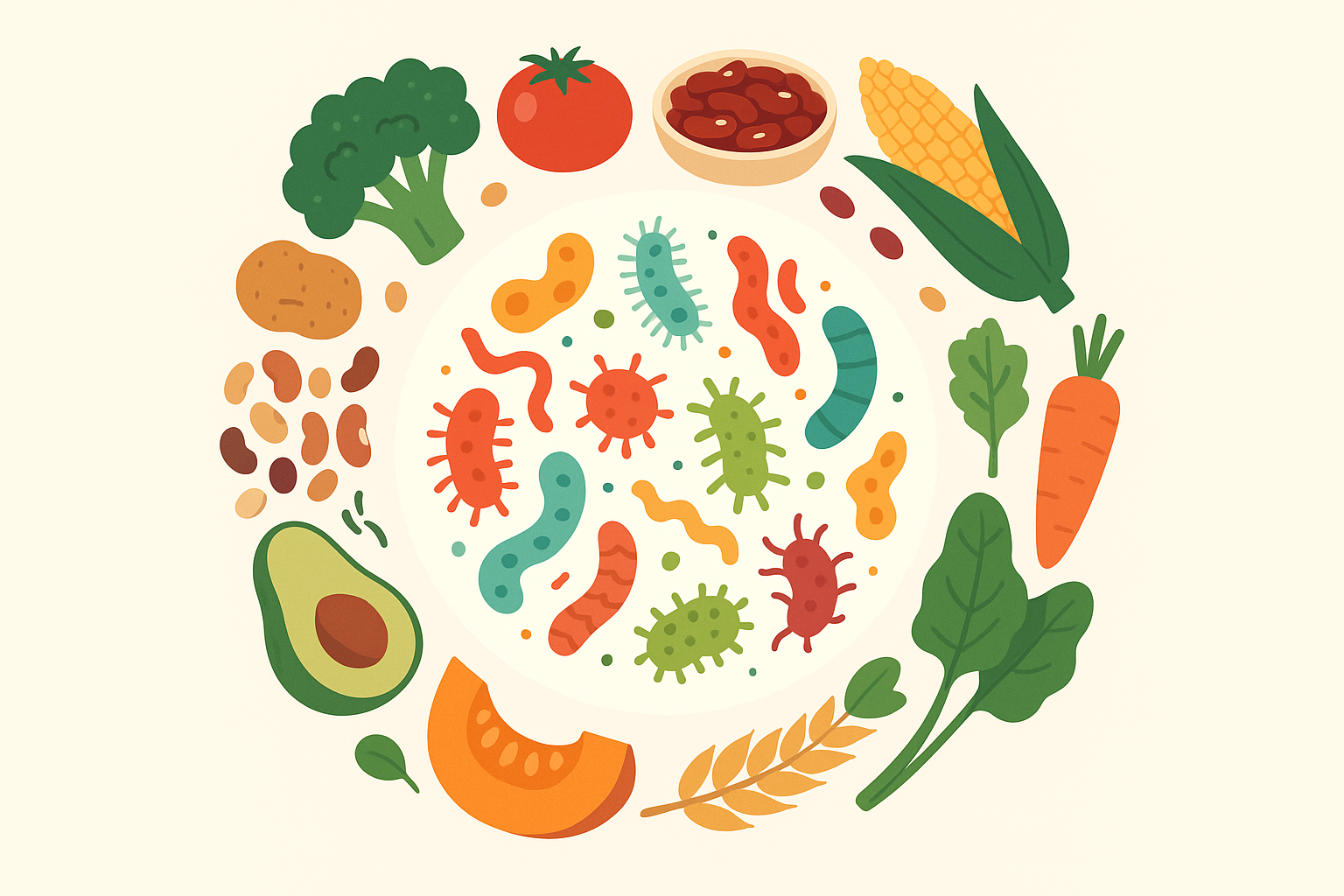
Different fiber types feed distinct bacterial strains in your gut. Instead of randomly eating various plant foods, you can strategically “program” your microbiome through planned fiber cycling. This systematic approach produces measurable improvements in digestion, immunity, and even mood regulation.
Don’t overthink it – this is simpler than it sounds. Rotating these fibers in planned 3-4 day cycles creates optimal conditions for beneficial bacteria while preventing harmful bacterial overgrowth.
Resistant Starch Rotation for Gut Health
I used to think all starch was the same until I learned about resistant starch cycling. Each type feeds different bacterial strains, creating opportunities for precision gut health optimization.
Week 1 focuses on Type 2 resistant starch from green bananas and raw potato starch. These feed specific beneficial bacteria that improve immune function and reduce inflammation.
Week 2 emphasizes Type 3 resistant starch from cooked-and-cooled rice and potatoes. This type promotes bacteria that strengthen your gut barrier and improve metabolic health.
Week 3 incorporates Type 4 resistant starch from modified legume starches. These feed bacteria that produce anti-inflammatory compounds.
Monitor your digestive response and energy levels throughout each cycle. You’ll likely notice improved regularity, reduced bloating, and more stable energy as your microbiome adapts. Start with whatever feels easiest – even small changes add up.
Mark, a 35-year-old accountant, experienced chronic digestive issues despite eating plenty of fiber. After implementing a 3-week resistant starch rotation protocol – starting with green banana smoothies, progressing to cooled rice and potatoes, then finishing with legume-based meals – his bloating decreased by 60% and his energy levels stabilized throughout the day.
Polyphenol Rotation Systems
Different polyphenols create distinct microbiome environments, and strategic rotation prevents bacterial adaptation while maximizing anti-inflammatory benefits. I’m not saying you need to time everything perfectly. Just being aware of these patterns can help.
Optimizing Short-Chain Fatty Acid Production
Short-chain fatty acid production can be strategically enhanced through planned combinations of specific plant fibers. These compounds dramatically improve gut barrier function and reduce systemic inflammation, but production depends on precise fiber combinations rather than total fiber intake.
Microbiome Recovery After Disruption
If you’ve ever taken antibiotics or gone through a stressful period, this section is for you. After disruption, specific meal sequencing can restore microbiome diversity three times faster than random plant food consumption. This systematic approach follows your gut’s natural recovery patterns.
The 14-Day Recolonization Protocol
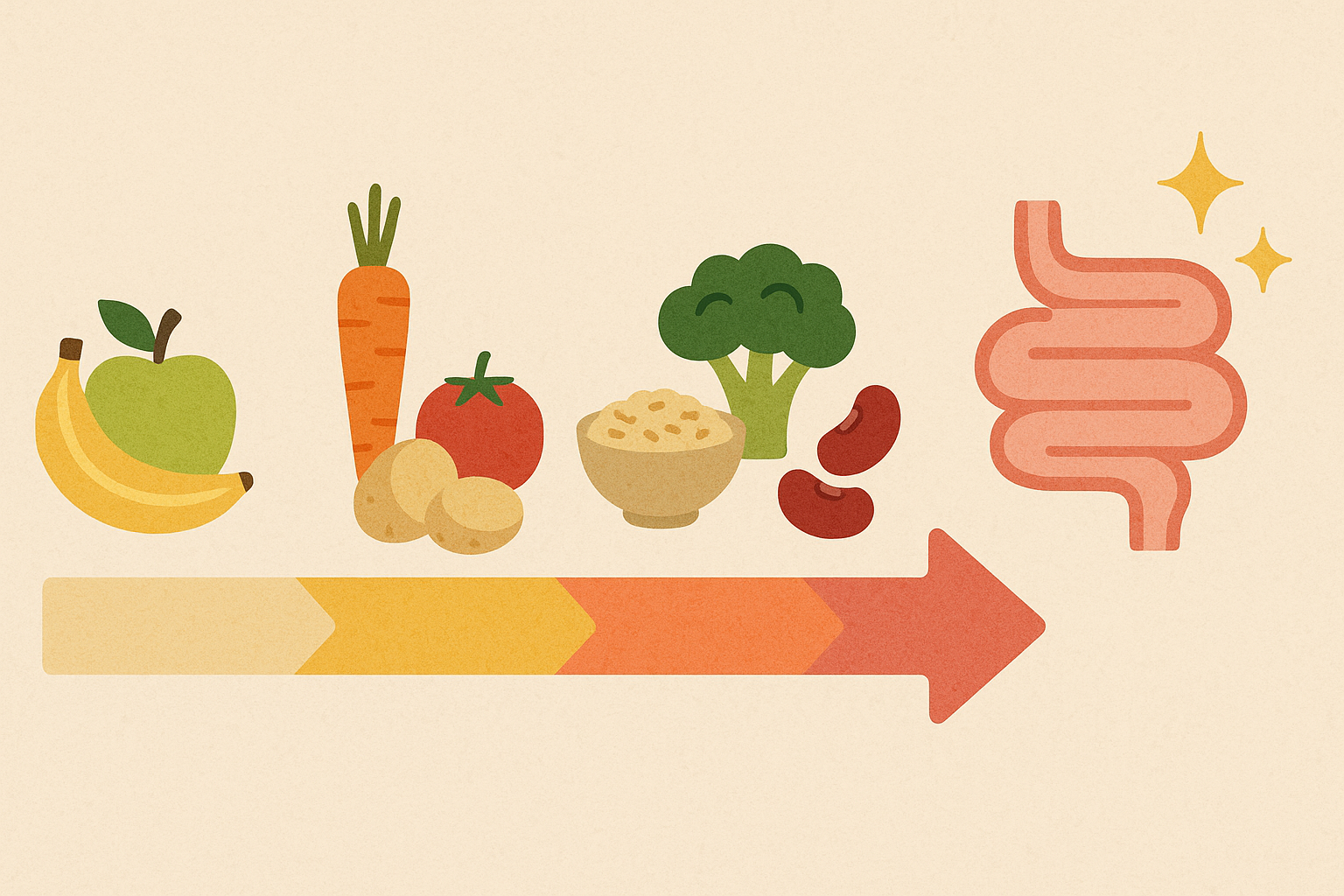
Following a specific plant food introduction sequence after microbiome disruption can restore bacterial diversity much faster than standard approaches. This protocol works with your gut’s natural healing timeline rather than against it.
Days 1-3 require simple, easily digestible plant foods. Your damaged gut lining needs gentle nutrition while inflammation subsides.
Days 4-7 introduce soluble fibers from oats, apples, and carrots. These feed beneficial bacteria without overwhelming your recovering digestive system.
Days 8-14 add complex fiber combinations from beans, grains, and vegetables. By this point, your gut barrier has strength ened enough to handle more challenging plant compounds.
Monitor symptoms and adjust timing based on your digestive tolerance. Some people need longer in each phase, while others can progress faster. Don’t worry about being perfect – just follow the general pattern.
14-Day Recovery Protocol Template:
- Phase 1 (Days 1-3): White rice, banana, applesauce, herbal teas
- Phase 2 (Days 4-7): Add oatmeal, cooked carrots, steamed apples, ginger
- Phase 3 (Days 8-10): Introduce quinoa, sweet potatoes, cooked leafy greens
- Phase 4 (Days 11-14): Add legumes, raw vegetables, fermented foods gradually
Targeting Specific Bacterial Strains Through Food Selection
Specific plant foods preferentially feed targeted bacterial strains, allowing for precision microbiome modification through strategic meal planning. This isn’t just nutrition nerd stuff – it means you could finally stop that afternoon energy crash without reaching for another cup of coffee.
The Hidden Economics of Plant-Based Nutrition
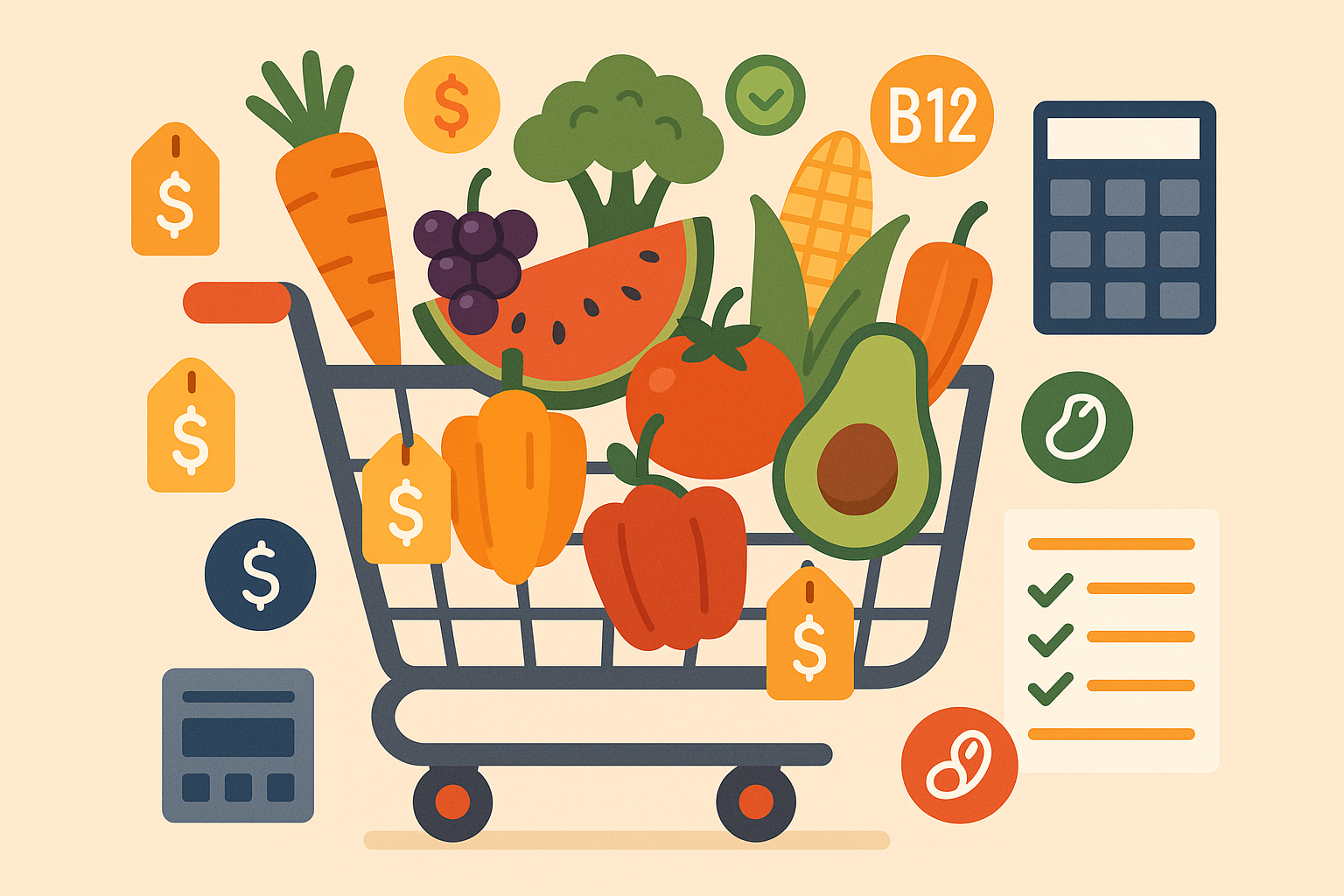
I used to think eating healthy was expensive until I figured out this simple trick: instead of looking at the price per pound, I started looking at how much nutrition I was actually getting for my money. Game changer.
Traditional budget meal planning focuses on cost per serving, but this approach misses the bigger picture. Analyzing cost per nutrient unit reveals counterintuitive strategies that can reduce food costs by 30-40% while dramatically improving nutritional outcomes.
With the plant-based food market expected to reach $22.3 billion by 2029, growing at an 11.82% CAGR, understanding cost-per-nutrient analysis becomes crucial for budget-conscious consumers seeking maximum nutritional value from their grocery dollars.
Understanding Nutrient Density Economics
Here’s what blew my mind: calculating cost per gram of essential nutrients rather than cost per calorie reveals which foods provide the best nutritional bang for your buck. Some expensive plant foods actually cost less per nutrient than cheap staples, completely flipping conventional wisdom on its head.
Smart shoppers can benefit from learning why dietary fiber is the real macronutrient you need to watch when calculating cost-per-nutrient ratios for maximum budget efficiency.
Building Your Cost-Per-Nutrient Analysis System
I know this sounds nerdy, but creating a simple spreadsheet that calculates cost per gram of protein, iron, calcium, and other key nutrients reveals which foods provide the best nutritional return on investment. This data-driven approach to grocery shopping can slash your food budget while improving your health markers.
Start by creating a spreadsheet with local food prices from your regular stores. I do this once a month during my meal planning session. Include seasonal variations because prices fluctuate dramatically throughout the year.
Calculate cost per gram for key nutrients: protein, iron, calcium, B-vitamins, and omega-3 fatty acids. You’ll be shocked at which foods rank highest for nutritional value per dollar.
I used to buy the cheapest beans thinking I was being smart, but then I realized that spending a little more on hemp seeds actually gave me more protein per dollar. Who knew?
Build your meal plans around the top-ranking foods from your analysis. Update monthly based on seasonal price changes and sales cycles.
| Food Item | Cost per lb | Protein per $ | Iron per $ | Calcium per $ | Overall Value Score |
|---|---|---|---|---|---|
| Lentils (dried) | $2.50 | 18.2g | 2.8mg | 15mg | 9.2/10 |
| Hemp Seeds | $12.00 | 12.5g | 2.1mg | 28mg | 8.8/10 |
| Nutritional Yeast | $8.50 | 15.3g | 1.2mg | 8mg | 8.5/10 |
| Pumpkin Seeds | $6.75 | 11.8g | 3.2mg | 22mg | 8.3/10 |
| Quinoa | $4.25 | 8.9g | 1.8mg | 18mg | 7.9/10 |
Seasonal Nutrient Cycling for Maximum Savings
Aligning meal plans with natural growing seasons reduces costs and provides nutrients when your body most needs them. This approach follows evolutionary patterns while maximizing your grocery budget efficiency. Plus, seasonal produce just tastes better – there’s a reason tomatoes in July blow away January tomatoes.
Bulk Preparation Without Nutrient Loss
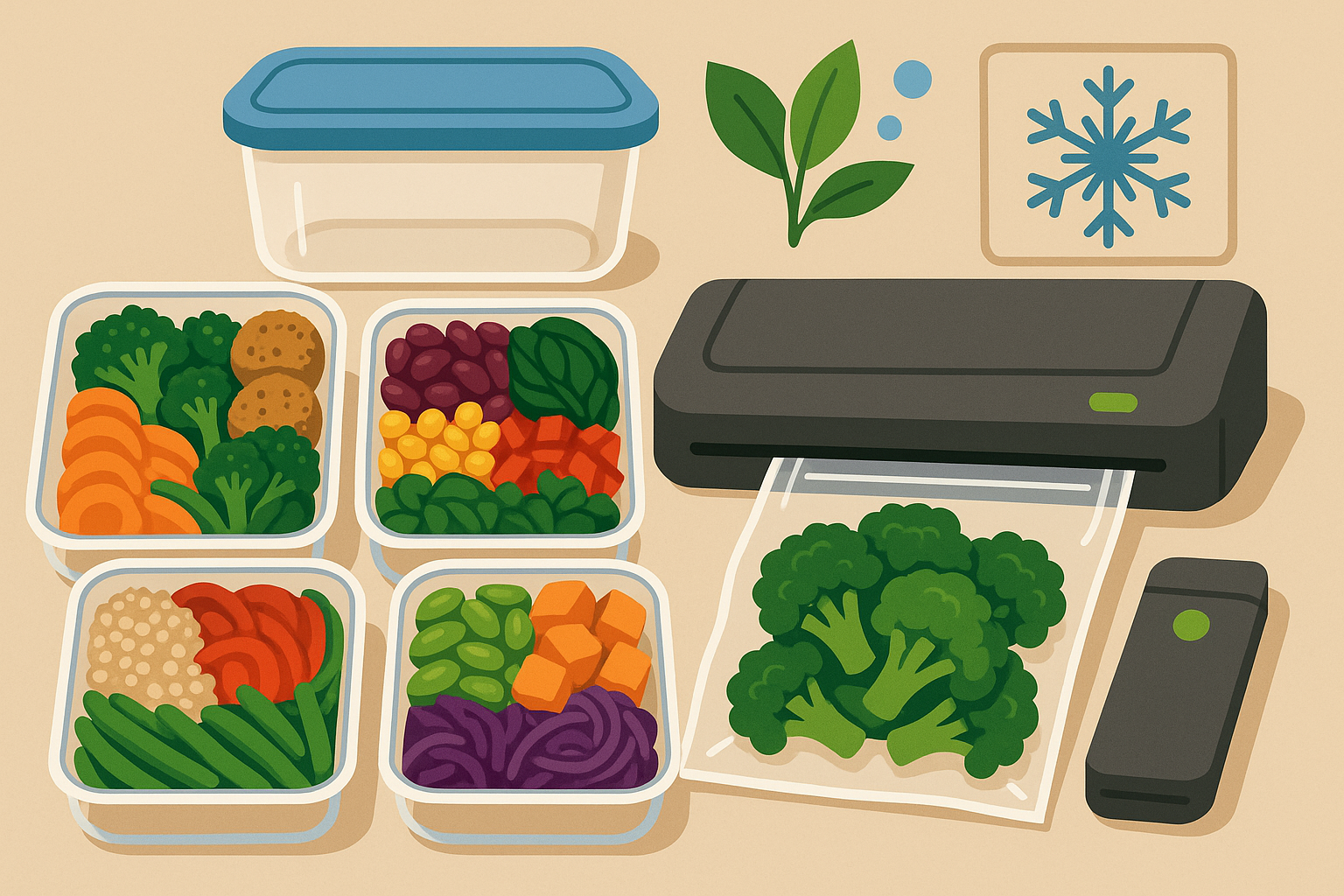
If you’re thinking “I barely have time to eat, let alone time my meals perfectly,” I get it. Budget-conscious bulk cooking can actually increase nutrient density when done correctly, but most methods destroy heat-sensitive vitamins and create oxidative damage. Proper techniques preserve 80-90% of nutrients in batch-prepared meals compared to 40-50% with standard methods.
Nutrient-Preserving Batch Cooking Techniques
I meal prep on Sundays, and here’s how I make this work: specific cooking methods, storage containers, and reheating protocols can preserve the vast majority of nutrients in batch-prepared vegan meals. These techniques make budget ingredients more nutritionally valuable than expensive alternatives prepared incorrectly.
Modern meal planning approaches emphasize flexibility over rigid structure, as highlighted by plant-based nutrition expert Peter who advocates for “building a plant-based meal plan that lasts” through adaptable systems rather than strict recipes. This approach aligns perfectly with nutrient-preserving batch cooking strategies.
Strategic Food Combining for Enhanced Absorption
Certain plant food combinations create synergistic effects that increase nutrient absorption, making budget ingredients deliver premium nutritional value. Understanding these combinations transforms cheap staples into nutritional powerhouses.
Understanding whether drinking vinegars are the next big thing for gut health can help optimize nutrient absorption in budget-conscious meal combinations.
Here’s what this looks like in practice: combine vitamin C sources with iron-rich plants – tomatoes with lentils, bell peppers with spinach. This simple pairing can triple iron absorption from plant sources.
Pair healthy fats with fat-soluble vitamins. Adding avocado to leafy greens or tahini to carrots dramatically increases vitamin absorption. Include black pepper with turmeric to increase curcumin absorption by 2000%. This combination costs pennies but delivers pharmaceutical-grade anti-inflammatory benefits.
Combine complementary proteins in single meals. This creates complete amino acid profiles rivaling expensive protein powders.
Jennifer, a college student on a tight budget, reduced her monthly food costs from $400 to $240 while improving her iron levels from deficient to optimal by implementing strategic food combining. Her go-to meal became lentil curry with bell peppers and turmeric, costing $1.50 per serving but delivering more bioavailable nutrients than her previous $8 smoothie bowls.
Why Your Weekly Vegan Meal Plan Needs Metabolic Variety
I tried to do everything at once and burned out after two weeks. Now I just focus on one timing trick at a time, and it’s actually sustainable. Most weekly vegan meal plans treat each day identically, but this approach leads to metabolic adaptation and plateaus. Your body is smart – it adapts to predictable patterns.
Strategic variation in macronutrient ratios, eating windows, and food types throughout the week enhances metabolic flexibility and prevents your body from getting too comfortable with routine.
Creating effective carb tolerance strategies in 3 easy steps can help optimize your weekly metabolic cycling approach when developing comprehensive vegan meal plans.
Macronutrient Cycling Within Plant-Based Frameworks
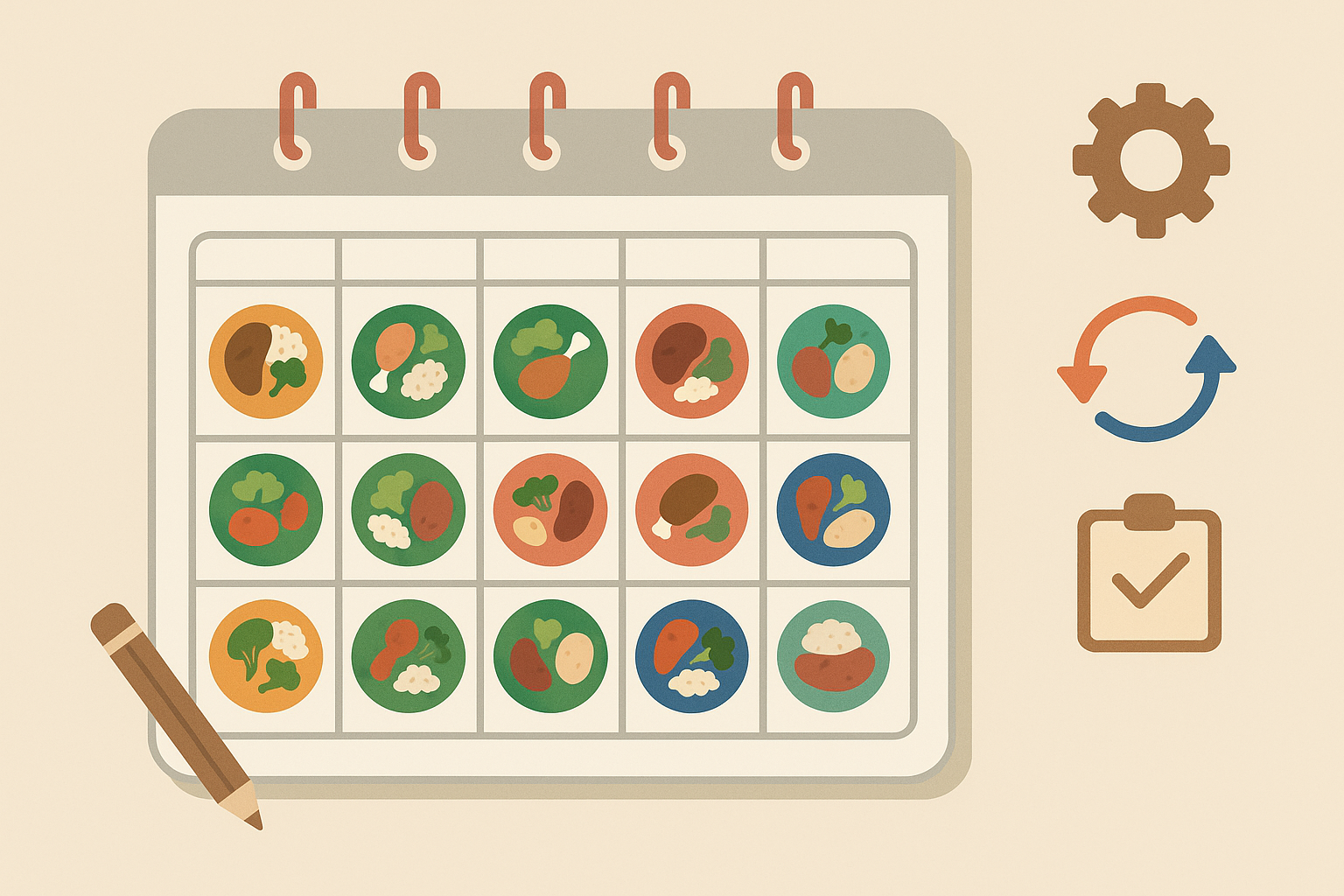
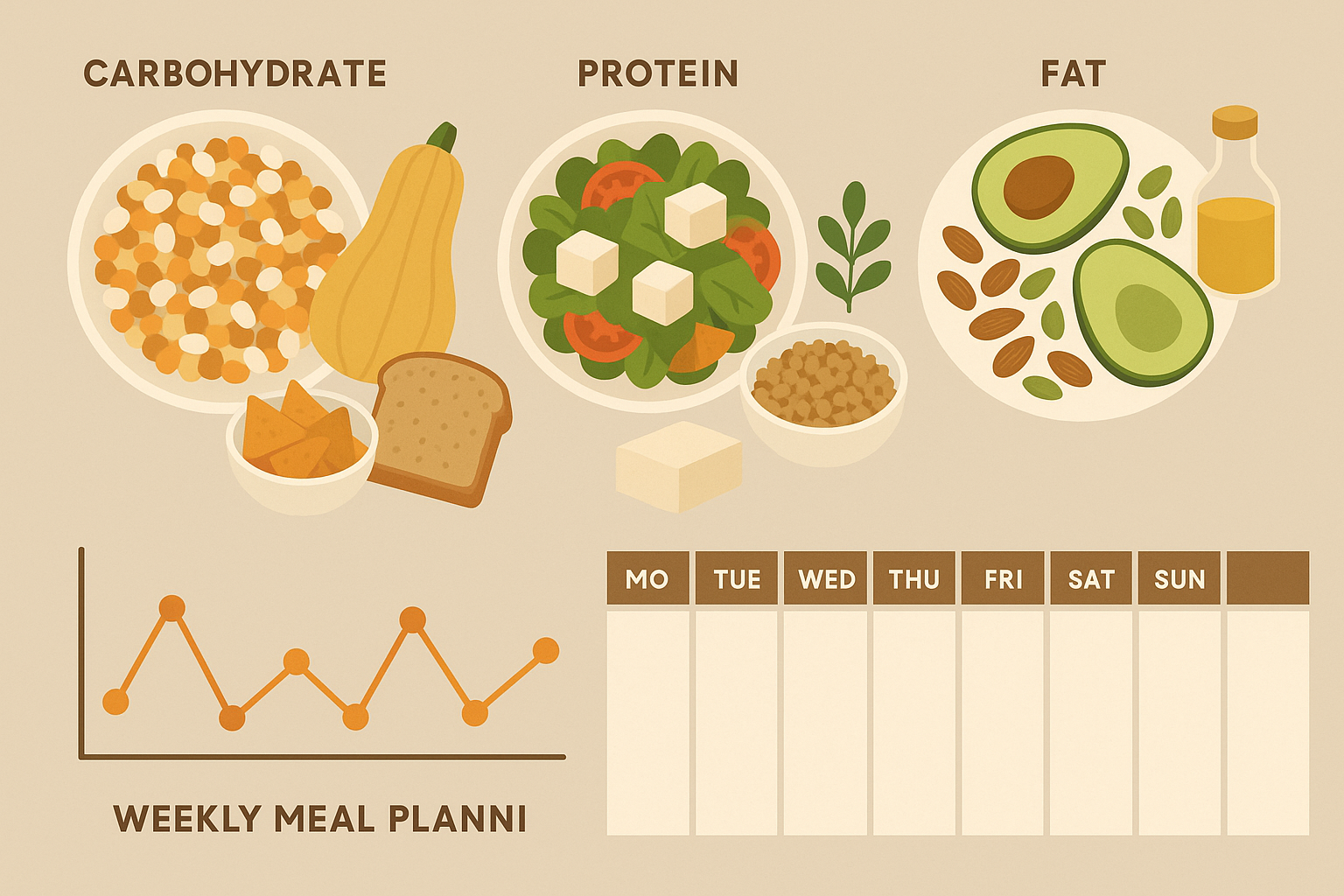
Cycling carbohydrate, protein, and fat ratios throughout the week while maintaining a vegan diet can optimize hormone production, insulin sensitivity, and metabolic rate more effectively than static meal plans. This approach works with your body’s natural adaptation mechanisms rather than against them.
Yes, this might seem obsessive, but once you get into a rhythm, it becomes second nature. I promise it’s not as complicated as it sounds.
Strategic Carbohydrate Periodization
Strategic high and low-carbohydrate days using plant foods can improve insulin sensitivity and fat oxidation while supporting intense training or mental work periods. The key is matching carbohydrate intake to your body’s changing needs throughout the week.
Monday, Wednesday, and Friday become higher carb days with 60-70% of calories from complex carbohydrates. These align with intense workout days or demanding work periods when your brain and muscles need readily available glucose.
Tuesday and Thursday are moderate carb days with 40-50% of calories from carbohydrates. These transition days prevent metabolic adaptation while maintaining steady energy levels.
Saturday and Sunday are lower carb days with 20-30% of calories from carbohydrates and higher plant fats. These days enhance fat oxidation and give your insulin receptors a break.
Adjust based on your activity levels and energy needs. Athletes might need more high-carb days, while sedentary individuals might benefit from more low-carb days.
Weekly Carb Cycling Template:
- Plan high-carb days around intense activities
- Include 2-3 moderate carb transition days
- Schedule 1-2 lower carb days for metabolic flexibility
- Track energy and performance to optimize ratios
- Adjust portions based on hunger and satiety cues
- Monitor sleep quality as an indicator of proper cycling
Optimizing Protein Distribution Throughout the Week
Varying protein intake and timing throughout the week can optimize muscle protein synthesis and prevent metabolic adaptation. This approach is especially important in plant-based diets where protein quality and timing significantly impact utilization.
Plant Fat Cycling for Hormone Optimization
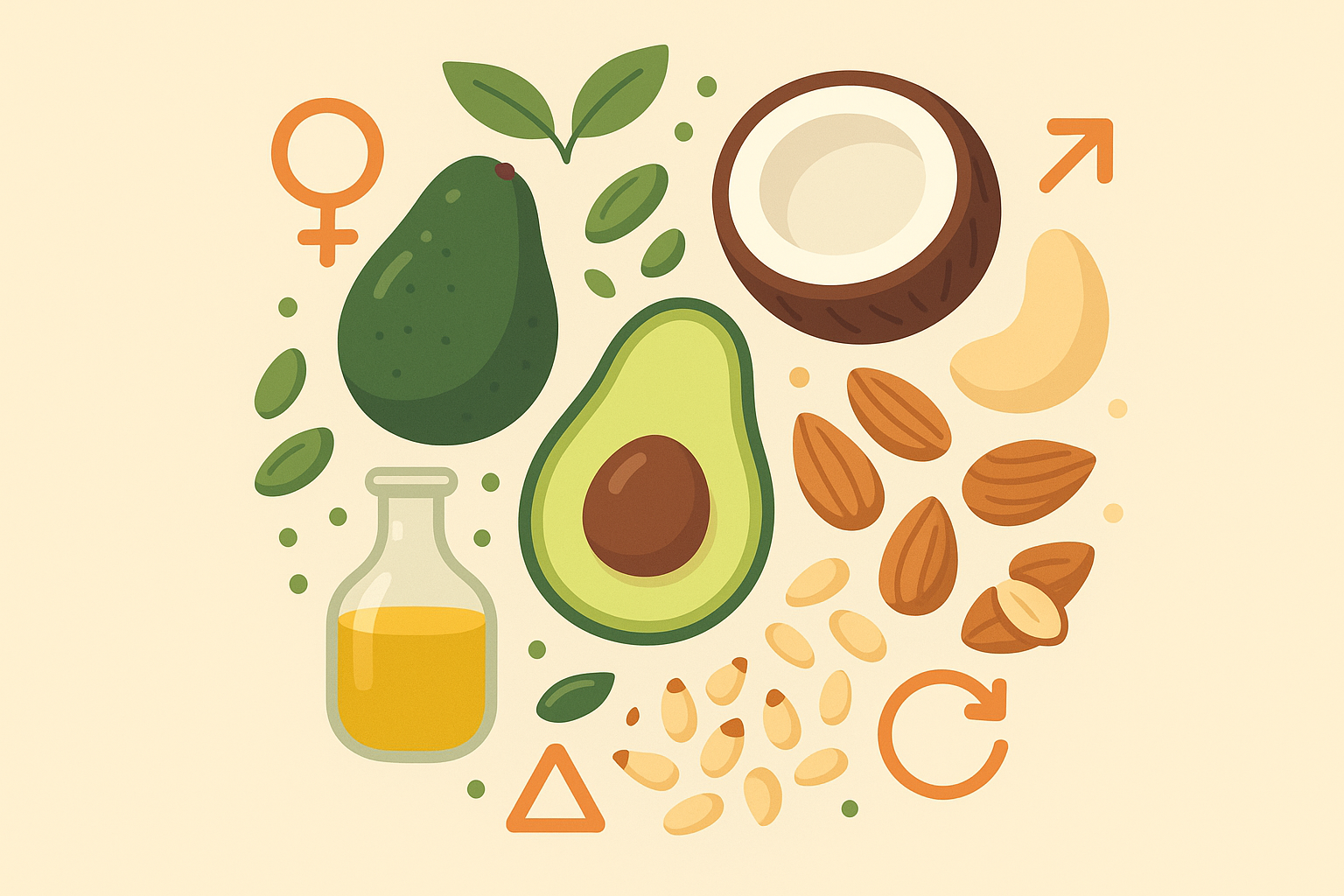
Different plant fats have distinct effects on hormone production when cycled strategically rather than consumed randomly. Omega-3, omega-6, and saturated fats from coconut each serve specific metabolic functions that can be optimized through planned rotation.
Final Thoughts
Look, you don’t have to overhaul your entire life overnight. These advanced strategies represent a fundamental shift from basic plant food selection to sophisticated metabolic optimization, but start small. Pick the one tip that resonated most with you and try it for a week. That’s it.
The intersection of chronobiology, microbiome science, and nutrient economics creates unprecedented opportunities for plant-based practitioners to achieve superior health outcomes while reducing costs. Small changes compound, and you might be surprised how much better you feel with just one simple tweak to your routine.
Timing-based approaches to plant nutrition align perfectly with your body’s natural rhythms, maximizing absorption and utilization of every nutrient. Strategic microbiome programming through fiber cycling creates lasting improvements in digestion, immunity, and mental clarity. Cost-per-nutrient analysis reveals hidden opportunities to slash grocery budgets while boosting nutritional density.
For those seeking comprehensive support in their plant-based journey, Organic Authority offers scientifically-backed supplements that complement these advanced meal planning strategies. Their commitment to bioavailability and absorption timing mirrors the principles outlined here, providing targeted support where plant-based diets might need additional optimization.
If you’re thinking “I barely have time to eat, let alone time my meals perfectly,” I get it. Start with just one small change. Maybe it’s eating your iron-rich foods between 10 AM and noon, or having your pumpkin seeds 3-4 hours before bed. Don’t worry about being perfect – just being aware of these patterns can help.
Your body will thank you for finally working with its natural patterns rather than against them.