The 3 Best Bread Ovens to Rival Bakery-Made Loaves in 2026
These 3 bread ovens are the most efficient way we've found to achieve perfect artisan bread loaves at home.
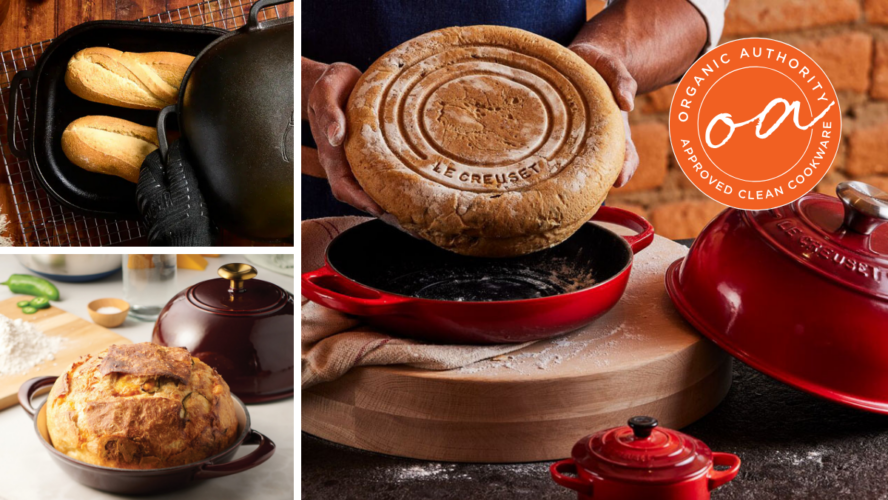
Whether you’ve been coddling a sourdough starter for decades or just jumped on the home baking train, you’ve probably compared your best loaves to those from your favorite bakery. It’s not you — the professionals have specialized equipment to achieve those golden, crackling crusts. However, it is possible to get closer to bakery-level results with one simple upgrade to your baking routine: A heavy, cast-iron bread oven.
I’ve been making sourdough for over a decade. I learned it from my dad, who was an early home sourdough adopter in the ’90s, and I’ve tested dozens of methods and baking techniques in pursuit of the perfect loaf. Cast iron bread ovens have been a game-changer when it comes to the structure, color, crust, and crumb of my loaves, and I won’t be going back any time soon. I tested the top options to help you find the best bread oven for your kitchen, whether you’re a die-hard sourdough aficionado or a newbie.
TL;DR: Quick Picks at a Glance
I narrowed it down to the three best bread oven options on the market for you to choose from based on your home baking priorities.
| Best For | Oven | Price | Overall Rating | ||||||
| Best for serious bakers | Challenger Breadware Bread Pan | $299.00 | 4.6/5 | ||||||
| Best budget option | Tramontina Cast Iron Bread Oven | $59.95 | 4.2/5 | ||||||
| Best premium option | Le Creuset Bread Oven | $324.95 | 4.4/5 | ||||||
How to Get Professional Results at Home
If you’re wondering why your bread isn’t turning out like the bakery’s, don’t beat yourself up. Bakeries use heavy-duty, commercial-grade deck ovens with rotating stone shelves (or decks). These decks retain heat and distribute it more evenly than the wire racks and metal baking sheets in most home kitchens.
While it’s not realistic for most people to replicate this set-up at home, you can get closer to a professional kitchen with a cast iron bread oven or stone baking dish. When cold dough contacts piping hot cast iron, heat immediately transfers to the loaf, which helps set the crust shape and give it that beautiful blistered texture you’re after. The rounded lid on a bread oven traps the steam released by the dough — as opposed to being exposed to the open air of your home oven, which is designed to vent steam. This helps keep the top of the loaf soft and pliable for the first few minutes of baking so it can finish rising into a nicely shaped dome.
The beauty of cast iron over a metal, silicone, glass, or ceramic baking vessel is that it heats slowly, holds heat evenly, and distributes that heat consistently during baking. The result is a more evenly shaped loaf with better crust color, a more open crumb, and that signature crack when you slice into it. Trust us — you’ll taste the difference in every slice of toast.
What to Look for in a Cast Iron Bread Oven
When shopping for bread ovens, start by considering the size and shape of the pan. A wider base and shorter height can help make beautiful oval-shaped batards and even flatbreads. A pan with a taller lid will produce taller, tighter loaves and generally gives you less flexibility with the shape and size of your bread.
You’ll also need to decide between bare cast iron and enameled. Bare metal radiates heat directly into the dough to produce darker, crisper crusts, but you may need to season the pan, and it’s not quite as nonstick. Enameled cast iron is easier to clean and doesn’t require seasoning. However, the barrier between the metal and your loaf may dampen your bread, reducing the crispiness of your results.
Explore our 17 favorite presents for home bakers in this gift guide.
How We Chose the Best Bread Ovens
To help you find the best bread oven for you, I tested the factors that matter most to home bakers: heat retention and distribution, how well the lids trap steam, size and shape, and ease of use for bakers of various skill levels. I also considered design features like weight, handle placement, enamel, and maintenance requirements. Finally, I factored in price to evaluate the overall value of each oven.
1. Challenger Breadware Bread Pan
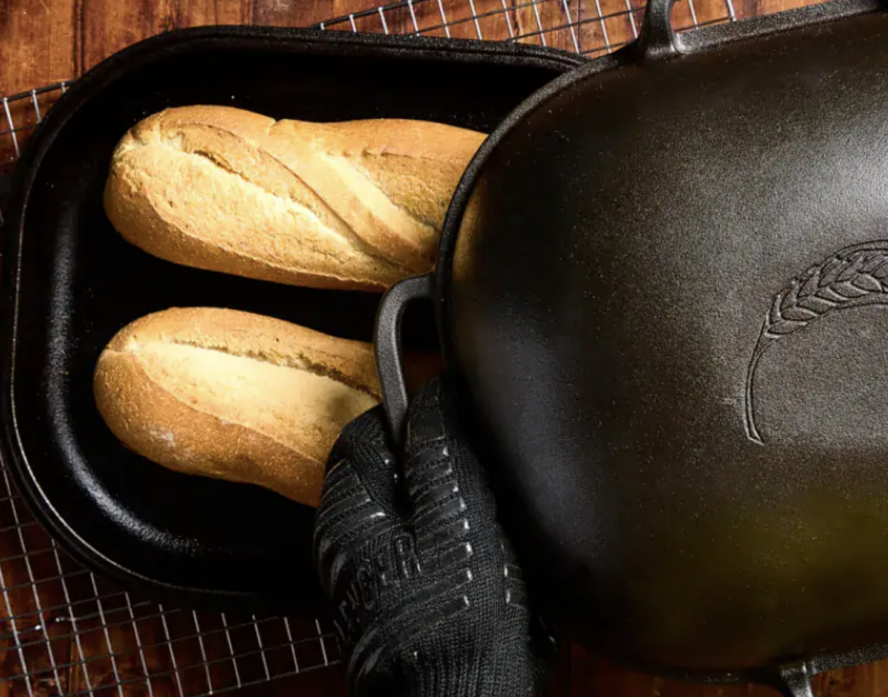
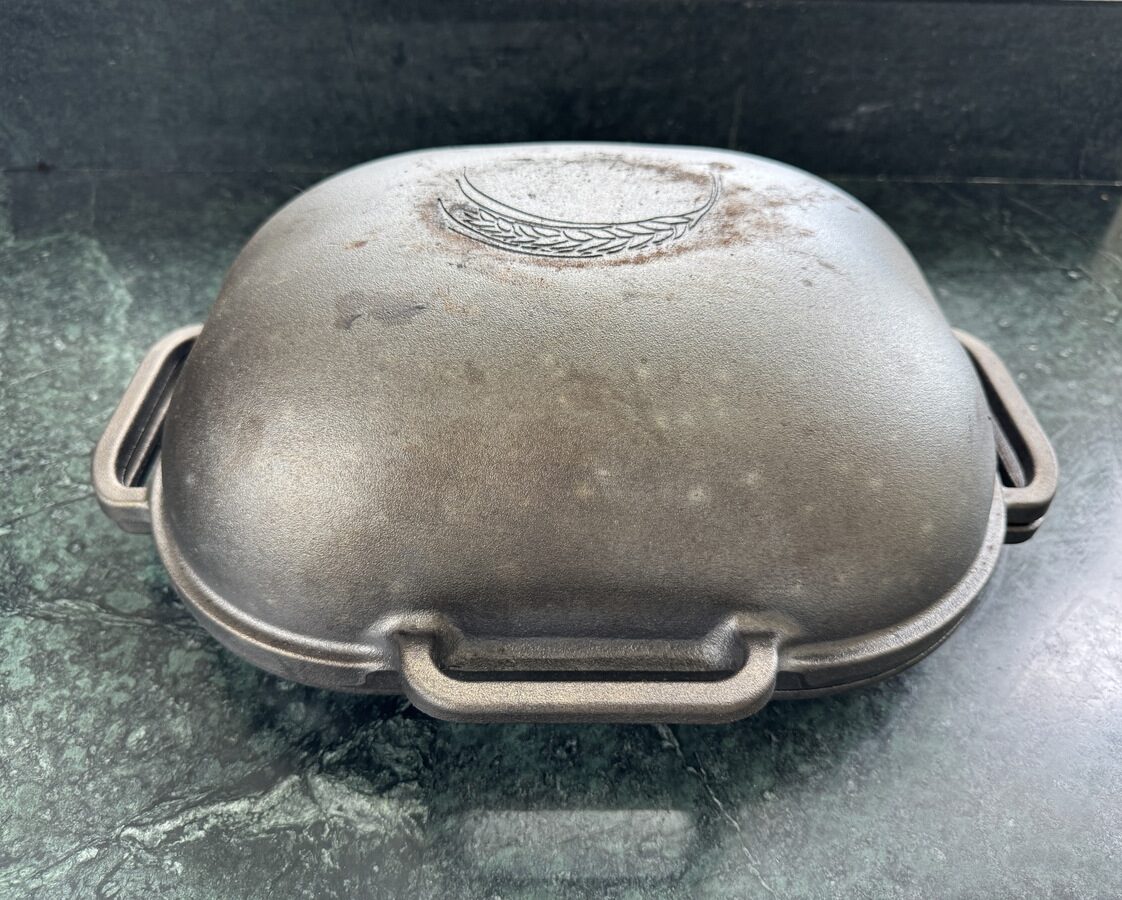
The Challenger Bread Pan was designed by Jim Challenger, a home baker who couldn’t find a cast iron vessel large enough or shaped correctly for serious artisan bread. He created a uniquely shaped pan with a broad, low-profile 15.5 x 10.5 in. base. This spacious base accommodates full-sized oval batards as well as other baked dishes, including everything from focaccias to creative pancakes.
The pan is made from thick, heavy, bare cast iron that transfers heat directly into your dough. This helps produce steam that encourages a nice rise and an open crumb. During testing, the loaves I baked in the Challenger pan always had a rich brown bottom and beautiful crackling all over.
The gently domed rectangular lid forms a tight seal with the base to trap steam. It’s also large enough to double as a baking dish on its own when flipped upside down, making it not only a contender for the best bread oven but also a versatile favorite for tasty focaccias and pull-apart breads (I highly recommend this Roman Pizza recipe from James Beard Award winner Greg Wade!). Both the base and lid have handles so you can get a sturdy grip on either piece — just remember your oven mitts. The pan is oven-safe up to 500°F and comes pre-seasoned. I didn’t have any issues with rusting, nor did I find this pot difficult to clean or maintain.
My final verdict? The Challenger Bread Pan produced the best boules and thick-crust pizzas of any bread oven I tested. Though it was heavy to maneuver around the kitchen at 20 pounds, I found it easy to use, and the Challenger website is full of creative recipe inspiration for items beyond bread.
Specs:
- 15.5″ L x 10.5″ W x 5.5″ H
- Total Weight: 20 lbs; Lid: 11.3 lbs, Base: 8.7 lbs
- Suitable for oven use up to 500°F (260°C)
Price: $299 at time of publish
Criteria Evaluation
- Heat Retention: 5/5 – Thick black cast iron delivers maximum radiant heat to the dough for a deep crust color
- Steam Trapping: 5/5 – Tight-sealing lid maintains steam for better oven spring
- Size & Versatility: 5/5 – Large, shallow base accommodates more loaf shapes than other ovens
- Ease of Use: 4/5 – The 20-pound weight can be cumbersome, especially when hot
- Value: 4/5 – Upfront investment pays for itself for serious bread bakers
| Pros | Cons | ||||||
| Large base fits batards, boules, baguettes, and even non-bread items like chicken | Heaviest option at 20 pounds | ||||||
| Black cast iron delivers maximum heat and produces the darkest, most crackling crust | Bare cast iron is more prone to rust than enamel | ||||||
| Tight-sealing lid traps steam for optimal oven spring | Premium price | ||||||
| Pre-seasoned and ready to bake; oven-safe up to 500°F |
Community Reviews and Expert Recommendations
This cast iron bread oven consistently gets high praise from both home bakers and professionals alike. Reviewers love the large base, versatility, and ability to produce crisp, golden-crusted batards — not to mention flatbreads, dinner rolls, and even roast chickens.
2. Tramontina Cast Iron Bread Oven
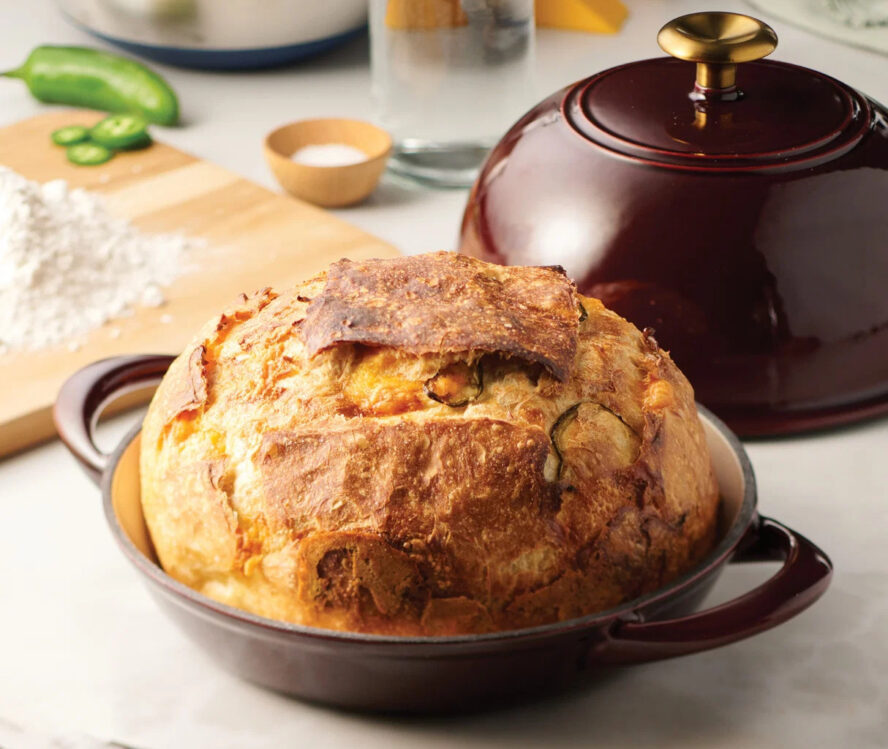
The Tramontina Cast Iron Bread Oven offers the performance of a dedicated bread oven without the price premium. Despite the much more wallet-friendly price tag, this oven has the same features I look for in any of the high-end bread ovens I’ve tried. It’s made from dense cast iron for heat retention and even distribution. The domed lid sits firmly on top for a tight-fitting seal that traps steam.
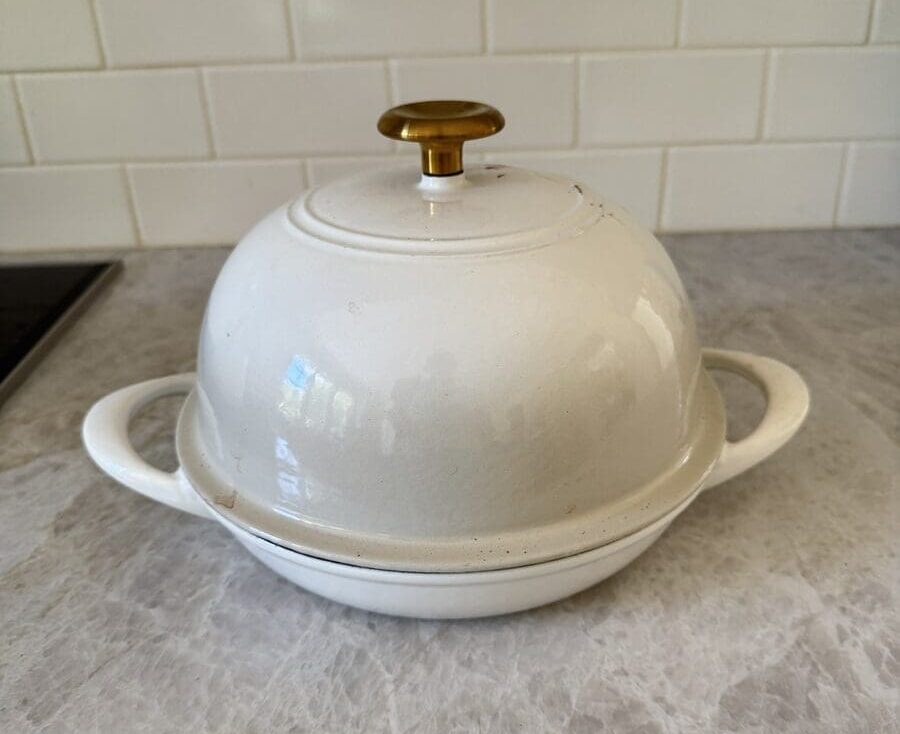
This vessel is made from enameled cast iron and comes in five chic colors. All have an off-white porcelain interior that does a great job of preventing food from sticking and is fairly easy to wipe clean (though it does show dings and smudges more than darker enamel or bare cast iron). The pan has a round 9.5-inch base, which isn’t as versatile as other options but is great for small to medium loaves.
During testing, it produced nicely shaped boules with a warm golden color. The bottoms weren’t quite as evenly dark as the loaves from the Challenger pan, but the results were still tasty. I did find that the exterior smudged easily after just a few uses on the white enameled version, so that’s something to be aware of if you’d prefer a super low-maintenance piece. This pan also doesn’t accommodate elongated or oval-shaped loaves.
Specs:
- Size: 9.5-inch round
- Suitable for oven use up to 500°F (260°C)
Price: $59.95 at time of publish
Criteria Evaluation
- Heat Retention: 4/5 – Solid cast iron construction retains heat well; enamel coating slightly dampens heat transfer compared to bare cast iron
- Steam Trapping: 4/5 – Tight-fitting domed lid creates an effective steam environment; oven spring is consistent
- Size & Versatility: 3/5 – 9.5-inch diameter works well for round boules, but not batards or baguettes
- Ease of Use: 5/5 – No seasoning required; nonstick enamel finish offered in multiple colors
- Value: 5/5 – Delivers most of the core functionality of premium bread ovens at a lower price point; lifetime warranty adds long-term confidence
| Pros | Cons | ||||||
| Most affordable cast iron bread oven on the list | Smaller 9.5-inch diameter limits loaf shape and size | ||||||
| No seasoning required; easy to clean thanks to the porcelain enamel interior | Enameled interior produces slightly less direct heat than bare cast iron | ||||||
| Oven-safe up to 500°F | Not suited for batards or large-format loaves | ||||||
| Lifetime warranty; available in five colors |
Community Reviews and Expert Recommendations
In reviews, users of the Tramontina oven repeatedly express surprise at its quality given the price point. Many report excellent crust color, rise, and noticeably crisper texture compared to baking without a covered bread oven. People love that the enamel interior releases loaves and cleans up easily. The most common con people note is the pan size. Experienced bakers wish it could accommodate larger loaves, but it does a great job if you’re mostly going to be using it for everyday boules.
3. Le Creuset Bread Oven
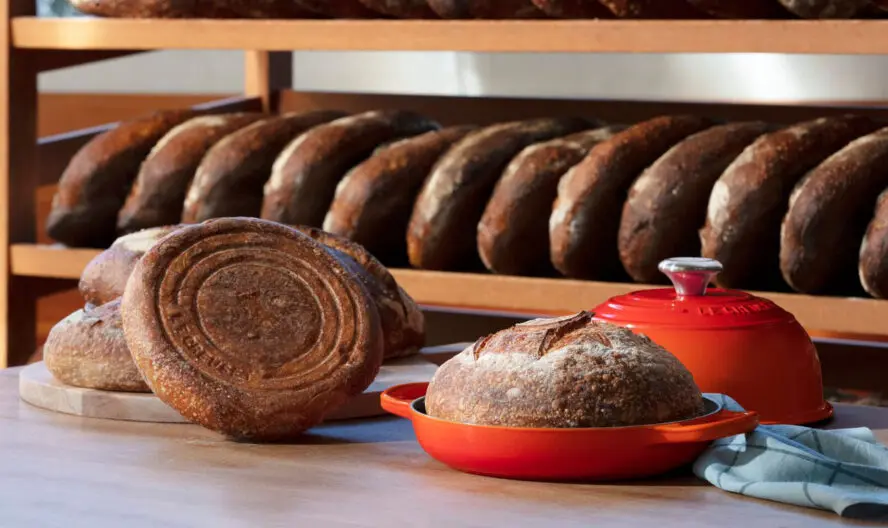
If you love Le Creuset’s beautiful enameled cookware (I’m a particular fan of the brand’s cast iron skillet), you may want to add their cast iron bread oven to your lineup. It’s just as durable, well-made, and attractive as the brand’s beloved Dutch oven, but the inverted design makes it perfect for baking bread. The domed lid is deeper than the base, and it’s designed to trap and circulate steam for maximum rise and flavor.
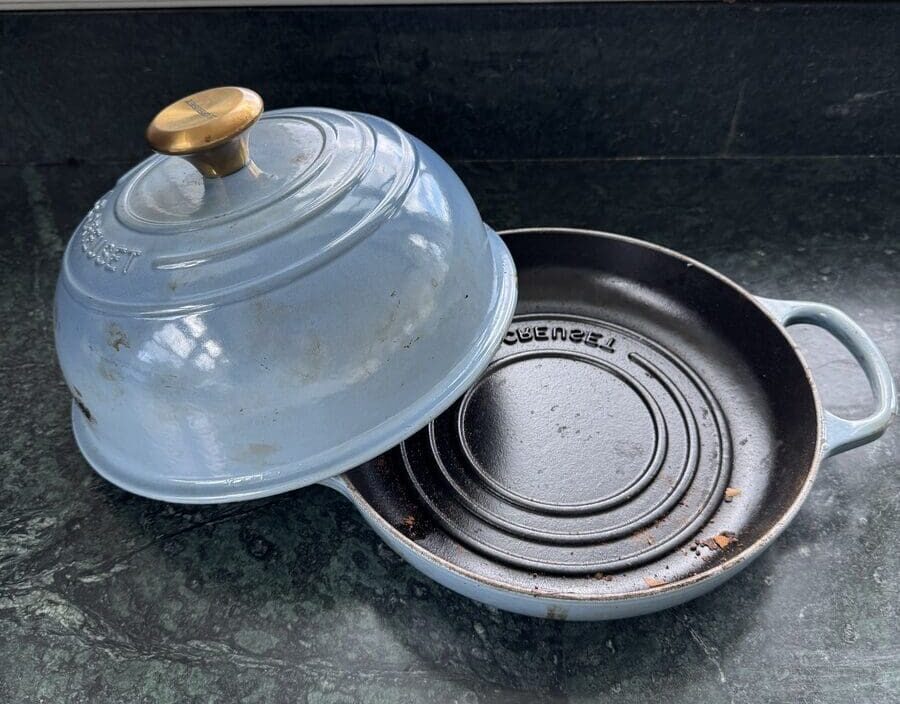
The 9.5-inch round base has ridges made of three concentric circles, which promote even heat distribution and create a nice signature Le Creuset stamp in the bottom of your loaf. The tall lid is well-proportioned for great oven spring, and the matte black interior absorbs and transfers heat well to the bread for dark, golden bottom crusts.
If you only ever make round boules, this is definitely a contender for the best bread oven for you. It’s my go-to pan if I’m just creating that simple, classic shape, as it reliably produces crisp crusts and that elegant domed form.
Specs:
- Size: 9.45″ D x 12.8″ H; Base alone is 1.9″ H
- Weight: 11 lbs
- Capacity: 1.75 Qt.
- Suitable for oven use up to 500°F (260°C)
Price: $324.95 at time of publish
Criteria Evaluation
- Heat Retention: 5/5 – High-quality cast iron for consistent, even heat; matte black interior absorbs and transfers heat well
- Steam Trapping: 5/5 – Domed lid forms a tight seal to trap steam
- Size & Versatility: 3/5 – 9.5-inch round shape is ideal for boules but not suited for batards or larger loaves
- Ease of Use: 5/5 – No seasoning required, and matte enamel interior releases bread easily; lighter than the Challenger
- Value: 4/5 – Premium price offers excellent craftsmanship, easy maintenance, and a lifetime warranty
| Pros | Cons | ||||||
| Premium enameled cast iron | Most expensive bread oven I tested | ||||||
| Tight-fitting domed lid for a great steam environment | 9.5-inch diameter limits loaf shape options | ||||||
| No seasoning required | |||||||
| Available in signature Le Creuset colors |
Community Reviews and Expert Recommendations
It’s no surprise that Le Creuset would have a strong candidate for the best bread oven, given their stellar cast iron reputation. Users who rave about this piece praise its quality materials and design, as well as how consistently it produces great loaves. Bakers who switched from a standard Dutch oven love that the removable lid yields better crust development and color. This oven also gets high marks among home users for its heat distribution, ease of cleaning, and lightweight maneuverability.
As expected, price is the most common complaint among negative reviews, though most who mention it still rate the product positively.
Comparison of the Best Cast Iron Bread Ovens
| Oven | Best For | Material | Size | Steam Trapping | Key Features | Price |
| Challenger Bread Pan | Best for serious bakers | Bare black cast iron | 15.5 × 10.5-inch base | Excellent | Pre-seasoned, wide base fits many loaf shapes, well-positioned handles | $299 |
| Tramontina Cast Iron Bread Oven | Best budget option | Enameled cast iron | 9.5-inch round | Very Good | No seasoning required, color options | $59.95 |
| Le Creuset Bread Oven | Best premium option | Enameled cast iron | 9.5-inch round | Excellent | No seasoning required, lighter weight, excellent heat distribution | $324.95 |
Bare Cast Iron vs. Enameled: Which Is Better for Bread?
Bare cast iron and enameled cast iron differ in how they transfer heat. A bare cast iron bread oven radiates heat directly to the baking dough, as there’s no coating between the metal and the bread. This produces a darker bottom crust, more dramatic crackling on the surface, and deeper overall color. The trade-off is maintenance: bare cast iron requires seasoning after washing, can’t be soaked in water, and can rust if not properly dried.
All that said, a bare cast iron bread oven is still very manageable because bread tends to easily release on its own and the pan rarely needs a deep clean with soap. This is coming from someone who throws everything but her knives in the dishwasher, so you can trust me when I say cleanup is a breeze.
Enameled cast iron bread ovens are even easier to maintain as the material resists rust and requires no seasoning. However, enamel, especially light colors, can show noticeable smudges and even chip over time. The enamel coating moderates direct heat, so bread crust color tends to turn out slightly lighter. However, it’s a subtle difference, and most home bakers won’t notice it without a side-by-side comparison.
Tips For Best Results
Keep these tips in mind to make the most of your cast iron bread oven:
- Always preheat your pan. Cast iron needs 45 to 60 minutes at the target oven temperature to heat. The initial contact between your dough and the hot pan — you should hear a satisfying sizzle — is essential for a crisp, crackling crust.
- When making a standard loaf of bread, remove the lid about 20 minutes into baking. During the first few minutes, trapped steam helps keep the crust soft and pliable to rise nicely. Once the shape is set, you’ll want to let the crust dry out and caramelize for the remaining time in the oven.
- Score the dough just before baking. Make gentle slashes on the surface of the dough with a lame or sharp razor to help the dough expand.
- Use parchment paper to lower the dough safely into the hot pan.
- After baking, let the pan cool fully before washing. Dry bare cast iron immediately to prevent rust.
A Simple Upgrade for Better Bread
Cast iron bread ovens are one of the easiest ways to improve your loaves as a home baker. Although the best bread oven for you will depend on your priorities, each of the ovens in this guide can produce crisp, golden crusts and enviable, airy crumbs. The Challenger delivers maximum performance for serious bakers willing to invest in professional-grade equipment; the Tramontina makes cast iron bread baking accessible at under $60; and the Le Creuset offers premium design and durability.
Whichever oven you choose, it will help you get closer to bakery-level results without a full kitchen renovation. So set aside your rusty old baking sheet and put your new bread oven to work with everything from delicious paleo bread recipes to herby focaccia and gorgeous avocado toasts.