Sweet Potatoes vs. Yams: What’s the Difference, and Which Is Healthier?
What exactly is a candied yam, and is there a healthier alternative?
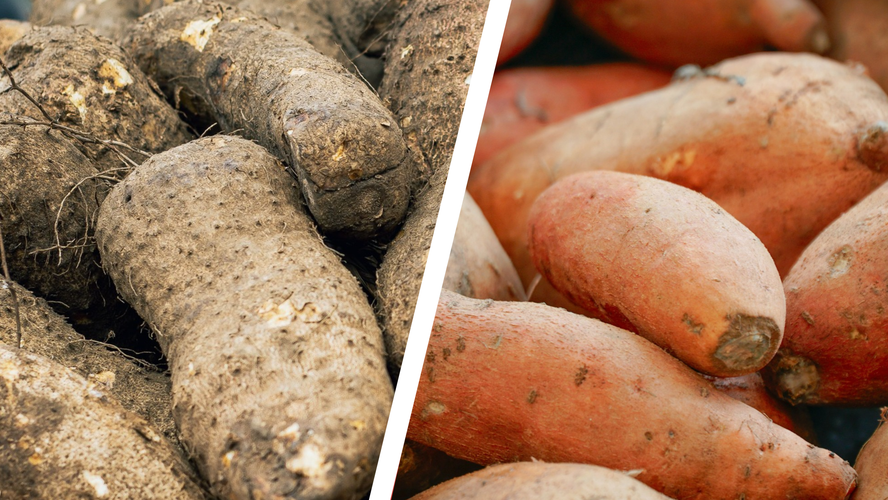
If your favorite Thanksgiving side dish as a kid (or to this day!) was candied yams, we hate to break it to you — it’s likely you were actually eating sweet potatoes. So, what is the difference between yams and sweet potatoes? The distinction between a yam vs. sweet potato comes down to factors like coloring, skin, moisture, and taste. But it doesn’t stop there.
The nutrition content of yams vs. sweet potatoes can differ, with the fiber content slightly higher in yams and antioxidants higher in sweet potatoes. Let’s take a look at what each root vegetable can provide, how to tell them apart, and how cooking can change their nutrition. Then, whichever you decide to cook up, we’ll tell you what to look for in the store, as well as some creative ways to make a delicious dish from either of these nutrient-dense vegetables.
Are Yams and Sweet Potatoes the Same Thing?
As you browse through the produce aisle, you may notice that the bins of sweet potatoes and yams blend together, leaving you wondering: “Are yams and sweet potatoes the same?” The answer is a resounding no, despite how they’re often labeled in American grocery stores.
Sweet potatoes, also known as Ipomoea batatas, are morning glory relatives that are well known for their bright orange flesh and inclusion in holiday casseroles1. Their beautiful flesh is orange due to the rich amount of beta-carotene antioxidants (vitamin A) they contain, which provides much more than your required daily dose in a single medium sweet potato2. We’ll cover other nutrients in sweet potatoes in a bit, but they include vitamin C, potassium, fiber, iron, carbs, and protein.
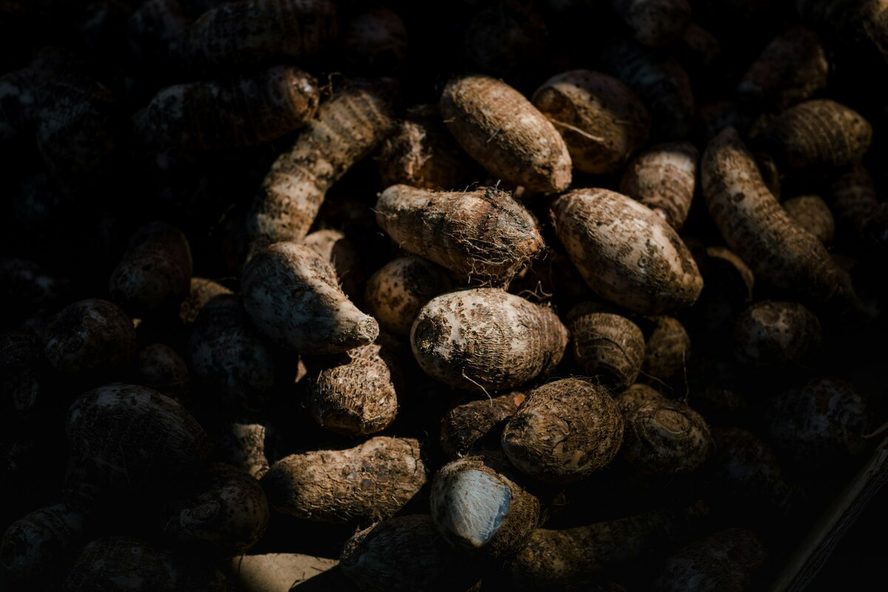
So, what is a yam? In the comparison of yam vs. sweet potato, true yams (also known as Dioscorea) are a different plant family entirely2. They are related to lilies and are native to Africa and Asia. Unlike sweet potatoes, some yams can grow to be up to 100 pounds. Yams are a good source of fiber, but can be higher in calories than sweet potatoes.
These differences between yams and sweet potatoes are just the beginning. Let’s dive a little deeper into the sweet potato vs. yam discussion to understand the distinction and why they’re so often mistaken for each other.
Why Your Grocery Store Calls Sweet Potatoes “Yams”
The bright orange fleshy sweet potato as we know it did not come about until the 1930s3. Before it was cultivated, there were just white and yellow sweet potatoes that were smaller, less sweet, and drier than this new, sweeter potato. The orange sweet potato we know and love today was initially dubbed a yam to help people distinguish the differences between sweet potato types, and because this orange fleshed potato more closely resembled the yams native to Africa.
The most common sweet potato types you will see in your grocery store today are likely called “Garnet” and “Jewel” yams. Garnet sweet potatoes have a deep red or purple skin with the orange flesh inside, while Jewel sweet potatoes have a copper skin and orange flesh4,5.
The United States Department of Agriculture (USDA) requires that the term “sweet potato” always accompany the term “yam” on labels6, because the produce referred to as “yams” in the US are actually sweet potatoes2. To find true yams, you likely need to purchase them in international grocery stores or specialty markets.
How to Tell Them Apart
The best way to tell the difference between yams and sweet potatoes is by their appearance inside and out. If their appearance doesn’t give it away, a taste test can also help — which begs the question: do yams and sweet potatoes taste the same? No, they do not. Check out the table below to give you tips on how to tell yams and sweet potatoes apart through their skin, flesh color, shape, texture, taste, and availability7,8,9.
| Tuber type | Skin | Flesh color | Shape | Texture (when cooked) | Taste | Where you can buy |
| Yam | Tough, scaly skin that is difficult to remove | White, bright yellow, purple, or pink | Long and cylindrical; can grow up to five feet long and 100 lbs. | Starchy, dry | Neutral in flavor | International grocery stores, especially those that carry Caribbean and African food items |
| Sweet Potato | Thin and smooth texture; White to yellow, red, purple, or brown | White, yellow, orange, or burnt orange (almost red) | Shorter and blockier with tapered ends | Moist, plump | Sweet and creamy | Available widely in the US in grocery stores and farmer’s markets |
Beyond the two major tubers in the above table, you might also encounter purple sweet potato and ube in some stores. While you likely won’t confuse ube and purple sweet potato with yams or classic sweet potatoes, the distinction between ube vs. purple sweet potato is a bit harder to identify. They may look similar with the purple hue of their flesh, but they aren’t the same.
Ube has a sweeter, earthier flavor with hints of pistachio and vanilla10. Ube also features a brighter purple, moister flesh and a thick, bark-like skin, compared with the thinner skin and more lavender flesh of the purple sweet potato. Both get their purple hue from anthocyanins, a type of antioxidant11. In fact, purple sweet potatoes are higher in antioxidant content than their orange-fleshed counterpart.
Sweet Potato vs. Yam Nutrition
Let’s take a look at sweet potato vs. yam nutrition in both its raw and cooked forms, according to the USDA Nutrient Database12,13,14,15,16.
| 100 grams (g) serving | Sweet potato, raw | Sweet potato, boiled without skin | Sweet potato, baked in skin, without salt | Yam, raw | Yam, cooked, boiled, drained, or baked without salt |
| Calories | 86 | 76 | 90 | 118 | 116 |
| Carbs (g) | 20.1 | 17.7 | 20.7 | 27.9 | 27.5 |
| Fiber (g) | 3 | 2.5 | 3.3 | 4.1 | 3.9 |
| Sugar (g) | 4.18 | 5.74 | 6.48 | 0.5 | 0.49 |
| Vitamin A (mcg) | 709 | 787 | 961 | 7 | 6 |
| Vitamin C (mg) | 2.4 | 12.8 | 19.6 | 17.1 | 12.1 |
| Potassium (mg) | 337 | 230 | 475 | 816 | 670 |
When it comes to yams vs sweet potatoes nutrition, the differences in the numbers are clear. Sweet potatoes are significantly higher in vitamin A and total sugars, while lower in total carbohydrates and calories than yams. On the other hand, yams are slightly higher in total dietary fiber and contain significantly more potassium.
Which Is Healthier? A Dietitian’s Verdict
When it comes to making a choice between yam vs. sweet potato for your health, I would tend to lean toward the sweet potato. This is because the sweet potato contains a load of antioxidants to help reduce inflammation in the body, along with a good source of fiber and potassium. That’s not to say that yams can’t be a part of a healthy diet — it also comes down to preparation and diversity of the other foods you eat it with.

However, since I’ve recommended sweet potatoes over yams, let’s take a look at some of the other health benefits sweet potatoes can offer that make it a healthy choice.
Eye Health
Research shows that a vitamin A deficiency can lead to vision issues, so eating orange-fleshed sweet potato regularly could help provide vitamin A to support eye health17. A recent study also shows that the anthocyanins from purple sweet potatoes can help protect your eye health18.
Skin Health
These same antioxidant compounds that support eye health can also benefit skin health. Research shows that the anti-inflammatory and antioxidant properties of sweet potato root may help protect the skin from oxidative stress and boost collagen formation with regular intake19.
Gut Health
Leaving the skin on sweet potato when cooking can add fiber, but it’s not always appetizing to eat. But even without the skin, the fiber content and antioxidants of sweet potato flesh alone can still benefit gut health. A 2025 study of those with type 2 diabetes shows that the soluble fiber from sweet potatoes may help improve bacterial diversity in the gut for this population20. Sweet potatoes may also reduce inflammation and oxidative stress in the gut both via their antioxidant content and by boosting short-chain fatty acid (SCFA) production21,22.
Blood Glucose Health
Finally, let’s not forget the positive effects of sweet potato on blood glucose health. A 2026 study review shows that consuming sweet potatoes can help reduce fasting blood glucose levels23. This may be due to sweet potato’s glycemic index (GI), which is low when boiled (around 46) and moderate when steamed, baked, or microwaved (in the 60s in one study). Reported values range widely, from the 40s to the 90s, depending on variety and cooking method24,25,26.
How Cooking Changes the Nutrition
As mentioned earlier, boiling is the best way to cook sweet potato if you’re looking to keep the glycemic index lower in your meals. However, even the baked and roasted versions offer a moderate GI that is still lower than that of other common starches like rice (average 67-79) and boiled white potato (73-78)27.
A Healthier Thanksgiving Sweet Potato Dish

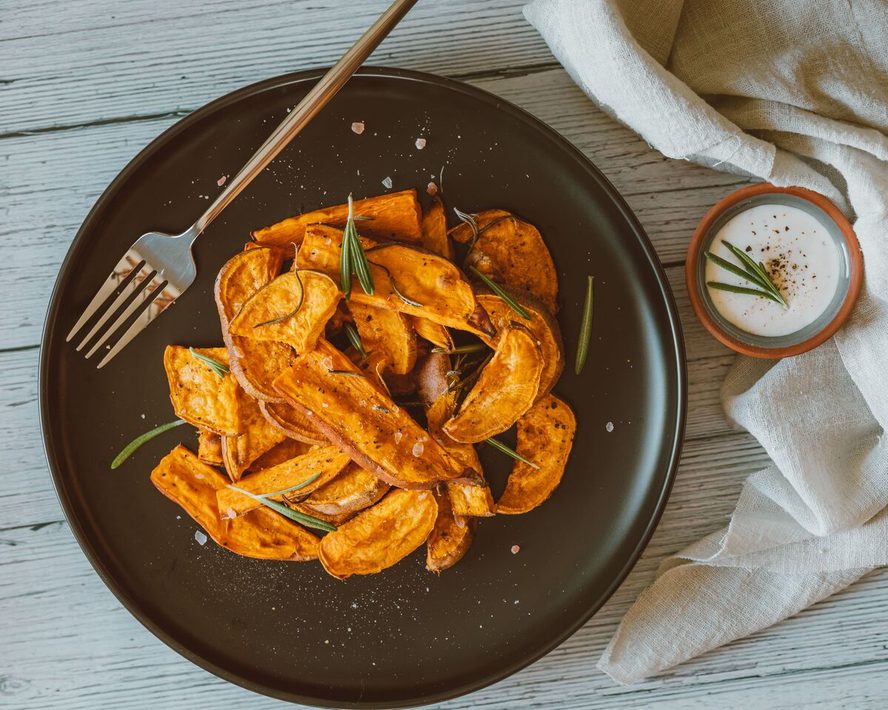
The nutritional issue of sweet potato Thanksgiving recipes is typically to do with the way sweet potatoes are prepared for the holiday, not the tuber itself. Two common sweet potato recipes at Thanksgiving include candied “yams” and sweet potato casserole.
Is there a winner between candied yams vs. sweet potato casserole when it comes to a healthier Thanksgiving option? Not necessarily. Candied yams are chopped or sliced sweet potatoes baked in an oven or cooked over the stovetop with butter, brown sugar, and spices to create a thick, sweet, syrupy glaze over the potatoes. Sweet potato casserole, on the other hand, is mashed sweet potato mixed with milk, eggs, sugar, and spices, then baked in the oven, often topped with brown sugar and/or marshmallows. Both are very high in sugar and act as more of a dessert option than a side dish.
If you’re looking for a healthier sweet potato dish for Thanksgiving, try making these clean swaps in your sweet potato casserole or candied yam dishes:
- Sprinkle chopped walnuts or pecans as a topping instead of marshmallows. This will help reduce the sugar content while adding extra fiber and healthy fats.
- Reduce the brown sugar portion and add in dried fruit instead. Cut the sugar content of your sweet potato casserole or candied yams by reducing the amount of white or brown sugar and instead using more natural sweeteners like dried cranberries, dates, or raisins, which can also add fiber and extra antioxidants.
- Roast your sweet potatoes instead of boiling them. Roasting sweet potatoes can help bring out the natural sugars in them so you won’t have to add as much sugar (or dried fruits) to make it taste sweet.
What to Look for When You Buy
When you’re looking for a sweet potato, these tips can help you pick the cream of the crop. First of all, check firmness. Sweet potatoes should be firm, plump, and free of blemishes like soft spots28,29. Any soft spots will indicate that a sweet potato is beyond its fresh peak, or it may have had fungal exposure.
Look for a bright, uniform color and smooth skin without any obvious deep cuts, cracks, severe bruising, wrinkles, or sprouts30,31. When in doubt, do a smell test to be sure. Sweet potatoes should smell earthy, mild, and neutral32. Avoid potatoes that smell sour, musty, or fermented.
If you’re shopping for canned “yams,” avoid those that feature any added syrup or sugar. Choose options packed in water or light juice instead. Since sweet potatoes are on the Environmental Working Group’s (EWG) Clean 15 and are naturally low in pesticide residue, it is generally not necessary to seek out organic sweet potatoes unless you prefer to33.
If you want to try true yams, you will most likely have to check your nearest international market or Caribbean and African specialty markets. Ask a grocery worker for guidance on locating true yams if you’re having trouble finding them in the produce bins.
Frequently Asked Questions
Grocery stores began using a marketing label of “yam” for soft orange sweet potato varieties in the 1930s to help people differentiate between the plumper, moister sweet potato variety and the original yellow and white fleshed types. The name stuck, and now the orange fleshed sweet potatoes are often still called yams.
Yes, you can substitute a yam for a sweet potato in most savory dishes. However, the swap won’t work as well in sweet dishes since true yams are drier and less sweet, so they won’t caramelize the same way.
No, sweet potatoes are sweeter and moister than true yams, which taste starchier and earthy.
Sweet potatoes have a sweeter flavor than yams by a wide margin. Sweet potatoes also have a higher sugar content, especially when cooked. Cooked sweet potatoes contain around 6 g of sugar per 100 g of sweet potato versus 0.5 g sugar per 100 g of yam.
In US stores, canned yams are almost always sweet potatoes. Check the label for syrup and added sugar to ensure you avoid unnecessary additives and reap the most health benefits from this form of sweet potato.
Yes. Garnet and Jewel “yams” are sweet potato varieties with a reddish-purple skin color and orange flesh.
The Bottom Line
So, is there a clear nutritional winner when it comes to yams and sweet potatoes? Well, I’ll start by saying that my final verdict doesn’t mean the true yam isn’t worth trying as a starchy swap for rice and pasta at mealtime now and then. But when it comes to the most nutritious tuber in my book, I’m voting for the sweet potato, hands down. Both orange and purple sweet potatoes have the edge when it comes to their rich antioxidant content, low glycemic index in boiled form, and lower calorie content that can enrich just about any diet.
Sources:
- https://link.springer.com/rwe/10.1007/978-981-97-8949-8_45
- https://www.canr.msu.edu/news/sweet_potatoes_compared_to_yams
- https://www.almanac.com/how-are-yams-and-sweet-potatoes-different
- https://www.pcfma.org/blog/sweet-potatoes-vs-yams-mystery
- https://extension.usu.edu/yardandgarden/research/sweet-potatoes-in-the-garden
- https://lod.nal.usda.gov/nalt/en/page/33769
- https://www.loc.gov/everyday-mysteries/categories/agriculture/item/what-is-the-difference-between-sweet-potatoes-and-yams/
- https://extension.msstate.edu/blogs/extension-for-real-life/sweet-potatoes-vs-yams-whats-the-difference
- https://extension.illinois.edu/blogs/good-growing/2019-11-25-whats-difference-between-sweet-potatoes-and-yams
- https://ulu.coop/what-is-the-difference-between-purple-sweet-potato-and-ube
- https://blogs.extension.iastate.edu/answerline/2016/10/20/yam-or-sweet-potato/
- https://fdc.nal.usda.gov/food-details/168482/nutrients
- https://fdc.nal.usda.gov/food-details/170071/nutrients
- https://fdc.nal.usda.gov/food-details/168484/nutrients
- https://fdc.nal.usda.gov/food-details/168483/nutrients
- https://fdc.nal.usda.gov/food-details/170072/nutrients
- https://pmc.ncbi.nlm.nih.gov/articles/PMC6593376/
- https://pmc.ncbi.nlm.nih.gov/articles/PMC4464420/
- https://pmc.ncbi.nlm.nih.gov/articles/PMC12121514/
- https://scijournals.onlinelibrary.wiley.com/doi/10.1002/jsfa.70058
- https://link.springer.com/article/10.1007/s44187-026-01095-5
- https://www.sciencedirect.com/science/article/pii/S0963996926006769?via%3Dihub
- https://pmc.ncbi.nlm.nih.gov/articles/PMC13266408/
- https://www.ars.usda.gov/ARSUserFiles/60701000/Sweetpotato%20Publications/s141.pdf
- https://pmc.ncbi.nlm.nih.gov/articles/PMC7866597/
- https://pmc.ncbi.nlm.nih.gov/articles/PMC3205609/
- https://www.sciencedirect.com/science/article/pii/S0002916522004944?via%3Dihub
- https://www.montana.edu/extension/buyeatlivebetter/other_nep_resources/fact_sheets/sweetpotatoes/Factsheet_Sweet_Potatoes_.pdf
- https://www.ams.usda.gov/grades-standards/sweetpotatoes-grades-and-standards
- https://www.canr.msu.edu/news/sweet_potato_or_yam_which_is_it
- https://postharvest.ucdavis.edu/produce-facts-sheets/sweet-potato
- https://vegetables.wsu.edu/sweetpotato-pests-and-diseases/
- https://www.ewg.org/foodnews/potatoes.php