
25 High-Fiber Recipes for Constipation Relief That Actually Work (Plus Expert Tips)

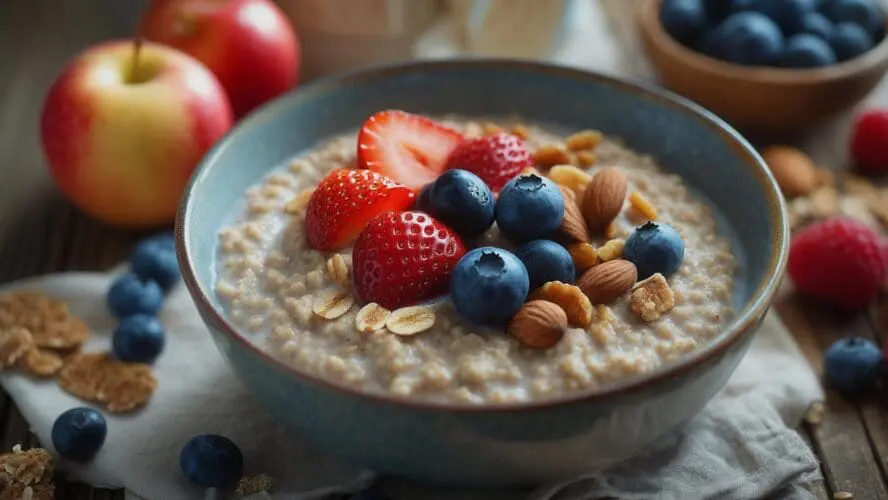
I’ll never forget that miserable week in college when I hadn’t had a proper bowel movement in five days. Living on ramen noodles and energy drinks finally caught up with me, and I felt absolutely awful. That’s when my roommate’s mom (bless her) introduced me to the magic of fiber-rich foods that actually taste good. What started as a desperate attempt to feel normal again became a passion for understanding how the right recipes can transform digestive health naturally.
Here’s the thing – most people consume only 12-18 grams of fiber daily, which is less than half the recommended 25-35 grams. But it’s not just about eating more fiber; it’s about choosing the right combinations of soluble and insoluble fiber while considering what actually works for your body and schedule.
Table of Contents
- What Makes a High-Fiber Recipe Effective for Constipation
- 25 High-Fiber Recipes Across 5 Categories
- Breakfast & Morning Options
- Soups & Stews
- Salads & Raw Preparations
- Main Dishes & Entrees
- Snacks & Sides
- Expert Recipe Evaluation: Which Ones Work Best
- How These Recipes Support Long-Term Digestive Health
TL;DR
- Adults need 25-35 grams of fiber daily, but most consume only 12-18 grams
- Think of soluble fiber like a sponge that softens everything up, while insoluble fiber is like a broom that sweeps things along
- Your gut bacteria are like tiny pets – feed them the right stuff (fiber) and they’ll keep you healthy and happy
- Start with gentler options like oats and bananas before jumping into beans and raw vegetables
- Batch-cooking champions include Three-Bean Chili (18g fiber) and Lentil Soup (12g fiber)
- Quick options under 15 minutes: Green Smoothie (8g), Avocado Toast (11g), Apple with Almond Butter (7g)
- Highest fiber powerhouses: Steel-Cut Oat Power Bowl (15g), Black Bean Buddha Bowl (16g)
What Makes a High-Fiber Recipe Effective for Constipation
Understanding the foundational role of fiber is crucial, especially when exploring why dietary fiber is the real macronutrient you need to watch beyond just digestive benefits.
The Science Behind Fiber Types (But Like, in Plain English)
Think of soluble fiber like a sponge that soaks up water and creates this gel-like stuff that softens your stool and makes everything easier to pass. You’ll find this type in oats, beans, and apples. Insoluble fiber is basically nature’s broom – it adds bulk and speeds things along through your digestive system. Whole grains, vegetables, and nuts are packed with this stuff.
| Fiber Type | What It Does | Where to Find It | How Much You Need |
|---|---|---|---|
| Soluble | Softens stool, feeds gut bacteria | Oats, beans, apples, berries | 10-15g |
| Insoluble | Adds bulk, speeds things along | Whole grains, vegetables, nuts | 15-20g |
| Total Fiber | Complete digestive support | Mixed whole food sources | 25-35g |
The magic happens when high-fiber recipes combine both types. Your digestive system needs this partnership – soluble fiber for comfort, insoluble fiber for movement. The best recipes provide 5-10 grams per serving, which actually makes a dent in your daily 25-35 gram target without overwhelming your system.
Hydration: The Game Changer Nobody Talks About
Here’s something I learned the hard way: fiber without enough water can actually make constipation worse. Trust me, chugging fiber powder without adequate hydration is a recipe for disaster.
Smart recipes naturally include water-rich ingredients – think fruits, vegetables, and broths. Even how you cook matters. Steaming and sautéing keep moisture in, while excessive baking or roasting can dry everything out.
Consider the difference between a dry granola bar with 6g fiber versus a green smoothie with 8g fiber. The smoothie includes coconut water and fresh fruits, giving fiber the hydration it needs to actually work. That granola bar eaten without enough water? It might actually slow things down rather than help.
When you’re picking recipes, go for ones with naturally hydrating ingredients. Smoothies, soups, and fresh preparations work with your body instead of against it.
Digestive Tolerance: Starting Where You Actually Are
Your digestive system needs time to adapt to more fiber. Don’t jump straight into the heavy-duty bean recipes unless you want to clear out a room (learned that one the hard way too).
Gentle options like cooked oats and bananas are perfect starting points. These give you solid fiber content without the digestive drama that raw vegetables or tons of beans might cause initially.
For those dealing with digestive discomfort, learning 5 simple ways to beat bloat and improve digestion can complement your high-fiber recipe journey.
Well-cooked vegetables and properly soaked legumes become way more digestible while keeping their fiber benefits. This prep consideration can mean the difference between digestive comfort and spending quality time with your bathroom.
Getting More Than Just Fiber
The best recipes pack in vitamins, minerals, and antioxidants alongside their fiber content. Whole food ingredients deliver comprehensive nutrition that supports your entire digestive system.
Healthy fats from sources like avocado, nuts, and olive oil help your body absorb nutrients and provide additional digestive support.
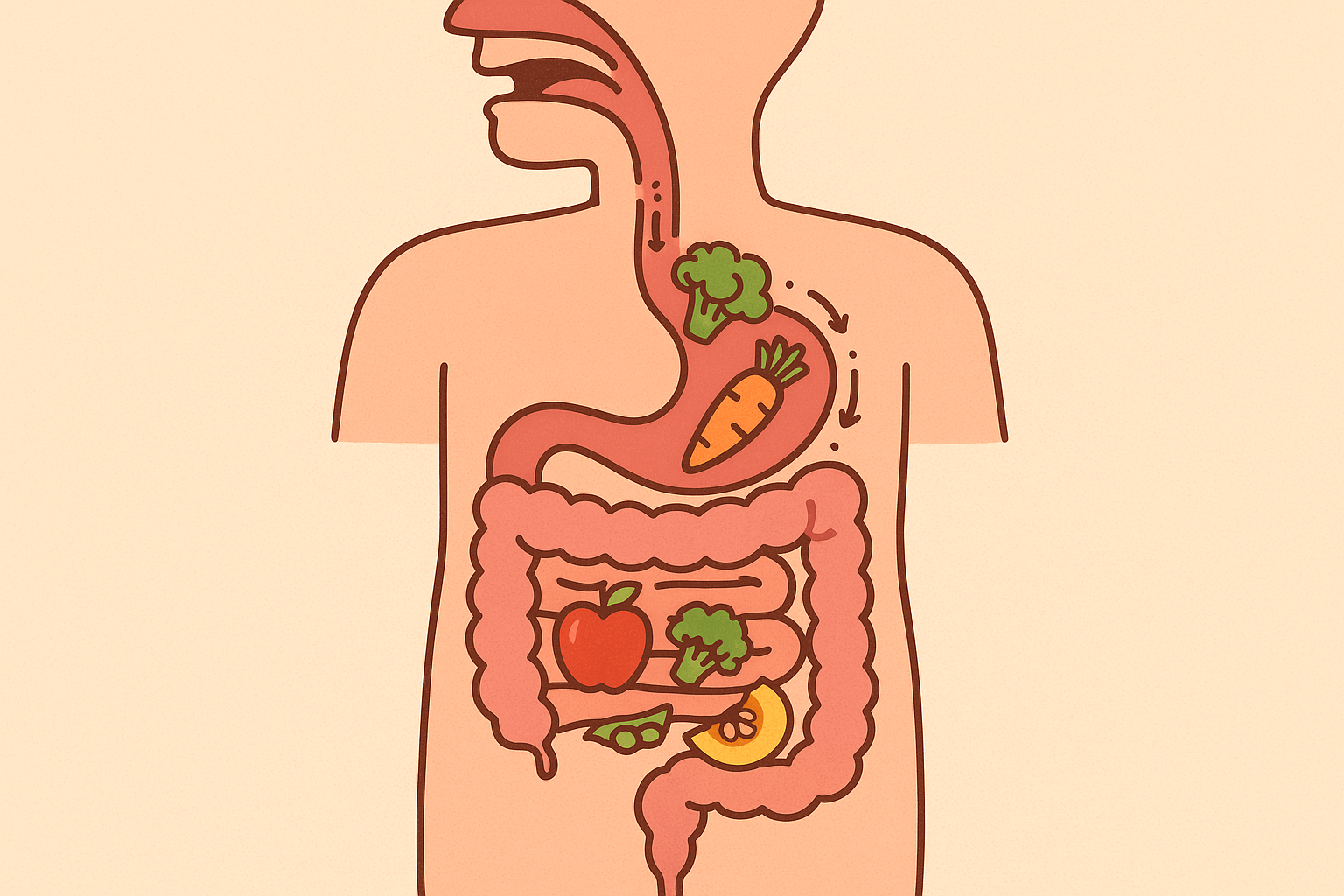
Minimally processed ingredients ensure you’re getting maximum bang for your nutritional buck. This approach works with your body’s natural processes instead of fighting them.
25 High-Fiber Recipes Across 5 Categories
Breakfast & Morning Options
Look, mornings are rough enough without having to think about your digestive system. But here’s the thing: what you eat first thing sets the tone for your entire day, including how things move along down there.
For those looking to perfect their morning routine, learning how to make oatmeal perfect every time provides the foundation for several high-fiber breakfast options.
1. Overnight Chia Pudding with Berries
This is basically dessert for breakfast, except it’ll actually help you poop. I stumbled across this recipe during a particularly desperate phase when I was willing to try anything that didn’t taste like cardboard.
Fiber content: 12g per serving
Just mix three tablespoons of chia seeds with some plant milk and a drizzle of maple syrup before bed. By morning, those little seeds have transformed into something that looks like tapioca pudding. Top with whatever berries you’ve got lying around. Pro tip: frozen berries work just fine and they’re usually cheaper.

2. Steel-Cut Oat Power Bowl
Okay, I know steel-cut oats sound fancy and intimidating, but they’re just oats that haven’t been beaten into submission. They take a bit longer to cook, but they’re worth it – trust me on this one.
Fiber content: 15g per serving
Cook your oats with some diced apple and cinnamon (makes your kitchen smell amazing), then stir in ground flaxseed and chia seeds. I like to top mine with walnuts and a dollop of almond butter. Fair warning: this will keep you full until lunch, so don’t make dinner plans.
3. Green Smoothie with Spinach and Flaxseed
Before you wrinkle your nose at the thought of vegetables in your smoothie, hear me out. You literally cannot taste the spinach when it’s blended with banana and apple. My skeptical husband didn’t believe me until I made him try it.
Fiber content: 8g per serving
Throw some spinach, a banana, an apple, ground flaxseed, and coconut water in your blender. Blend until smooth. The secret is using enough fruit to mask any green taste. Your kids will never know they’re drinking vegetables.
4. Avocado Toast with Hemp Seeds
Yes, I’m that millennial who’s obsessed with avocado toast. But this isn’t just Instagram food – it’s actually doing work for your digestive system.
Fiber content: 11g per serving
Mash a ripe avocado (and please, for the love of all that’s holy, make sure it’s actually ripe) onto whole grain toast. Sprinkle with hemp seeds, add a squeeze of lemon, and finish with sea salt. Takes five minutes and tastes like you’re treating yourself.
5. High-Fiber Pancakes with Almond Flour
Weekend pancakes don’t have to derail your digestive progress. These actually help things along while still feeling like a treat.
Fiber content: 9g per serving
Mix almond flour and ground flaxseed with eggs, plant milk, and baking powder. Cook them like regular pancakes but don’t expect them to be exactly the same – they’re nuttier and a bit denser. Top with fresh berries and you’re golden.
Soups & Stews
Soup is basically a hug in a bowl, and these recipes happen to be really good at getting things moving. Plus, they’re perfect for meal prep if you’re into that sort of thing.
6. Three-Bean Chili
This is the heavyweight champion of fiber-rich recipes. I’m talking 18 grams per serving, people. It’s also foolproof, which is great because I’ve definitely messed up easier recipes.
Fiber content: 18g per serving
Soak your beans overnight (black beans, kidney beans, and pinto beans), then cook until they’re tender. Sauté some onions, peppers, and garlic, throw in crushed tomatoes, your cooked beans, and whatever chili spices make you happy. Let it simmer while you do other things. Makes a huge batch, freezes beautifully, and gets better with time.
My friend Sarah swears by making this every Sunday. She portions it into containers and sticks them in the freezer. When her family needs dinner and she’s too tired to think, she just thaws one out. Smart woman.
7. Lentil and Vegetable Soup
Red lentils are the lazy cook’s best friend because they basically dissolve into creamy goodness without any effort from you. No soaking required, and they cook in like 25 minutes.
Fiber content: 12g per serving
Throw red lentils in a pot with vegetable broth and whatever vegetables are hanging out in your fridge. Simmer until everything’s tender and the lentils have broken down into natural thickness. Season however you want. Done.
8. Roasted Butternut Squash Soup with White Beans
This one feels fancy but it’s actually pretty simple. Roasting the squash first gives it this amazing caramelized flavor that makes you feel like a real chef.
Fiber content: 10g per serving
Cut up a butternut squash (good luck with that – those things are tough), roast it until it’s soft and slightly caramelized, then blend with broth until smooth. Stir in some white beans at the end. The beans add protein and extra fiber without messing with the creamy texture.
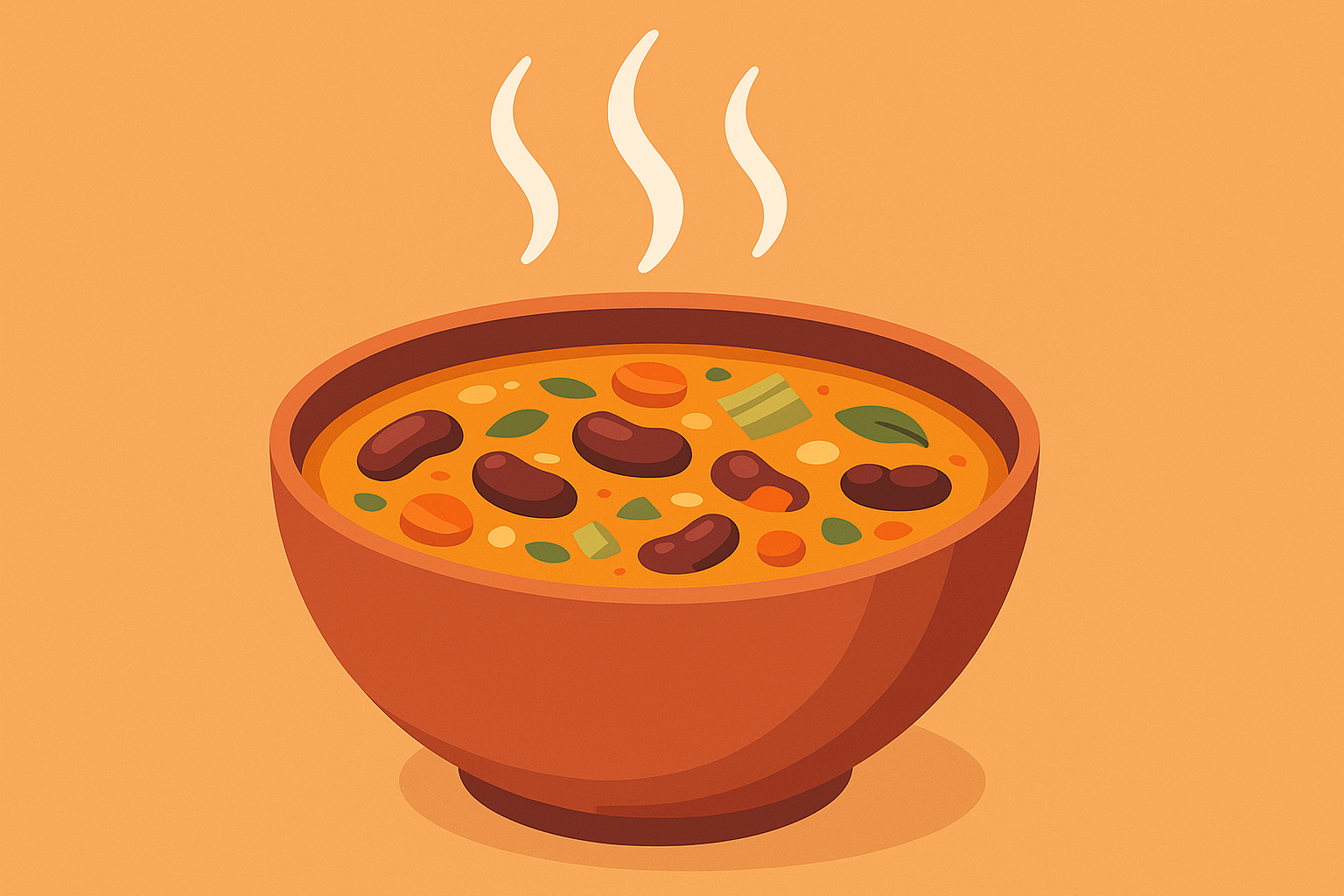
9. Minestrone with Whole Grain Pasta
This is basically vegetable soup that decided to get serious about life. The whole grain pasta makes it hearty enough to be a real meal.
Fiber content: 9g per serving
Sauté whatever vegetables you’ve got, add broth, whole grain pasta, and white beans. Simmer until the pasta’s tender. It’s one of those recipes where you really can’t mess it up – just throw in vegetables and let them do their thing.
10. Split Pea Soup with Carrots
Split peas are weird little things that turn into creamy soup magic when you cook them long enough. No blender required.
Fiber content: 14g per serving
Simmer split peas with broth, carrots, onion, and celery for about 45 minutes until everything breaks down into this thick, satisfying soup. It’s comfort food that happens to be really good for you.
Salads & Raw Preparations
I know, I know – salads can be boring. But these aren’t your sad desk lunch salads. These actually have flavor and will keep you full.
11. Rainbow Slaw with Apple Cider Vinegar Dressing
This is what happens when coleslaw grows up and gets its act together. All those colorful vegetables aren’t just pretty – they’re doing real work for your digestive
This is what happens when coleslaw grows up and gets its act together. All those colorful vegetables aren’t just pretty – they’re doing real work for your digestive system.
Fiber content: 8g per serving
Thinly slice purple and green cabbage (or buy the pre-shredded stuff if you’re feeling lazy – no judgment), add julienned carrots, bell pepper, and apple. Toss with apple cider vinegar dressing and let it sit for a bit so the flavors can get acquainted.
12. Quinoa Tabbouleh with Fresh Herbs
Traditional tabbouleh uses bulgur, but quinoa works just as well and gives you complete protein as a bonus. Plus, it’s gluten-free if that matters to you.
Fiber content: 6g per serving
Mix cooked quinoa with chopped parsley (and I mean a lot of parsley), tomatoes, cucumber, lemon juice, and olive oil. This actually gets better after sitting in the fridge for a while, so make it ahead.
13. Kale and Brussels Sprouts Salad with Pomegranate
Before you run away screaming about kale, let me explain the massage technique. It sounds weird, but it actually makes the kale edible instead of like eating tree bark.
Fiber content: 7g per serving
Chop your kale, then literally massage it with lemon dressing until it softens up. Add shredded Brussels sprouts and pomegranate seeds. The massage breaks down the tough fibers, and the pomegranate adds this burst of sweetness that makes the whole thing work.
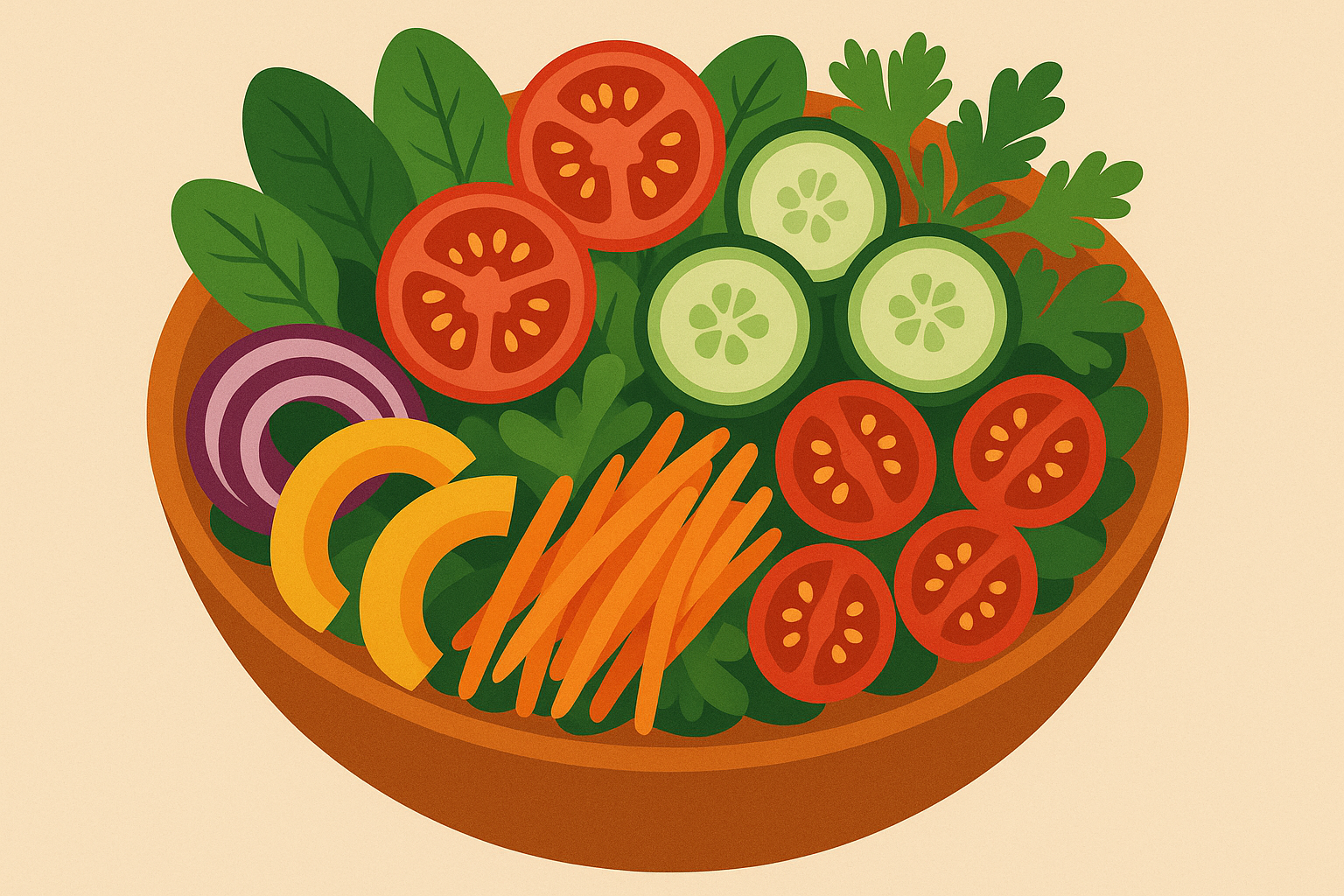
14. Three-Bean Salad with Fresh Vegetables
This isn’t your grandma’s mayo-heavy three-bean salad. This version actually tastes fresh and won’t weigh you down.
Fiber content: 11g per serving
Mix green beans, chickpeas, kidney beans, bell peppers, and red onion with a herb vinaigrette. Let it marinate for at least 30 minutes so all the flavors can mingle.
15. Beet and Carrot Salad with Sunflower Seeds
Raw beets might sound intimidating, but they’re actually sweet and crunchy. Just wear gloves when you grate them unless you want pink hands for a week.
Fiber content: 5g per serving
Grate raw beets and carrots, toss with apple cider vinegar dressing, and top with sunflower seeds for crunch. It’s like eating a rainbow, and your digestive system will thank you.
Main Dishes & Entrees
These are the heavy hitters – real meals that happen to be packed with fiber. No sad desk salads here.
16. Black Bean and Sweet Potato Buddha Bowl
Buddha bowls are basically an excuse to eat a bunch of good stuff in one bowl and call it trendy. I’m here for it.
Fiber content: 16g per serving
Roast cubed sweet potatoes until they’re caramelized, warm up some black beans with cumin and garlic, and pile everything over quinoa and spinach. Top with avocado, seeds, and tahini dressing. It’s like a hug for your digestive system.
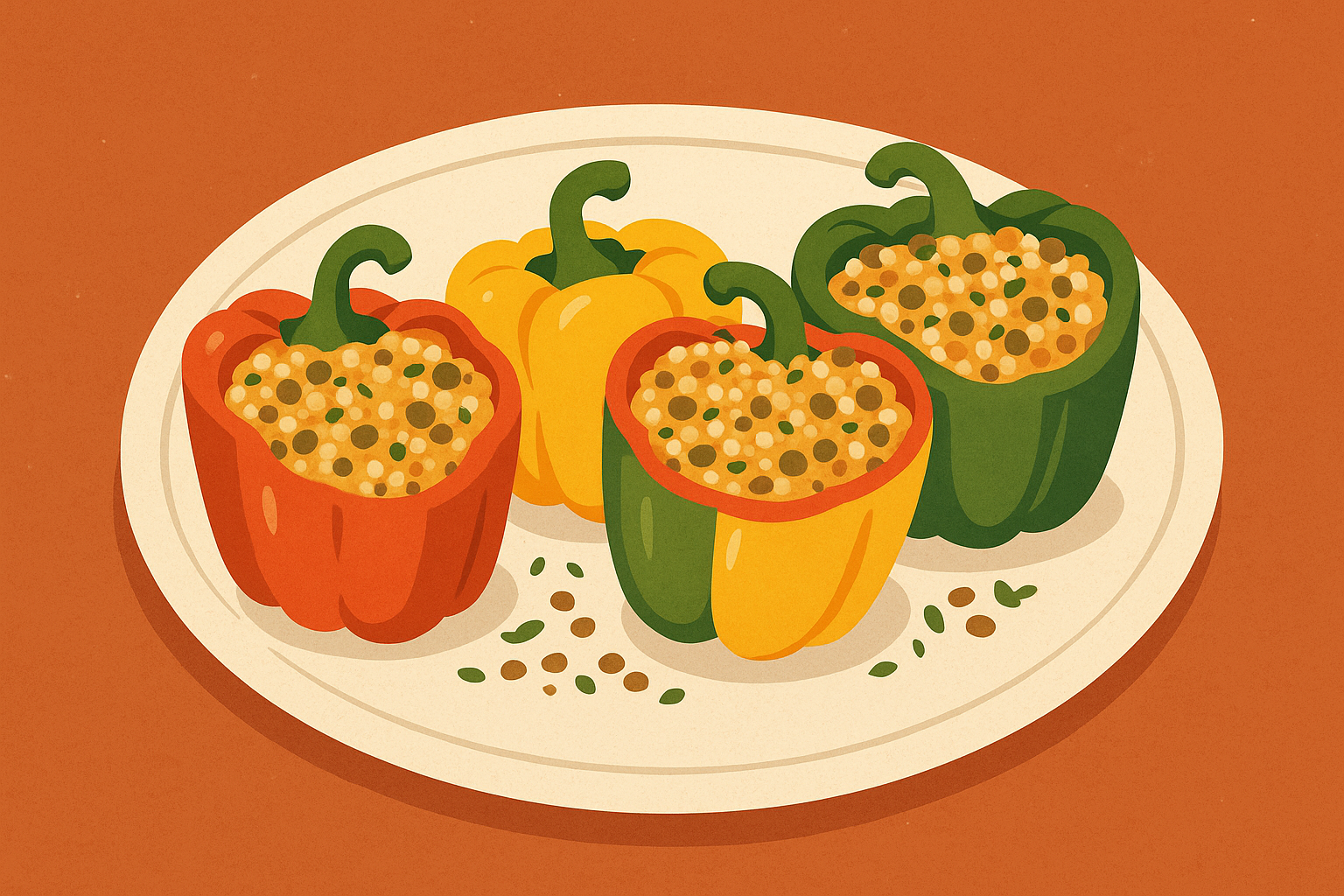
17. Stuffed Bell Peppers with Quinoa and Lentils
Bell peppers make perfect edible bowls, and this filling is hearty enough that you won’t miss the meat.
Fiber content: 13g per serving
Hollow out some bell peppers and stuff them with a mixture of cooked quinoa, lentils, and whatever vegetables need to be used up. Bake until the peppers are tender. Easy cleanup and looks fancy enough for company.
18. Chickpea Curry with Brown Rice
This is comfort food that happens to be really good for your digestive system. The spices make everything smell amazing, and chickpeas are fiber powerhouses.
Fiber content: 12g per serving
Sauté onions with curry spices (or just use curry powder if you’re not feeling fancy), add chickpeas, coconut milk, and whatever vegetables you’ve got. Let it simmer until everything’s happy, then serve over brown rice.
19. Vegetable and Bean Enchiladas
Who says healthy food can’t be comfort food? These enchiladas prove that wrong.
Fiber content: 10g per serving
Fill whole wheat tortillas with black beans and roasted vegetables, roll them up, top with salsa, and bake until everything’s bubbly. Way easier than it sounds and infinitely better than the frozen kind.
20. Mediterranean Stuffed Eggplant
Eggplant is like a sponge for flavors, and this Mediterranean-style filling is packed with herbs and good-for-you ingredients.
Fiber content: 11g per serving
Cut eggplants in half, scoop out the middle, and stuff with a mixture of quinoa, white beans, tomatoes, and fresh herbs. Bake until the eggplant is tender and the filling is golden. Fancy enough for guests but easy enough for a Tuesday night.
Snacks & Sides
Sometimes you just need something to munch on, and these options won’t derail your digestive progress.
21. Roasted Chickpeas with Spices
These are like healthy potato chips, except they actually do something good for your body. They’re addictive, so consider yourself warned.
Fiber content: 6g per 1/4 cup serving
Pat canned chickpeas dry (this is important – wet chickpeas won’t get crispy), toss with olive oil and whatever spices make you happy, then roast at 400°F for 30-40 minutes until they’re crunchy. They keep for about a week in an airtight container.
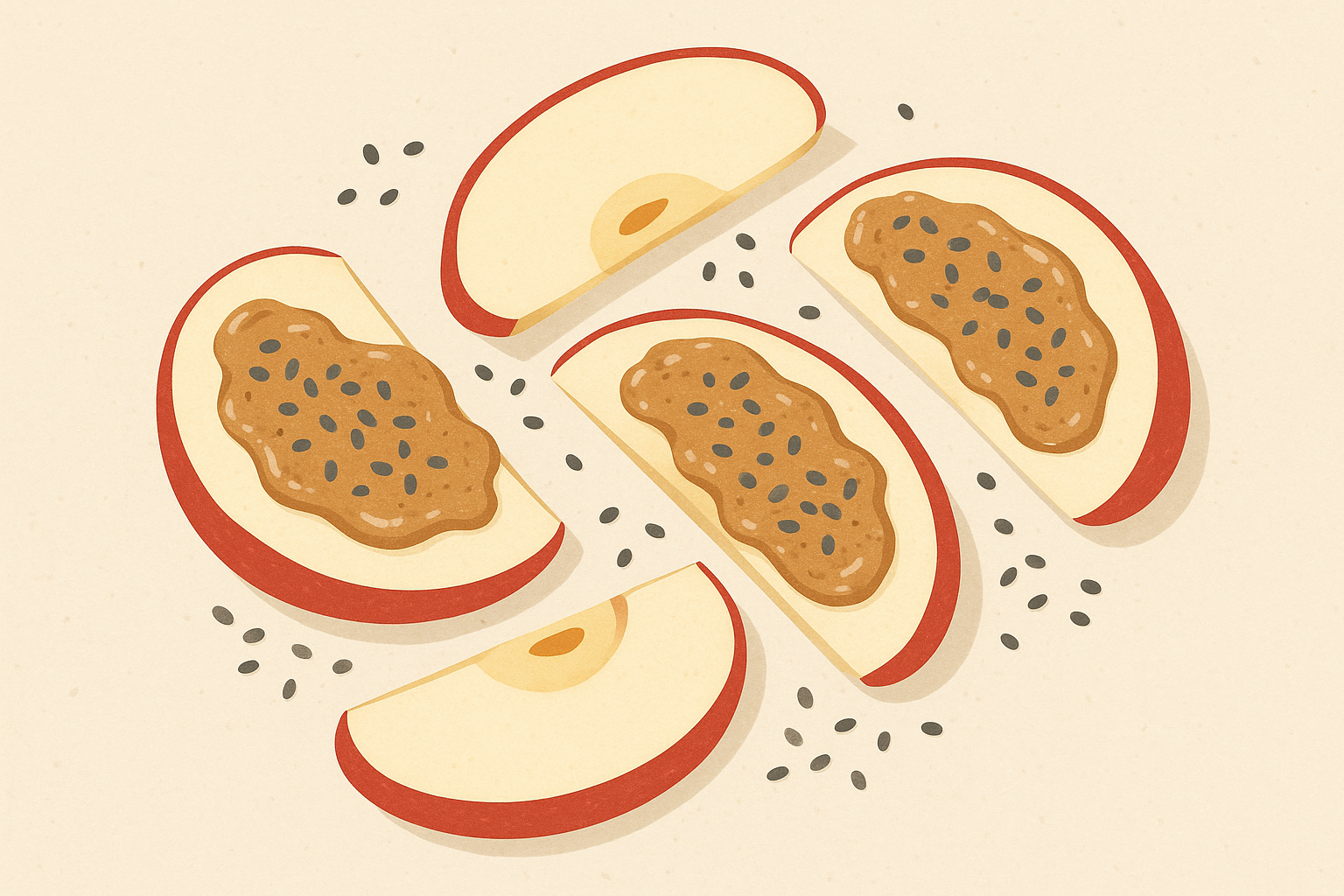
22. Apple Slices with Almond Butter and Chia Seeds
This is basically nature’s candy, except it’s actually good for you. Keep the skin on the apple – that’s where a lot of the fiber lives.
Fiber content: 7g per serving
Slice up an apple, serve with two tablespoons of almond butter, and sprinkle with chia seeds. Takes two minutes and satisfies that sweet craving without the sugar crash.
23. Hummus with Raw Vegetables
Store-bought hummus is fine, but if you’ve got a food processor and five minutes, homemade is so much better.
Fiber content: 8g per serving
Serve a quarter cup of hummus with two cups of whatever raw vegetables you can tolerate. Carrots, bell peppers, broccoli, snap peas – whatever floats your boat. The combination of protein and fiber keeps you satisfied way longer than you’d expect.
24. Trail Mix with Dried Fruit and Nuts
This is portable fiber that doesn’t need refrigeration. Just watch your portions because it’s easy to eat way more than you intended.
Fiber content: 4g per 1/4 cup serving
Mix equal parts almonds, walnuts, dried apricots, raisins, and pumpkin seeds. Store in small containers so you don’t accidentally eat the whole batch in one sitting (not that I’ve ever done that).
25. Baked Sweet Potato Fries with Skin
These satisfy that french fry craving while actually being good for you. The skin is where most of the fiber lives, so don’t peel it off.
Fiber content: 6g per serving
Cut sweet potatoes into fry shapes (skin on!), toss with olive oil and salt, then bake at 425°F for about 25 minutes until they’re crispy outside and tender inside. Way better than regular fries and your digestive system will actually thank you.
Expert Recipe Evaluation: Which Ones Work Best
When evaluating digestive health approaches, understanding why dietary fiber is the real macronutrient you need to watch provides valuable context for recipe selection.
The Heavy Hitters
The Three-Bean Chili is basically the superhero of constipation relief. With 18 grams of fiber per serving, it’s not messing around. The long cooking time breaks down all those tough fibers, so you get maximum benefit without feeling like you swallowed a brick. Plus, it tastes like actual food, not medicine.
| Recipe Category | Top Performer | Fiber Content | Why It Works Best |
|---|---|---|---|
| Breakfast | Steel-Cut Oat Power Bowl | 15g | Combines both fiber types with sustained energy |
| Soup/Stew | Three-Bean Chili | 18g | Highest fiber content with optimal hydration |
| Salad | Three-Bean Salad | 11g | Raw enzymes with complete protein |
| Main Dish | Black Bean Buddha Bowl | 16g | Balanced macros with diverse fiber sources |
| Snack | Hummus with Vegetables | 8g | Quick prep with sustained satisfaction |
The Steel-Cut Oat Power Bowl (15g) and Black Bean Buddha Bowl (16g) round out the top tier. Both recipes balance soluble and insoluble fiber while incorporating healthy fats that support nutrient absorption. The oat bowl works particularly well for morning digestive stimulation, while the Buddha bowl provides sustained afternoon energy.
Best for Beginners (AKA People with Sensitive Stomachs)
If you’re new to this whole fiber thing, don’t jump straight into the bean recipes unless you want to clear out a room. Start with the Green Smoothie – blending breaks down the fiber, making it easier on your system while still giving you 8g of the good stuff.
The Overnight Chia Pudding is another gentle giant. Those little seeds create this gel-like texture that’s surprisingly easy on sensitive digestive systems. Plus, you make it the night before, so there’s no morning decision-making required.
My buddy Mark learned this the hard way. He went straight for the Three-Bean Chili on day one and spent the next 48 hours wondering if he’d made a terrible mistake. After backing off and starting with smoothies, he gradually worked his way up. Now he can handle the chili like a champ.
The Lentil and Vegetable Soup (12g) uses red lentils that break down during cooking, creating natural creaminess without dairy. This makes the fiber more accessible while providing plant-based protein and B vitamins.

The Hydration Heroes
Here’s something most people don’t think about: fiber without water is like trying to push a dry sponge through a straw. Not gonna work, and it might actually make things worse.
The soup recipes are your friends here. Split Pea Soup, Lentil Soup, and that Three-Bean Chili all deliver fiber with built-in hydration. Your body doesn’t have to work as hard to process everything.
The Rainbow Slaw is another smart choice – all those water-rich vegetables like cabbage and bell peppers provide natural hydration alongside their fiber content. Way more effective than trying to chug water with a dry granola bar.
Fresh preparations like the Quinoa Tabbouleh (6g) include cucumber and tomatoes, which contribute cellular water alongside their fiber content. This natural hydration works more effectively than trying to drink extra water with dry, fiber-rich foods.
Quick Wins for Busy People
Some days you barely have time to breathe, let alone prepare elaborate meals. The Apple with Almond Butter and Chia Seeds takes literally zero prep time and gives you 7g of fiber plus healthy fats and protein. Keep these ingredients at your desk and you’re set.
| Prep Time | Recipe Options | Fiber Range | Best For |
|---|---|---|---|
| Under 5 minutes | Apple w/ Almond Butter, Avocado Toast | 7-11g | Busy mornings, quick snacks |
| 15-30 minutes | Green Smoothie, Hummus w/ Vegetables | 8g | Light meals, afternoon energy |
| 30-60 minutes | Lentil Soup, Chickpea Curry | 12g | Weekend prep, batch cooking |
| 1+ hours | Three-Bean Chili, Stuffed Peppers | 13-18g | Sunday meal prep, freezer meals |
Avocado Toast with Hemp Seeds (11g) takes under five minutes to assemble but delivers substantial fiber plus heart-healthy monou
Avocado Toast with Hemp Seeds (11g) takes under five minutes to assemble but delivers substantial fiber plus heart-healthy monounsaturated fats. The whole grain bread provides B vitamins and additional fiber that works synergistically with the avocado.
For batch cooking efficiency, the Three-Bean Chili makes eight servings and freezes beautifully. Spend one Sunday afternoon cooking, then enjoy high-fiber meals for weeks. The Roasted Chickpeas (6g) store for up to a week, providing grab-and-go fiber whenever you need it.
The Ones That Need a Warning Label
Look, I’m all about honesty here. Some of these recipes can be a bit… intense if you’re not ready for them.
The raw salads, especially that Kale and Brussels Sprouts combo, can cause some serious gas if your system isn’t used to cruciferous vegetables. Start small and work your way up, or you might find yourself sleeping on the couch.
Those Roasted Chickpeas are concentrated fiber in crunchy form. They’re delicious and addictive, but if you eat them without drinking enough water, you might end up more backed up than when you started. Learn from my mistakes, people.
The Three-Bean Salad is another one to approach with caution if beans aren’t your usual thing. All that raw bean fiber can be a shock to the system. Maybe try the cooked bean recipes first and work your way up to the raw ones.

How These Recipes Support Long-Term Digestive Health
Understanding gut health extends beyond fiber intake, which is why exploring whether drinking vinegars are the next big thing for gut health can complement your high-fiber recipe approach.
Feeding Your Gut Buddies
Think of your gut bacteria as tiny pets living in your intestines. Feed them the right stuff (fiber), and they’ll keep you healthy and happy. Feed them junk, and they’ll make your life miserable.
When you eat that Three-Bean Chili or Lentil Soup regularly, you’re feeding the good bacteria that produce compounds called short-chain fatty acids. These little molecules reduce inflammation in your digestive tract and strengthen your intestinal lining. It’s like giving your gut a protective shield.
The variety in these 25 recipes is key. Different types of fiber feed different bacterial strains. Eating the same high-fiber cereal every day is like feeding your pets only one type of food – it works, but it’s not optimal. Mix it up with chia seeds one day, Brussels sprouts the next, and quinoa after that.
Fermentable fibers in recipes like the Rainbow Slaw (thanks to the cabbage) and the Kale salads provide specific fuel for bacteria that produce butyrate. This fatty acid directly nourishes your colon cells and has been linked to reduced risk of digestive diseases.
Fighting Inflammation from the Inside
A lot of these recipes do double duty. The turmeric in that Chickpea Curry isn’t just there for flavor – it’s actively reducing inflammation in your digestive tract. Same with the garlic, ginger, and other spices scattered throughout these recipes.
All those colorful vegetables aren’t just pretty Instagram fodder. The beets, carrots, and bell peppers contain antioxidants that protect your digestive lining from damage. Think of them as internal bodyguards for your gut.
The healthy fats in recipes like the Buddha Bowl and Avocado Toast help your body absorb fat-soluble vitamins that are crucial for digestive health. Without enough healthy fats, even perfect fiber intake won’t give you optimal results.
Building Habits That Actually Stick
Here’s why these recipes work long-term: they taste good and fit into real life. You’re not going to stick with anything that tastes like cardboard or requires a culinary degree to prepare.
The variety means you won’t get bored and abandon ship after two weeks. The different complexity levels mean you can choose based on your available time and energy. Some days you’ve got time for elaborate Buddha bowls, other days you need the five-minute apple and almond butter combo.
The batch-cooking options are game-changers for busy people. Having that chili or soup ready in your freezer means you’re less likely to hit the drive-through when you’re exhausted and hangry.
Starting gentle and gradually increasing fiber lets your digestive system adapt naturally. This prevents the gas, bloating, and general misery that makes people throw in the towel on healthy eating.

At Organic Authority, we understand that true wellness comes from sustainable, whole-food approaches rather than quick fixes. These recipes embody our philosophy of supporting your body’s natural healing capacity through clean, nutrient-dense ingredients. Ready to transform your digestive health naturally? Start with one recipe this week and gradually build your fiber-rich repertoire.
Final Thoughts
Here’s the bottom line: you don’t have to live with constant digestive discomfort. These 25 recipes aren’t magic bullets, but they’re powerful tools that can genuinely transform how you feel every day.
Start where you are, not where you think you should be. If you’re currently living on processed foods and barely drinking water, begin with the Green Smoothie or Overnight Chia Pudding. If you’re already eating pretty well but need to up your fiber game, jump straight to the Three-Bean Chili or Steel-Cut Oat Power Bowl.
Remember that fiber needs water to work properly. Those soup-based recipes are brilliant because they provide both in one package. Don’t try to force down dry, high-fiber foods and expect miracles.
The highest-impact recipes like that Three-Bean Chili and Black Bean Buddha Bowl aren’t just digestive aids – they’re complete, satisfying meals that happen to support optimal gut function. You’re not sacrificing taste or satisfaction for health benefits.
Your digestive journey is completely personal. What works for your best friend might not work for you, and that’s okay. These recipes give you options to experiment and find what makes your body feel its best.
Most importantly, be patient with yourself. It takes time for your digestive system to adapt to increased fiber intake, and it takes time to build new habits. But when you start having regular, comfortable bowel movements and sustained energy throughout the day, you’ll wonder why you waited so long to make these changes.
Your gut health affects literally everything else in your body. Taking care of it isn’t vanity – it’s one of the most important investments you can make in your overall well-being. Start with one recipe this week, see how you feel, and build from there.