Fresh Meal Plan Secrets: What Companies Don’t Want You to Know About Your Food


Table of Contents
- The Nutrient Disappearing Act in Your Delivered Meals
- Why Your Brain Craves (and Hates) Pre-Planned Food
- The Real Environmental Truth About Meal Delivery
- The Personalization Myth That’s Costing You Money
- The Timing Game: When You Eat Matters More Than What
TL;DR
- Your fresh meal plan loses up to 50% of its vitamin C within 48 hours, even when refrigerated properly
- Packaging materials can reduce iron and zinc absorption by 15-30% compared to home-cooked meals
- Pre-portioned meals mess with your natural hunger cues and can make you forget how to cook
- Meal services actually reduce food waste by 40-60% and can be more energy-efficient than home cooking
- Most “personalized” plans ignore your genetic variations and optimal nutrient timing
- Your body absorbs nutrients differently throughout the day – timing matters as much as content
The Nutrient Disappearing Act in Your Delivered Meals
So I went down this rabbit hole researching meal delivery services (thanks, 3 AM insomnia), and honestly? Some of what I found made me want to cancel my subscription immediately. Companies promise convenience and nutrition, but the reality is that by the time that “fresh” meal gets to your door, your body can’t use half the nutrients anymore. It’s like paying premium prices for a sports car that’s missing two wheels.
According to DeliveryRank, more than 95% of available fresh meal plan options contain fewer than 600 calories, with most containing 500 or fewer – a portion size that may not account for the nutrient losses that occur during the delivery process. When you’re already getting smaller portions, losing nutrients on top of that becomes a real problem. It’s like ordering a small coffee and then someone drinks half of it before you get it.
Understanding how to boost your immune system naturally becomes crucial when your fresh meal plan isn’t delivering the nutrients you expect. Look, if you’re paying premium prices for “healthy” meals but still feeling tired all the time, there might be a reason for that. I’ve watched friends wonder why they feel exhausted despite eating “clean” delivered meals – turns out, what’s happening during those crucial days between preparation and your plate tells a different story.
The 72-Hour Countdown Nobody Talks About
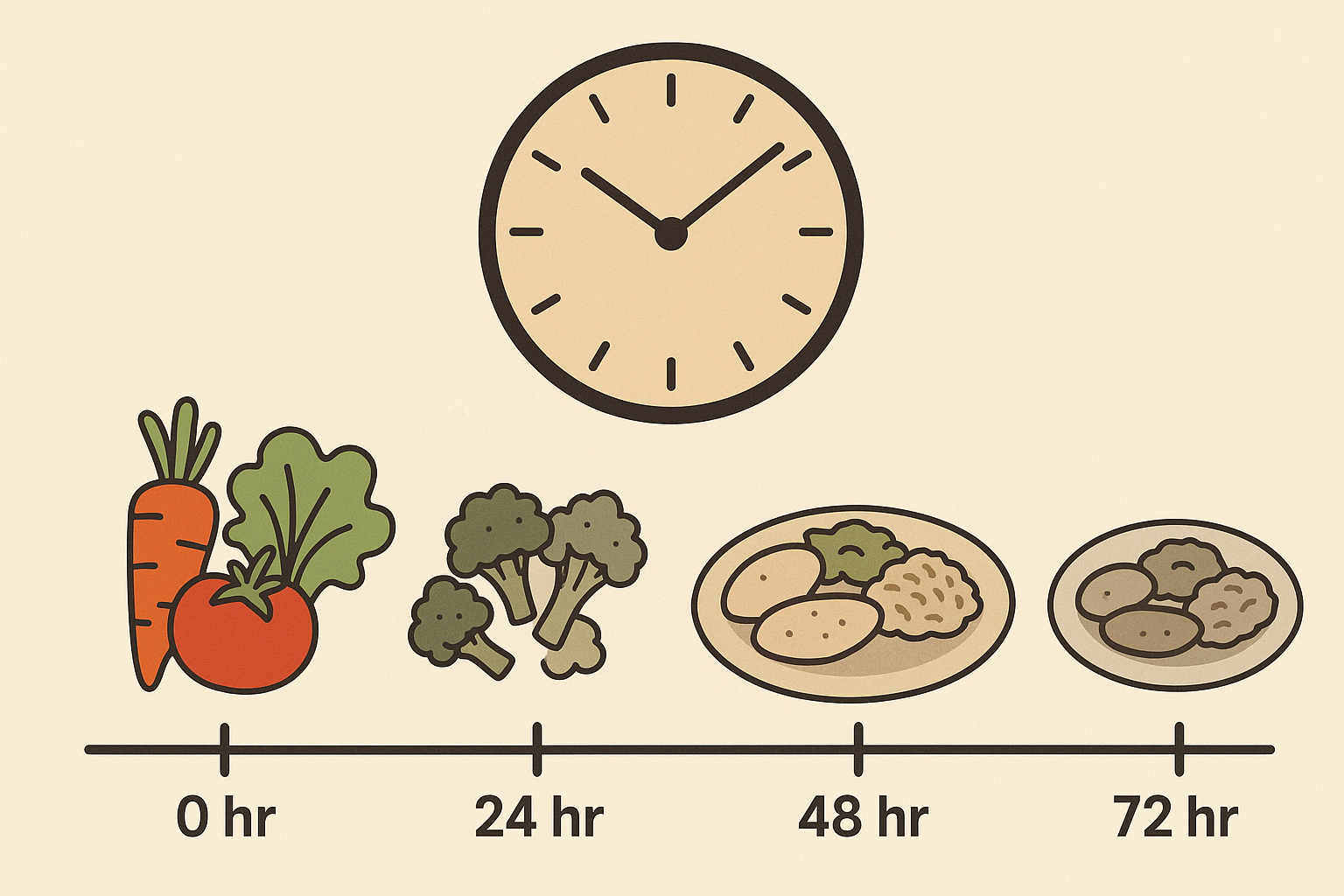
Here’s the thing that’ll blow your mind: that vitamin C in your delivered salad? It’s basically playing hide and seek, and losing. Most meal services operate within this critical three-day window where nutrients just… disappear. Companies rarely mention this little detail when they’re showing you those beautiful photos of “farm-fresh” ingredients.
Water-soluble vitamins start their silent exodus the moment your meal gets packaged. After just two days in the fridge, half of that vitamin C has vanished into thin air. Even under perfect refrigeration. I’ve seen lab reports that would make you question every “fresh” label you’ve trusted.
The enzyme situation gets even worse. Remember those digestive helpers that actually make nutrients usable? They start dying immediately after cooking. Within 24-48 hours, most enzymatic activity just… stops. You’re essentially eating nutritionally dead food that looks alive. It’s like getting a beautiful bouquet that’s already wilting on the inside.
HelloFresh and other major players in the fresh meal plan industry rarely discuss these degradation patterns in their marketing materials. When you say hello to convenience, you might be saying goodbye to significant nutritional value. The hello-fresh approach focuses on taste and convenience, but the fresh meal plan reality includes substantial nutrient losses that HelloFresh customers aren’t warned about.
| Nutrient Type | 24-Hour Loss | 48-Hour Loss | 72-Hour Loss |
|---|---|---|---|
| Vitamin C | 15-25% | 35-50% | 60-75% |
| B Vitamins | 10-20% | 25-40% | 45-60% |
| Enzymes | 40-60% | 70-85% | 90-95% |
| Antioxidants | 20-30% | 40-55% | 65-80% |
When Your Packaging Steals Your Minerals
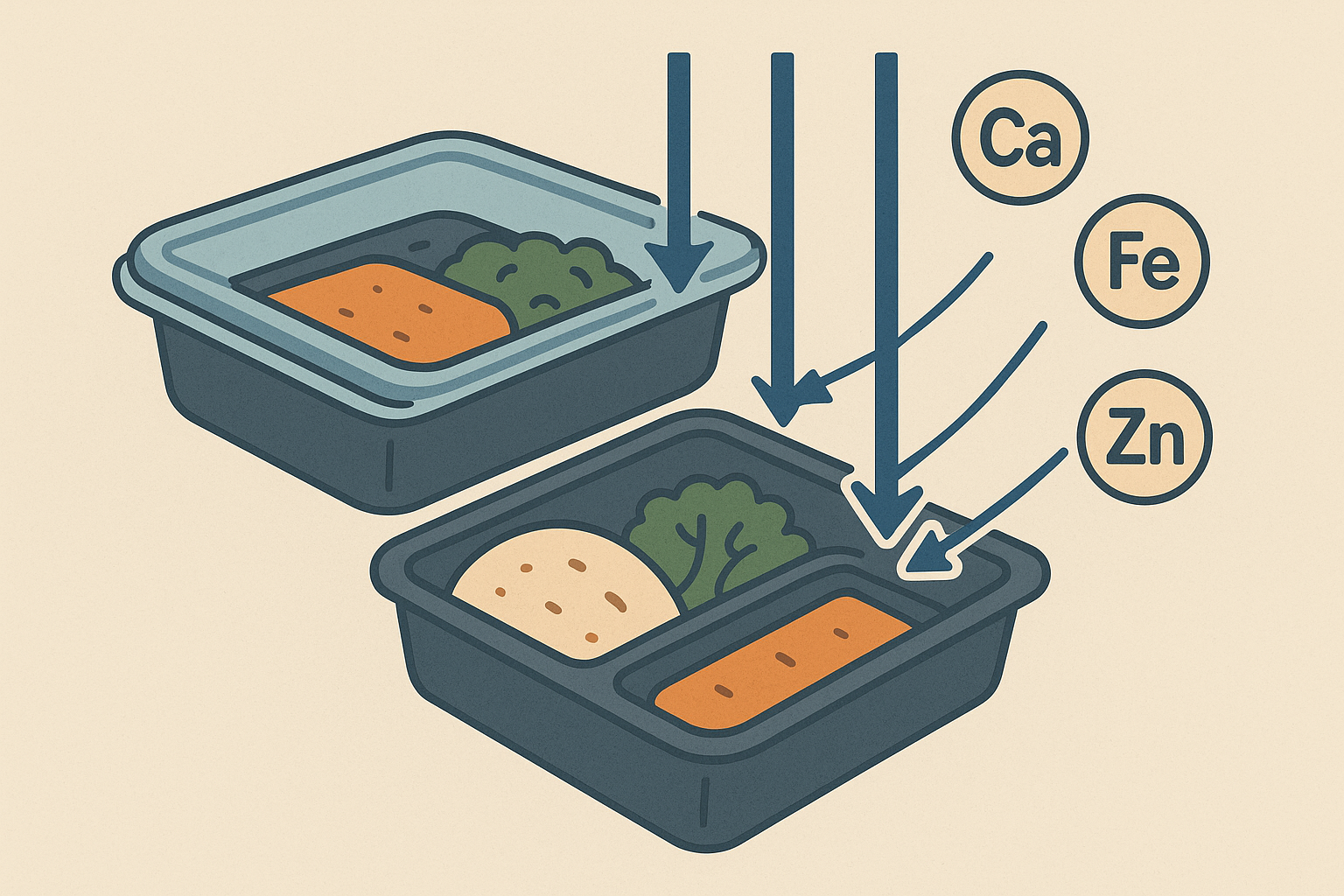
Here’s something that’ll make you rethink those convenient plastic containers: they’re literally stealing your minerals. Certain packaging plastics bind with iron and zinc, reducing what your body can actually use by 15-30%. That iron-rich spinach salad? Your container might be making it significantly less effective. It’s like having a personal nutrient thief living in your fridge.
Picture this: your meal sits in a hot delivery truck all morning (hello, summer heat), then gets tossed in a refrigerated warehouse, then sits on your porch for two hours. Your poor spinach has been through more temperature changes than a menopausal woman. These fluctuations mess with food pH levels, affecting how well you absorb calcium and magnesium. It’s chemistry working against you.
Even “low-sodium” fresh meal plans pack 2-3 times more salt than you’d use at home. They need it for flavor preservation and shelf life, but your blood pressure doesn’t care about their business model. HelloFresh meals, despite their fresh meal plan branding, often contain sodium levels that would surprise customers who think they’re making healthier choices.
A typical meal service spinach and quinoa bowl might start with 18mg of iron when freshly prepared, but after 48 hours in plastic packaging with temperature fluctuations, your body may only absorb 12-13mg due to mineral binding and pH changes – a 25-30% reduction in actual nutritional value.
Your Gut Bacteria Aren’t Getting the Memo
Remember that expensive probiotic yogurt you added to your meal plan? By the time it reaches you, most of those “good bacteria” are basically dead. It’s like paying for a gym membership and finding out the gym burned down three days ago. Probiotic survival rates in packaged meals hover below 10% compared to freshly fermented foods.
This connects to the importance of improving digestion naturally when your fresh meal plan disrupts your gut microbiome. Your gut bacteria are basically sending you passive-aggressive texts: “Thanks for the processed food. Again. We’ll just be over here, slowly dying.” This isn’t just about digestion – your gut bacteria actually synthesize nutrients. When they’re not functioning optimally because of processed food patterns, you’re missing out on B-vitamins and other compounds your body should be making naturally.
HelloFresh and similar services focus on convenience, but the hello-fresh approach to meal preparation doesn’t account for how packaging affects beneficial bacteria. Every fresh meal plan faces this challenge, yet most customers remain unaware of the gut health implications.
Why Your Brain Craves (and Hates) Pre-Planned Food
You know that feeling when you open your fridge at 6 PM and just… stare? Like somehow the perfect dinner will materialize if you look long enough? Yeah, meal plans totally fix that problem. But here’s where it gets weird – while they’re solving your decision fatigue, they’re also rewiring your brain in ways you might not expect.
The Mental Load Relief That Comes With Hidden Costs
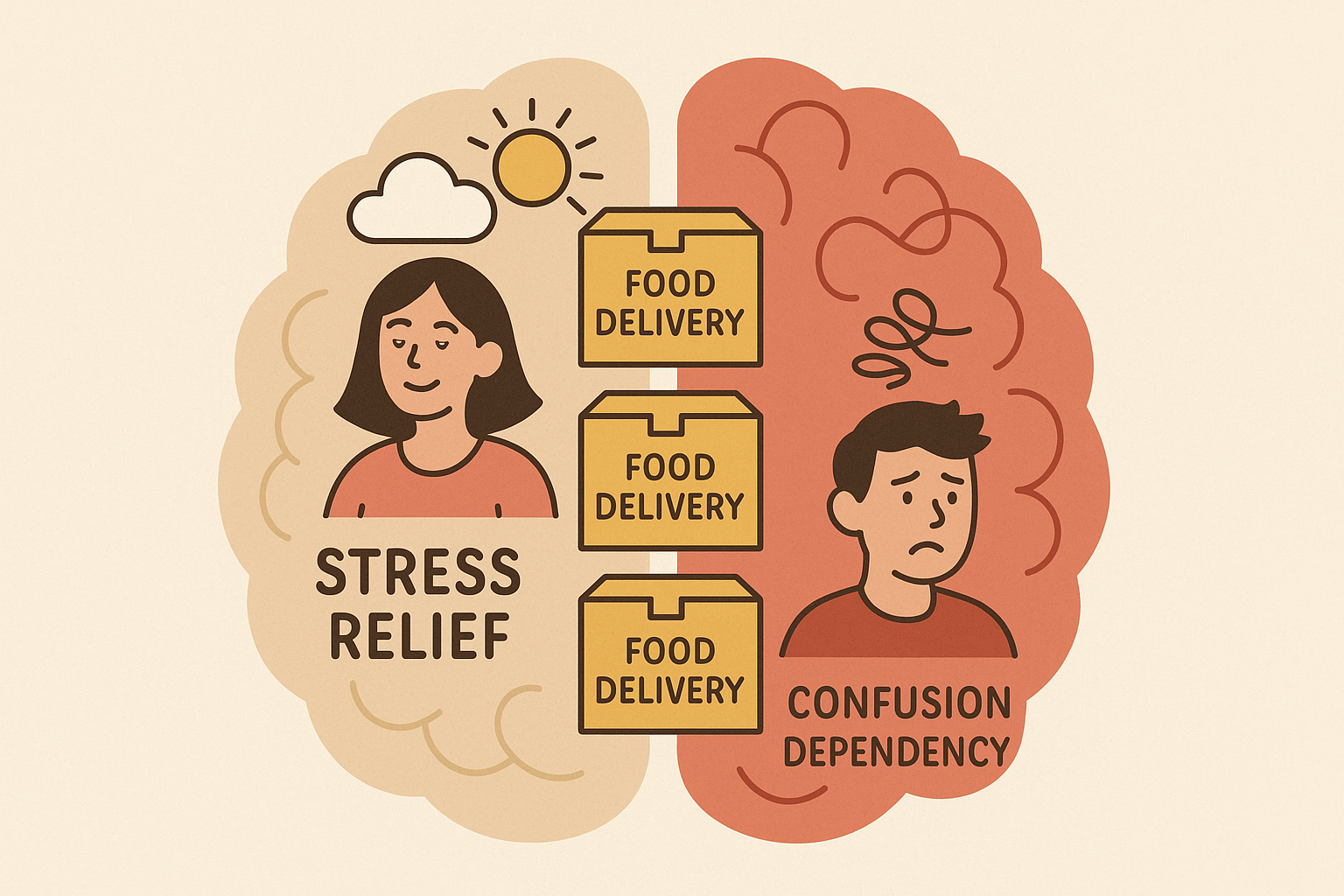
The mental relief of meal plans feels incredible at first. No more standing in your kitchen wondering what to make, no more grocery store decision paralysis. Your brain gets a vacation from food choices, and honestly, that’s pretty amazing when you’re juggling work, kids, and whatever else life throws at you.
But here’s the catch – you start losing touch with your body’s signals. Pre-portioned meals recalibrate your perception of normal serving sizes. I’ve watched friends struggle with portion control when they go back to cooking because they’ve forgotten what “enough” feels like naturally. It’s like having GPS for so long that you can’t find your way to the corner store without it.
Ever notice how you start craving tomatoes in January when they taste like cardboard? That’s your meal plan messing with your internal food compass. Your body’s like “Wait, why am I eating summer food when it’s snowing outside?” When meal plans don’t align with what’s actually growing in your region, your seasonal cravings get completely confused. HelloFresh customers often report this disconnection from seasonal eating patterns, even though the fresh meal plan concept could theoretically support local, seasonal ingredients.
Recent analysis by Bon Appétit reveals that meal kit pricing is often deliberately opaque, with advertised per-serving costs typically being introductory offers that expire after a few weeks or months, making it harder for consumers to make informed decisions about true costs and value. This pricing strategy adds another layer of psychological manipulation to the hello-fresh marketing approach.
The Cooking Skills You’re Quietly Losing
My friend Sarah used HelloFresh for eight months, and when she finally tried to cook dinner for her family, she made enough pasta for twelve people. She’d completely lost her sense of what a normal portion looked like. But it wasn’t just portions – her knife skills had gotten rusty, her seasoning intuition had disappeared, and that confidence she used to have around improvising with ingredients? Gone.
Learning the art of plant-based cooking becomes essential to maintain culinary skills while using meal delivery services. Six months into consistent meal plan use, something subtle but significant happens. It’s learned helplessness, and it makes you more dependent on processed solutions over time. The convenience becomes a crutch that’s hard to put down.
Anyone else ever get their meal kit ingredients at 7 PM, reading the recipe card like it’s written in ancient Sanskrit? Just me? Cool. Sarah had lost her ability to estimate cooking times, season by taste, and adjust recipes on the fly – skills she previously took for granted. HelloFresh had become her primary cooking method, and when she tried to prepare meals independently, the fresh meal plan dependency became obvious.
Cooking Skills Assessment Checklist:
- Can you prepare a balanced meal without a recipe?
- Do you know how to season food by taste rather than measurement?
- Can you estimate cooking times for basic proteins and vegetables?
- Are you comfortable substituting ingredients based on what’s available?
- Do you feel confident adjusting recipes for different serving sizes?
- Can you identify when food is properly cooked without timers?
The Real Environmental Truth About Meal Delivery
Okay, this one actually surprised me. Those massive commercial kitchens where your meals get made? They’re basically the Tesla of cooking – way more efficient than your home setup. We’re talking 3-4 times better, which kind of makes me feel bad about my gas-guzzling oven. But before you start feeling too good about your environmental impact, there’s more to this story.
When Centralized Cooking Actually Helps the Planet
Commercial kitchens are energy efficiency powerhouses. When you factor in the reduced food waste (meal services cut waste by 40-60% through precise purchasing), the environmental math starts looking different than you’d expect. Your grocery shopping habits probably involve buying ingredients that partially go bad. I know mine do – there’s always that sad wilted lettuce in my crisper drawer judging me.
Meal services calculate exactly what they need and use it all. That efficiency partially offsets the packaging and delivery emissions. HelloFresh and other major fresh meal plan providers have invested heavily in supply chain optimization, though the hello-fresh environmental claims deserve scrutiny when you examine the full lifecycle.
Fresh meal services offer over 100+ different meal choices each week with weekly rotation, allowing for more precise inventory management that reduces food waste compared to traditional grocery shopping where consumers often overbuy perishable items. This variety in fresh meal plan options actually supports better environmental outcomes through reduced waste.
The Delivery Distance Dilemma
But if you live out in the boonies like my cousin Jake, forget about it. The delivery truck burns more gas getting to his farm than he’d use driving to the grocery store for a month. Sorry, Jake. Location matters enormously for environmental impact. Dense urban deliveries can have 70% lower per-meal carbon emissions compared to rural routes. If you live in a city where the delivery truck hits 20 houses on your block, the math works in your favor.
When a truck drives 30 minutes to deliver to three houses, the carbon footprint per meal skyrockets. The packaging waste becomes a bigger relative problem too. HelloFresh delivery routes in rural areas create significantly higher environmental costs per fresh meal plan delivery.
| Delivery Area | Houses Per Route | Carbon Emissions Per Meal | Packaging Impact |
|---|---|---|---|
| Dense Urban | 15-25 houses | 0.3-0.5 kg CO2 | Low relative impact |
| Suburban | 8-15 houses | 0.8-1.2 kg CO2 | Moderate impact |
| Rural | 3-8 houses | 2.1-3.5 kg CO2 | High relative impact |
The Personalization Myth That’s Costing You Money
Here’s something that’ll mess with your head: nearly half of us have this genetic quirk that means we can’t process folate properly. But does your meal service know this? Nope. They’re over here asking if you prefer chicken or beef like that’s the same thing. Most “personalized” meal plans are about as personalized as a horoscope – generic enough to apply to everyone, specific enough to feel tailored.
<img src="https://staging-swiftbrief-featured-images.s3.eu-central-1.amazonaws.com/itq4oya6pspgkys9i6k1fv9w.png" alt="Person 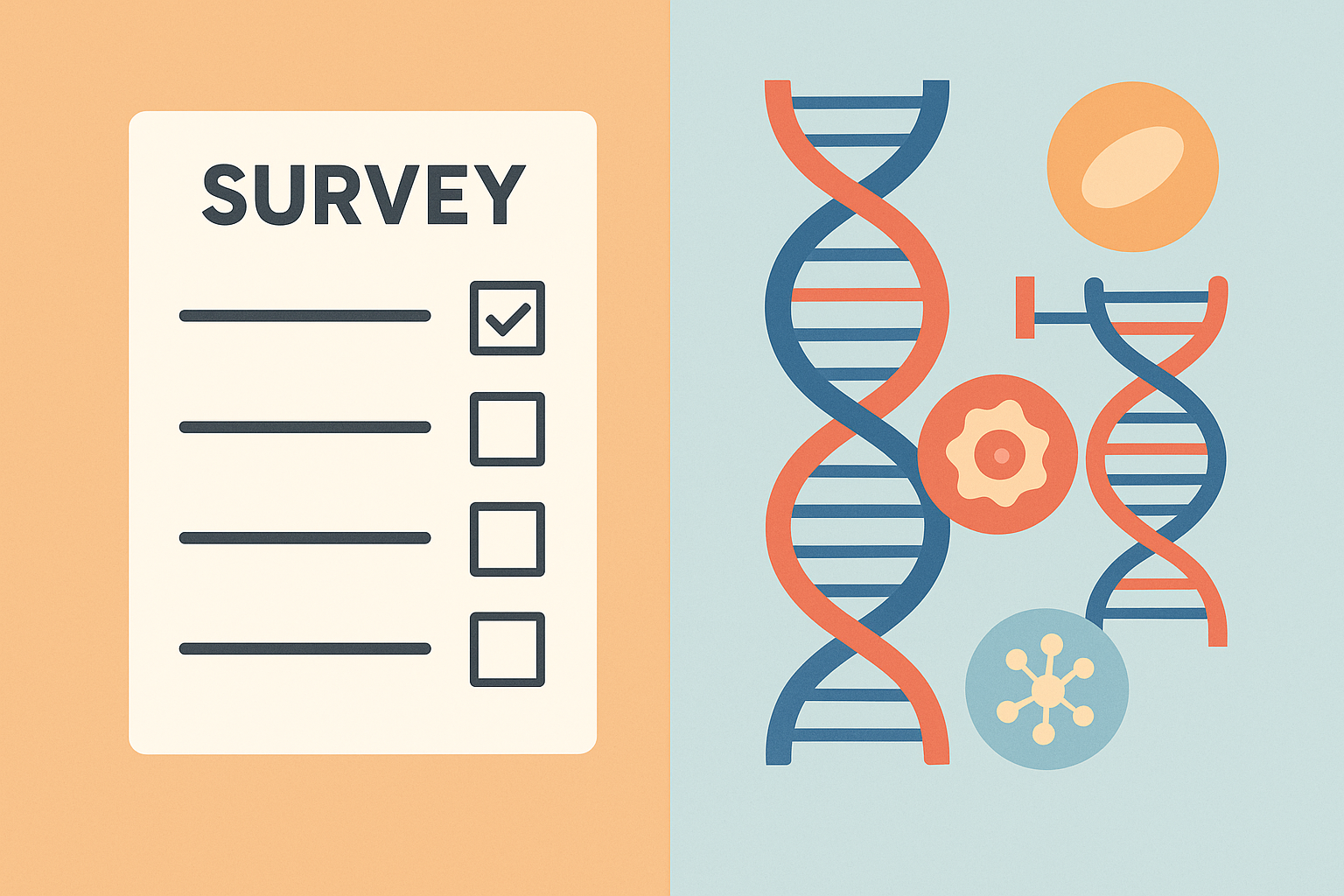
Your Genes Don’t Care About Your Survey Answers
Understanding how food intolerances affect your skin reveals why generic meal plans often fail to address individual sensitivities. About 40% of people have MTHFR gene variations that affect how they process folate. Standard meal plans don’t account for this, so nearly half the population might not be getting folate in the form their body can actually use effectively.
Your genetic makeup determines how you metabolize vitamins, produce enzymes, and respond to different foods. A survey asking about your favorite cuisines and dietary restrictions barely scratches the surface of what your body actually needs. Most meal services use the same basic algorithm: age, gender, activity level, food preferences. They’re missing the crucial stuff that makes you… well, you – and why your body might hate the same meal your neighbor loves.
HelloFresh personalization relies heavily on preference surveys rather than biological markers. The hello-fresh algorithm can’t account for genetic variations that affect how your body processes nutrients from their fresh meal plan options. This limitation applies across the fresh meal plan industry, where true personalization would require genetic testing and biomarker analysis.
According to Bon Appétit meal delivery testing, companies determine portion sizes through consulting dieticians rather than individual needs, leading to significant disparities between what a “6-foot-tall, athletic husband and a company’s consulting dietician might have very different opinions on” regarding appropriate serving sizes.
My neighbor and I both tried the same “personalized” keto plan. She lost 15 pounds and had energy for days. I felt like I’d been hit by a truck and gained three pounds. Same meals, same portions, totally different genetics. Thanks for nothing, algorithm. Person A with efficient fat metabolism genes thrives, while Person B with slower fat processing genes experiences fatigue and poor results, despite identical meal plans and macros. HelloFresh keto options face this same limitation – the fresh meal plan approach can’t account for individual metabolic differences.
True Personalization Assessment:
- Has your meal service requested genetic testing results?
- Do they account for your medication interactions with nutrients?
- Are meal timings adjusted for your chronotype (morning vs. night person)?
- Do they consider your digestive enzyme production levels?
- Are portions adjusted for your metabolic rate, not just demographics?
- Do they track your biomarker changes over time?
The Timing Game: When You Eat Matters More Than What
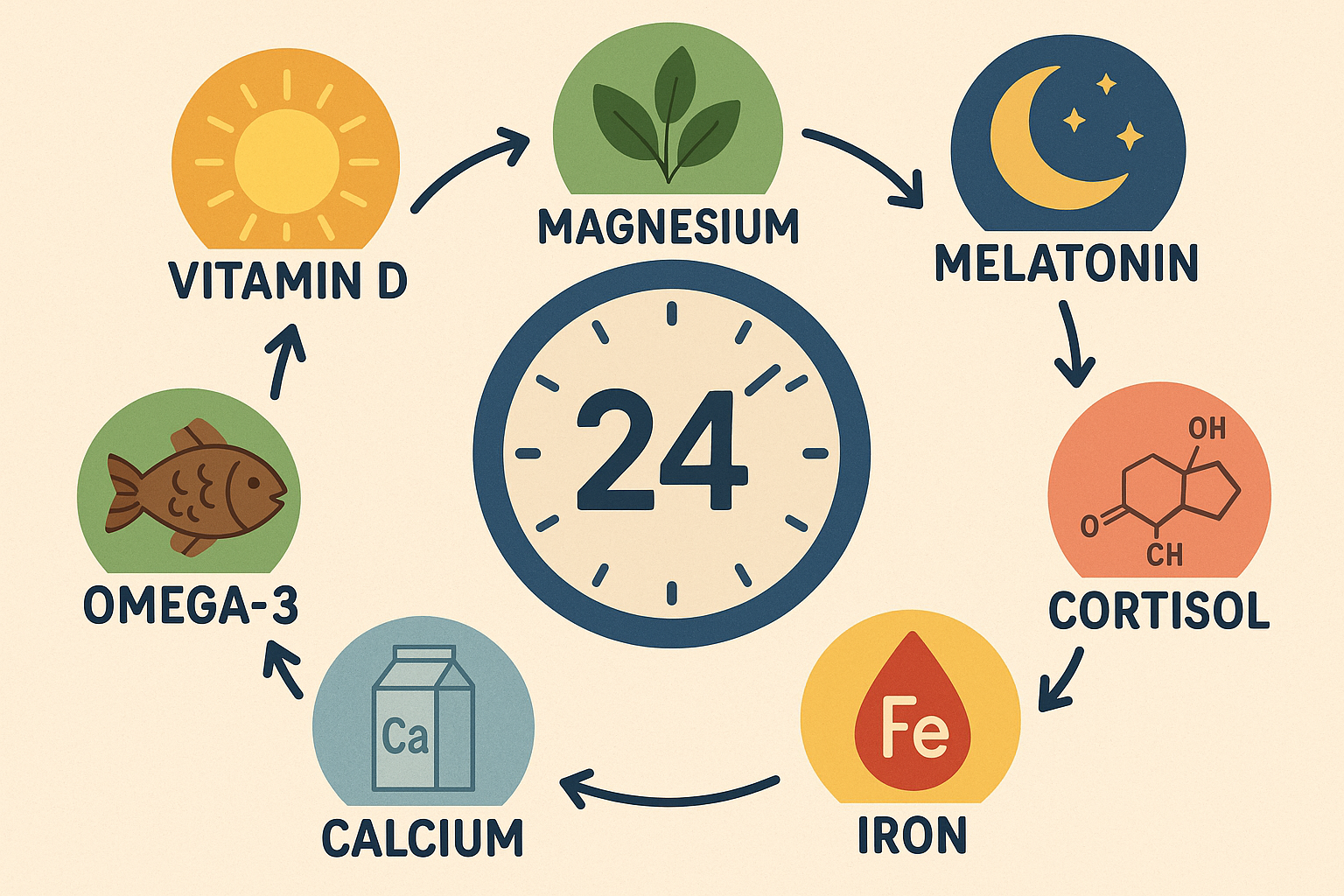
Your body wants B-vitamins in the morning when your cortisol is doing its natural wake-up dance. But guess what? Most meal services dump all your B-rich foods into dinner. It’s like showing up to a party three hours late – technically you’re there, but you missed the good stuff.
Want to absorb 60% more iron? Eat it mid-afternoon. But good luck getting your meal service to deliver lunch at exactly 2:30 PM when your body actually wants it. Different nutrients have optimal absorption windows throughout the day based on hormone cycles and circadian rhythms, yet most meal plans ignore chronobiology principles completely.
Your Body’s Hidden Nutrient Schedule
B-vitamins hit peak absorption during your morning cortisol surge (7-9 AM), but many meal plans deliver B-rich foods at dinner when absorption drops by 40%. Your body has a schedule, and most meal services ignore it completely. Magnesium absorption peaks between 6-8 PM when melatonin production begins – that’s when your body actually wants to chill out and recover.
Iron bioavailability increases 60% when consumed between 2-4 PM due to hepcidin hormone fluctuations. This timing information could revolutionize how we think about meal delivery, but instead we get meals scheduled around delivery truck routes and kitchen convenience.
With Fresh Meal Plan’s 50+ weekly rotating menu choices, there’s potential to optimize nutrient timing, yet most services deliver meals based on convenience rather than circadian biology, missing opportunities for 60% better iron absorption and 40% improved B-vitamin utilization. HelloFresh schedules deliveries for customer convenience, but the hello-fresh timing ignores when your body actually wants specific nutrients from their fresh meal plan offerings.
This relates directly to how women can optimize intermittent fasting by aligning meal timing with natural hormone cycles. Women’s hormone fluctuations create even more complex timing requirements that standard fresh meal plan delivery schedules completely miss.
The Meal Sequencing Secret
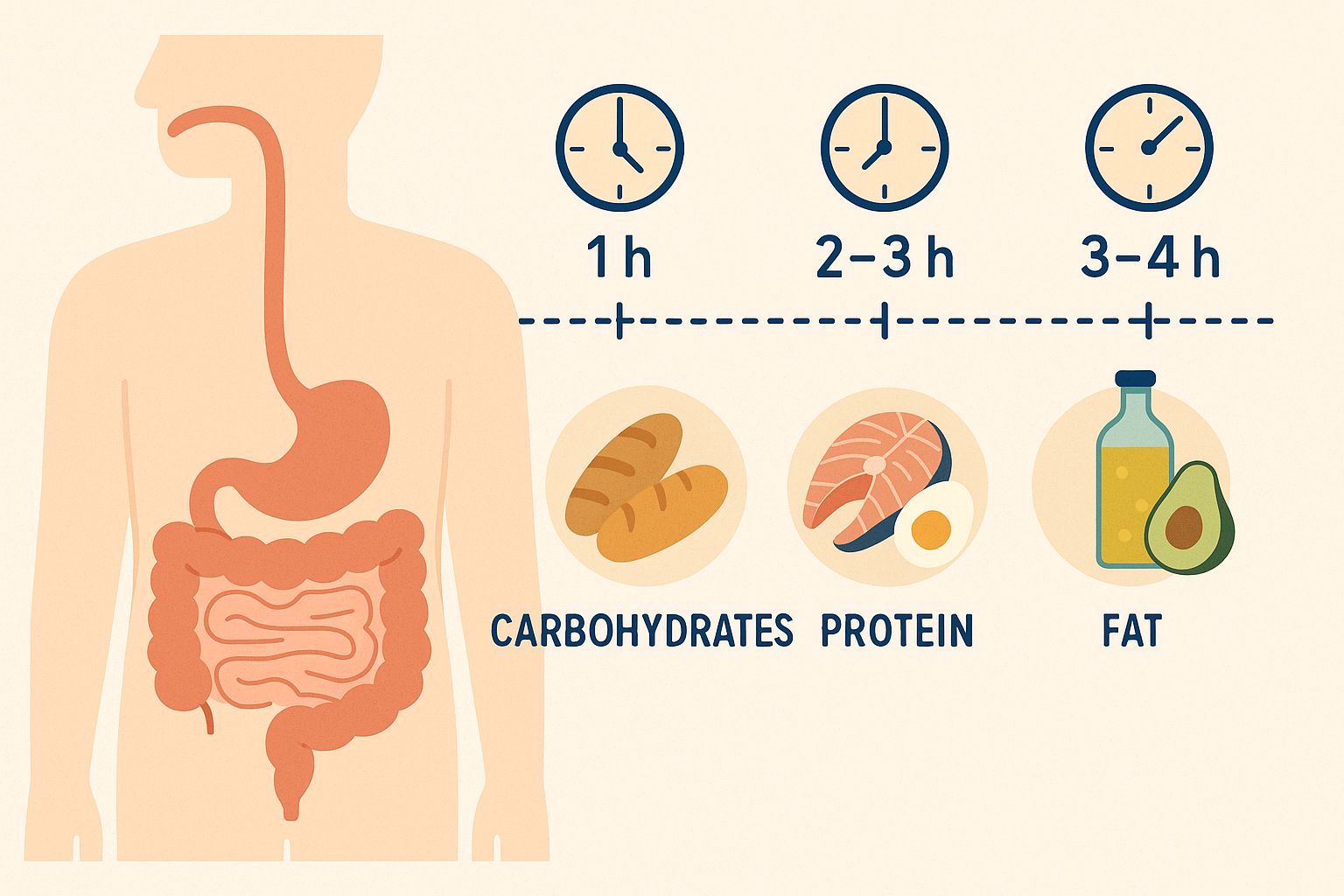
Here’s something wild: the order you eat components of your meal matters more than most people realize – we’re talking about 300% differences in absorption rates. Eating fiber first can slow glucose absorption and increase mineral bioavailability, but it requires specific preparation techniques that most meal services completely ignore.
Fat-soluble vitamins (A, D, E, K) need specific fat ratios for absorption. Most meal plans just throw ingredients together without considering these synergistic relationships that determine whether you actually benefit from the nutrients on your plate. HelloFresh meal construction doesn’t prioritize nutrient sequencing, and their fresh meal plan assembly instructions rarely mention optimal eating order.
It’s like having all the right puzzle pieces but putting them together in the wrong order – you end up with a mess instead of the beautiful picture on the box.
Optimal Meal Sequencing Protocol:
- Start with raw vegetables or salad (fiber first)
- Consume protein sources with any fat-soluble vitamins
- Add healthy fats (avocado, nuts, olive oil) mid-meal
- Finish with complex carbohydrates
- Wait 30 minutes before consuming vitamin C-rich foods
- Take any supplements 2 hours after the meal
Final Thoughts
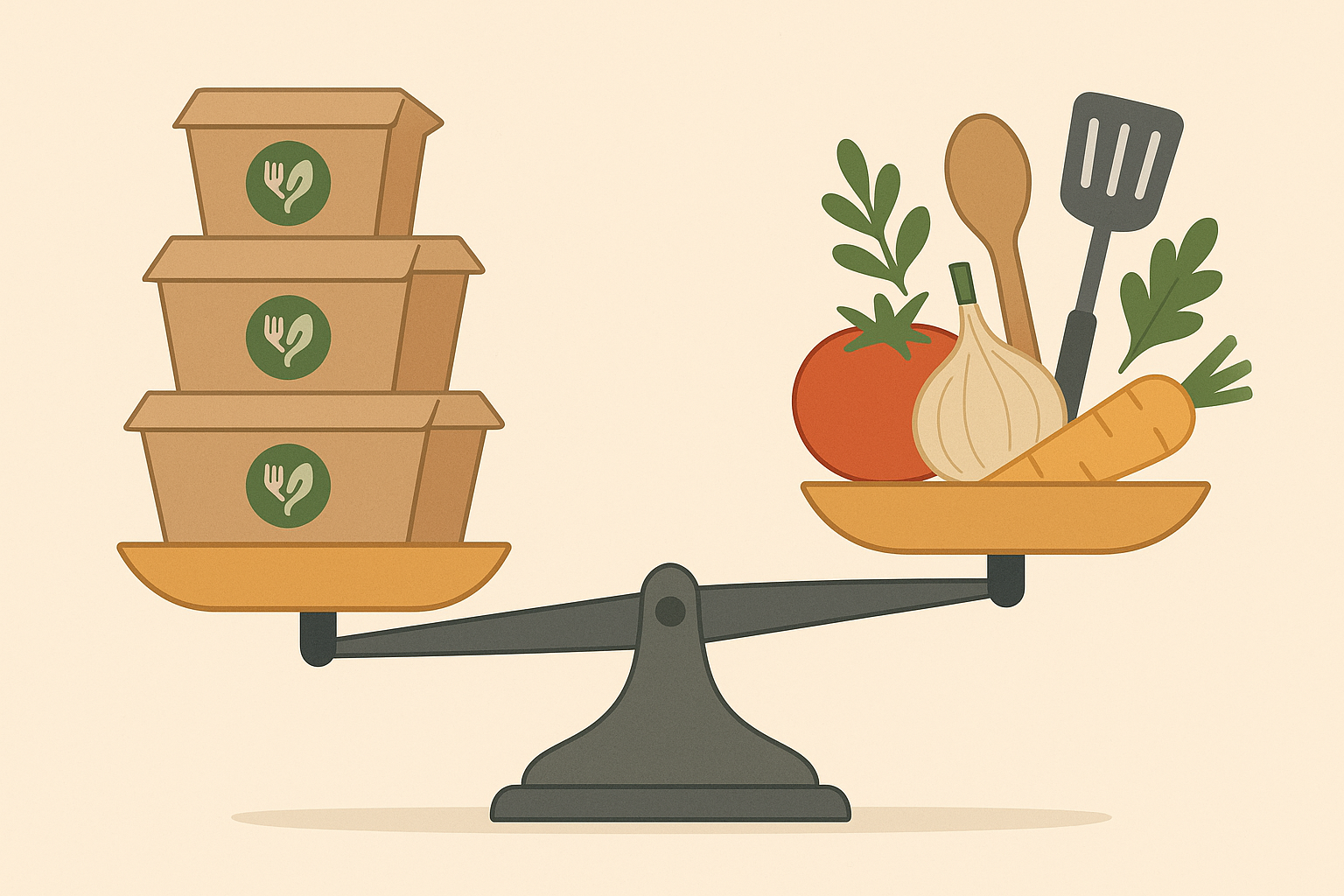
Look, I’m not here to trash meal delivery services entirely. They’ve saved my dinner more times than I can count. But let’s be real about what you’re getting – convenience with a side of nutritional compromise. Fresh meal plans aren’t inherently good or bad – they’re tools with specific strengths and significant limitations.
Think of meal services like takeout with better marketing. Helpful when you’re swamped, but probably not something you want to rely on forever. Your future self (and your cooking skills) will thank you for keeping one foot in the real kitchen. HelloFresh and other services provide convenience, but the hello-fresh approach requires supplementation to address the gaps that any fresh meal plan inevitably creates.
Anyone else ever get their “fresh” meal and think, “This lettuce has seen some things”? Like it’s been on a cross-country road trip it didn’t sign up for? That moment when you realize you’ve been paying premium prices for meals that have fewer nutrients than a decent multivitamin. Fun times.
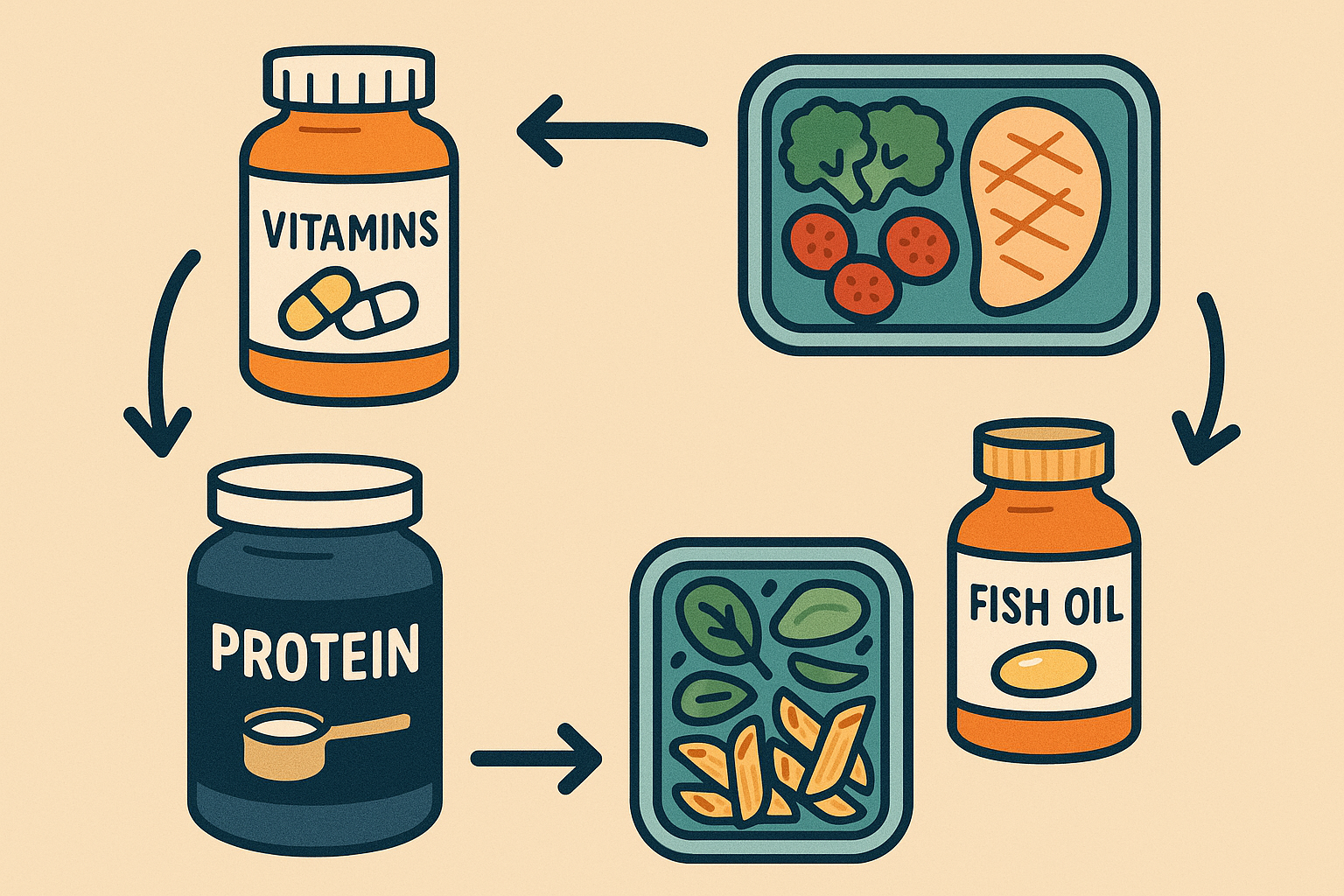
Consider supplementing with daily supplements recommended by nutritionists to fill gaps that fresh meal plans inevitably create. The nutrient losses during the 72-hour delivery window make strategic supplementation almost necessary for optimal health outcomes.
For those gaps that pre-prepared meals inevitably create – especially around bioavailable nutrients and optimal timing – Organic Authority’s carefully curated supplements can help fill the void. Their marine collagen, for instance, offers superior bioavailability compared to the degraded proteins you might find in 72-hour-old meal plans.
Learn more about marine collagen peptides and their beauty benefits as recommended by registered dieticians. The same discernment that drives informed supplement choices should guide your fresh meal decisions.
Prioritize services that provide nutrient retention data, use appropriate packaging materials, and align with your individual chronotype and genetic needs. Your body deserves better than convenient mediocrity. Whether you choose HelloFresh or another provider, demand transparency about nutrient losses and timing optimization from your fresh meal plan service.