Skip the Skippy: Is Your Peanut Butter Full of Carcinogens?

Alas, we’re learning more about our foods—ingredient by ingredient—and sometimes what we discover isn’t pretty. Sometimes it isn’t even clear. Such is the case with peanut butter and the carcinogen aflatoxin. This cancer-causing chemical is produced by naturally-occurring fungus in the soil, where foods like peanuts are grown. Peanuts, unlike hard-shelled nuts, are encased in a rather soft, porous shell, which allows for contaminants like the fungus to take hold. Is peanut butter carcinogenic? Read on.
The chemical aflatoxin has been shown to cause liver cancer in developing countries where there is a large consumption of corn, peanuts and grains grown without strict regulation of the quality of soil—yet it hasn’t been proven to be a cancer-causing agent in the United States… as far as we know. Yet for individuals who are susceptible to cancer or already have compromised liver function, the issue of peanuts may be one to get familiar with.
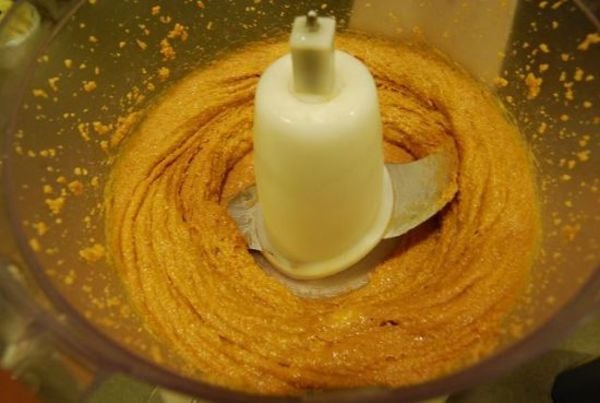
Interestingly enough, natural peanut butters may contain more aflatoxins than commercially-processed brands like Skippy. And the “grind-your-own” peanut butter machines you see in health food stores may be the most likely culprit for containing the carcinogen, since they “sit around” the longest without refrigeration, allowing any fungus present to multiply—and these machines aren’t tested for their aflatoxin levels. One shouldn’t be discouraged from buying organic peanut butters—rather, always refrigerate your peanut butter, especially if organic, and even when not, to ensure any undetectable mold doesn’t grow inside your jar.
Currently, all commercially-produced peanut butters, whether organic or not, must be tested for levels of aflatoxin. Some claim that conventional peanut butters contain lower levels of aflatoxin, whereas companies like Whole Foods Market advertise their products to be far below national standards. Yet proponents of commercial, conventional peanut butters like Skippy are missing something—these non-organic brands still have a contamination issue of a different name: pesticides. As stated earlier, peanuts have a very light, porous shell that allows for easy leaching of outside materials into the peanut. And conventionally-grown peanuts have an alarmingly high rate of pesticides and other chemical contamination.
The bottom line when it comes to peanut butter and your health: Buy organic to prevent pesticide contamination. Refrigerate your jar to prevent fungal growth. And if you’re particularly concerned about aflatoxins, buy from top-notch natural brands like Arrowhead Mills, which claim to be completely aflatoxin-free.
Image adapted from LearningLark, Flickr, Creative Commons 2.0