
Carbon Steel vs Stainless Steel vs Cast Iron — Which One Is Best for You?
Carbon steel vs stainless steel vs cast iron, not sure which is right for you? Our experts and chef breaks down the pros and cons of each after testing these babies for 10 years.
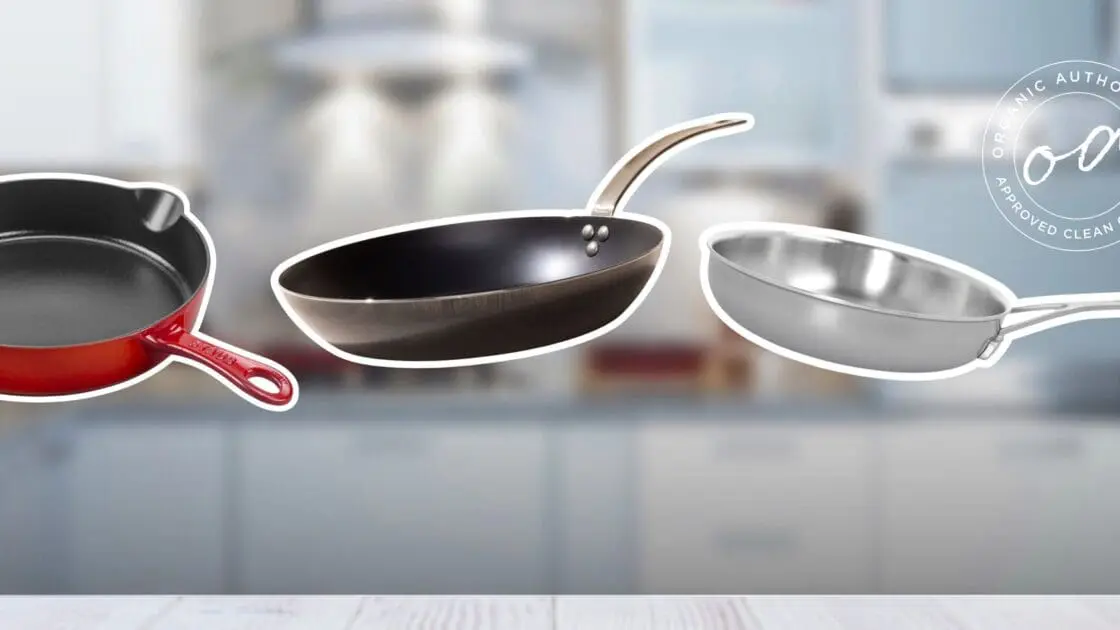
All three of these cookware materials are durable, capable of handling a variety of tasks, and deserve a place in your arsenal.
Ahh, that age-old question: Carbon steel vs. stainless steel vs. cast iron, which is best? Okay, so maybe it’s not an age-old question, but it’s one that naturally comes up for anyone looking to invest in cookware that will last generations.
Back when we were young and green in the kitchen, it was common to rely on a cheap set of nonstick pans, and our only encounter with cast iron was the mortifying time we thought we were being helpful and washed Grandma’s pan with a sudsy sponge. But we’re wiser now. Not only do we know that dinged up nonstick is a major no-no, not just for performance but for our health, we also know we deserve long-lasting, chef-quality, PFAS-free cookware. But with so many materials and brands on the market, how do you choose which type of cookware to commit to for the decades to come?
Don’t worry, we’ve got you covered. Consider this your guide to navigating the differences between three major cookware types known for their durability and performance.
Want more top picks? Sign up for the newsletter for more well-researched, non-toxic living guidance and smart wellness advice.
TL;DR: Carbon Steel vs Stainless Steel vs Cast Iron
- When it comes to durable kitchen workhorses, three major materials emerge as the heavy-hitters: cast iron, carbon steel, and stainless steel
- Stainless steel is the most lightweight and low maintenance, and it has the bonus of being non-reactive
- Cast iron is the heaviest of the three and offers incredible heat retention, but it also requires a bit of patience and hands-on maintenance to achieve proper seasoning
- Carbon steel is heavier than stainless steel but lighter than cast iron, offering a great balance of heat retention and agility
- Many experienced cooks choose to own a combination of these cookware materials to build an arsenal of pans capable of handling every task
| Material | Best For | Biggest Strength | Biggest Drawback |
| Carbon Steel | High-heat stovetop cooking | Fast heating and lighter weight | Requires seasoning |
| Stainless Steel | Everyday cooking | Durable and non-reactive | Food can stick |
| Cast Iron | Searing and baking | Excellent heat retention | Heavy weight |
Table of Contents
- TL;DR: Carbon Steel vs Stainless Steel vs Cast Iron
- Why Traditional Nonstick Cookware No Longer Fits Modern Kitchens
- The Search for Better Everyday Cookware
- Cast Iron: Best for Heat Retention and Deep Searing
- Stainless Steel: The Everyday Kitchen Workhorse
- Carbon Steel: The Fast-Heating Pan Professional Chefs Rely On
- My Experience: What Cooking With Carbon Steel, Stainless Steel, and Cast Iron Actually Feels Like
- Our Favorite Stainless Steel, Carbon Steel, and Cast Iron Product Picks
- Choosing the Right Cookware for the Way You Cook
- Frequently Asked Questions
- High Quality Cookware Saves Money Over Time
Why Traditional Nonstick Cookware No Longer Fits Modern Kitchens
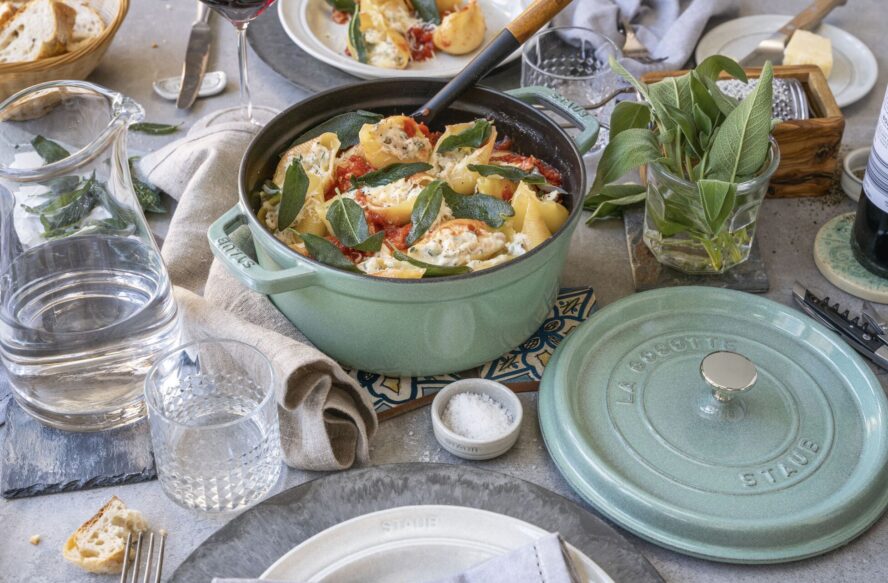
Do you still have an old-school nonstick pan (read: made with PFAS ‘forever chemicals’) somewhere in your kitchen cupboard? No shade, we’ve all been there. Traditional nonstick cookware originally rose to popularity because it was cheap to produce and made cooking and cleanup easier. But we quickly realized that it doesn’t take long for lower-quality pans to lose their nonstick qualities, and even premium non-toxic nonstick coatings wear down over time, especially when used over high heat.
As evidence continues to surface regarding the health risks of cooking on PFAS-derived nonstick (and as we make an effort to invest in items that won’t end up in the landfill within months), many home cooks are gradually shifting to longer-lasting cookware materials.
That’s where options like carbon steel, stainless steel, and cast iron come in. All three of these types of cookware can handle high heat, last for years with proper care, and support a wider range of cooking styles than basic nonstick pans. If you still want a bit of that easy nonstick release, ceramic cookware is worth a look too, but for pure durability and versatility, these three materials are hard to beat. So what are the key differences between our durable favorites: carbon steel vs. stainless steel vs. cast iron?
The Search for Better Everyday Cookware
To identify cookware that can genuinely stand up to the demands of everyday cooking, we put each of these cookware types to the test. (And by “we,” we mean our in-house trained chef, Editor-in-Chief Laura Klein.) When it comes to carbon steel vs. stainless steel vs. cast iron, each excels at different tasks, and their strengths become pretty clear in real kitchens.
“Because they’re made from different materials, they perform differently, meaning they heat and cook differently. Depending on what I’m cooking I’ll choose one or the other.”
Lisa McManus, Executive Editor of America’s Test Kitchen Reviews
Heavy-duty cast iron is a classic for a reason, thanks in large part to its unparalleled heat retention. Stainless steel is a lighter, more maneuverable option, while carbon steel offers the best of both worlds, balancing weight and heat retention to deliver efficient cooking. In short, each material offers unique pros, which is why Lisa McManus, Executive Editor of America’s Test Kitchen Reviews, says she has one of each kind of skillet.
“Because they’re made from different materials, they perform differently, meaning they heat and cook differently,” she explains. “Depending on what I’m cooking I’ll choose one or the other.”
We agree 100%, we think they all have a place in a well-equipped kitchen arsenal. That said, depending on your own cooking style and needs, you might find that a specific material is best suited to your kitchen. We examined key features like heat conductivity, durability, and reactivity to help you make your decision.
If you have a specific question on what might be best for your particular cooking style, drop it in the comments! Laura will give you her expert opinion.
Cast Iron: Best for Heat Retention and Deep Searing

Cast iron cookware is a classic for a reason. Its iron construction is tailor-made for holding heat, making it perfect for getting a deep brown char on steak and baking cornbread that’s crispy on the outside and tender within. Plus, since it goes easily from stovetop to oven, we love it for dishes that demand a great sear over high heat and a long, slow oven finish, like roast pork loin. That said, it’s weighty and requires a bit more maintenance than carbon steel and stainless steel, so it may not be the first choice for beginner home cooks.
| Advantages | Limitations |
| Excellent searing | Very heavy |
| Strong oven performance | Slower heating |
| Long-lasting durability | Requires maintenance |
| Surface becomes seasoned and gets better over time | Reactive with acidic foods |
Bare vs. Enameled Cast Iron
Keep in mind that you’ve got two major options when it comes to cast iron: enameled and bare (also known as raw). Bare cast iron is the traditional option that develops further seasoning over time. It calls for a bit more maintenance and comes with a learning curve, but a well-seasoned and preheated cast iron skillet can offer a naturally nonstick cooking surface. Plus, it always comes out on top when it comes to longevity.
On the other hand, enameled cast iron doesn’t require seasoning due to its smooth coating. This makes it easier to maintain and use right out of the gate, but it’s typically more expensive. The enamel also does lend a bit of fragility to this otherwise durable material, you’ll want to still cook with a bit of fat and avoid metal utensils on the enameled surface. However, it comes with one major pro: Unlike raw cast iron, which can react with acidic ingredients and contribute to metallic flavors in your dish, enameled cast iron is non-reactive. This makes it the better option for low, slow braises with tomato- or wine-based sauces, like beef bourguignon.
Regardless of the surface treatment you choose, both options offer the excellent heat retention of cast iron. Go for bare cast iron if your priority is nurturing cookware for generations and achieving an optimal sear; choose enameled if you want to come out the gate running and don’t want to shy away from any ingredients.
Where Cast Iron Struggles
Cast iron is a true kitchen staple, but it still has its weaknesses. Once you understand them, you’ll see that it’s not a case of if, but rather when, to break out your cast iron.
We’ve already discussed that bare cast iron can interact with acidic ingredients. You can jump that hurdle by opting for enameled cast iron, but it’s not the only limitation you might encounter. Cast iron is the heaviest material covered in this article. This translates to slow heating, slow cooling, and difficult maneuverability. Compounded with a need for seasoning, this means cast iron rarely feels like the right choice when you’re strapped for time (both for cooking and cleanup).
Consider cast iron your slow burn skillet: It takes time to heat, cool down, maneuver, and clean, but it’s worth the wait. It’s not the ideal option for quick weeknight cooking, but it’s a great choice for dishes that require long simmers and braises for depth of flavor.
Stainless Steel: The Everyday Kitchen Workhorse
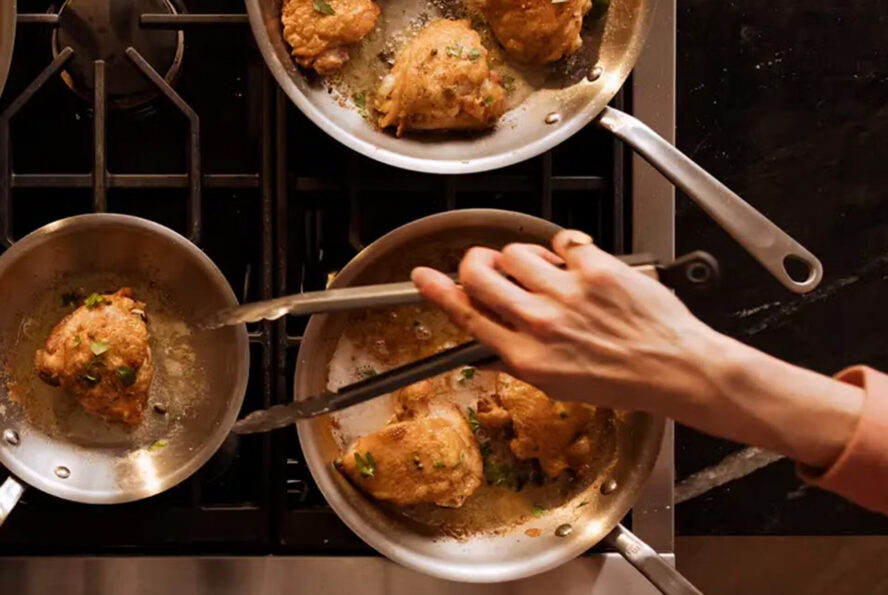
If you’re looking for versatility, it’s hard to find a material better than classic stainless steel. These pans can handle everything from sautéeing to deglazing, and they transition easily from stovetop to oven. And since stainless steel is non-reactive, it’s even a fit for your most acidic sauces.
Why Stainless Steel Became the Most Versatile Cookware Material
If you’re looking for something a bit more lightweight and low-maintenance than cast iron, you might turn to stainless steel and carbon steel. Let’s start with stainless. On the maintenance side of things, stainless doesn’t require seasoning and can even tolerate metal utensils. It’s no wonder that while McManus loves all of her pans, she notes, “If I had to choose just one, I’d say stainless steel.”
“With its metal handle, this pan can go right in the oven or under the broiler. It’s indestructible and incredibly versatile. It’s the pan I’d take to a desert island because it will last forever, and won’t rust, even in the salty air.”
Keep in mind that there’s a fairly wide range in terms of quality when it comes to stainless steel. The best options are tri-ply, also known as “fully-clad” stainless. This construction combines three layers of metal, sandwiching steel around a central aluminum layer to combine durability with even heating.
“In the test kitchen we use this [stainless steel] pan in so many ways: as a frying pan, of course, but we also bake pies in it, we roast chicken in it, make shepherd’s pie with mashed potatoes that we finish by browning it under the broiler, the list goes on and on,” McManus says.
Overall, stainless is the best all-around option for low maintenance and maximum versatility. And with proper care, these pans can last a lifetime, making them a worthy investment for any kitchen.
| Advantages | Limitations |
| Non-reactive surface | Food can stick |
| Extremely durable | Requires a bit of technique |
| Handles acidic foods well | Tougher cleanup |
| No seasoning required | Less naturally nonstick |
The Biggest Learning Curve with Stainless Steel
If there were one main challenge to highlight when it comes to stainless steel, it would be its propensity for sticking. Unlike carbon steel or cast iron, stainless steel does not become seasoned over time. As a result, there’s a bit of technique required to keep delicate foods from sticking to its surface. To properly preheat and prep your stainless steel pans for easy release cooking, make sure to follow these steps:

- Step 1: Preheat your stainless steel pan on medium-low heat for several minutes. Adding cooking fats and food to a cold pan will lead to sticking, so this step is critical.
- Step 2: Add your butter or oil and heat it all the way through. If you’re using oil, look for the shimmer; if you’re using butter, wait for it to bubble everywhere.
- Step 3: Add your food and wait. Let the pan do its work, most foods release best when left undisturbed initially.
“With its metal handle, this pan can go right in the oven or under the broiler. It’s indestructible and incredibly versatile. It’s the pan I’d take to a desert island because it will last forever, and won’t rust, even in the salty air.”
Lisa McManus, Executive Editor of America’s Test Kitchen Reviews
Simple steps aside, sticking isn’t always a bad thing. When working with proteins like chicken or beef, the parts that stick can become deeply browned, caramelized, and flavorful, providing the ideal backbone for a fond that can be brought up with deglazing and transformed into a deeply flavorful sauce. It’s for this reason that we love our stainless steel pans for making roast chicken breasts with a pan sauce, for example.
Carbon Steel: The Fast-Heating Pan Professional Chefs Rely On
Carbon steel kind of feels like a lighter, faster cousin of cast iron. It can handle high heat, sear well, and develop a seasoned surface over time, but it’s also easier to lift, tilt, and maneuver during active stovetop cooking.
Why Professional Kitchens Prefer Carbon Steel

While there’s definitely a place in your kitchen for cast iron and stainless steel, there’s a reason that pro chefs continuously return to carbon steel: It marries the best of both worlds.
“We love carbon steel for classic French omelets, where you’re going to roll the finished food out of the pan,” says McManus. “That’s hard to do with a heavy cast iron pan (and the high straight sides of many cast iron pans make this a little harder, too).”
She also loves the natural seasoning that builds up on carbon steel, similar to the way it does with cast iron. This seasoning process creates a smooth, nonstick surface that improves with use.
| Advantages | Limitations |
| Fast heating | Requires seasoning |
| Lightweight feel | Reactive with acidic foods |
| Excellent searing | Hand wash recommended |
| Naturally nonstick over time | Maintenance learning curve |
What Makes Carbon Steel Different From Cast Iron
Carbon steel boasts many of the benefits of cast iron, but make no mistake: The two are definitely different. Cast iron heats more slowly and holds onto heat longer, which helps with deep browning and oven cooking. Carbon steel, meanwhile, usually heats faster and is easier to move around the kitchen, which makes it perfect for cooking eggs, stir fries, vegetables, and foods that need quick temperature control.
Both cast iron and carbon steel require seasoning to help them release foods with ease. However, most cast iron skillets these days come partially pre-seasoned, while carbon steel requires that initial work to ensure it’s nonstick enough to cook delicate items like fish, pancakes, or eggs.
My Experience: What Cooking With Carbon Steel, Stainless Steel, and Cast Iron Actually Feels Like
Our EIC and trained chef Laura Klein has worked with (and loves!) all three types of cookware. She finds it’s less a conversation of carbon steel vs. stainless steel vs. cast iron than it is a question of when to use each type of cookware in your toolkit.
Cast iron feels powerful and stable for searing, baking, and roasting, but it’s noticeably heavier, meaning it may not be the best option to whip up a quick and easy weeknight meal. She loves how the seasoning on these pans builds up over time, so that they soon become nonstick and even easier to use.
Stainless steel feels dependable and versatile across sauces, sautés, and dishes that call for an oven finish. Laura especially loves it for dishes that require deglazing, seeing as its lack of seasoning means that fond develops quickly, and its non-reactive nature means that everything from tomatoes to wine can be used to add even more flavor to the sauce.
Finally, carbon steel offers the perfect balance: the heat conductivity of cast iron and the maneuverability of stainless steel in one versatile pan. While seasoning these pans definitely requires some initial investment, they quickly reveal themselves as a culinary go-to once you get used to cooking with them.
Our Favorite Stainless Steel, Carbon Steel, and Cast Iron Product Picks
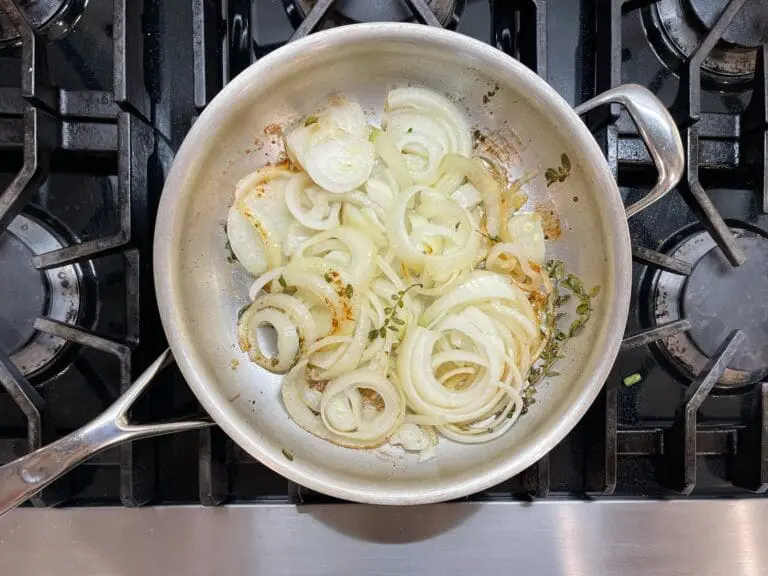
Different cookware materials serve different purposes in the kitchen, which is why most well-equipped cooks rely on a mix of cast iron, carbon steel, and stainless steel. Choosing the right material depends on cooking style, maintenance preference, and how much heat control is needed during cooking. But once you know which material you’re shopping for, here are a few of our favorite picks to get you started with each type of cookware.
Enameled Cast Iron
Staub 5.5-Qt Round Cocotte
We love Staub’s enameled cast iron, which has a rich, generations-long history rooted in the heart of rural France. Thanks to years of testing and tinkering, this Staub Dutch oven has truly earned its spot as a household favorite. Their heavy construction promotes even heating, and innovative spikes on the interior surface of their lids help lock in phenomenal moisture.
We’ve been using ours for years, and these cocottes are way easier to maintain than some other cast iron pans. They’re dishwasher-safe and aren’t as sensitive to metal utensils as most. Their dark interior is more forgiving and durable than the light cream enamel of comparable brands like Le Creuset, which tends to be tougher to clean and easier to scratch. Plus, we can’t get enough of Staub’s sustainability practices and their transparent third-party testing.

Specs:
- Available in 13 colors and 7 sizes
- Dishwasher-safe (although we recommend hand washing for maximum longevity)
- Oven-safe up to 500°F
- Induction compatible
- Weight: 12.57 lbs
- Size: 12.9’’ L x 10.2’’ W x 6.6’’ H (with lid)
Price: $429.99 $343.99 at time of publish
Alva Nori Grill Pan

We recently tried out some cookware from Alva, a Belgian company that’s been around since 1949. They have a unique origin story, the founder made the brand’s first pans out of scrap metal left over from World War II. Ever since, the brand has been committed to sustainability and quality, and it shows.
One of our favorite Alva products is the Nori Grill Pan. This is an enameled cast iron pan with deep ridges, which means that meat and veggies take on those beautiful grill marks and that craveable seared texture. It worked great on everything we tried, including burgers, buns, zucchini and summer squash, eggplant, baby broccoli, and chicken, and it can even go in the oven up to 400°F.

Specs:
- Hand wash only
- Induction compatible
- Oven-safe up to 400°F
- Size: 11’’ round
- Weight: 8 lbs.
Price: $149 at time of publish
Use the code ORGANIC10 to get an exclusive 10% sitewide discount for our Organic Authority community!
Stainless Steel
Made In Stainless Clad Frying Pan 3-Piece Set
Made In’s stainless steel cookware is crafted in Italy with an aluminum alloy and aluminum core that’s surrounded by 5 layers of premium metals. The resulting pan heats evenly (no hot spots here!) and retains heat far longer than most comparable pans. At the same time, it’s quite lightweight, making it easy to toss stir-fries and whip around your kitchen. The long handles keep your hand a safe distance away from the heat source, while the curved walls of the pan make it easy to flip food.
We also love that this pan can go right from the stovetop to the oven, making it perfect for braises that start with a deep, charry sear and rely on acidic ingredients like wine or tomatoes to bring up all that deeply-flavored fond. Bonus: We found that the cleanup of these pans was actually surprisingly easy as compared to most other stainless.

Specs:
- 8”, 10” and 12” Frying Pans
- 2.7mm thick 5-ply construction
- Dishwasher-safe
- Induction compatible
- Oven-safe up to a whopping 800°F
Price: $417 $254.99 at time of publish
Demeyere Atlantis 8.5-Qt Stock Pot
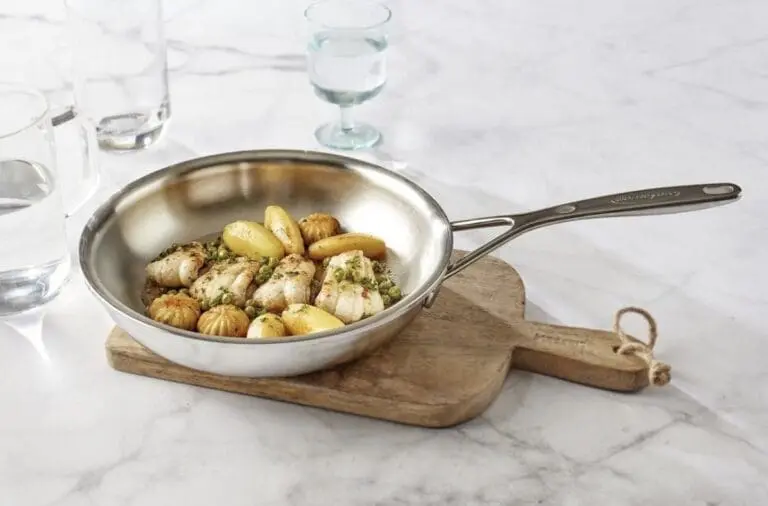
Non-reactive stainless steel is always our pick for quick sautéeing without seasoning or a pan sauce that relies on an acidic component like tomatoes or wine. And one of our go-tos in the category has always been Demeyere (it made our list of the 9 Best Non-Toxic Cookware Options of 2026!).
Klein recommends starting with a fry pan or sauté pan as well as a saucier, a staple for pan sauces. The 8.5-quart stock pot is perfect for soups, bone broths, and slow-simmered tomato sauces, and it works well for batch cooking or feeding a crowd.
One of the things Klein loves best about Demeyere cookware is its silvinox finish. This unique, electrochemical surface treatment enriches and purifies the stainless steel, providing a slicker finish that enables easy food release and even easier cleanup. And from an aesthetic perspective, it also keeps your pans looking silvery white for way longer.

Specs:
- Dishwasher-safe
- Oven- and broiler-safe to 500°F
- Induction compatible with Inductoseal base
- Made in Belgium with lifetime warranty
- Ergonomic, welded handles
- 7-ply construction
Price: $449.99 at time of publish
Carbon Steel
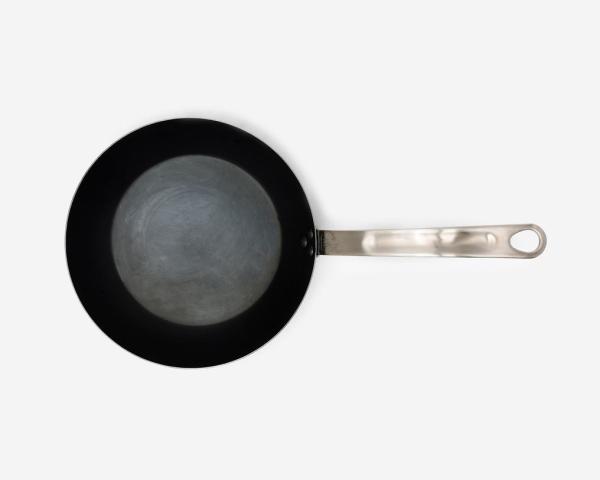
Made In Seasoned Carbon Steel Frying Pan Set

When you’re stir-frying on the stovetop, you need two things: good heat retention and easy maneuverability. With Made In’s carbon steel frying pans, you get both. This Made In set is our choice for searing veg or meat and going from stovetop to oven and back with ease.
Made In partners with producers around the globe to bring you some of the best professional cookware at a direct-to-consumer price. Transparency and climate consciousness are cornerstones of this brand’s mission, and they bring recyclable materials and sustainable production methods to the everyday home cook. Made In even offers a pan recycling program in partnership with Habitat for Humanity Restores to offset waste as you upgrade your kitchen tools.
Specs:
- 8″, 10’’, and 12’’ Frying Pans
- Hand wash only
- Oven-safe up to 1200°F
- Induction compatible
- Proprietary hollow Stay Cool Handle™ on each pan
Price: $347 $279 at time of publish
Choosing the Right Cookware for the Way You Cook
At the end of the day, making a choice of carbon steel vs. stainless steel vs. cast iron is all about understanding how each performs and which one is best suited to your own personal cooking style. Whether you’re looking for unmatched heat retention, low-maintenance versatility, or quick, high-heat performance, there’s a time and a place for each material.
Here’s a quick comparison to help you decide which one suits your cooking style best:
| Feature | Cast Iron | Stainless Steel | Carbon Steel |
| Heat Retention | Excellent | Good | Moderate |
| Reactivity | Reactive to acids | Non-reactive | Reactive to acids |
| Weight | Heavy | Light | Light to moderate |
| Maintenance | High (requires seasoning) | Low | Moderate |
| Best For | Searing, baking, slow-cooking | Browning, deglazing, acidic foods | High-heat cooking, stir-frying |
| Notable Brands | Staub, Le Creuset | Demeyere, Made In | Made In |
Did one of our curated picks catch your eye? Let us know in the comments which cookware you’re thinking about or share your experience with any of these options. If you’re still deciding, we’re happy to help you choose the perfect piece for your kitchen!
Frequently Asked Questions
Pan thickness is a crucial element of cookware design, affecting not just how evenly cookware heats but also how long it lasts. Thinner pans are more lightweight, translating to better maneuverability, but this may also make them more likely to warp over time. They heat quickly, but they may not heat as evenly, translating to hot spots which might scorch food.
Thicker pans can be a bit unwieldy and take longer to heat to temperature, but once they’re there, they provide steadier cooking performance and better durability. This is especially important for baking, searing, roasting, and recipes where even heat makes a noticeable difference. If you’re comparing carbon steel vs. cast iron, for example, carbon steel is thinner while cast iron is thicker; both have their pros and cons.
Many professionals rely on carbon steel thanks to its Goldilocks approach in the kitchen. It’s not quite as heavy as cast iron but not quite as light as stainless, translating to faster responsiveness and lighter handling than cast iron, and better heat retention than stainless steel. They handle high heat effectively, can easily transition from stovetop to oven and back, and respond well to recipes that require rapid temperature adjustments, all things that are critical for professional chefs.
If your priority is longevity, we’d vote for cast iron or carbon steel. This isn’t a dig at stainless steel, which can be extremely durable (especially when well-constructed). However, by design, stainless steel pans are made with multiple layers of metal rather than cast as one solid piece. This means it typically doesn’t last quite as long as cast iron, which can last generations when properly maintained.
If you’re having trouble releasing foods from your stainless steel pans, it’s likely due to improper preheating or a lack of oil or fats. Make sure to give your cookware a few minutes to warm up on the stovetop before adding your oil or butter, followed by your food.
Warping happens when bakeware or cookware expands unevenly under heat. This is most likely to happen with thinner pans, which heat quickly but unevenly. If you want to avoid this at all costs, go for cast iron or thicker carbon steel, which both offer incredible thermal stability. Well-made, heavy-gauge stainless steel can also resist warping well, just check the manufacturer details for their oven-safe temperature limits.
High Quality Cookware Saves Money Over Time
High-quality cookware is a definite investment, but it pays for itself over time. While premium pans cost more upfront, well-maintained stainless steel, carbon steel, and cast iron can last for decades, reducing the need to replace warped, scratched, or damaged pans. And with proper seasoning, pans made from carbon steel or cast iron actually improve with time.
As for which cookware you invest in, the choice is yours! Stainless steel is best for buyers who want low maintenance and everyday versatility, while cast iron is best for buyers who want heat retention, baking performance, and deep searing. Carbon steel is best for cooks who are looking for a balance that offers solid performance. And really, why choose between carbon steel vs. stainless steel vs. cast iron? Most experienced cooks gradually build out a cookware collection that suits a range of needs, often taking advantage of the benefits of all three.