Is Demand for Local Food Growing Too Fast?

December 6th, 2011 - Jill Ettinger

Locally Grown

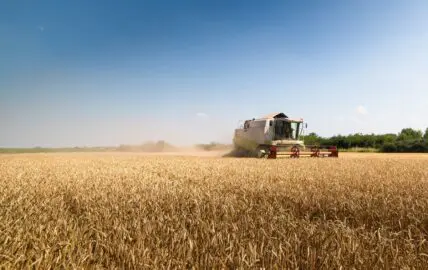
The demand for local food is exceeding the infrastructure says a new report from the USDA’s Economic Research Service, titled Direct and Intermediated Marketing of Local Foods in the United States.

Read More:Is Demand for Local Food Growing Too Fast?

Los Angeles School District’s Newest Curriculum: Better Food

August 30th, 2011 - Jill Ettinger

School cafeteria

As the nation’s second largest school district prepares for the start of the fall semester, student food critics have been hard at work sampling some healthier menu items soon to be found in cafeterias across Los Angeles.

Read More:Los Angeles School District’s Newest Curriculum: Better Food

Louisiana Bill to Reward Restaurants that Go Local

June 15th, 2011 - Jill Ettinger

Louisiana Bill to Reward Locally Grown Produce Purchases

Louisiana’s legislature is considering a bill that would offer financial rewards to area restaurants that use locally grown fruits and vegetables in their menu items.

Read More:Louisiana Bill to Reward Restaurants that Go Local

Upcoming Senate Bill Threatens Local and Organic Farms

April 15th, 2010 - Scott Shaffer
rhett maxwell/flickr

Local and organic food-growers need your help!

Bill S. 510 is an overhaul of the food safety system that will hurt small-scale organic producers. The bill would require a $500 registration fee for all farms, regardless of size, and would require complicated monitoring of crops. If this bill passed, it would seriously burden small local and organic farms, which is probably why big food businesses like The American Frozen Food Institute, General Mills, and Kraft Foods support S. 510.

Food safety is an important issue, and Congress should definitely do something about it. But why put extra burdens on small growers when the major recent health scandals — E. Coli, melamine, and salmonella, just to name a few — were linked to industrial farming practices? This is surely an issue on which all citizens can agree — whether they be small-government conservatives or liberal, eco-friendly foodies.

Defenders of Wildlife, Farm Aid, and the Institute for Agriculture and Trade Policy, among others, have announced their opposition to S. 510. Please join them and help stop it. This bill is scheduled to come before the US Senate for a vote in the next few weeks, so please, visit Credo Action to learn more and contact your Senator and tell them that you support organic and local farms.

Read More:Upcoming Senate Bill Threatens Local and Organic Farms

Organic Produce: February Report

February 1st, 2010 - Barbara Feiner

You’ll make the most nutritious—and delicious—produce choices when you buy locally grown organic fruits and vegetables that are in season. It’s also the most economical way to shop the produce aisle.

Here are the Centers for Disease Control and Prevention’s top peak-season choices. Some of the listed fruits and veggies are available year-round, but you’ll find higher quality at a lower cost this month.

  • Apples
  • Avocados
  • Bananas
  • Bell peppers
  • Broccoli
  • Carrots
  • Lettuce
  • Mushrooms
  • Onions
  • Oranges
  • Pears

Click here to find a farmer’s market near you.

Recipes to Inspire You

  1. Home-Style Minestrone
  2. Frozen Honey Banana Pops
  3. Spicy Nutmeg Carrots
  4. Granny Smith Guacamole
  5. Romaine, Pecan and Pear Salad
Read More:Organic Produce: February Report

Organic Produce: January Report

January 2nd, 2010 - Barbara Feiner

You’ll make the most nutritious—and delicious—produce choices when you buy locally grown organic fruits and vegetables that are in season. It’s also the most economical way to shop the produce aisle.

Here are the Centers for Disease Control and Prevention’s top peak-season choices. Grapes and sweet potatoes come off last month’s list.

  • Apples
  • Avocados
  • Bananas
  • Bell peppers
  • Broccoli
  • Carrots
  • Lettuce
  • Mushrooms
  • Onions
  • Oranges
  • Pears

Click here to find a farmer’s market near you.

Recipes to Inspire You

  1. Confetti Apple Slaw
  2. Granny Smith Guacamole
  3. Frozen Honey Banana Pops
  4. Spicy Nutmeg Carrots
  5. Home-Style Minestrone
  6. Wilted Greens with Pinot Pears
  7. Pear and Chocolate Spread
  8. Orange and Radish Salad with Cinnamon Vinaigrette
  9. Red Beet and Blood Orange Salad
  10. Warm Griddle Salad with Chicken and Apples
  11. Romaine, Pecan and Pear Salad
Read More:Organic Produce: January Report

Organic Produce: December Report

December 1st, 2009 - Barbara Feiner

You’ll make the most nutritious—and delicious—produce choices when you buy locally grown organic fruits and vegetables that are in season. It’s also the most economical way to shop the produce aisle.

Here are the Centers for Disease Control and Prevention’s top peak-season choices:

  • Apples
  • Avocados
  • Bananas
  • Bell peppers
  • Broccoli
  • Carrots
  • Grapes
  • Lettuce
  • Mushrooms
  • Onions
  • Oranges
  • Pears
  • Sweet potatoes

Click here to find a farmer’s market near you.

A Dozen Recipes to Inspire You

  1. Confetti Apple Slaw
  2. Granny Smith Guacamole
  3. Frozen Honey Banana Pops
  4. Spicy Nutmeg Carrots
  5. Home-Style Minestrone
  6. Wilted Greens with Pinot Pears
  7. Pear and Chocolate Spread
  8. Orange and Radish Salad with Cinnamon Vinaigrette
  9. Red Beet and Blood Orange Salad
  10. California Waldorf Salad
  11. Warm Griddle Salad with Chicken and Apples
  12. Romaine, Pecan and Pear Salad
Read More:Organic Produce: December Report

Organic Produce: November Report

November 2nd, 2009 - Barbara Feiner

You’ll make the most nutritious—and delicious—produce choices when you buy locally grown organic fruits and vegetables that are in season. It’s also the most economical way to shop the produce aisle.

Mushrooms and oranges join this month’s peak-season list, while eggplant moves off.

Here are the Centers for Disease Control and Prevention’s top peak-season choices:

  • Apples
  • Avocados
  • Bananas
  • Bell peppers
  • Broccoli
  • Carrots
  • Grapes
  • Lettuce
  • Mushrooms
  • Onions
  • Oranges
  • Pears
  • Sweet potatoes

Click here to find a farmer’s market near you.

10 Recipes to Inspire You

  1. Florida Orange and Sweet Oso Onion Salad
  2. Grilled Flatbread with Olive, Orange and Fennel Relish
  3. Orange and Radish Salad with Cinnamon Vinaigrette
  4. Blood Orange Marga-Tea-Tas
  5. Sautéed Mushroom Salad
  6. Moist & Savory Stuffing
  7. Mushroom Sauté with Toasted Walnuts
  8. Broiled Italian-Style Portobello Mushrooms
  9. Brussels Sprouts with Mushrooms
  10. Pugliese Mushroom Scafata with Green Olive Crostini

Photo:

Read More:Organic Produce: November Report

Buy Local Fruits and Vegetables to Go Organic, and Save Money

October 16th, 2009 - Gerald "Gerry" Pugliese

VEGGIESIn April, the Environmental Working Group released a report ranking the 12 dirtiest fruits and vegetables, and the 15 cleanest.

The icky stuff, i.e. most contaminated with pesticides, included produce like nectarines, cherries, and carrots.

But avocados, mangos, and eggplant, were among the safer foods.

The problem is, more often than not, organic stuff is more expensive than conventional fruits and vegetables.

So a quick tip to eat cleaner and save a little money is to buy foods from local farmers markets, a lot of the stuff can be organic, plus little markets are almost always cheaper than big retailers.

Another way, and its not technically organic, is to buy regular fruits and vegetables, specifically the clean stuff, and give them a good scrub to avoid any pesticide residue.

I guess I’m a casual organic buyer. I’m not super anal about it, if I see some organic fruits and vegetables I buy them, but I usually purchase organic food products, like cereals, soymilk, tofu, and bread.

Via Island Life.

Image credit: yarnzombie

Read More:Buy Local Fruits and Vegetables to Go Organic, and Save Money

Organic Produce: October Report

September 30th, 2009 - Barbara Feiner

You’ll make the most nutritious—and delicious—produce choices when you buy locally grown organic fruits and vegetables that are in season. It’s also the most economical way to shop the produce aisle.

Broccoli joins this month’s peak-season list, while cantaloupe, corn and peaches move off. As noted in Salads: 5 Must-Have Veggies:

Broccoli “contains phytochemicals, substances found in produce that can help prevent heart disease and certain types of cancer. Added nutrients include vitamins A, C and K, as well as calcium, folic acid and fiber.”

Here are the Centers for Disease Control and Prevention’s top peak-season choices:

  • Apples
  • Avocados
  • Bananas
  • Bell peppers
  • Broccoli
  • Carrots
  • Eggplant
  • Grapes
  • Lettuce
  • Onions
  • Pears
  • Sweet potatoes

Click here to find a farmer’s market near you.

Recipes to Inspire You

Read More:Organic Produce: October Report

© 2010 OrganicAuthority, LLC